 AudioFu
Catalog
Effect and Signal Processors
420 instruments available · See the ranking
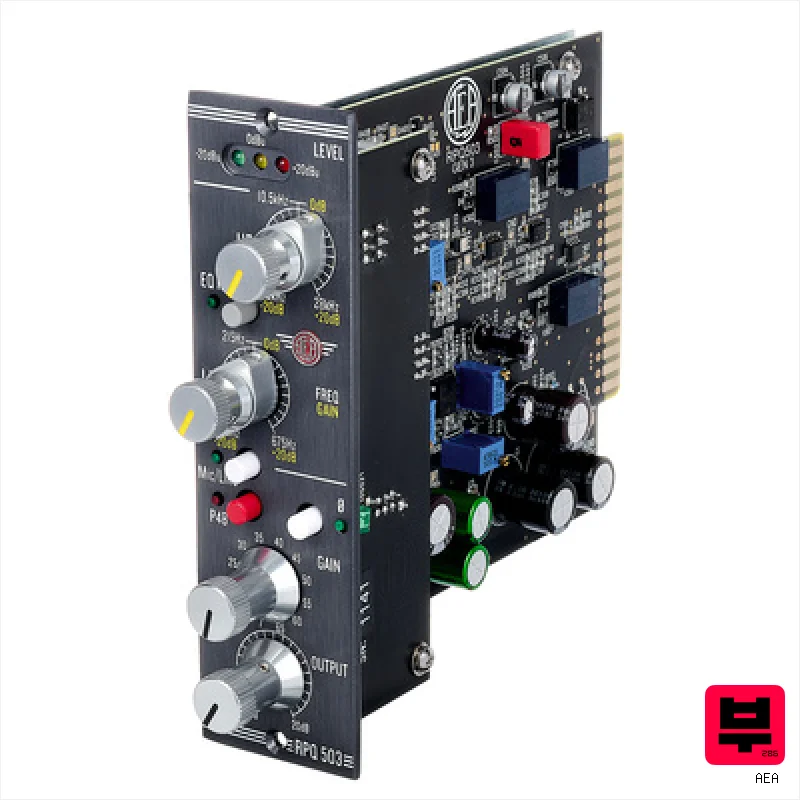
500 Series Components
176 items
Browse →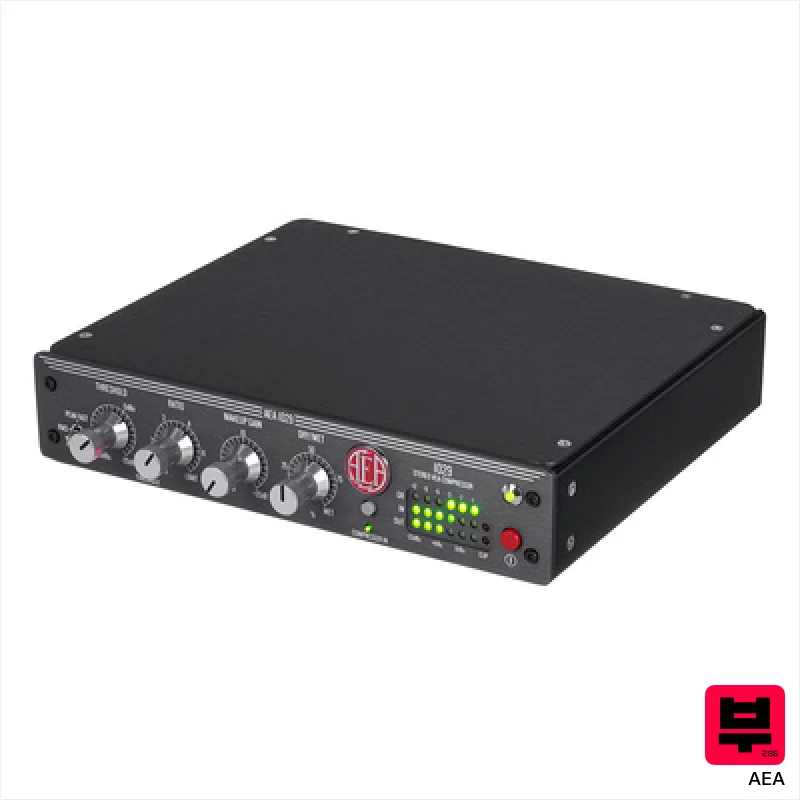
Compressors, Gates and De-essers
107 items
Browse →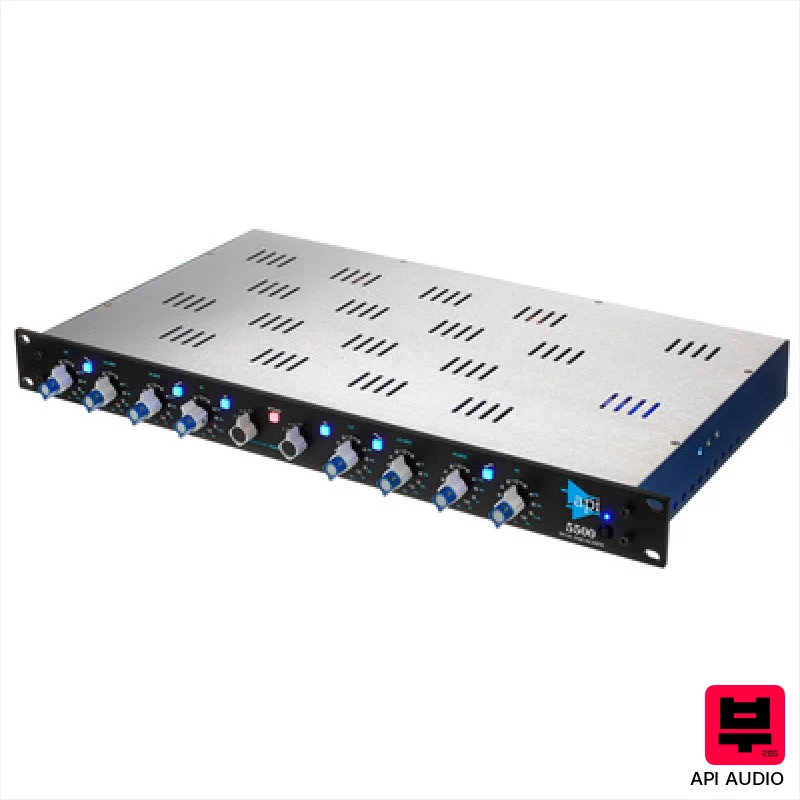
Parametric Equalizers
44 items
Browse →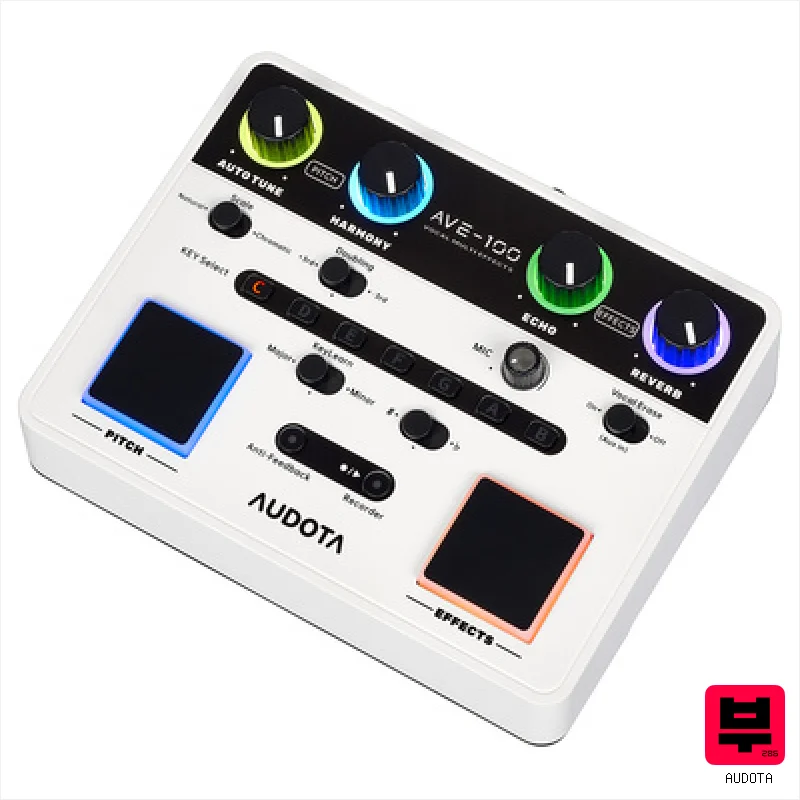
Vocalists
26 items
Browse →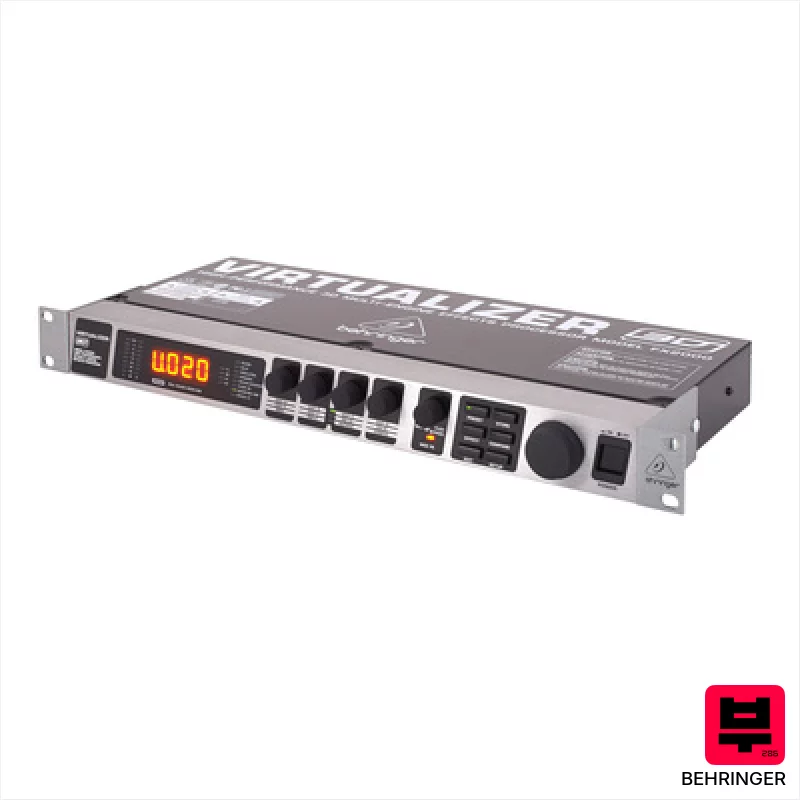
Multi Effect Processors
15 items
Browse →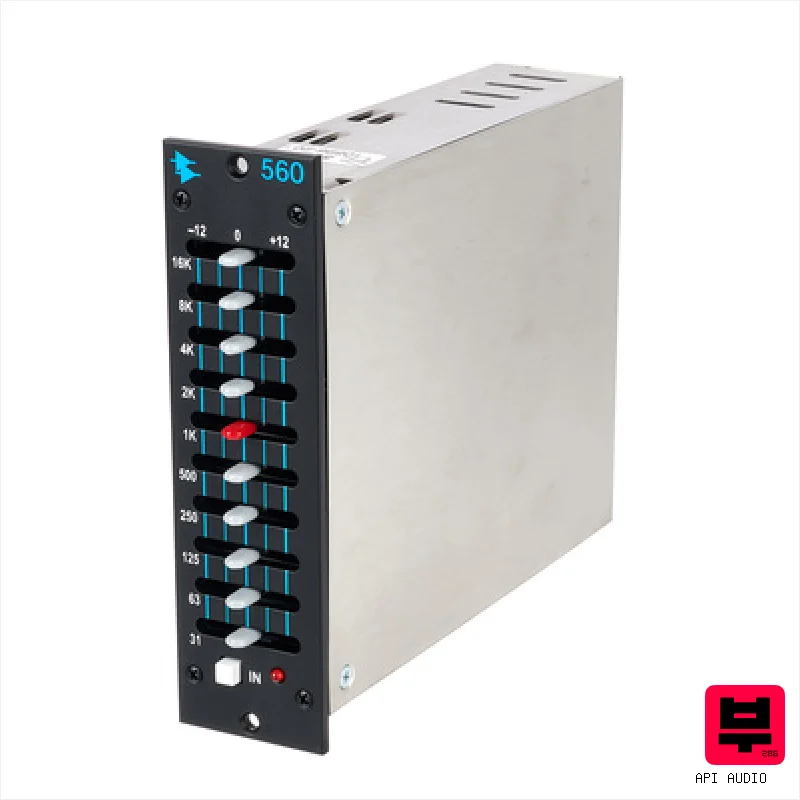
Graphic Equalizers
11 items
Browse →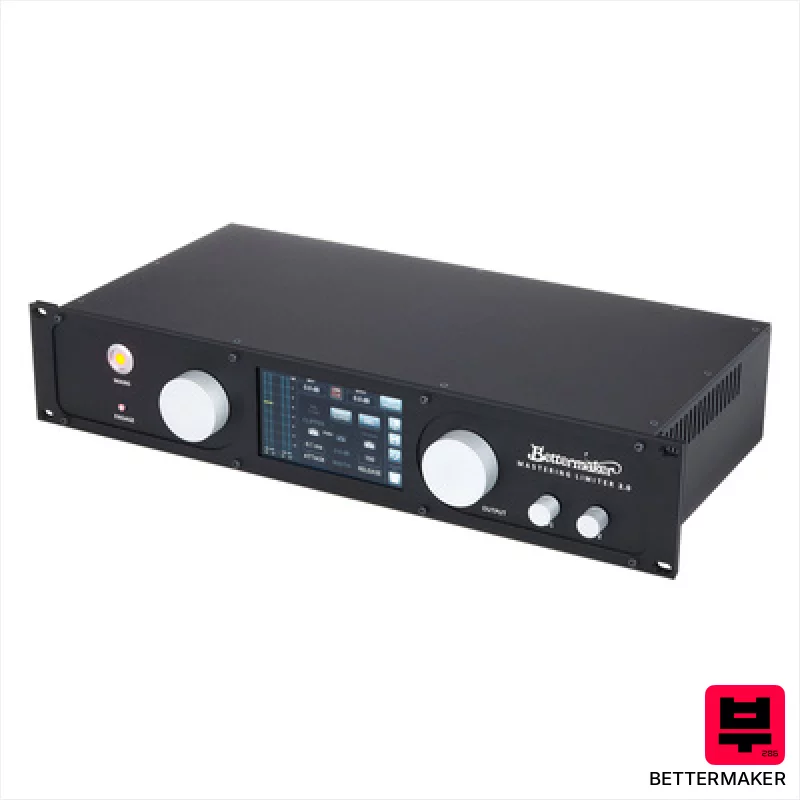
Limiters
11 items
Browse →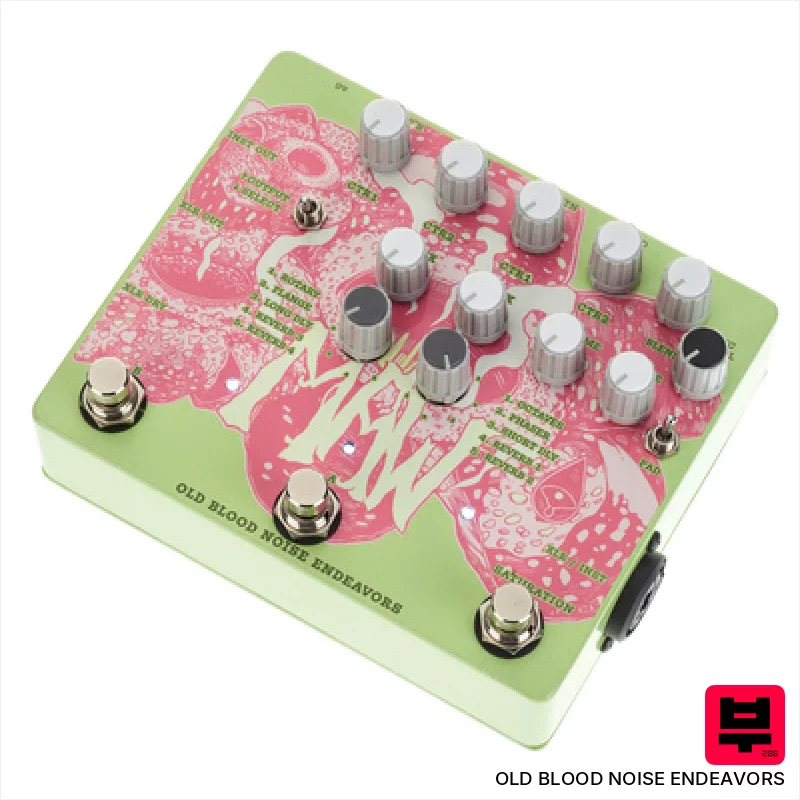
Voice Processor
11 items
Browse →
Psychoacoustic Effects
8 items
Browse →
Speaker Management Systems
8 items
Browse →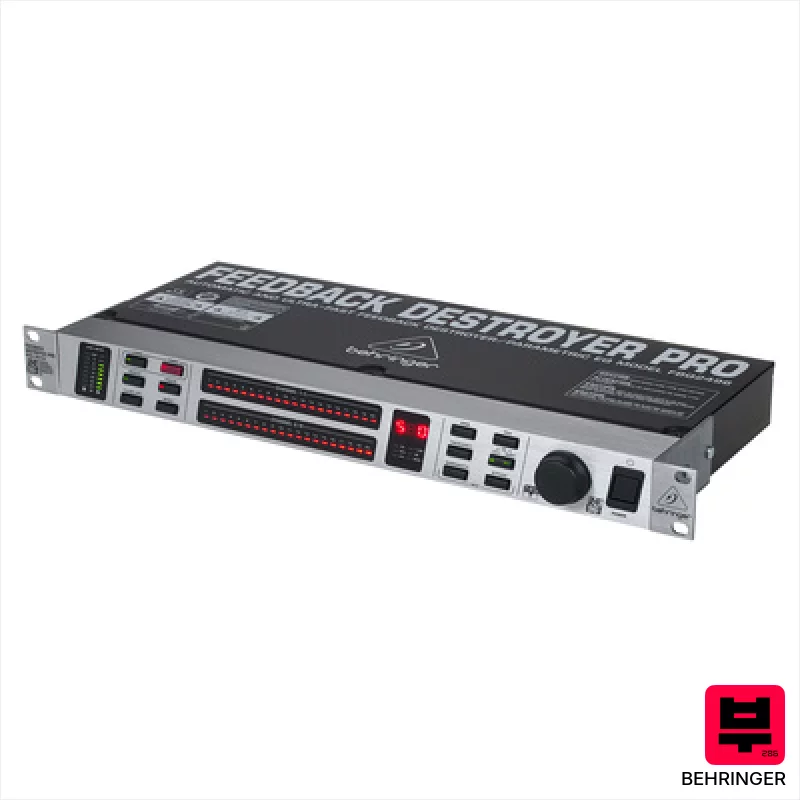
Feedback Controllers
3 items
Browse →About Effect and Signal Processors
Effect and Signal Processors are the workhorses of modern music production and performance, manipulating audio signals to achieve desired sonic characteristics. From subtle enhancements to radical transformations, these processors shape tone, add depth, and create unique textures. They're essential for engineers, producers, and artists seeking to expand their creative palette.
Best for
What to look for
Effect and Signal Processors — pros & cons
- Offers creative sonic possibilities beyond basic recording techniques.
- Provides precise control over audio characteristics and dynamics.
- Can emulate classic hardware or create entirely new sounds.
- Allows for flexible signal routing and complex processing chains.
- Can introduce latency if not carefully implemented.
- Complex processors require a learning curve to master effectively.
- Poor quality units can degrade audio signal integrity.
- Can be expensive, especially for high-end or specialized units.
Questions about Effect and Signal Processors
What's the difference between a plugin and a hardware effect processor?
Plugins are software-based, offering flexibility and affordability, while hardware processors provide tactile control and often a distinct sonic character due to analog circuitry.
How can I minimize latency when using effect processors?
Utilize processors with low latency ratings, optimize buffer settings in your DAW, and consider using dedicated hardware with direct monitoring capabilities.
What is dynamic range and why is it important in a processor?
Dynamic range represents the difference between the quietest and loudest signals a processor can handle; a wider range indicates lower noise and greater headroom.