 AudioFu
Catalog
Wooden Snare Drums
425 instruments available · See the ranking
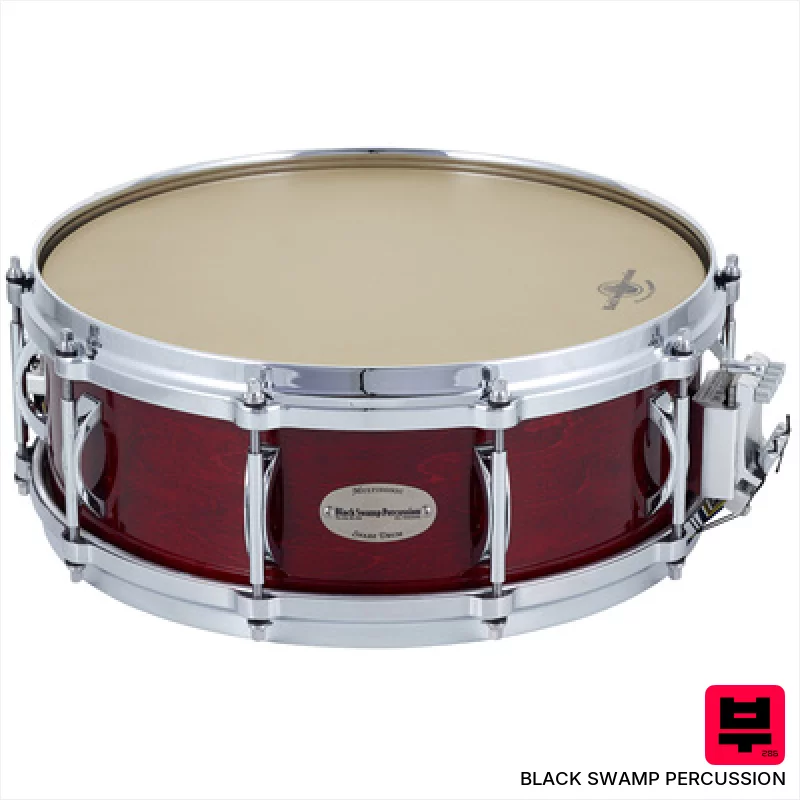
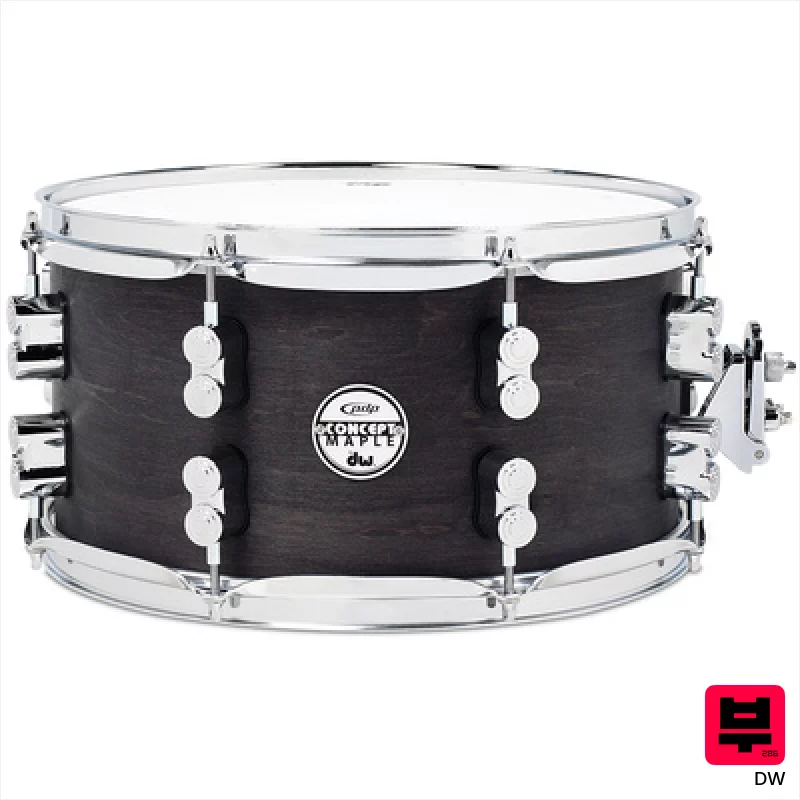
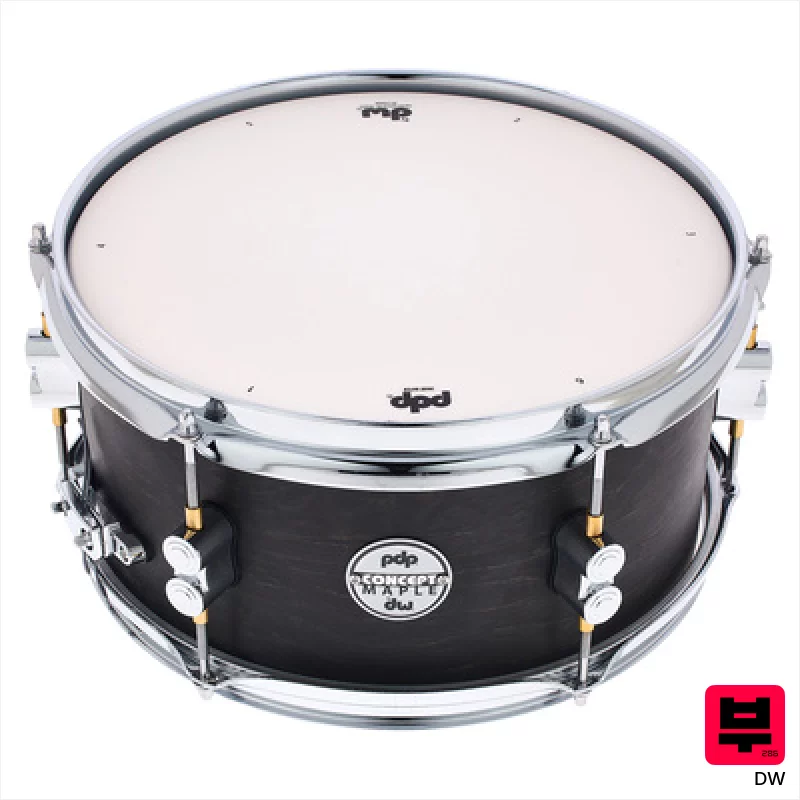
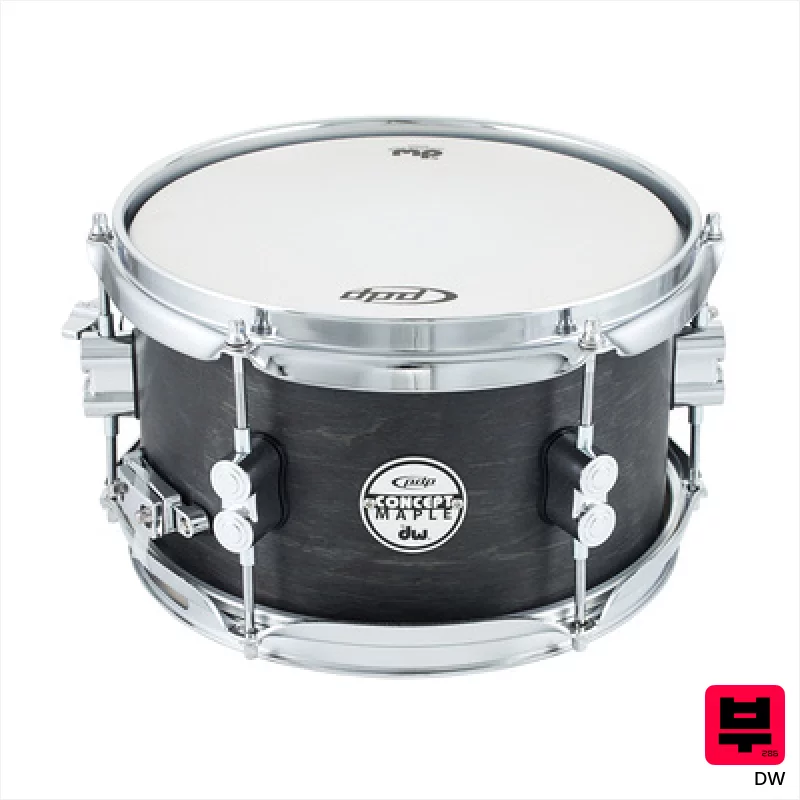
About Wooden Snare Drums
Wooden snare drums offer a warmer, more resonant tone compared to their metal counterparts, prized for their sensitivity and complex overtones. They're favored by drummers seeking a vintage feel, nuanced articulation for jazz or studio work, and a more organic sound. The wood grain and construction heavily influence the drum's character, making each one unique.
Best for
What to look for
Wooden Snare Drums — pros & cons
- Warm, complex tones with rich overtones are characteristic of wood snares.
- Offer a more natural and organic feel than metal drums.
- Excellent sensitivity and responsiveness for nuanced playing.
- Visually appealing with a wide range of wood grain patterns.
- Generally more susceptible to humidity and temperature changes.
- Can be more delicate than metal snares, requiring careful handling.
- May not project as loudly as some metal snares.
- Often a higher price point compared to similar-sized metal drums.
Questions about Wooden Snare Drums
How does the wood type affect the tone of a wooden snare drum?
Different woods offer distinct tonal qualities; Maple is known for warmth, Birch for a focused attack, and Oak for a drier, more resonant sound.
What is a bearing edge, and why is it important?
The bearing edge is the rim of the shell where the drumhead sits; its profile (rounded, sharp, etc.) significantly impacts resonance and sustain.
Are wooden snare drums more difficult to maintain than metal snares?
Yes, wooden drums require more care; maintaining humidity levels and avoiding extreme temperature changes is crucial to prevent cracking or warping.