 AudioFu
Catalog
Wireless Microphones
1293 instruments available · See the ranking
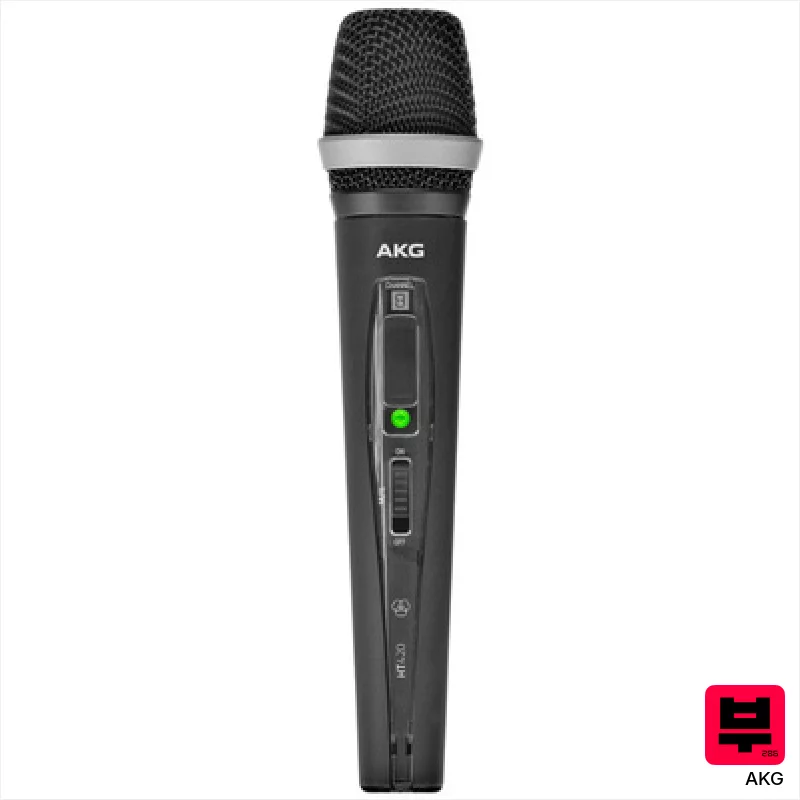
Transmitters
251 items
Browse →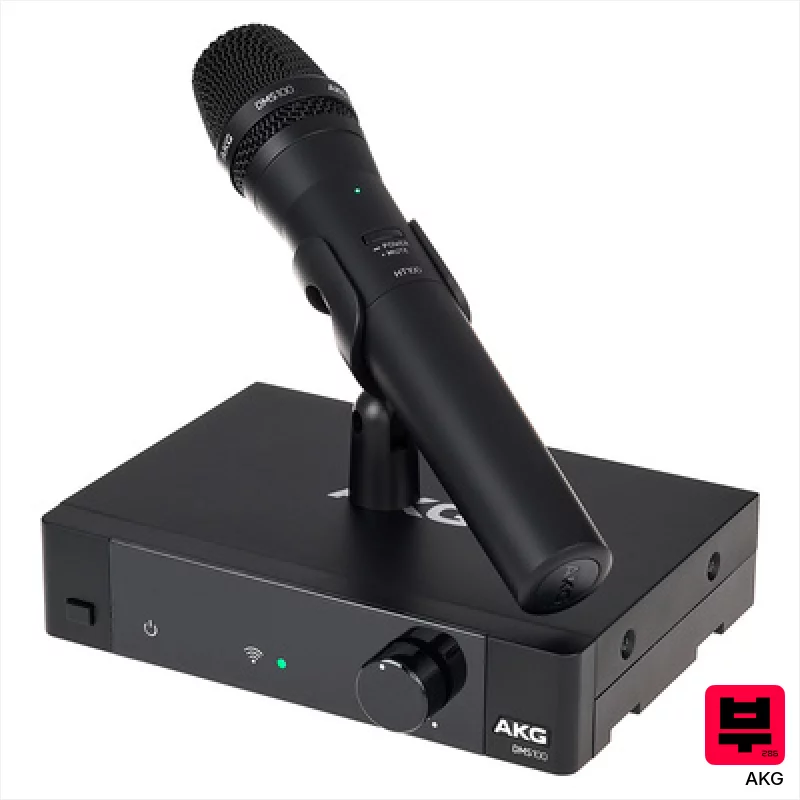
Wireless handheld microphone systems
238 items
Browse →
Wireless headset microphone systems
213 items
Browse →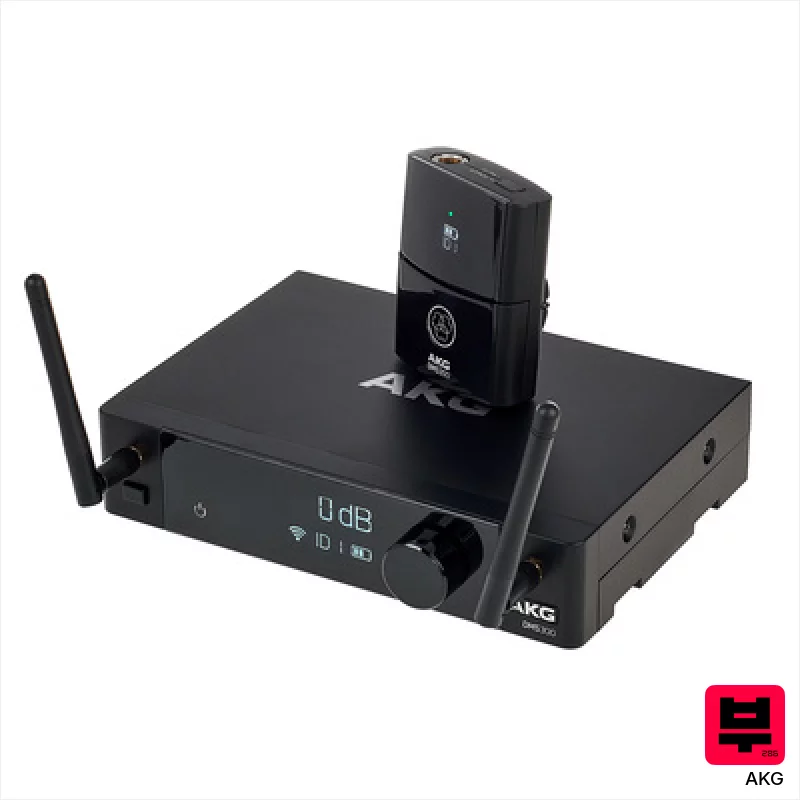
Wireless Guitar / Bass systems
155 items
Browse →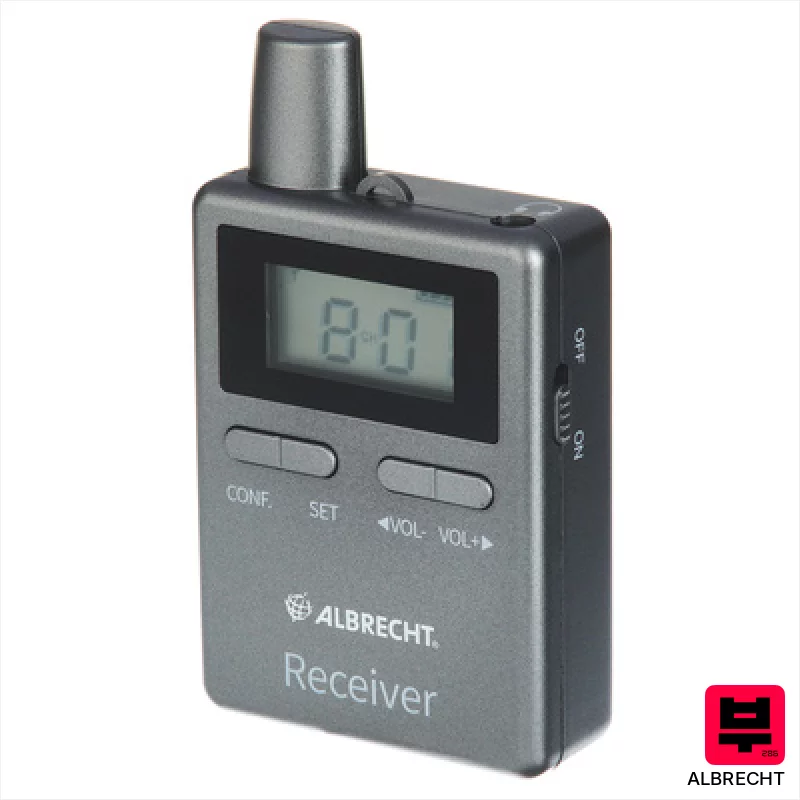
Receivers
119 items
Browse →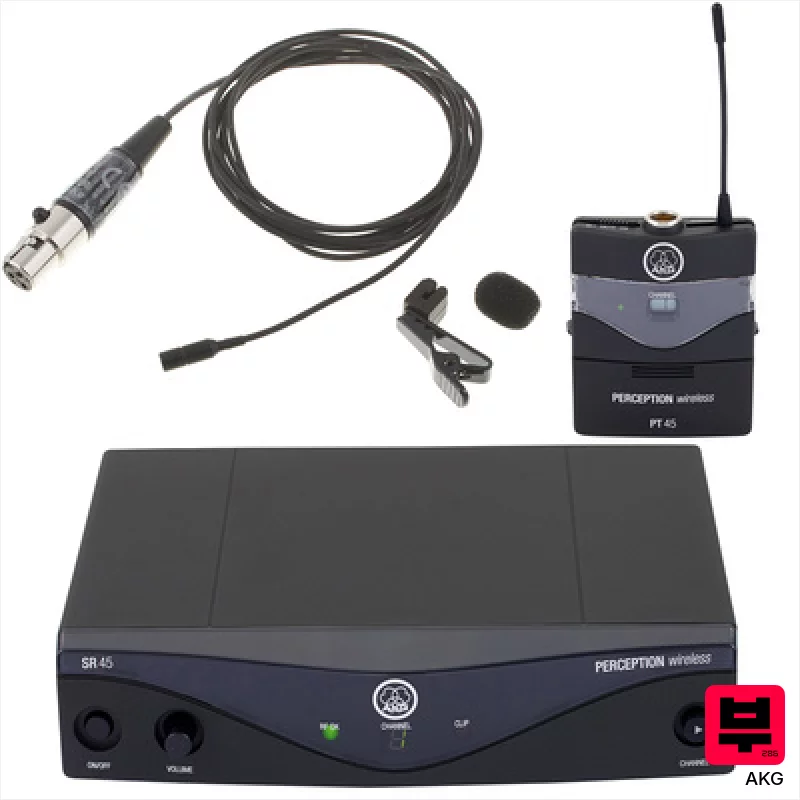
Wireless lavalier microphone systems
103 items
Browse →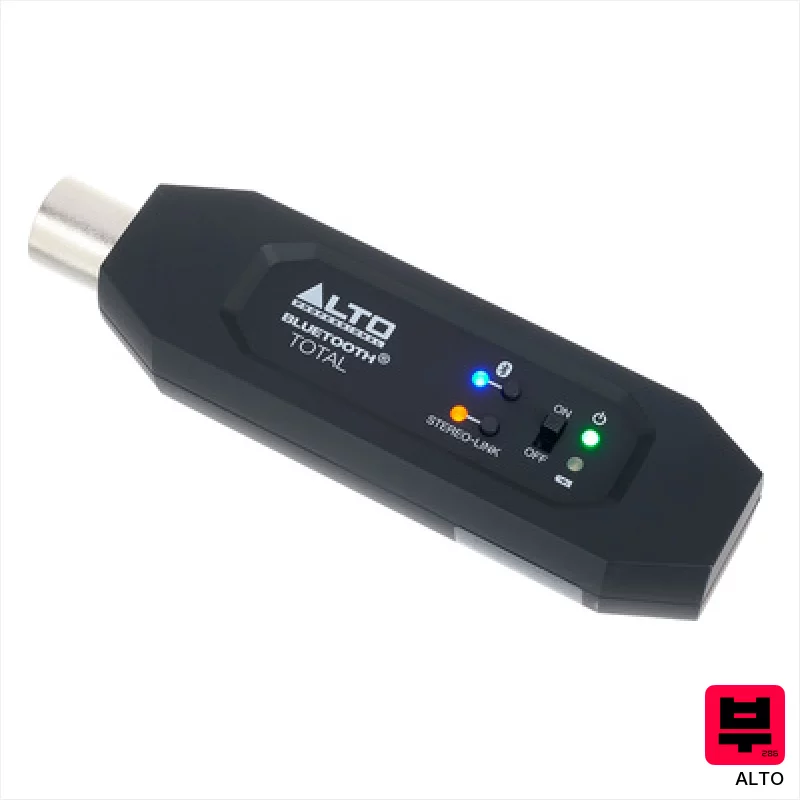
Wireless Audiotransmitters
53 items
Browse →
Wireless instrument microphone systems
52 items
Browse →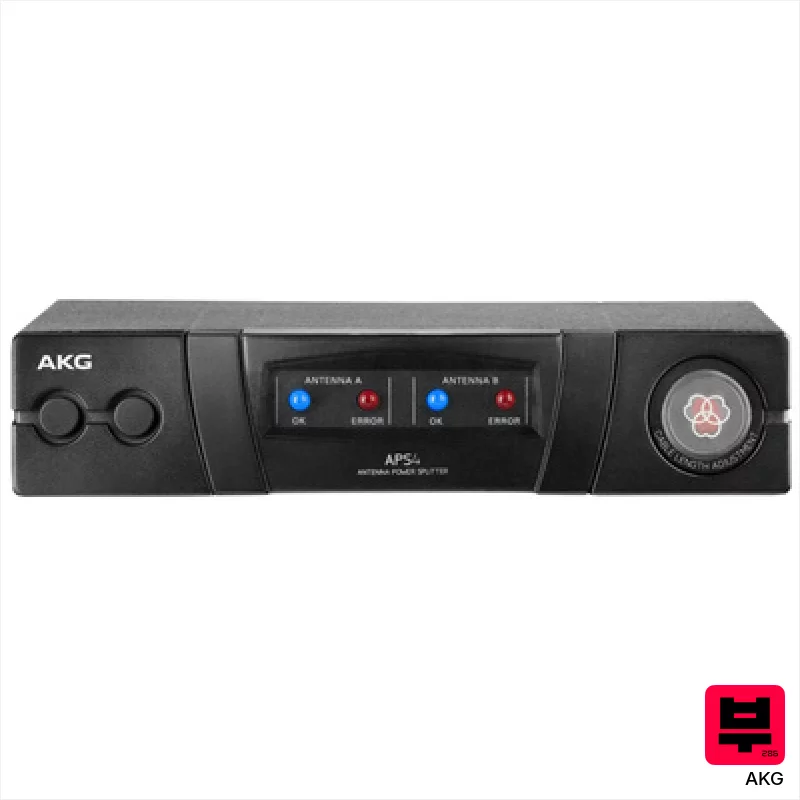
Splitters and Combiners
47 items
Browse →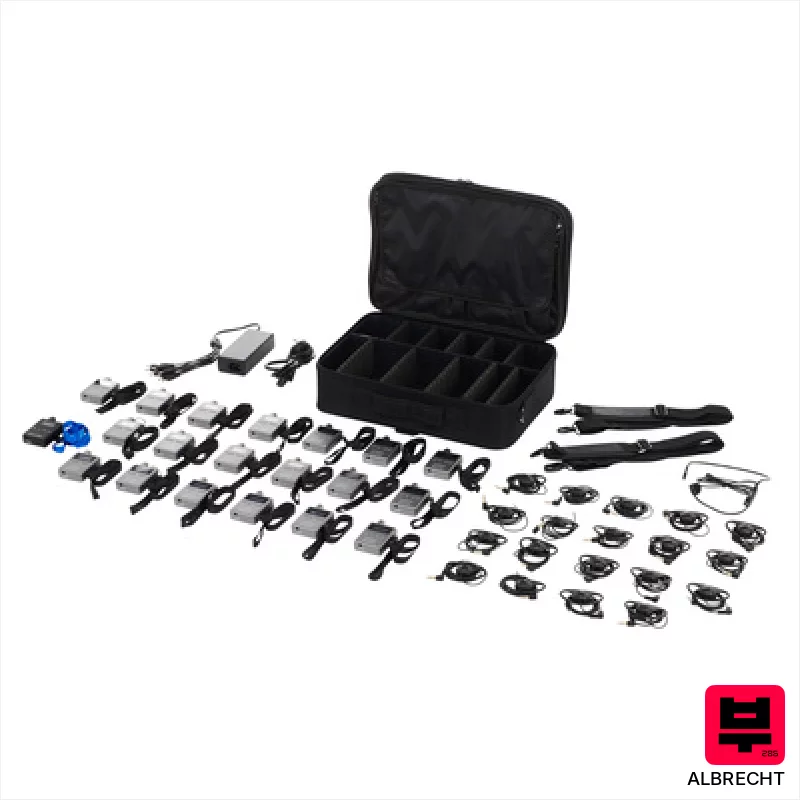
Wireless Guidesystems
28 items
Browse →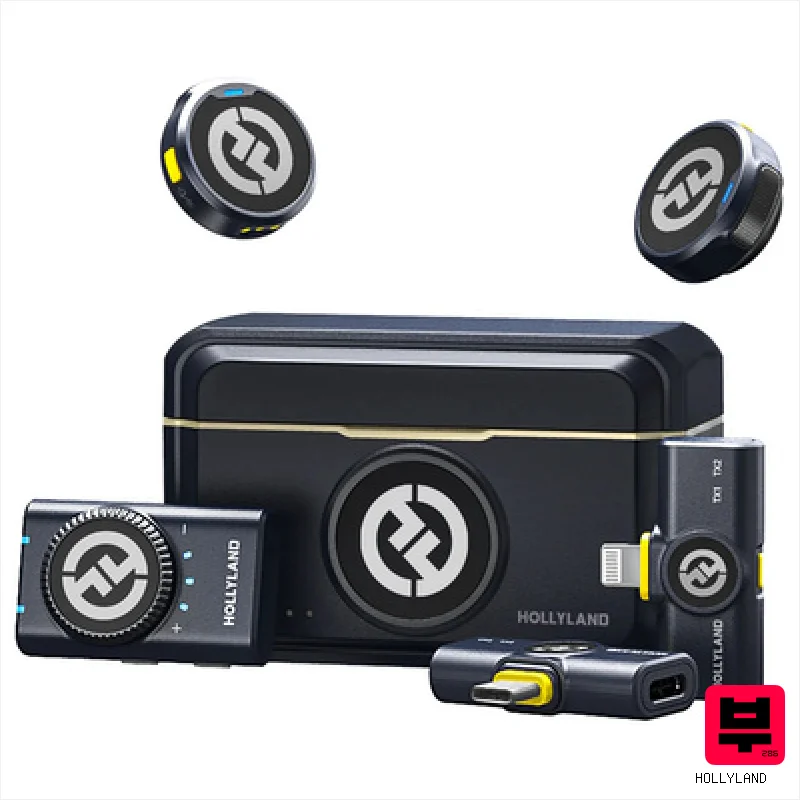
Wireless camera microphone systems
20 items
Browse →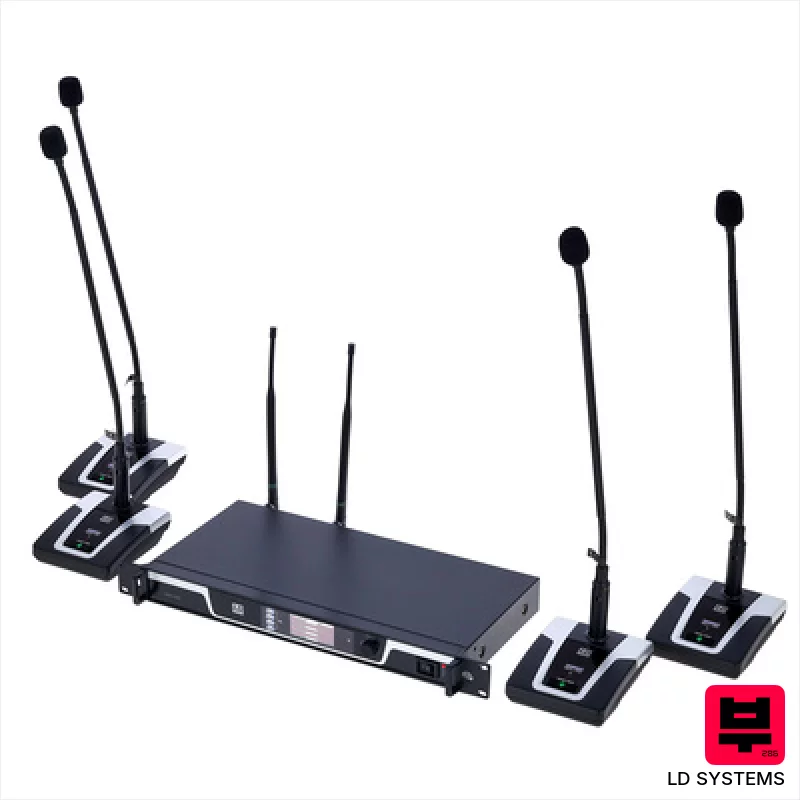
Wireless Conference Systems
10 items
Browse →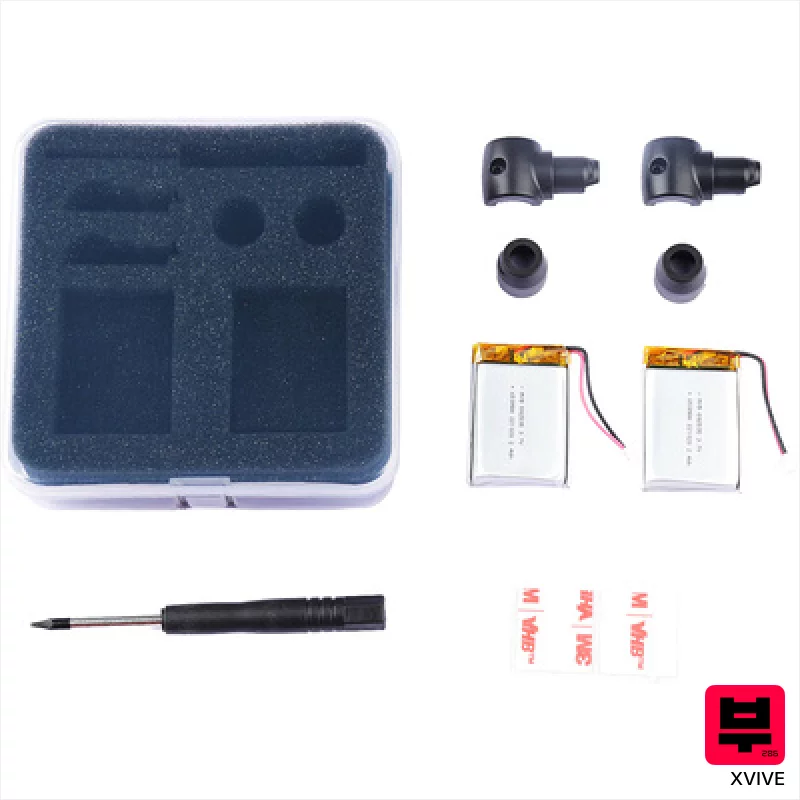
Accessories for Wireless Systems
4 items
Browse →About Wireless Microphones
Wireless microphones offer freedom of movement and flexibility for vocalists, presenters, and instrumentalists. They eliminate cable clutter, allowing for dynamic performances and seamless presentations. This category encompasses a wide range of systems, from simple handheld mics to complex multi-channel conference setups, catering to diverse needs and budgets.
Best for
What to look for
Wireless Microphones — pros & cons
- Increased mobility and freedom during performances or presentations.
- Reduced cable clutter and potential tripping hazards.
- Versatile applications across various performance and professional settings.
- Allows for more dynamic and engaging stage presence.
- Potential for interference and signal dropouts in crowded environments.
- Battery life limitations require charging or replacement.
- Can be more expensive than wired microphone solutions.
- Audio quality can sometimes be slightly compromised compared to wired.
Questions about Wireless Microphones
What is the difference between UHF and VHF wireless microphone systems?
UHF (Ultra High Frequency) generally offers more channels and less interference in urban areas, while VHF (Very High Frequency) can have better range in rural environments with fewer obstructions.
How do I prevent interference with my wireless microphone system?
Ensure proper frequency selection, avoid proximity to sources of interference (like Wi-Fi routers), and consider using directional antennas for improved signal reception.
What does 'diversity' mean in a wireless microphone receiver?
Diversity receivers use two antennas to receive the signal, switching between them to minimize dropouts caused by interference or obstructions – greatly improving reliability.