 AudioFu
Catalog
Wind Instrument Microphones
58 instruments available · See the ranking
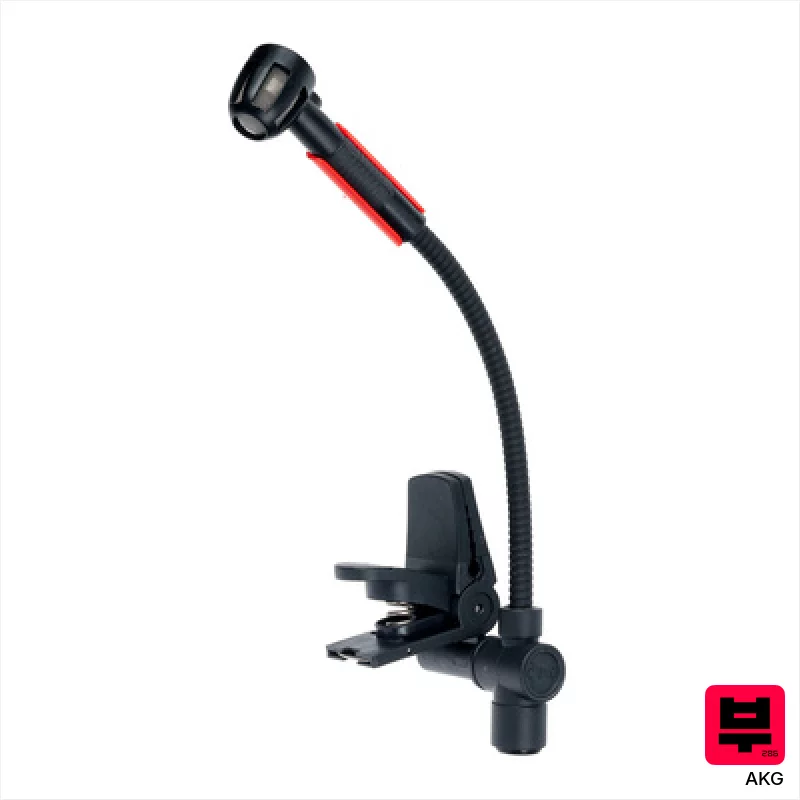
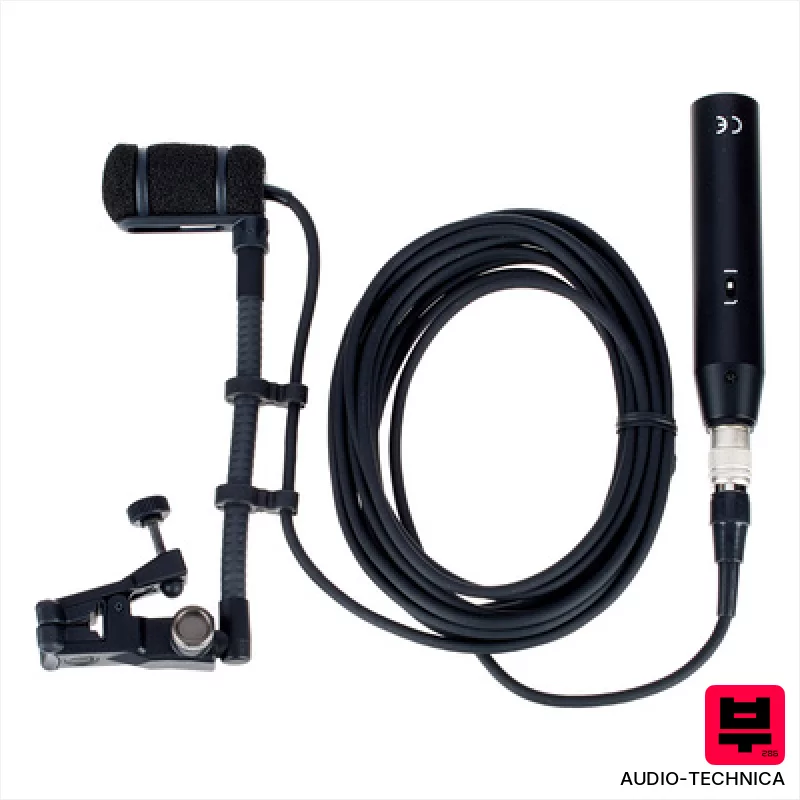
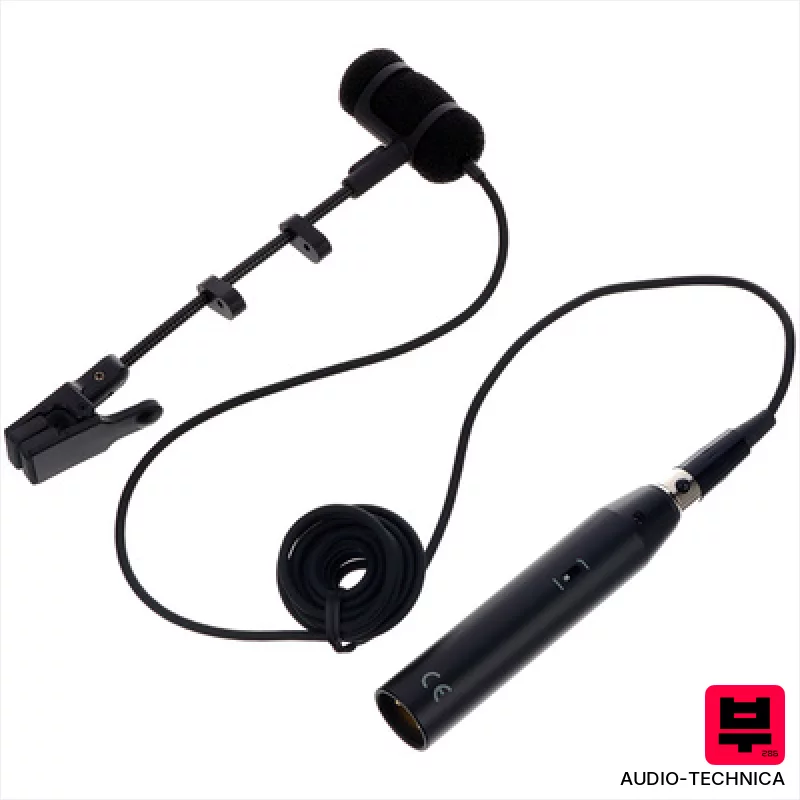

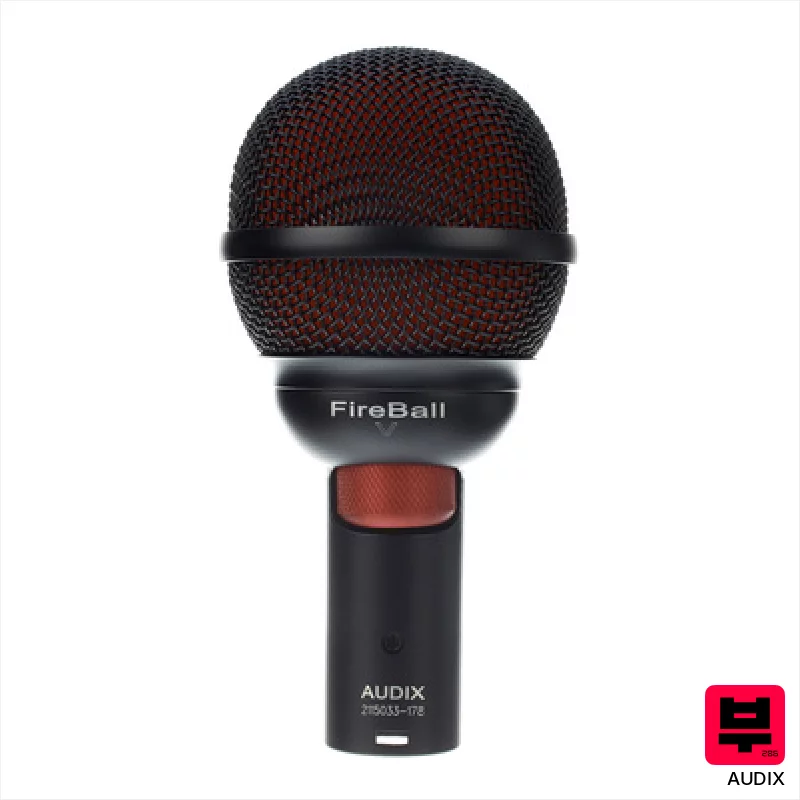
About Wind Instrument Microphones
Wind instrument microphones are specialized tools for capturing the nuanced sound of brass, woodwind, and reed instruments. They're vital for professional recordings, live performances, and broadcast applications, allowing for precise control over tone and clarity often unattainable with standard vocal microphones. Choosing the right microphone can dramatically improve the sonic representation of these instruments.
Best for
What to look for
Wind Instrument Microphones — pros & cons
- Provides focused, detailed capture of instrument-specific sonic characteristics.
- Allows for greater control over tone and minimizes unwanted room ambience.
- Enables close-miking techniques for increased volume and clarity on stage.
- Offers a wider range of sonic possibilities compared to traditional methods.
- Can be more complex to set up and position than standard microphones.
- Requires careful consideration of polar patterns to avoid feedback or unwanted sounds.
- Specialized nature limits versatility for other recording applications.
- Higher cost compared to general-purpose microphones.
Questions about Wind Instrument Microphones
What's the difference between a cardioid and omnidirectional microphone for wind instruments?
Cardioid mics reject sound from the rear, ideal for isolating the instrument. Omnidirectional mics capture more room sound, suitable for a more natural, blended tone.
How do I prevent excessive brass instrument 'popping' when close-miking?
Experiment with microphone placement, angling the mic slightly away from the instrument’s mouth, or using a pop filter specifically designed for wind instruments.
Why would I choose a dedicated wind instrument microphone over a vocal microphone?
Wind instruments produce unique frequencies and dynamics; dedicated mics are optimized for their specific characteristics, delivering a more accurate and detailed sound.