
Tubas
142 instruments available
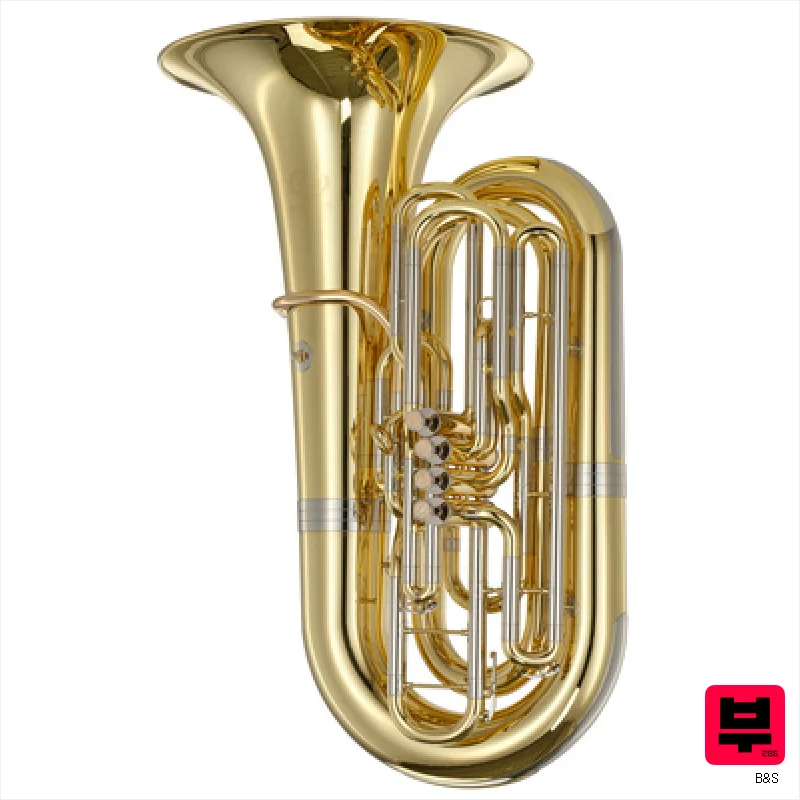
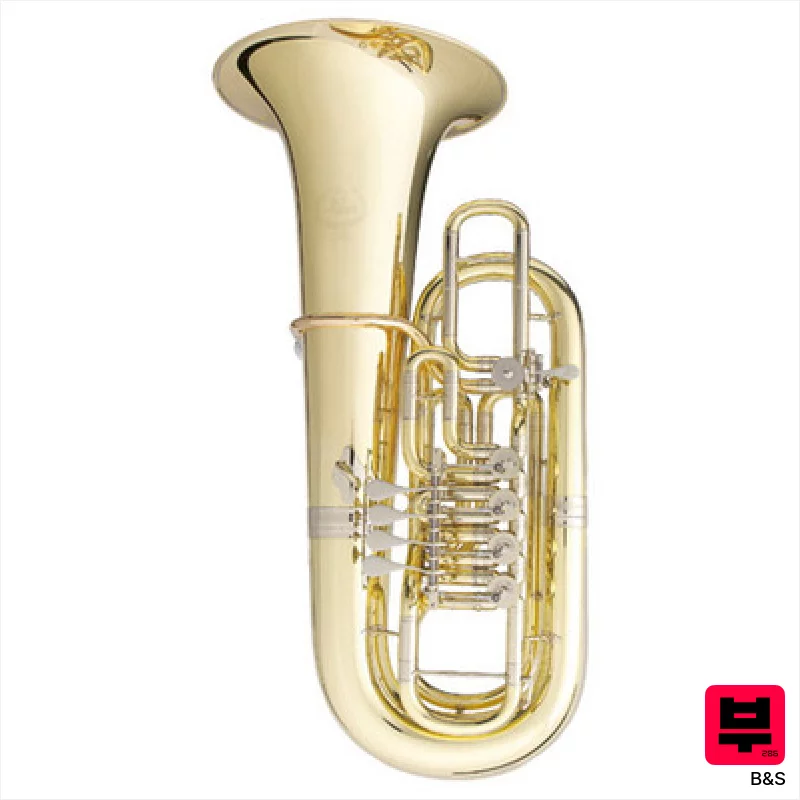
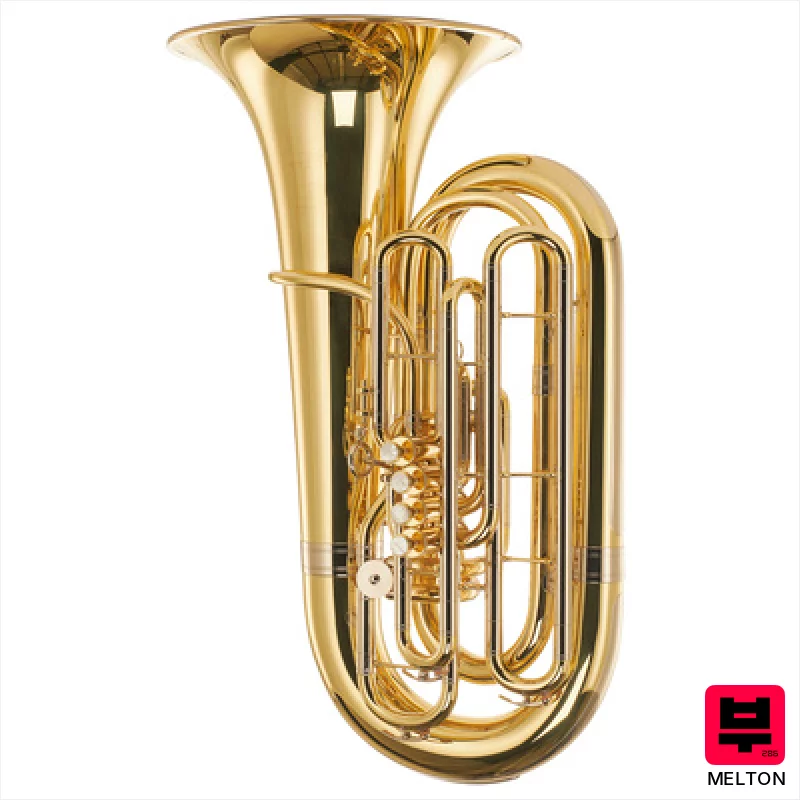

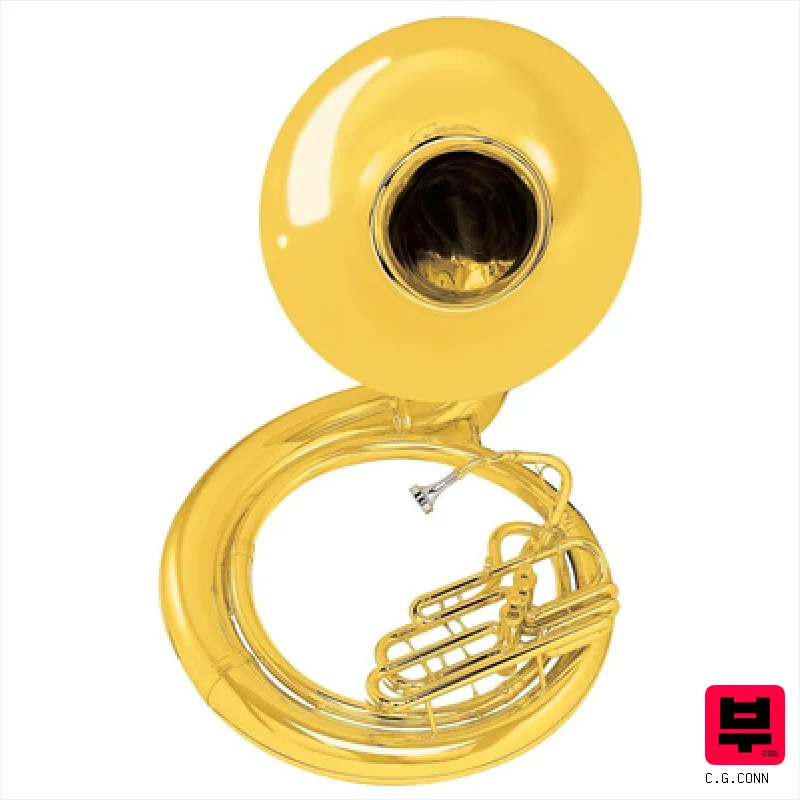
About Tubas
This category encompasses tubas, the lowest-voiced brass instruments, crucial for symphonic bands, orchestras, and brass ensembles. They provide the foundational bass lines and powerful harmonic support that defines these groups. Selecting the right tuba is a significant investment impacting tone, projection, and overall ensemble balance.
Tubas — Pros & Cons
PROS
- Provides a deep, resonant bass foundation for ensembles.
- Offers a wide dynamic range for expressive playing.
- Robust construction ensures durability and longevity.
- Significant tonal versatility depending on design and materials.
CONS
- Can be physically demanding to play and transport.
- Requires considerable breath support and embouchure control.
- Maintenance can be complex and require specialized knowledge.
- The size and weight limit portability and storage options.
Frequently Asked Questions About Tubas
Piston valves are generally easier to learn and maintain, while rotary valves are often favored for their smoother action and potentially more consistent intonation, though require more dexterity.
A larger bore generally produces a darker, more powerful tone, while a smaller bore tends to offer a brighter, more agile response – it's a balance of desired tonal qualities.
Bell material, such as brass or copper, significantly influences the tuba's projection, tone color, and overall resonance, each offering a unique sonic signature.

