
Sousaphones
5 instruments available
Shop Sousaphones 2026
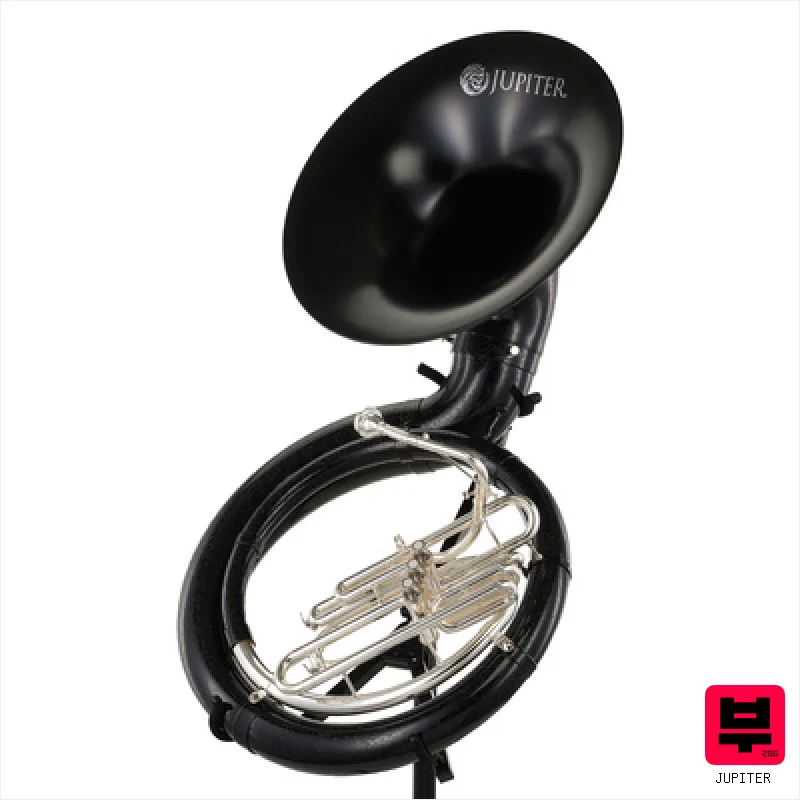
Jupiter JSP1000BSKB Bb-Sousaphone
Sousaphones
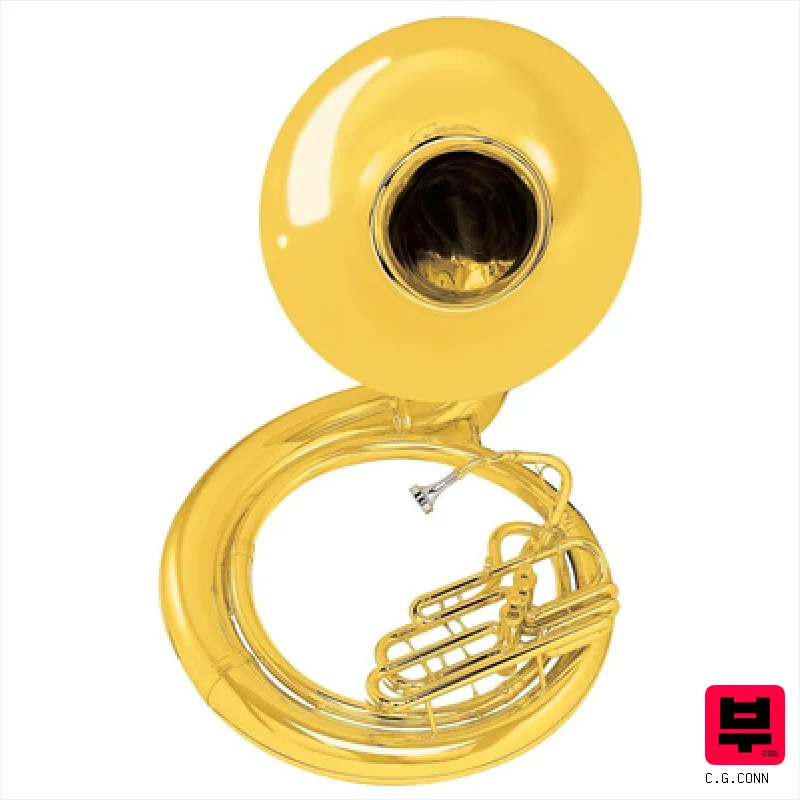
C.G.Conn 20 KW Bb-Sousaphone
Sousaphones

Jupiter JSP1000B Bb-Sousaphone
Sousaphones
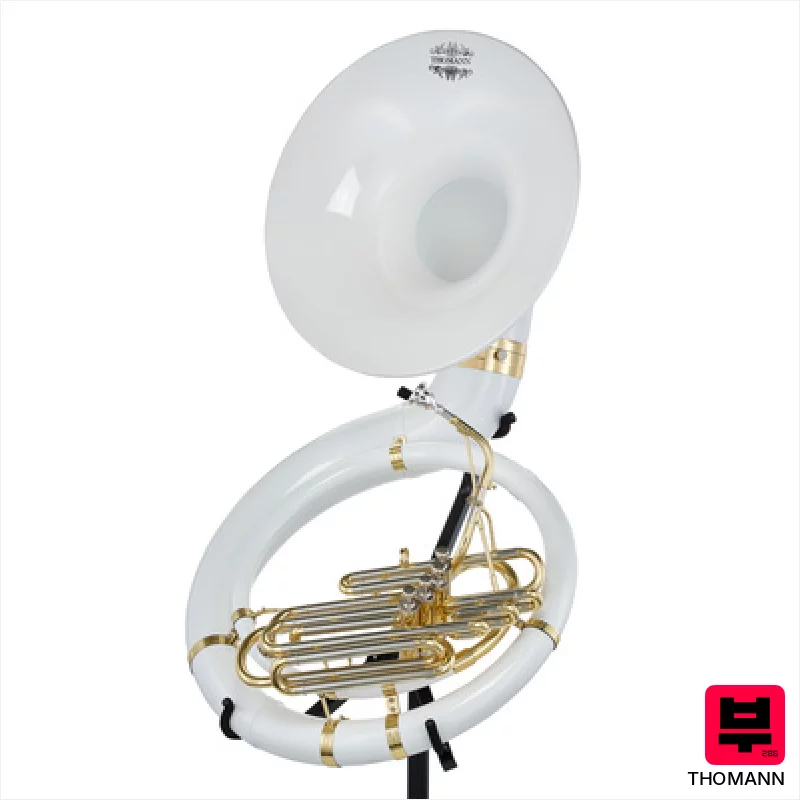
Thomann SHF-400 MKII Bb-Sousaphone
Sousaphones
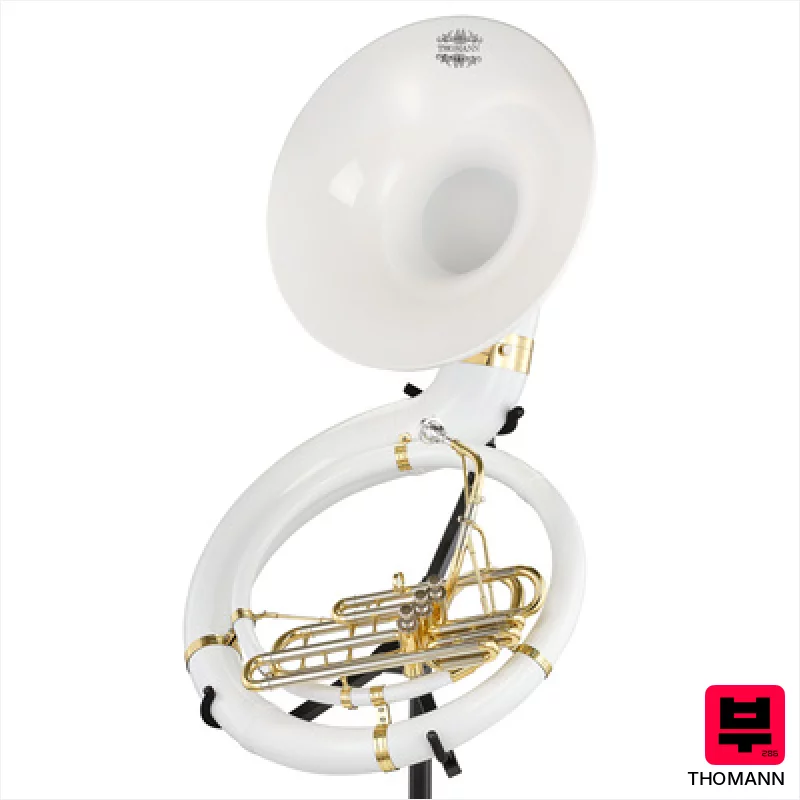
Thomann SHF-300 MKII Bb-Sousaphone
Sousaphones
About Sousaphones
Sousaphones are large, conical brass instruments played primarily in marching bands and some traditional ensembles. Their unique, spiraling design allows for a powerful, resonant sound while maintaining portability for field performance. Choosing the right sousaphone is crucial for achieving the desired tone and playability within a band setting.
Sousaphones — Pros & Cons
PROS
- Provides a powerful, projecting sound ideal for outdoor ensembles.
- The coiled design enhances portability compared to other tubas.
- Offers a unique, characterful tone distinct from other brass instruments.
- Allows for a relatively compact footprint despite its large size.
CONS
- Significant physical demands due to the instrument's size and weight.
- Can be challenging to transport and store due to bulkiness.
- Intonation can be sensitive to embouchure and air support.
- Requires a considerable amount of breath control and endurance.
Frequently Asked Questions About Sousaphones
While both are low brass instruments, sousaphones are specifically designed with a coiled, spiraling tubing configuration for marching applications, whereas tubas often have a more traditional, straight or folded design.
Generally, a 4-valve sousaphone provides a wider range and greater chromatic possibilities, but 3-valve models are often more common and easier to manage for beginners.
A larger bell typically produces a louder, more resonant tone with greater projection, while a smaller bell can offer a more focused and controlled sound.

