 AudioFu
Catalog
String Instruments
1126 instruments available · See the ranking
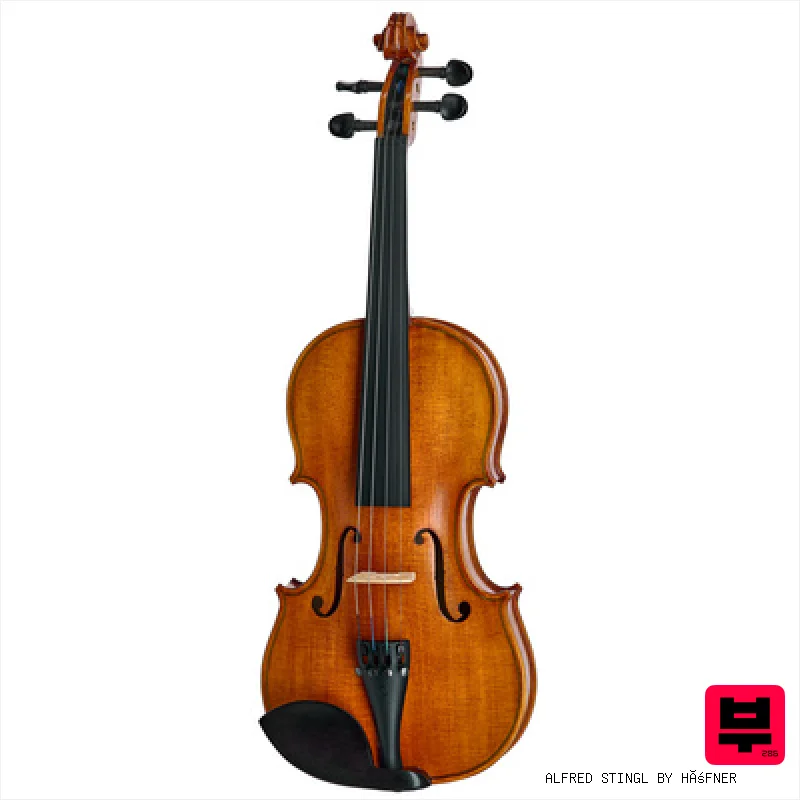
Acoustic Violins
247 items
Browse →
Child / Youth Violins
156 items
Browse →
Acoustic Violas
152 items
Browse →
Double Basses
147 items
Browse →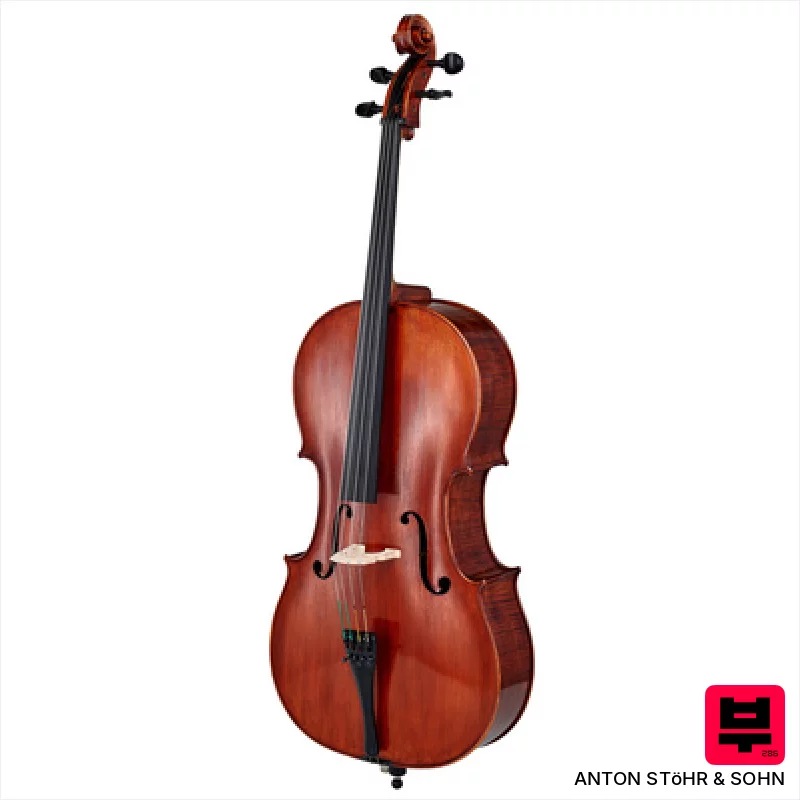
Acoustic Cellos
123 items
Browse →
Electric Violins and Violas
99 items
Browse →
Child / Youth Cellos
83 items
Browse →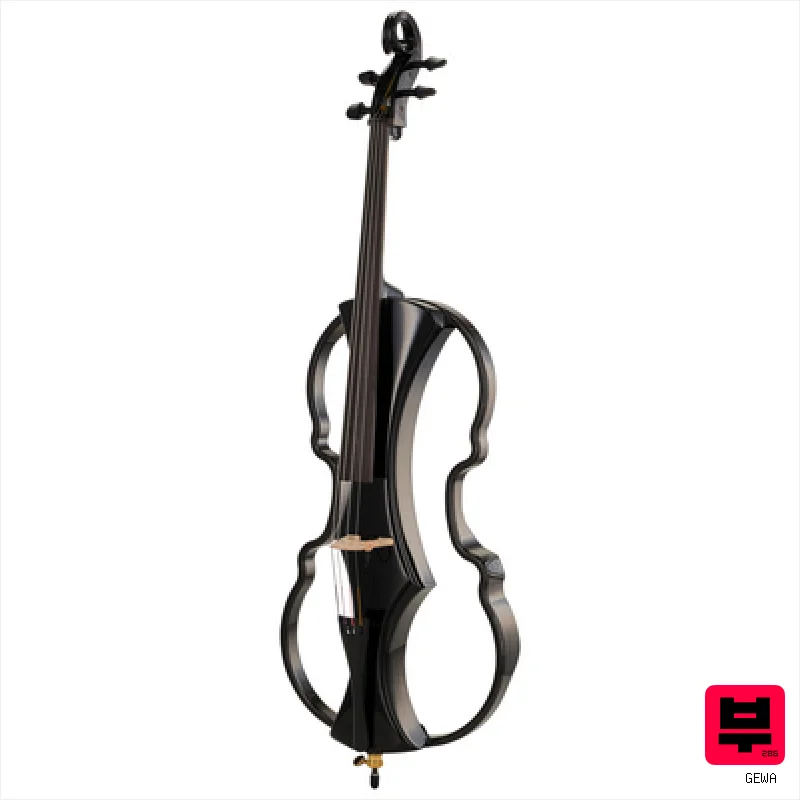
Electric Cellos
50 items
Browse →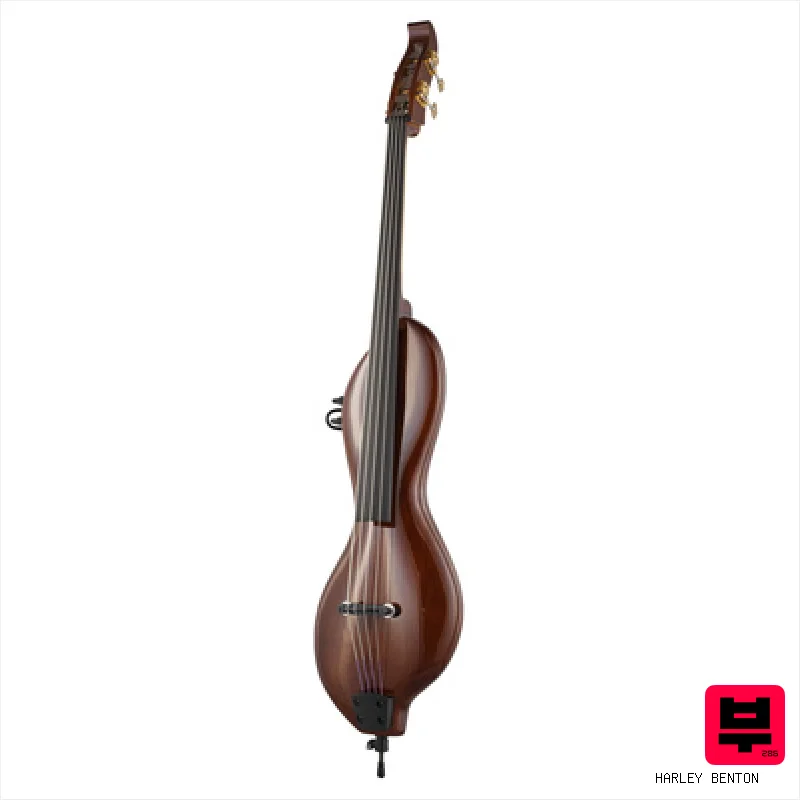
Electric Double Basses
45 items
Browse →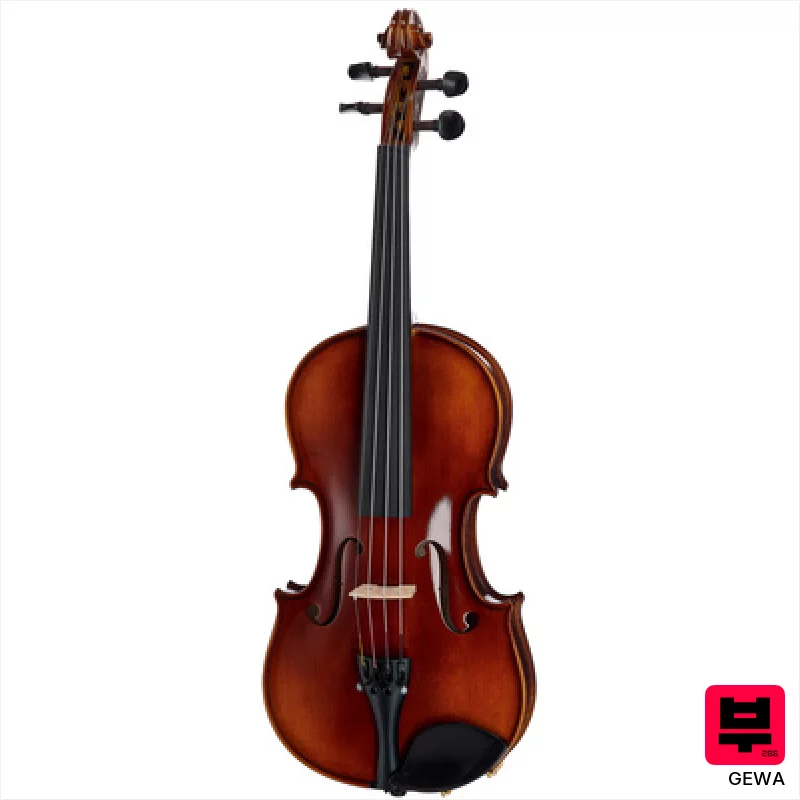
Lefthanded Violins
17 items
Browse →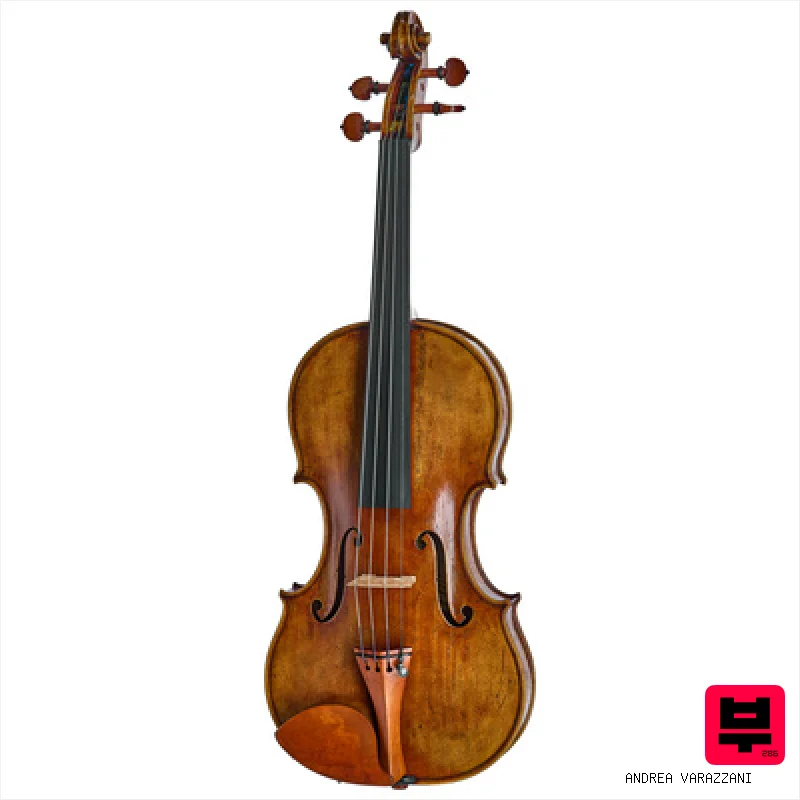
Master Class String Instruments
7 items
Browse →About String Instruments
This category encompasses a wide range of string instruments – cellos, violas, violins, double basses, and their electrified counterparts. They are essential for orchestral performance, chamber music, solo recitals, and increasingly, contemporary music genres. The nuances of tone, projection, and playability heavily influence musical expression and are vital for both student and professional musicians.
Best for
What to look for
String Instruments — pros & cons
- Offers a wide range of tonal colors and expressive possibilities.
- Can be incredibly versatile, adapting to diverse musical styles.
- Acoustic instruments provide a natural, resonant sound.
- Electric versions allow for amplification and effects processing.
- Can be expensive, requiring significant investment.
- Require regular maintenance and professional setup.
- Acoustic instruments can be susceptible to environmental changes.
- Electric instruments need amplification and potentially additional equipment.
Questions about String Instruments
What is the significance of 'varnish' on a string instrument?
Varnish protects the wood, influences the instrument’s tone, and contributes to its aesthetic appearance, often a key factor in perceived value.
How does the wood used affect the sound of an acoustic string instrument?
Different wood types (e.g., spruce, maple, ebony) have varying densities and stiffness, directly impacting the instrument’s resonance, warmth, and projection.
What are the considerations when choosing between an acoustic and electric string instrument?
Acoustic instruments offer natural resonance, while electric instruments provide amplification and the ability to utilize effects; consider your musical needs and performance environment.