 AudioFu
Catalog
Electric Double Basses
45 instruments available · See the ranking


About Electric Double Basses
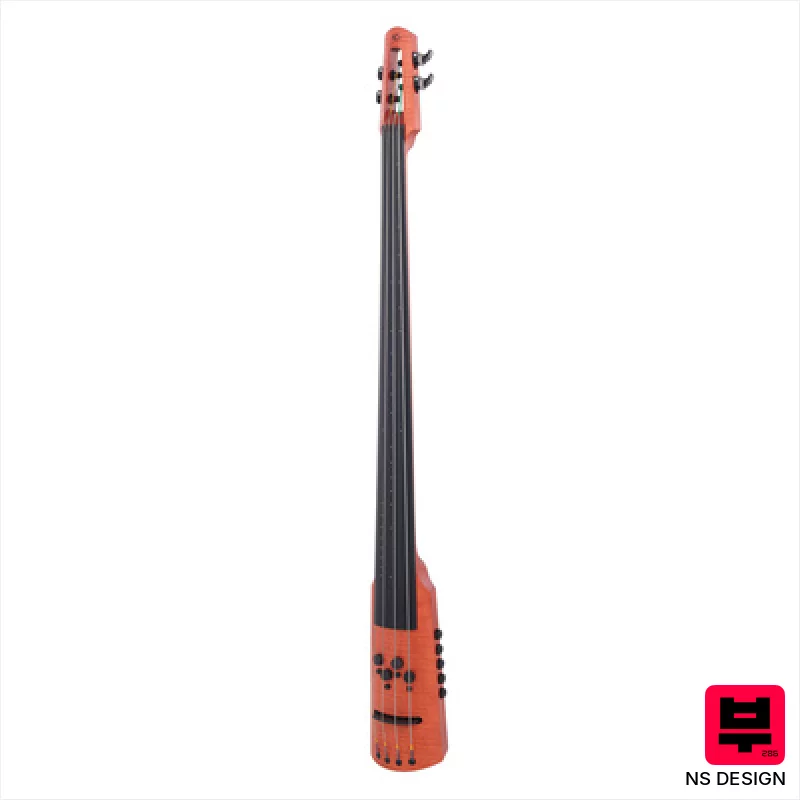
Electric double basses bridge the gap between acoustic upright basses and electric basses, offering amplified projection and versatility. They're favored by jazz, bluegrass, studio, and orchestral players needing a louder, more controlled sound. Unlike electric bass guitars, these instruments retain the full double bass tonal range and playing feel, crucial for authentic low-end reproduction.
Best for
What to look for
Electric Double Basses — pros & cons
- Offers amplified projection without sacrificing upright bass tone.
- Provides greater control over the instrument's sound through electronics.
- Versatile enough for a wide range of musical genres and recording environments.
- Allows for quieter practice without compromising the fundamental sound.
- Can be more complex to set up and maintain than electric bass guitars.
- Generally heavier and less portable than electric bass guitars.
- Achieving a truly acoustic-like tone can be challenging when amplified.
- May require specialized amplification and EQ settings.
Questions about Electric Double Basses
What's the difference between an electric upright bass and a double bass guitar?
An electric upright bass retains the full scale length and tonal range of a traditional double bass, while a double bass guitar is shorter and tuned an octave lower.
Do I need a preamp for an electric double bass?
While some models have built-in preamps, an external preamp can offer greater control over EQ and output level, especially for live performance.
What kind of strings are best for an electric double bass?
String choice greatly affects tone; consider steel strings for brighter sound, or synthetic core strings for a more traditional upright bass feel.