
Piccolo Flutes
26 instruments available
Shop Piccolo Flutes 2026
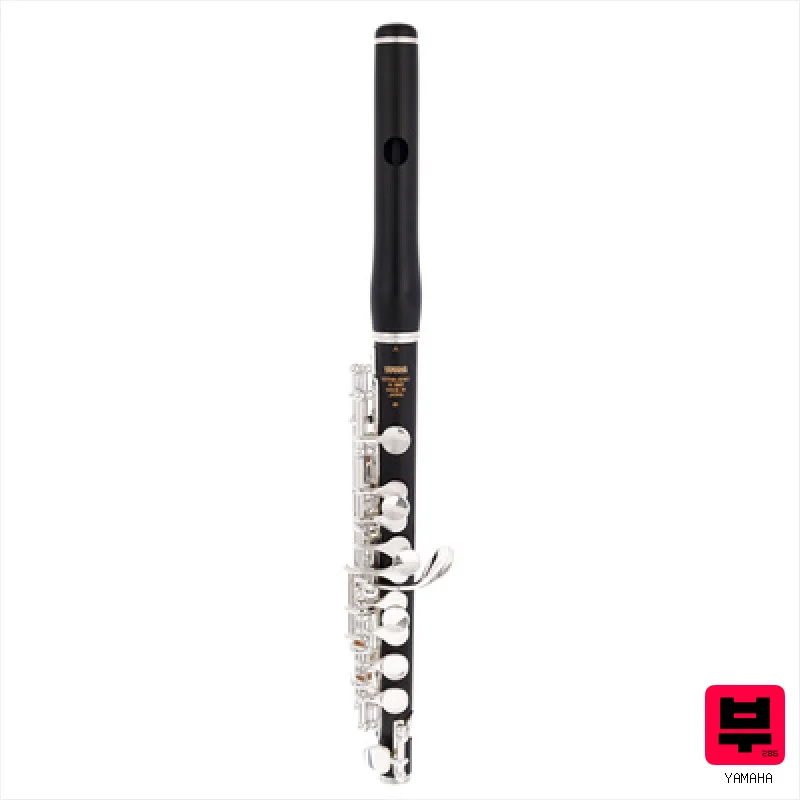
Yamaha YPC-81 Piccolo
Piccolo Flutes
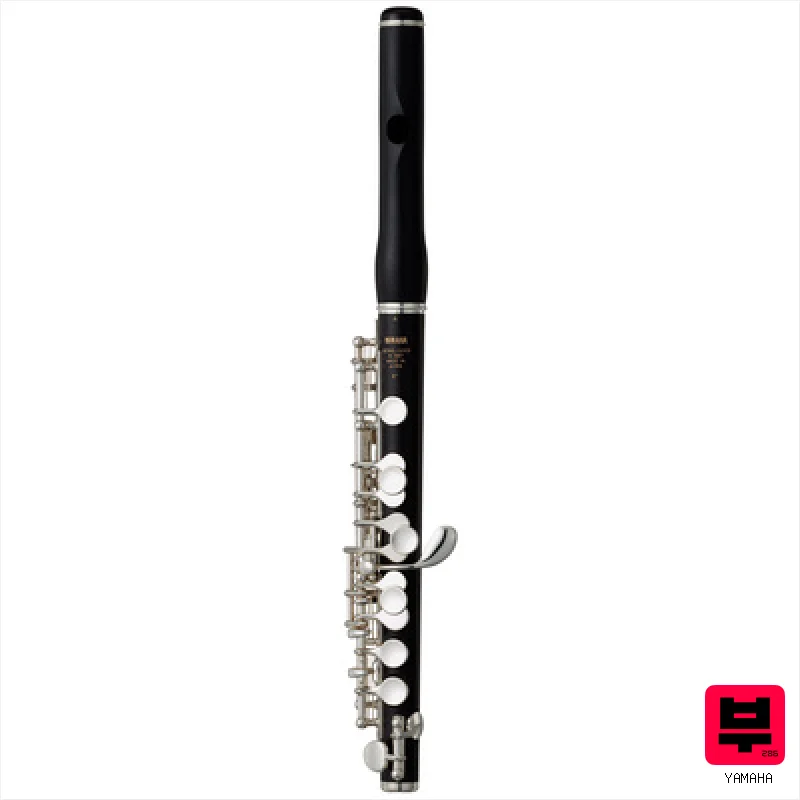
Yamaha YPC-87R Piccolo
Piccolo Flutes
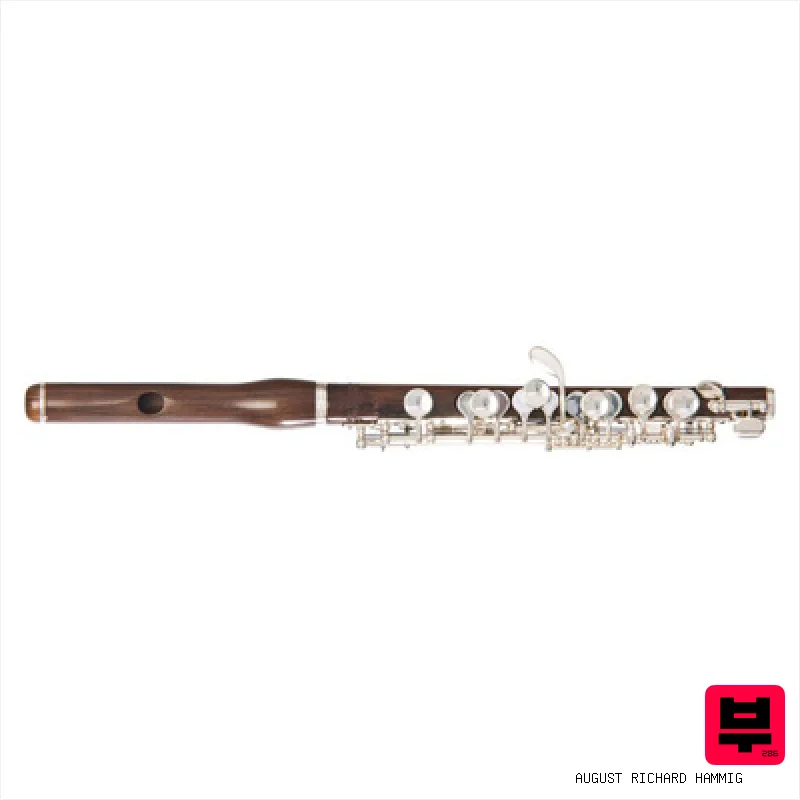
August Richard Hammig 40115/3 Piccolo Flute
Piccolo Flutes
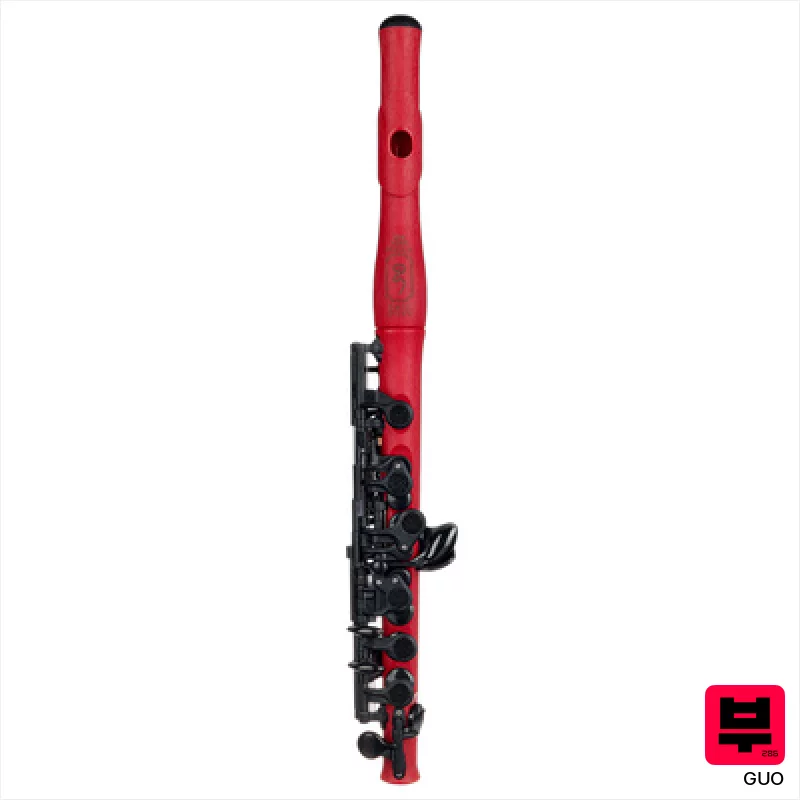
Guo New Voice Piccolo Flute Cherry
Piccolo Flutes
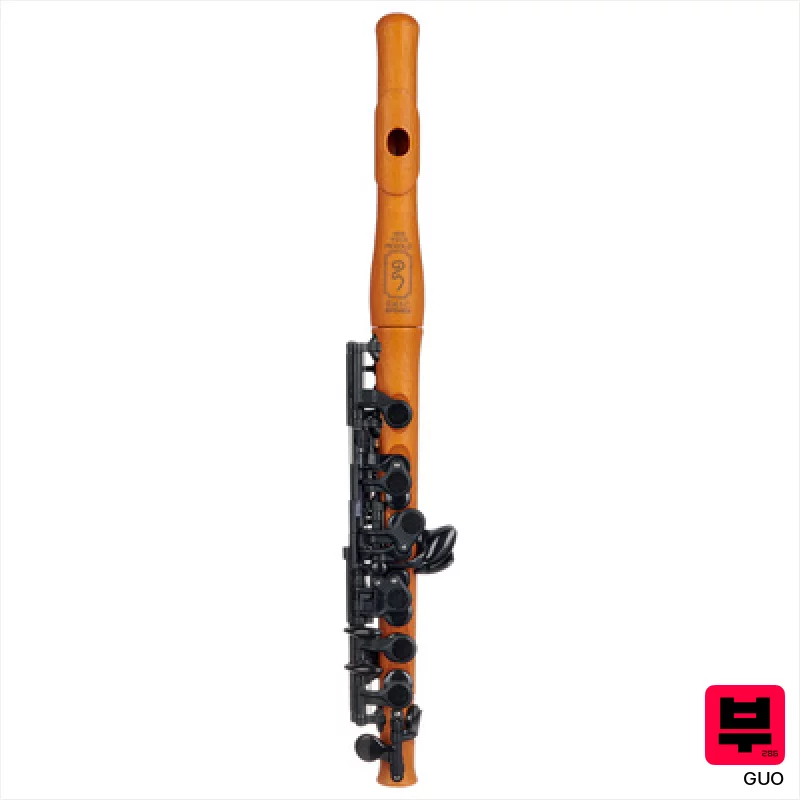
Guo New Voice Piccolo Flute Brown
Piccolo Flutes
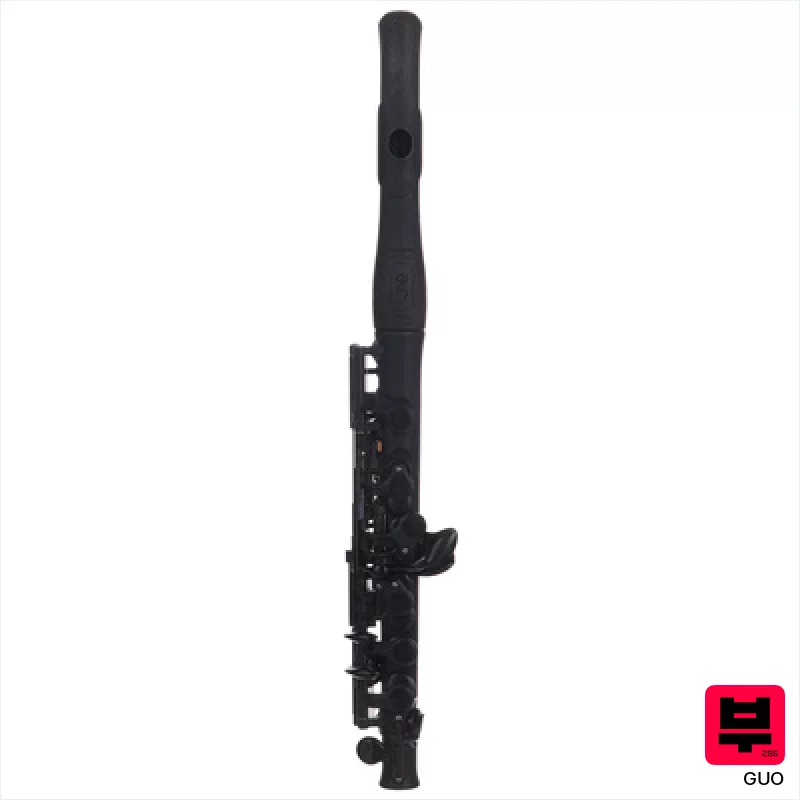
Guo Grenaditte Piccolo Flute
Piccolo Flutes
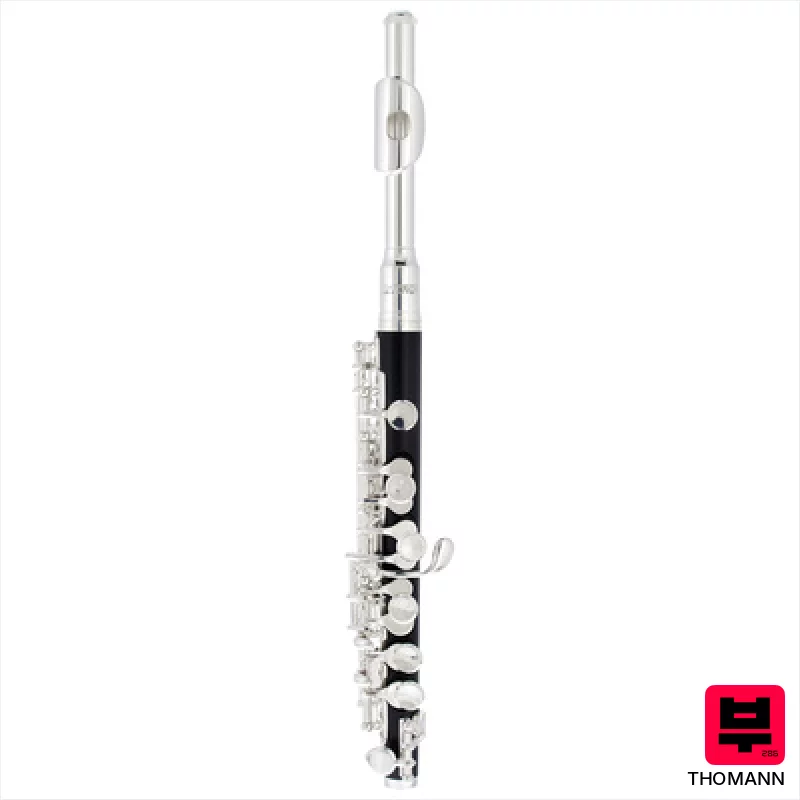
Thomann PFL-400 Piccolo Flute Syntheti
Piccolo Flutes
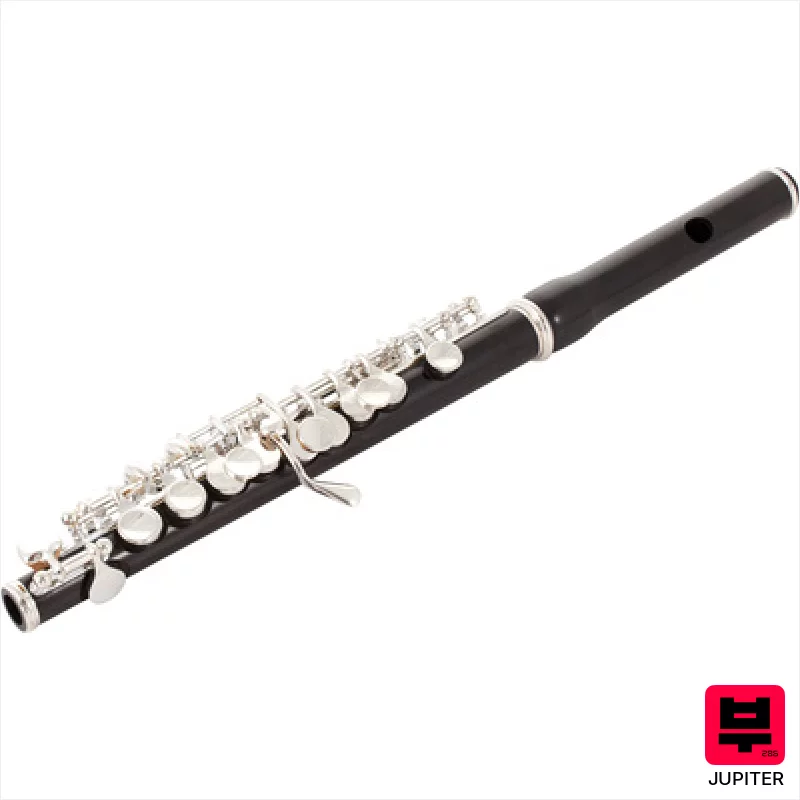
Jupiter JPC1100E Piccolo Flute
Piccolo Flutes

Yamaha YPC-62R Piccolo
Piccolo Flutes
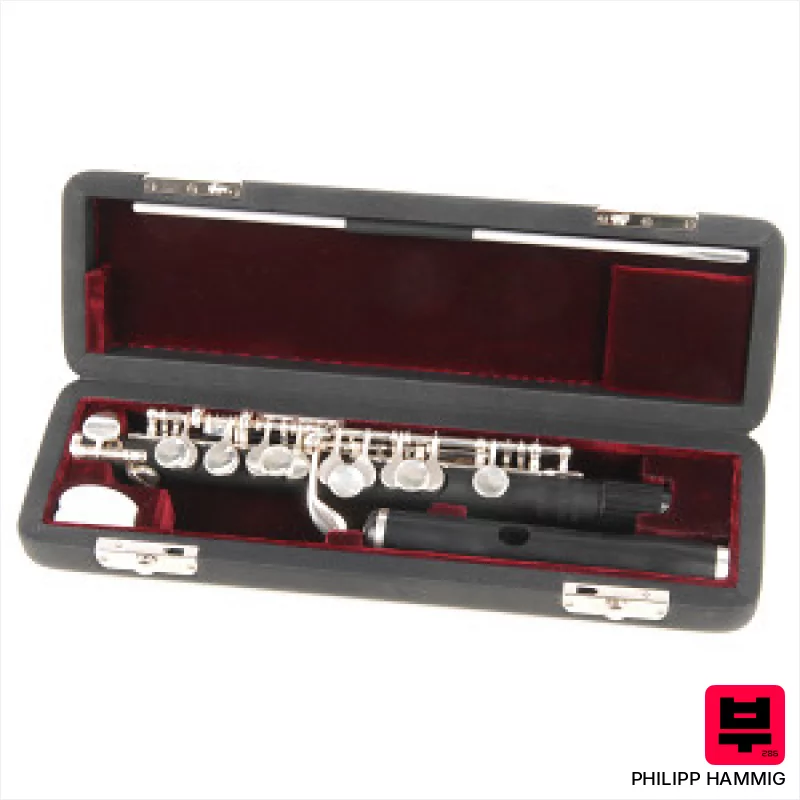
Philipp Hammig 650/3 R Piccolo Flute
Piccolo Flutes

Pearl Flutes PFP-105E Piccolo Flute
Piccolo Flutes
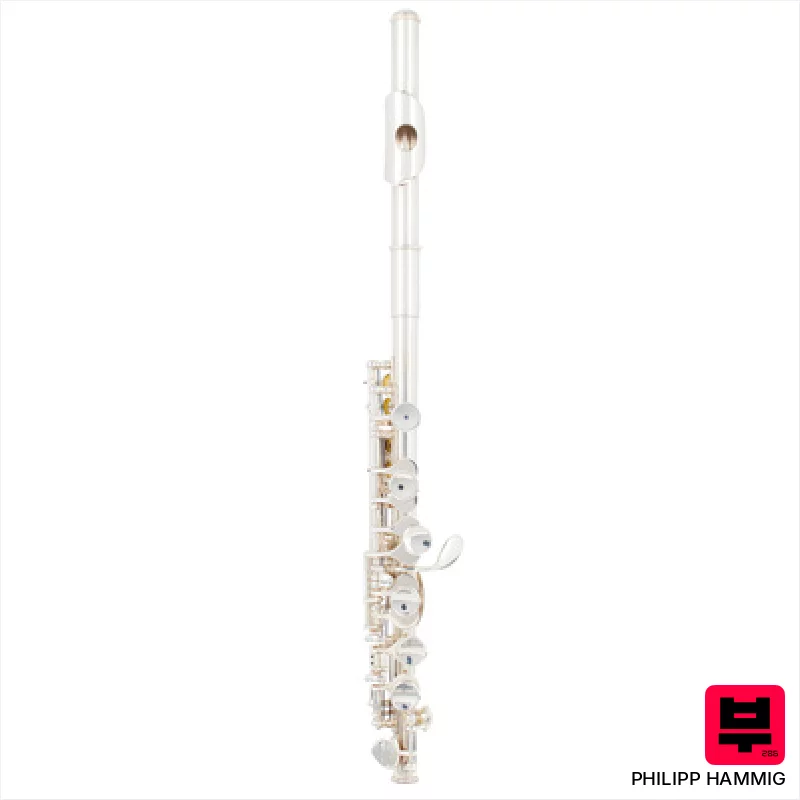
Philipp Hammig 650/10 Piccolo Flute
Piccolo Flutes
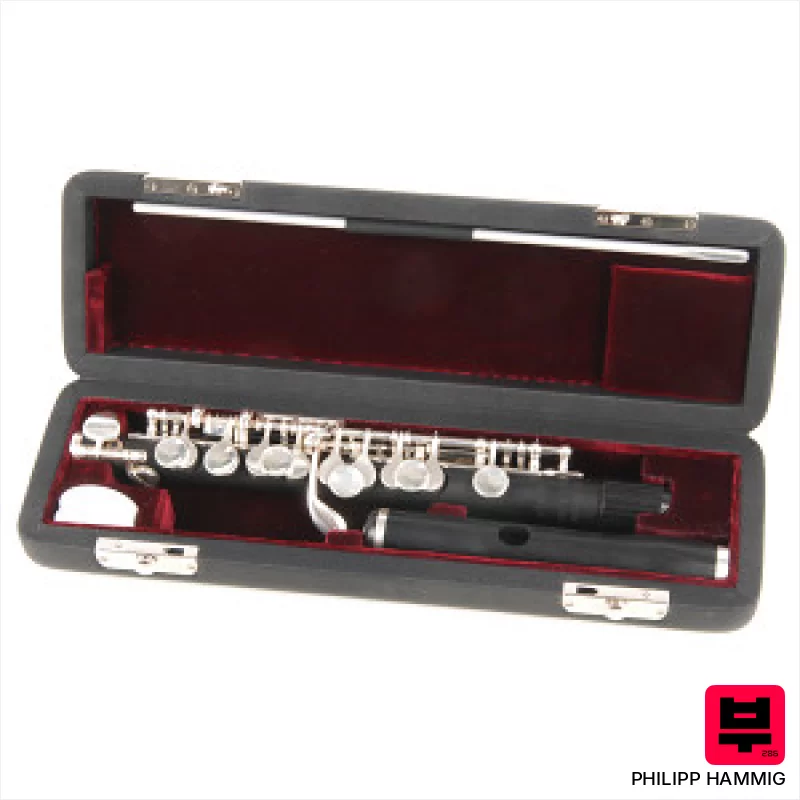
Philipp Hammig 650/4 Piccolo Flute
Piccolo Flutes
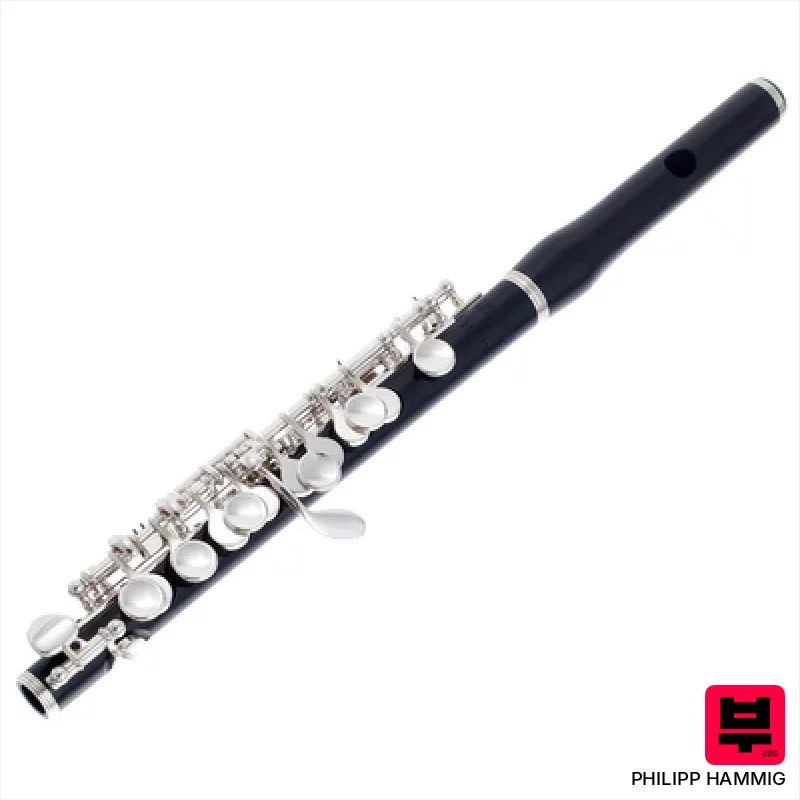
Philipp Hammig 650/3 Piccolo Flute
Piccolo Flutes
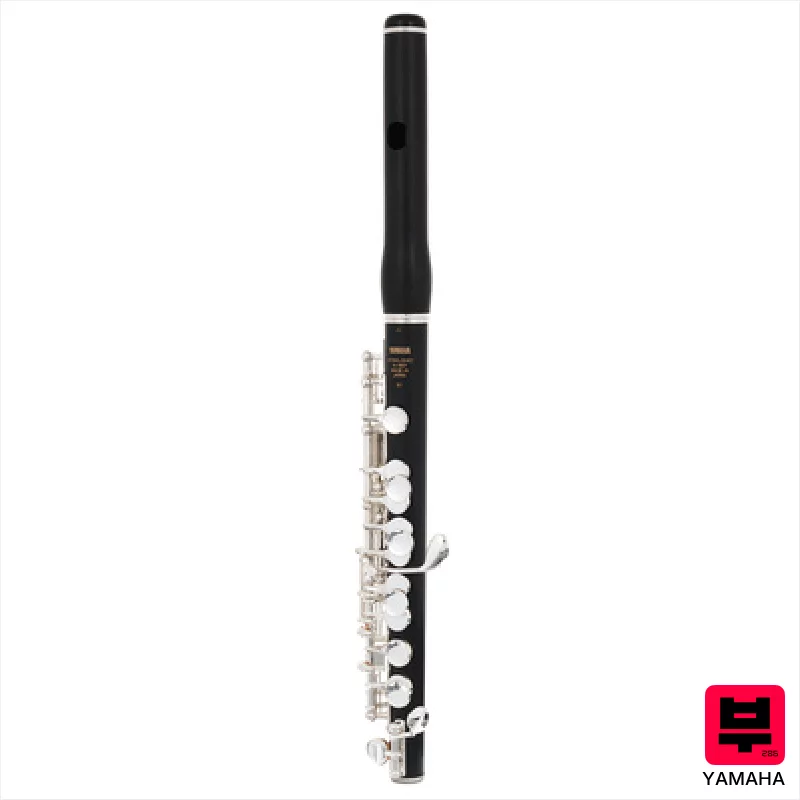
Yamaha YPC-91 Piccolo
Piccolo Flutes

Thomann PFL-200 Piccolo Flute
Piccolo Flutes
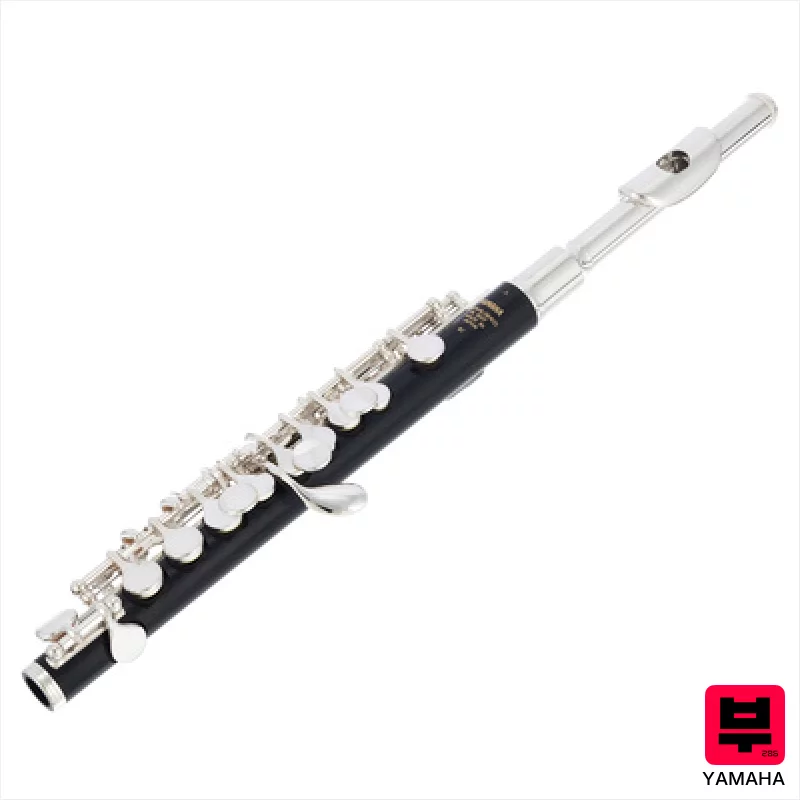
Yamaha YPC-62 M Piccolo
Piccolo Flutes
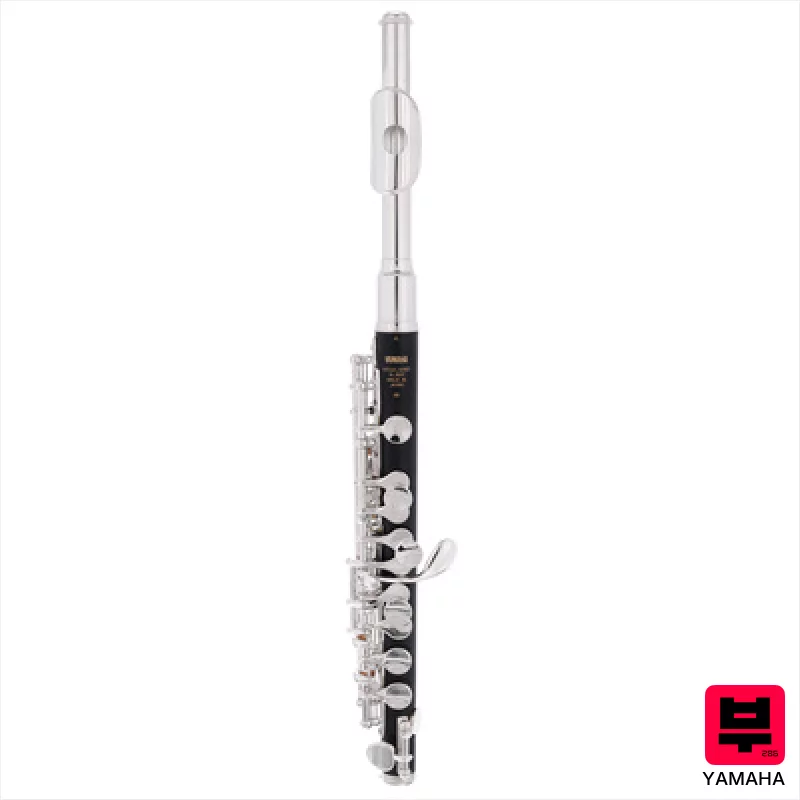
Yamaha YPC-82 Piccolo
Piccolo Flutes
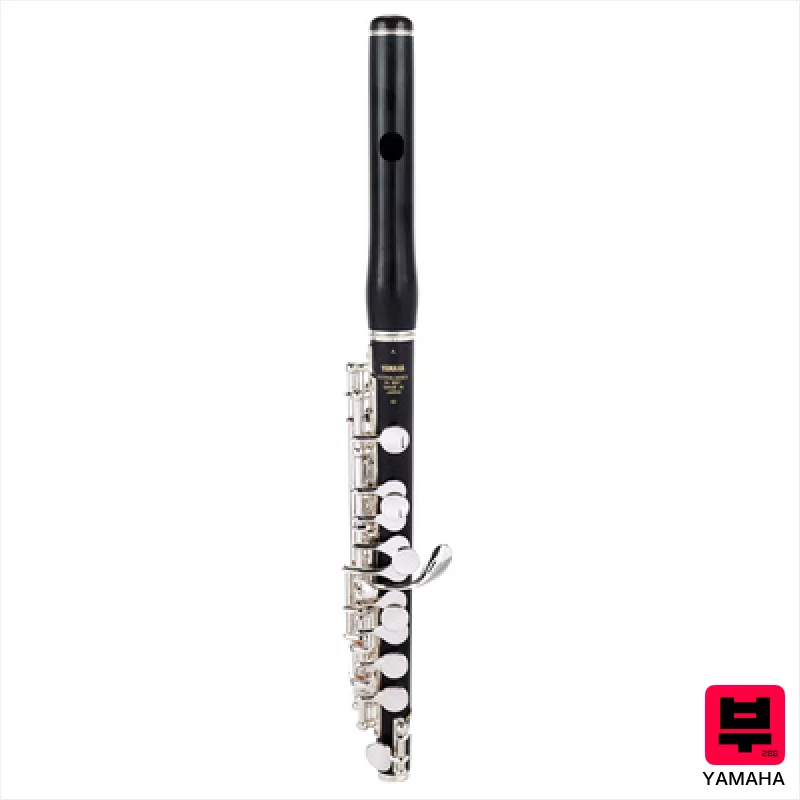
Yamaha YPC-62 Piccolo
Piccolo Flutes

Startone SPF-100 Piccolo Flute
Piccolo Flutes
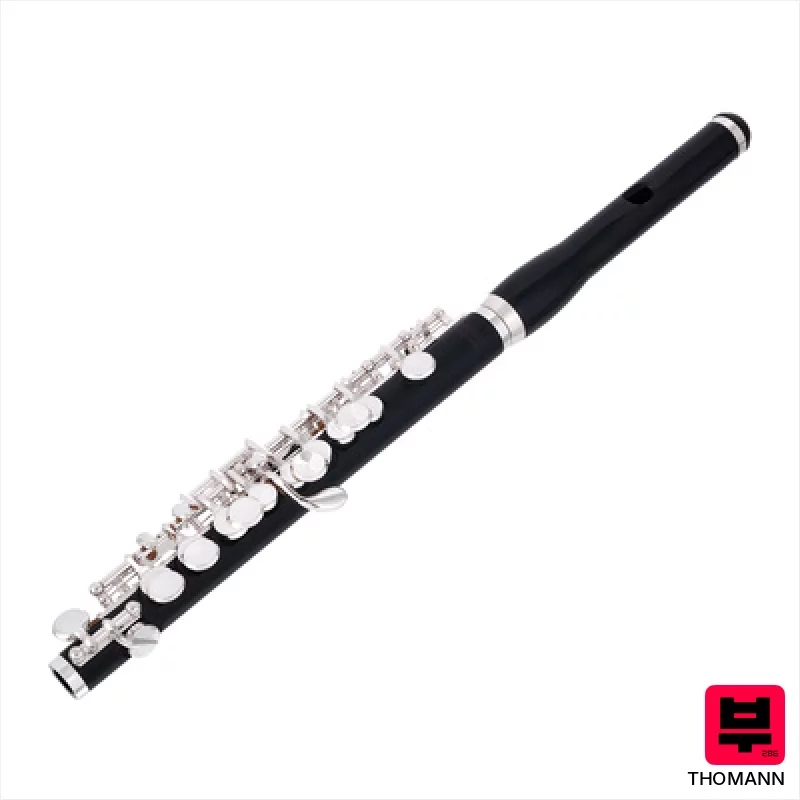
Thomann PFL-400H Piccolo Flute Synthet
Piccolo Flutes

Pearl Flutes PFP-105ES Piccolo Flöte
Piccolo Flutes
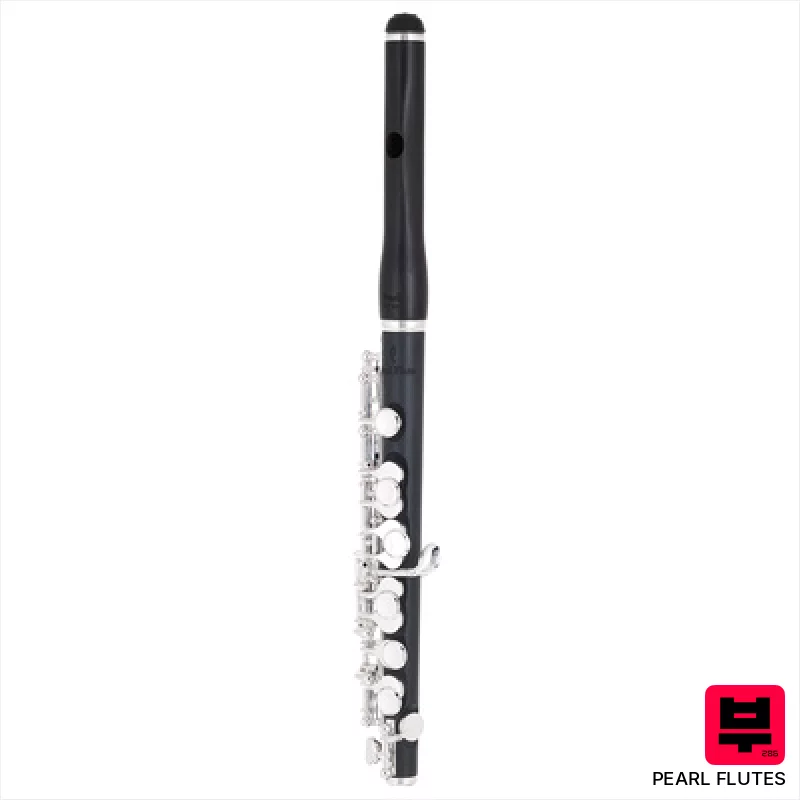
Pearl Flutes PFP-165E Piccolo Flute
Piccolo Flutes
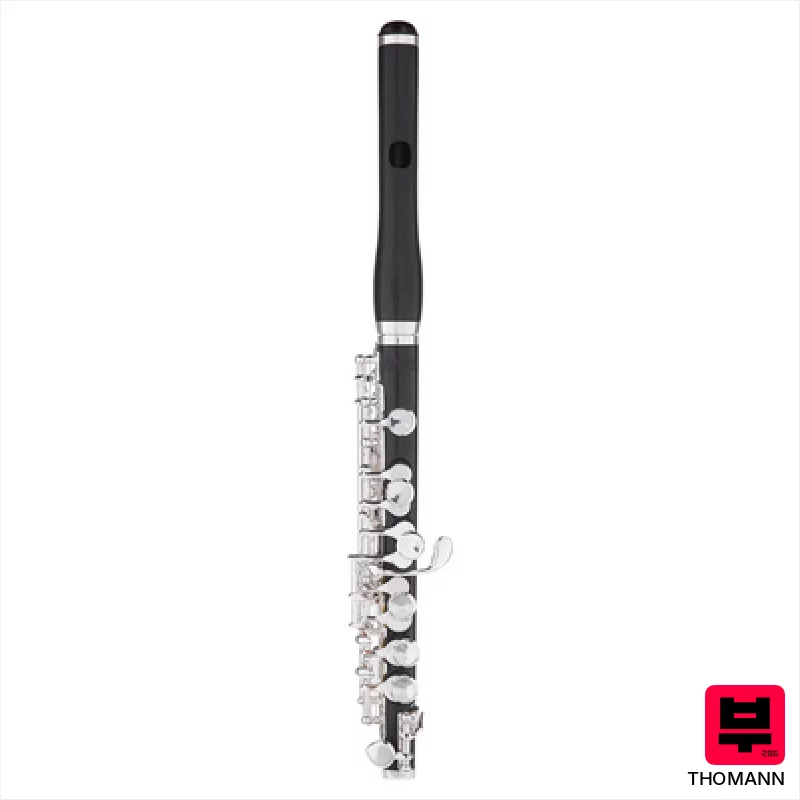
Thomann PFL-600H Piccolo Flute
Piccolo Flutes
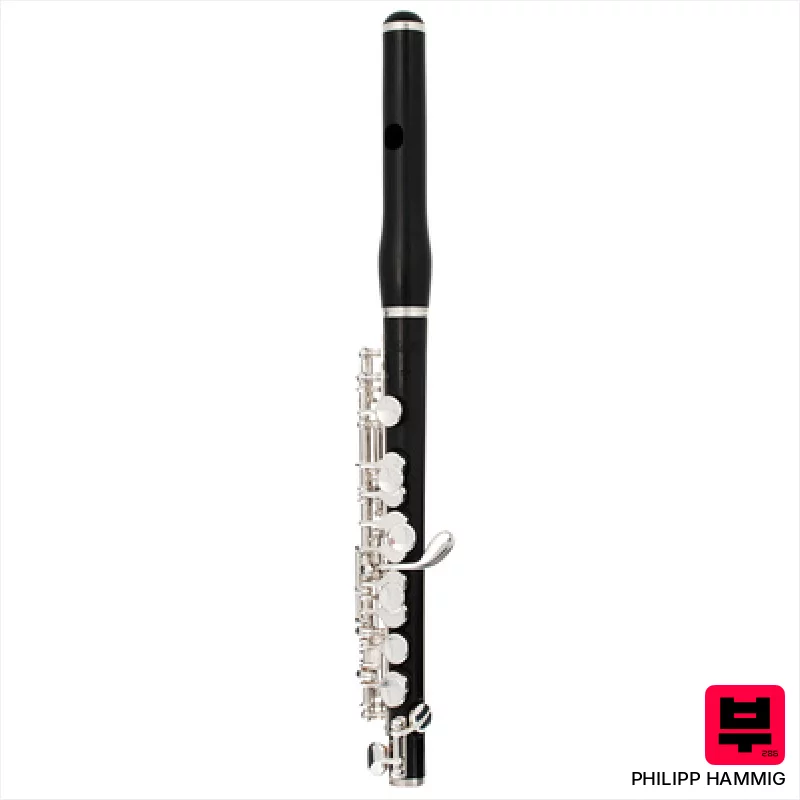
Philipp Hammig 650/2 Piccolo Flute
Piccolo Flutes
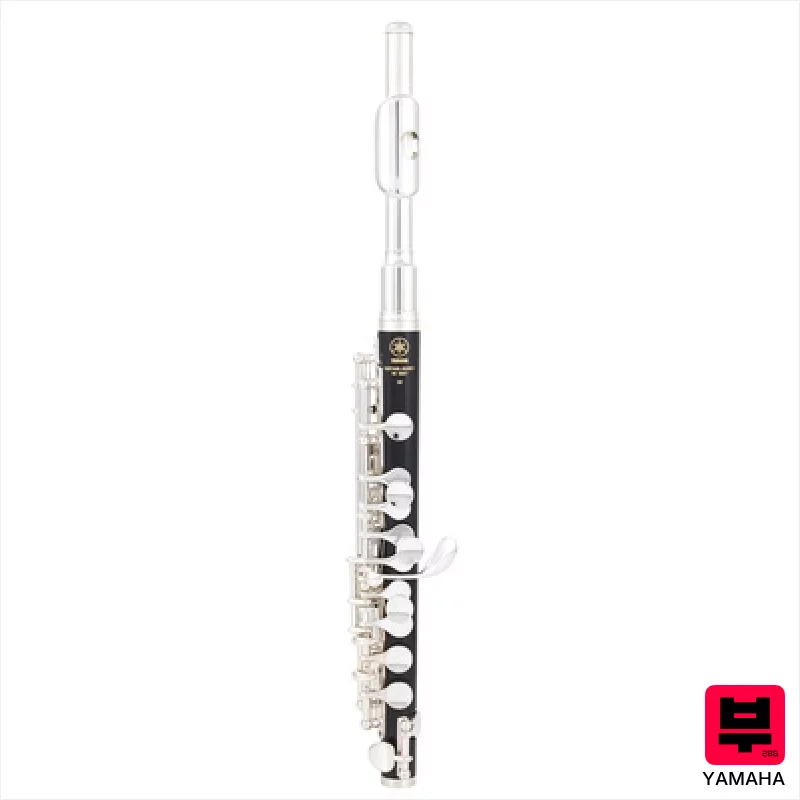
Yamaha YPC-32 Piccolo
Piccolo Flutes
About Piccolo Flutes
Piccolo flutes are the smallest members of the flute family, producing a piercingly bright and high-pitched sound. Primarily used in orchestral, band, and solo settings, they require exceptional breath control and precise intonation. The piccolo's unique timbre adds brilliance and color to ensembles and solo performances, often doubling the flute's range an octave higher.
Piccolo Flutes — Pros & Cons
PROS
- Exceptional projection and clarity for solo and ensemble work
- Compact size and portability compared to standard flutes
- Unique tonal color adds brilliance to musical textures
- Responsive and agile, allowing for rapid passages
- Versatile, suitable for a wide range of musical styles
CONS
- Demanding breath control and precise embouchure required
- Intonation can be challenging and requires careful adjustment
- Smaller size can make it less forgiving of technique flaws
- Higher register can be fatiguing for some players
- Can be easily overwhelmed by louder instruments in an ensemble
Frequently Asked Questions About Piccolo Flutes
A 'c' piccolo is pitched in C, like a standard flute, while a 'd' piccolo is pitched in D, a half-step higher, requiring adjustments to transposition.
Wood piccolos often offer a warmer, more complex tone, while metal piccolos tend to be brighter and more projecting, each appealing to different playing styles and preferences.
The headjoint's bore and embouchure hole shape significantly influence the piccolo’s tone, response, and intonation, affecting its overall projection and character.

