
Flutes
225 instruments available
About Flutes
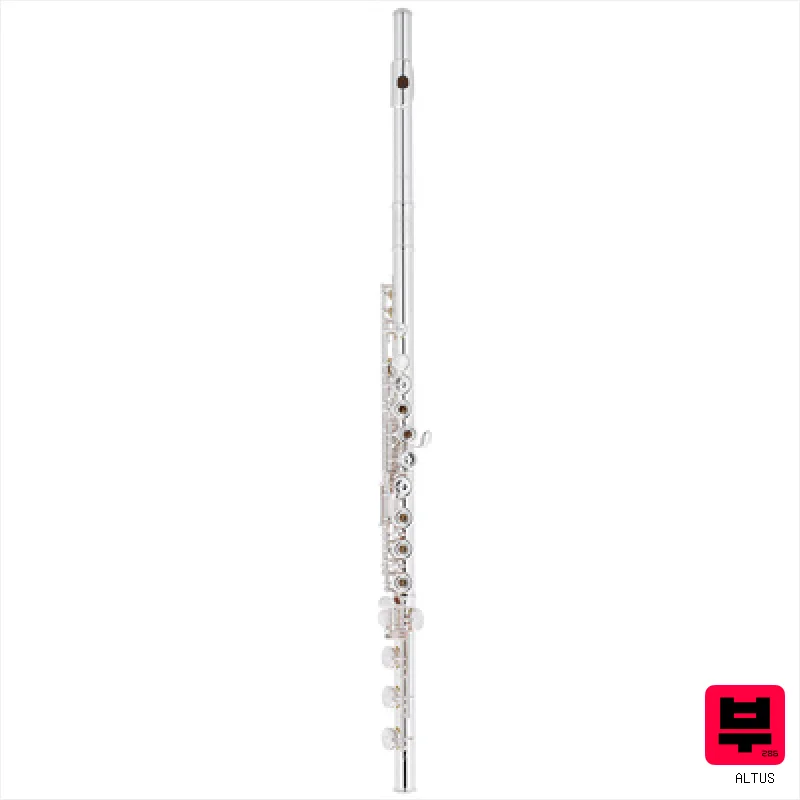
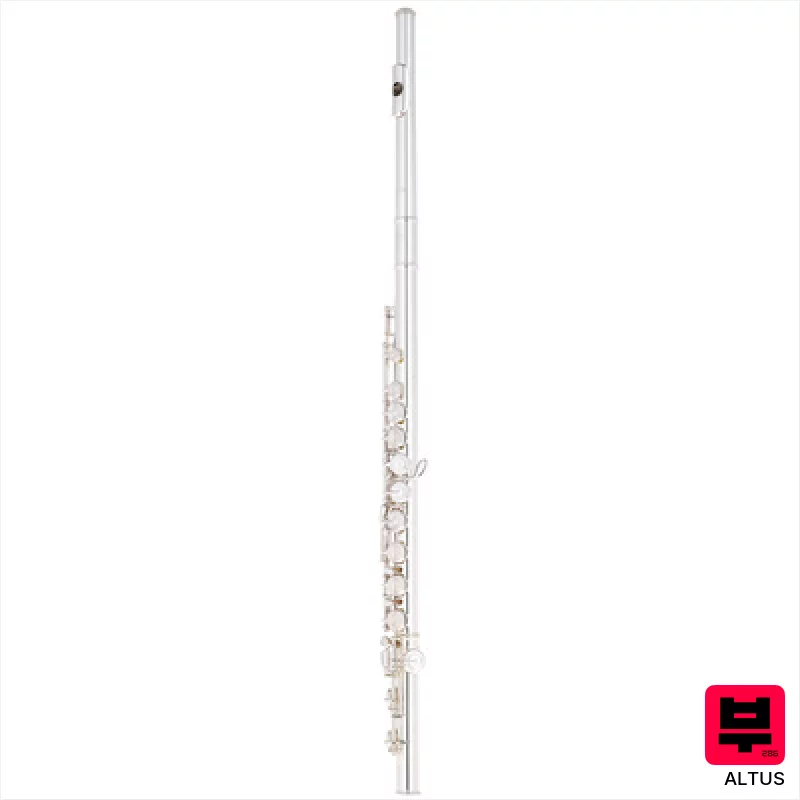
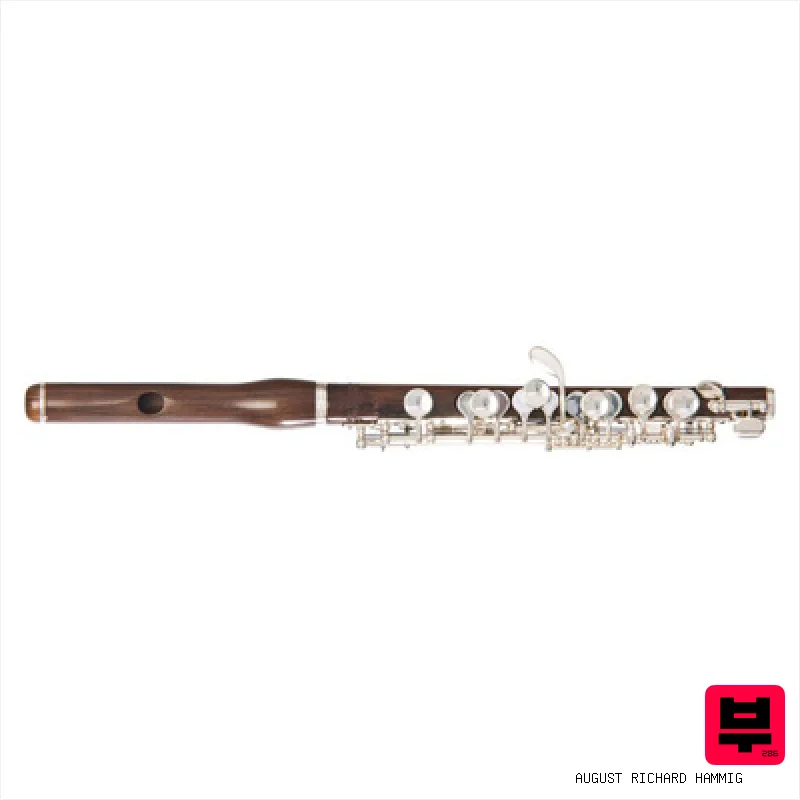
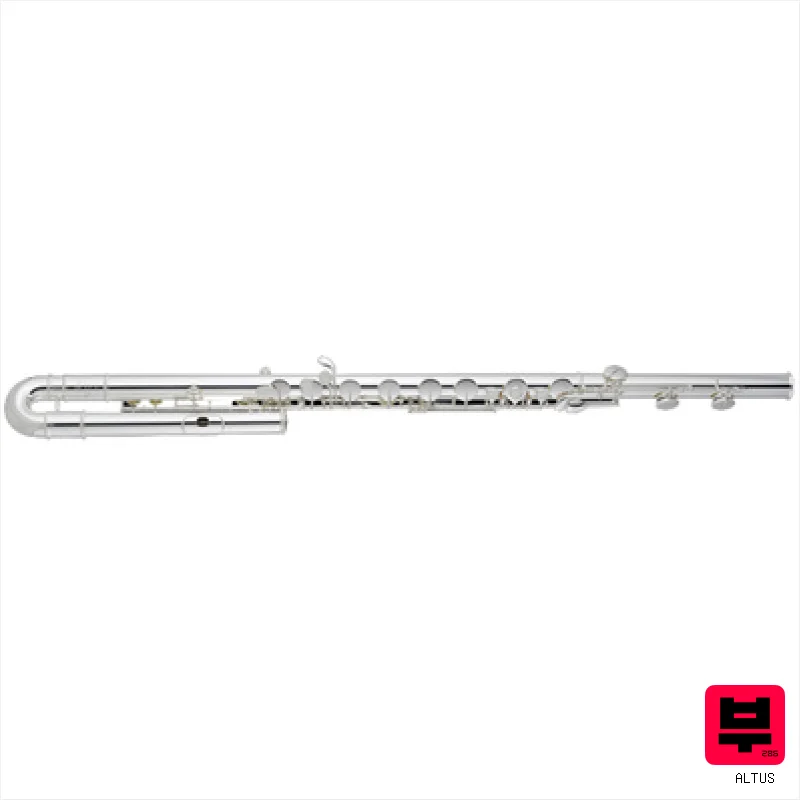
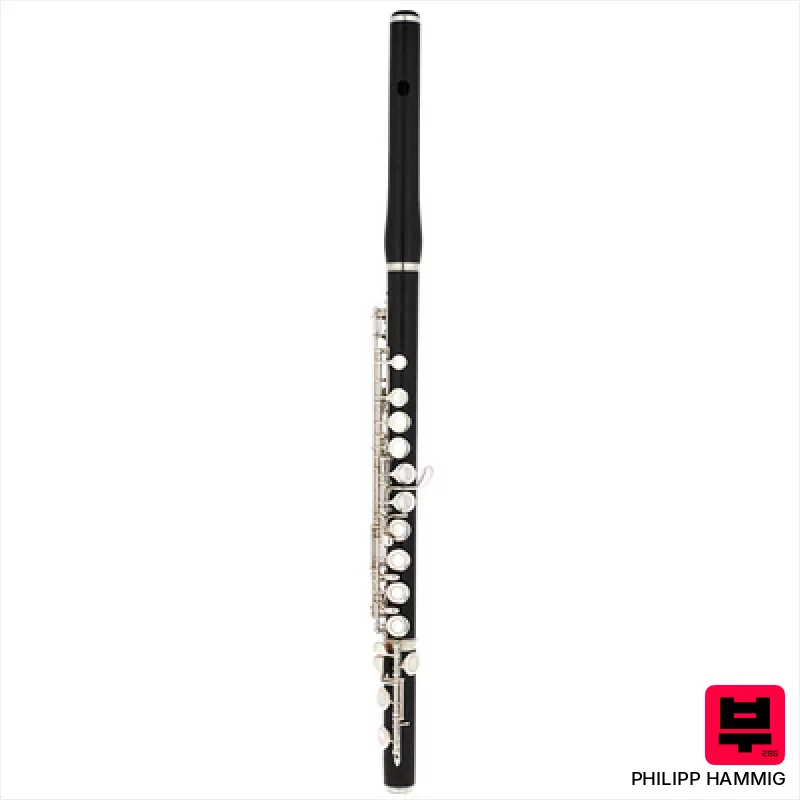
This category encompasses a wide range of flutes, from student models to professional concert instruments. Primarily used by orchestral musicians, soloists, and music students, a flute's quality directly impacts tone, intonation, and playability – all crucial for musical expression. The materials, keywork, and headjoint design significantly influence the overall performance and feel.
Flutes — Pros & Cons
PROS
- Offers a wide range of tonal colors and expressive possibilities.
- Highly versatile instrument suitable for diverse musical genres.
- Keywork design can significantly improve playing efficiency.
- Allows for nuanced dynamic control and subtle phrasing.
CONS
- Can be sensitive to embouchure and breath control.
- Requires consistent maintenance to prevent corrosion and sticking keys.
- Professional models often demand a significant investment.
- Intonation can be challenging to master across the entire range.
Frequently Asked Questions About Flutes
Open-hole flutes offer greater tonal flexibility and blending capabilities, but require more advanced technique. Closed-hole flutes are more forgiving for beginners and offer a more focused tone.
Silver flutes generally offer a bright, clear tone, while gold flutes produce a warmer, richer sound. The material also impacts the instrument's projection and response.
The headjoint is the primary tone-producing element; its bore and embouchure hole shape heavily influence the flute’s overall tone quality, projection, and response characteristics.

