
Modular all-in-one systems
12 instruments available
Shop Modular all-in-one systems 2026
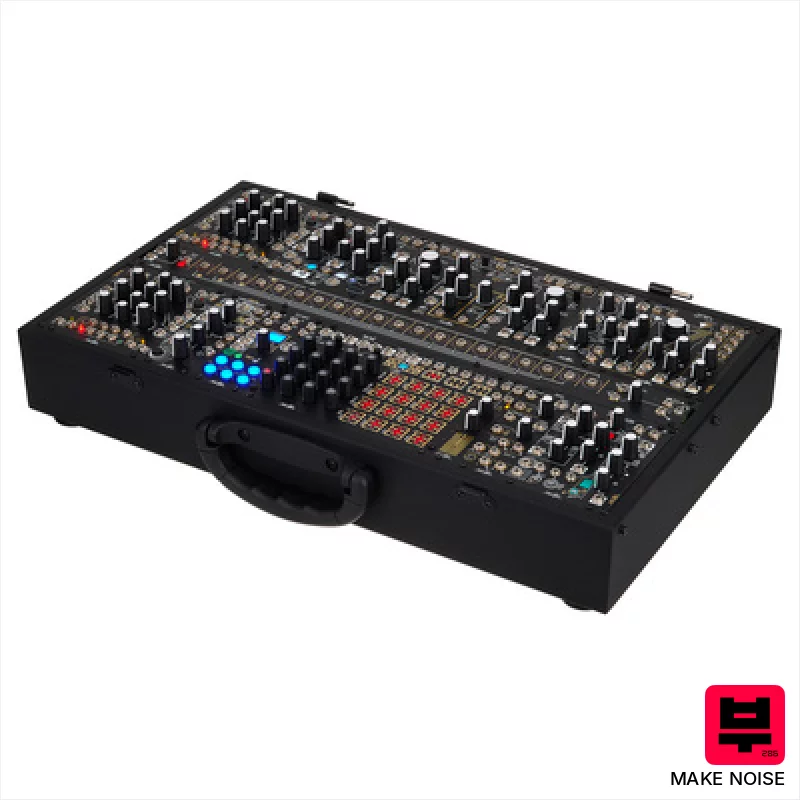
Make Noise ReSynthesizer
Modular all-in-one systems
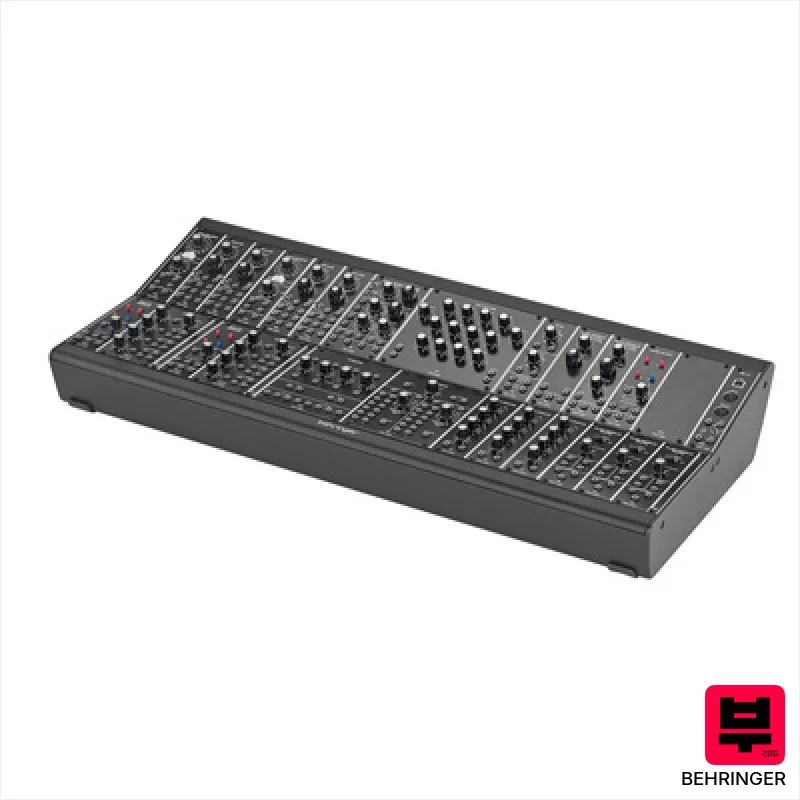
Behringer System 35
Modular all-in-one systems
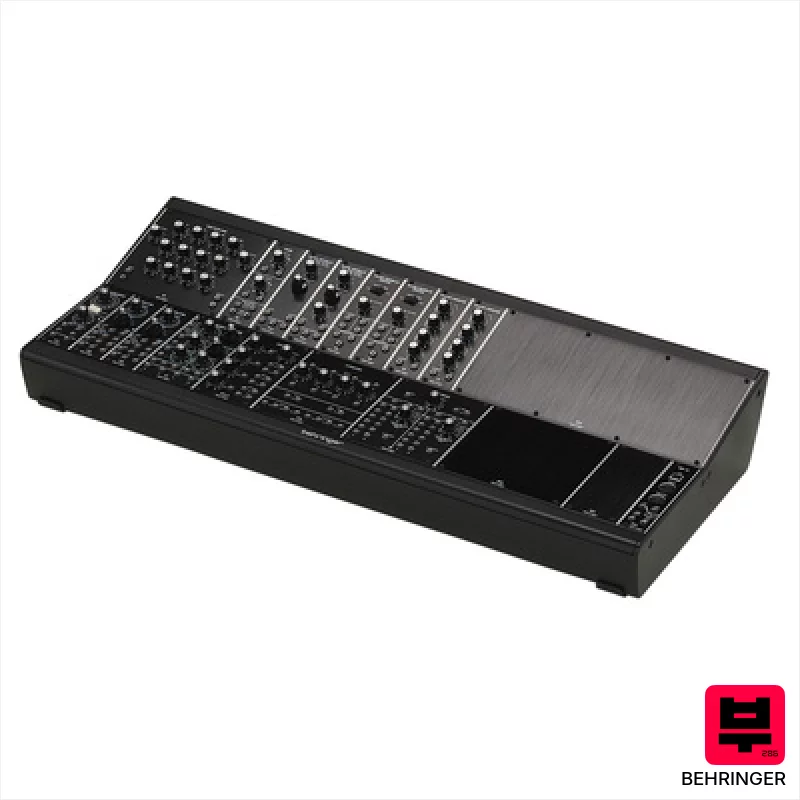
Behringer System 15
Modular all-in-one systems
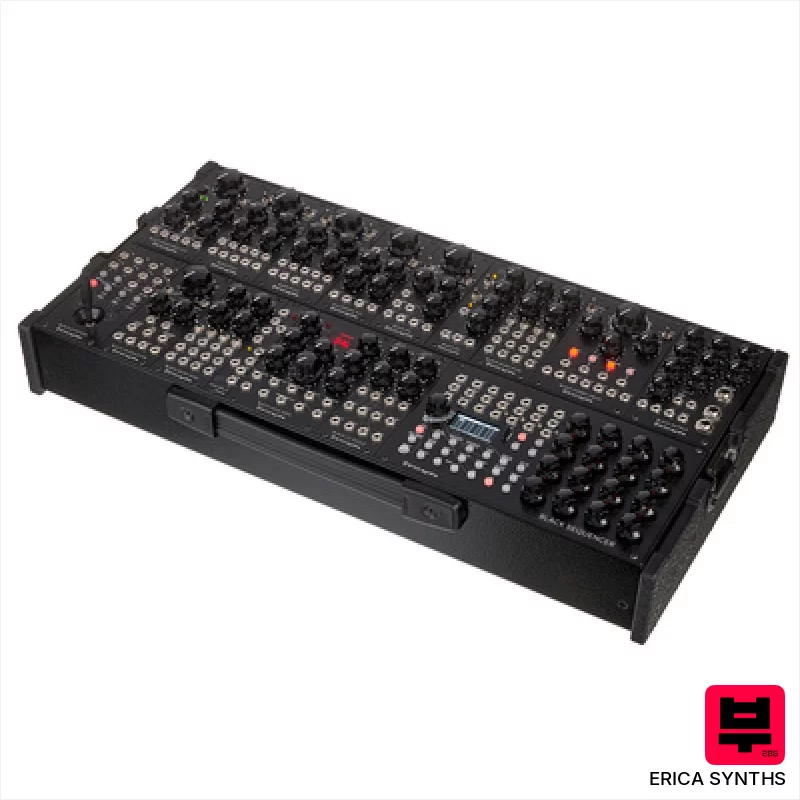
Erica Synths Black System III
Modular all-in-one systems

cre8audio NiftyBundle
Modular all-in-one systems
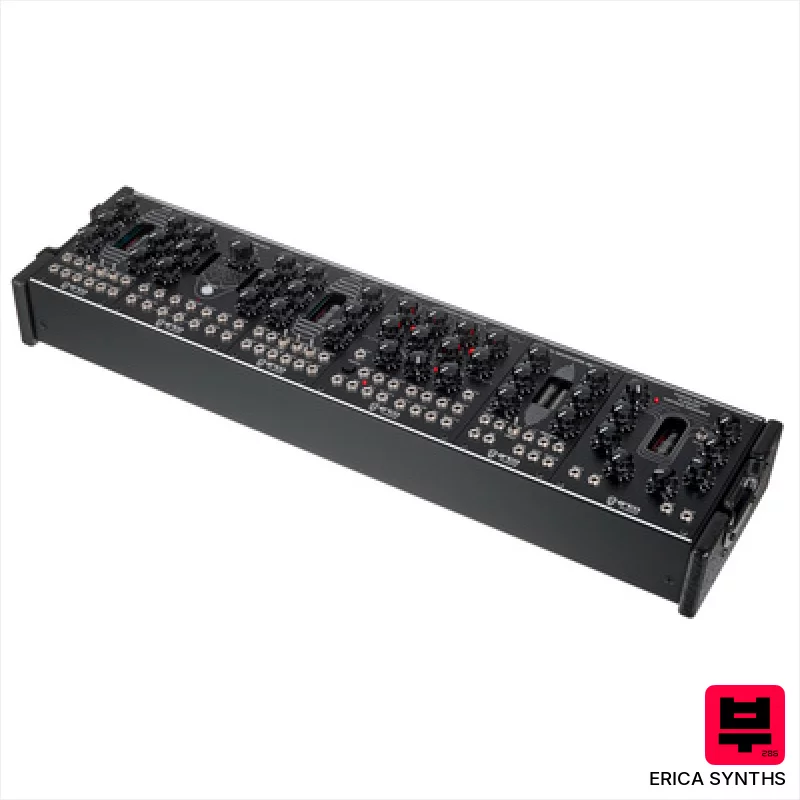
Erica Synths Fusion System II (with Lid)
Modular all-in-one systems
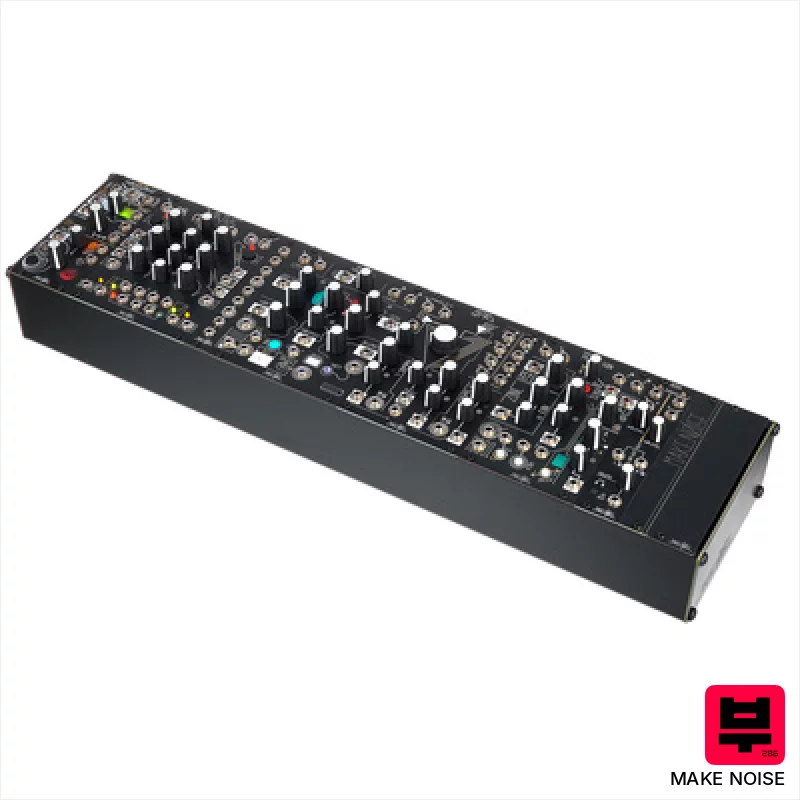
Make Noise Tape&Microsound Music Machine
Modular all-in-one systems

Erica Synths Pico System III Desktop
Modular all-in-one systems
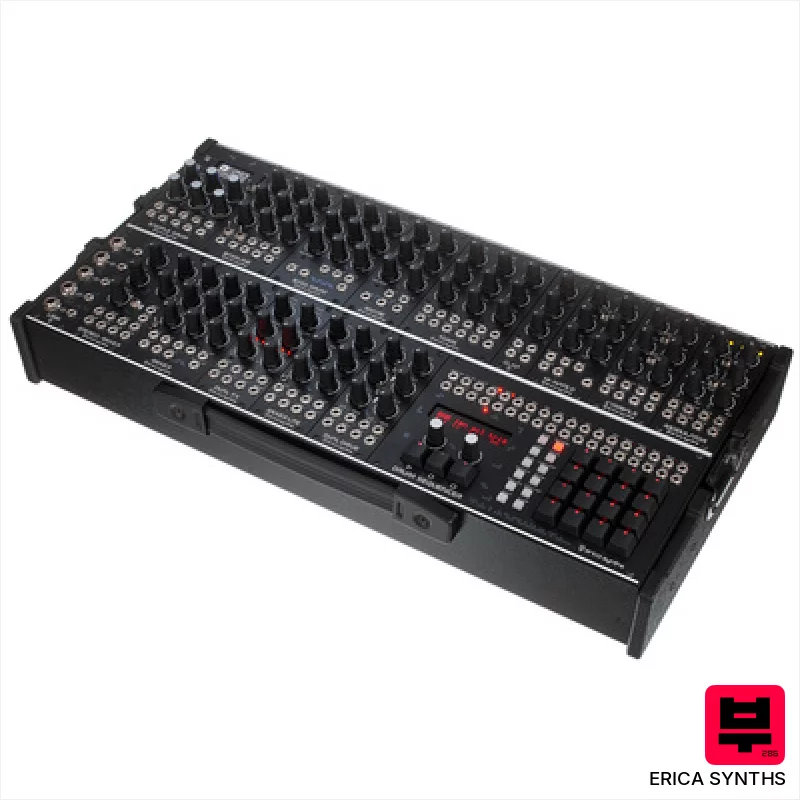
Erica Synths Techno System
Modular all-in-one systems
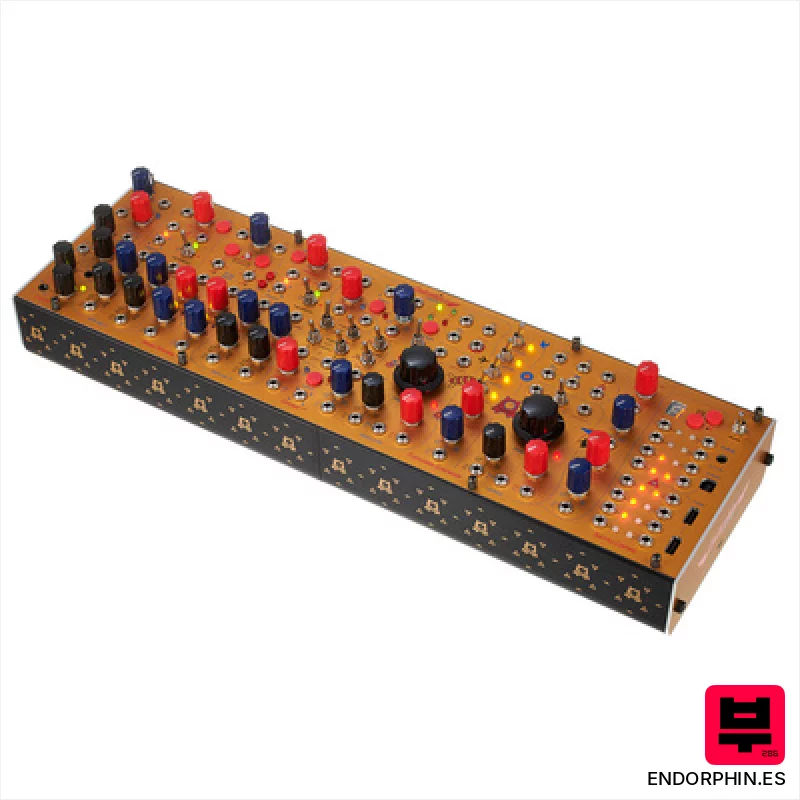
Endorphin.es Shuttle System
Modular all-in-one systems
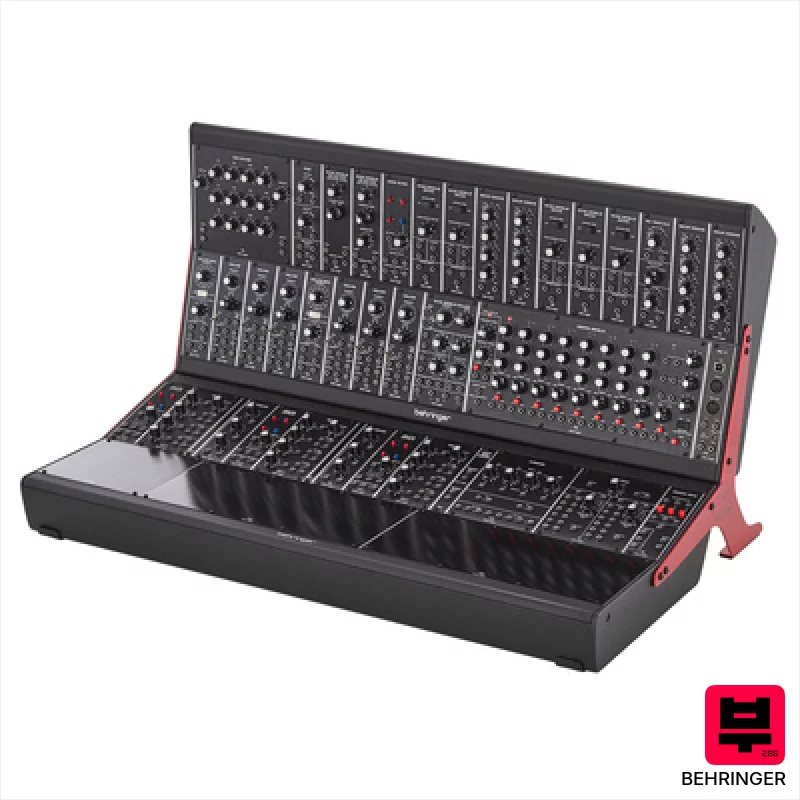
Behringer System 55
Modular all-in-one systems
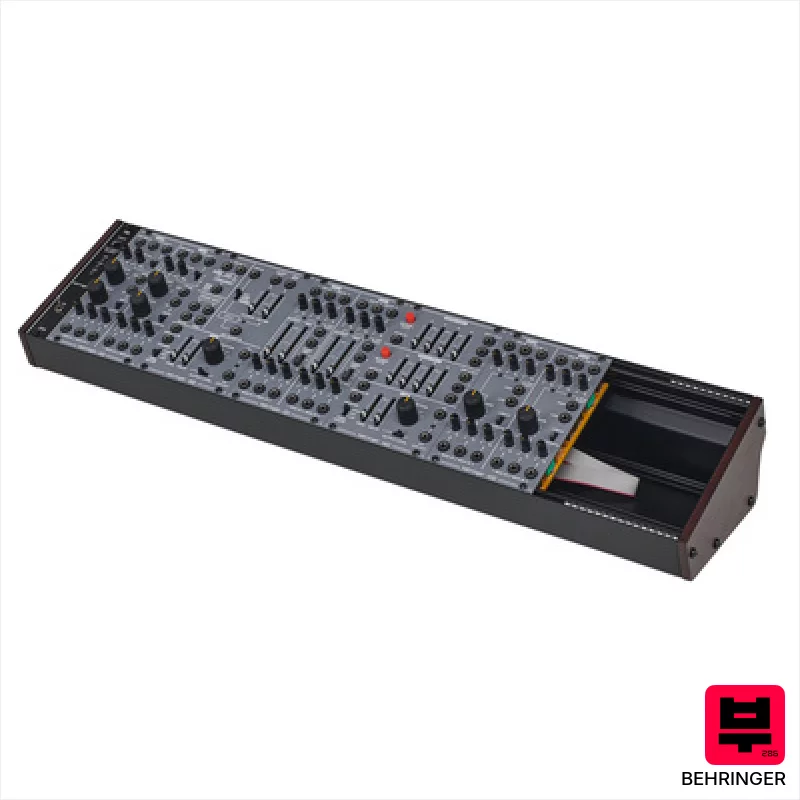
Behringer System 100 Bundle
Modular all-in-one systems
About Modular all-in-one systems
Modular all-in-one systems offer a pre-configured, self-contained environment for sound design and synthesis, ideal for producers, experimental musicians, and those seeking a quicker entry into modular synthesis. These systems bypass the complexities of individual module selection and patching, providing a cohesive sonic palette and workflow. They represent a curated path to sonic exploration, offering a focused starting point for creative expression.
Modular all-in-one systems — Pros & Cons
PROS
- Simplified modular workflow, reducing the learning curve considerably.
- Provides a cohesive sonic character and design philosophy.
- Often includes essential modules for a complete synthesis path.
- Offers a degree of expandability for future customization.
- Can be more space-efficient than building a custom modular.
- Pre-configured, ready-to-play experience right out of the box.
CONS
- Limited flexibility compared to building a custom modular system.
- Sonic palette may be more constrained by the pre-selected modules.
- Expandability can be restricted by the system's design.
- Can be expensive relative to acquiring individual modules.
- May not suit users with highly specific or unconventional sonic goals.
- Patching options within the system might be less versatile.
Frequently Asked Questions About Modular all-in-one systems
While they reduce overall patching complexity, some patching *is* still required for nuanced sound design and creative experimentation within the system's framework.
It depends on the system's design. Some offer expansion slots or Eurorack rails, while others are entirely self-contained, limiting external module integration.
They can be a good *introduction*, but to truly understand modular principles, eventually venturing beyond the system's pre-defined structure is beneficial.

