 AudioFu
Catalog
Synthesizers
1620 instruments available · See the ranking
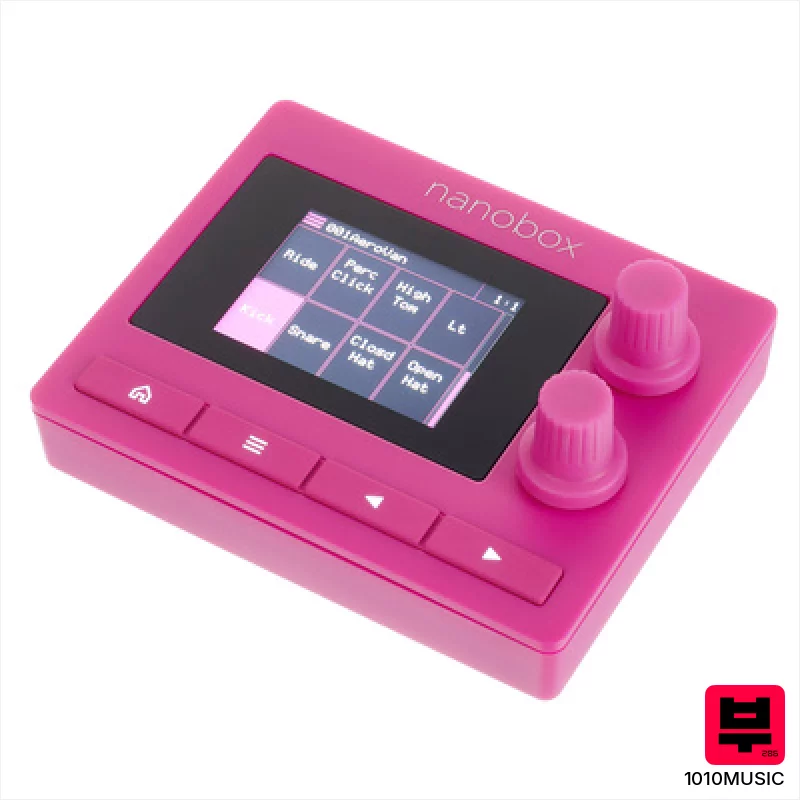
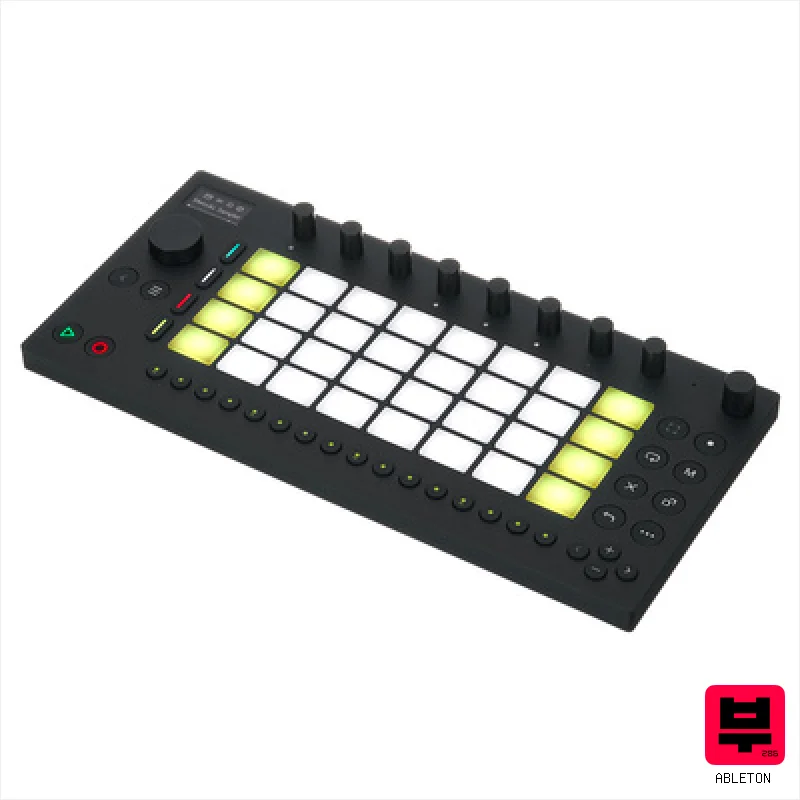
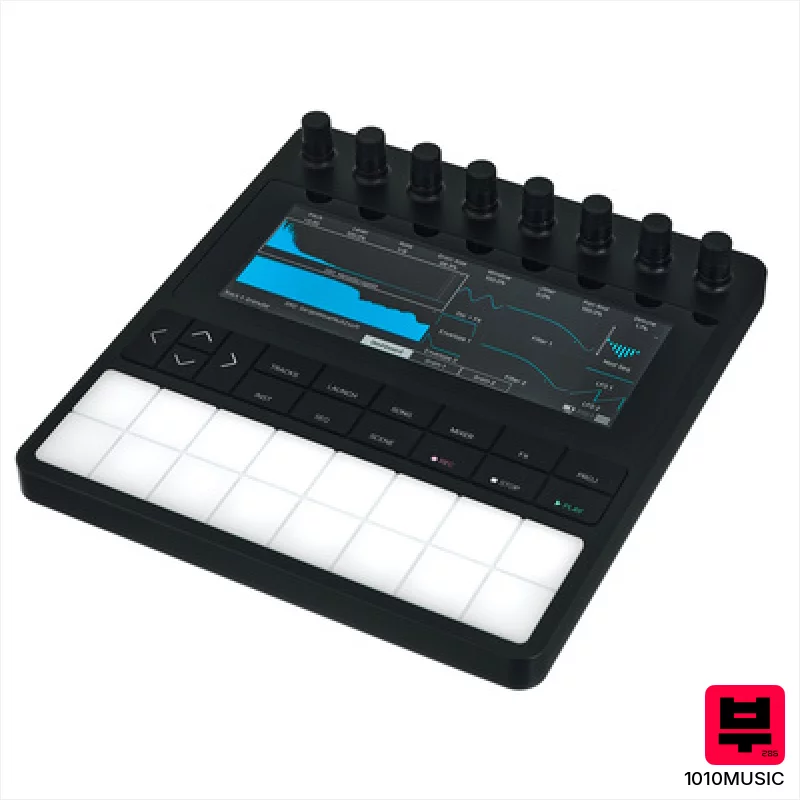

About Synthesizers
Synthesizers are electronic instruments that generate audio signals, offering a vast palette of sounds from classic analog tones to complex digital textures. They're used by producers, composers, and performers across genres to create unique sonic landscapes. Understanding synthesizer architecture – oscillators, filters, envelopes – unlocks a world of creative possibilities.
Best for
What to look for
Synthesizers — pros & cons
- Offers unparalleled sonic versatility and creative expression.
- Allows for precise control and manipulation of sound parameters.
- Can emulate classic instruments and create entirely new sounds.
- Provides a unique approach to music production and performance.
- Can be complex to learn and master, with a steep learning curve.
- Some models are physically large and require dedicated space.
- Analog synths can be prone to drift and require calibration.
- Digital synths can sometimes lack the warmth of analog counterparts.
Questions about Synthesizers
What's the difference between analog and digital synthesizers?
Analog synths use electronic circuits to generate sound, often prized for their warmth, while digital synths use algorithms, offering greater flexibility and often complex sounds.
What does 'modulation' mean in the context of synthesizers?
Modulation refers to using one signal to alter another, like using an LFO to change the pitch or filter cutoff, creating movement and evolving sounds.
Why would someone choose a modular synthesizer?
Modular synths offer ultimate flexibility by allowing users to connect individual modules, building custom signal paths and creating highly personalized instruments.