
Clarinets
193 instruments available



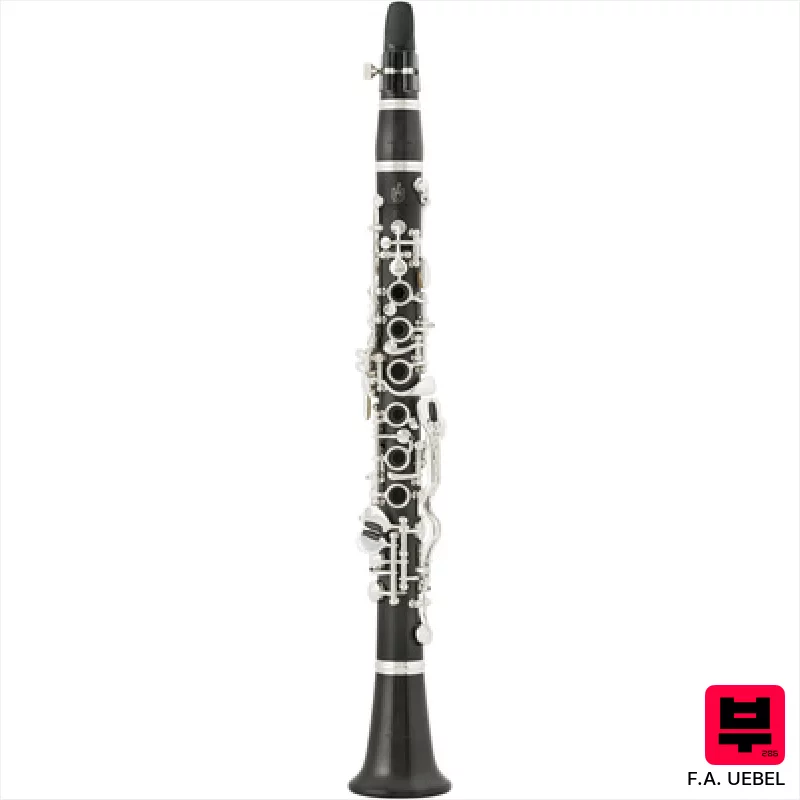
About Clarinets
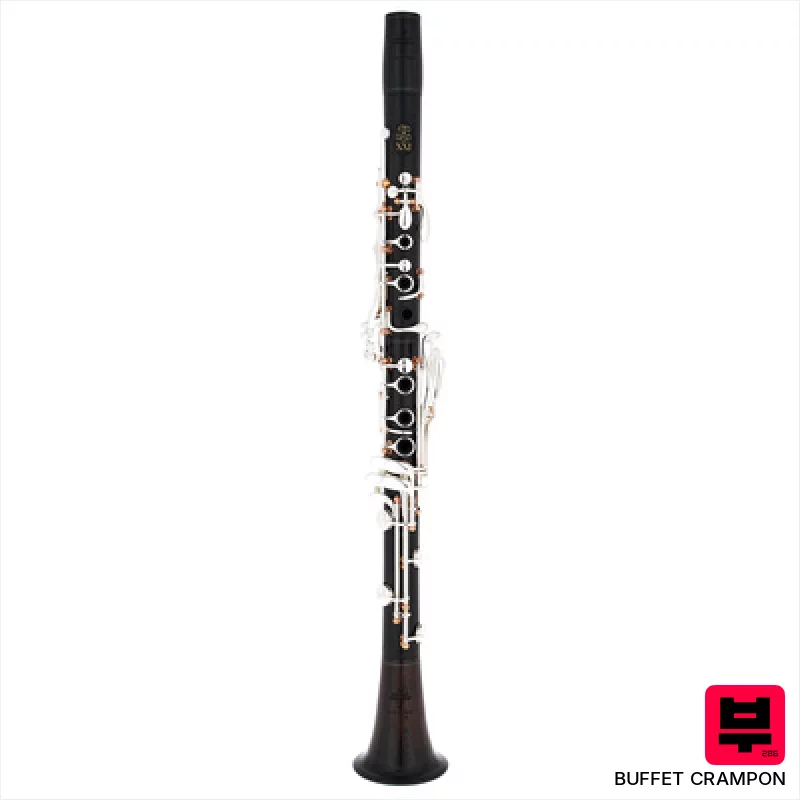
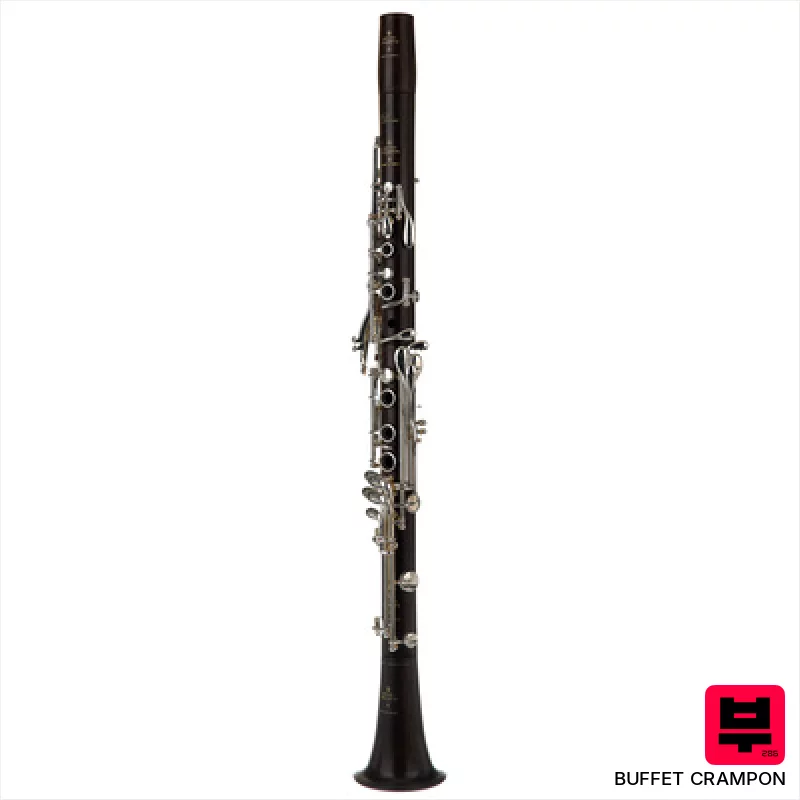
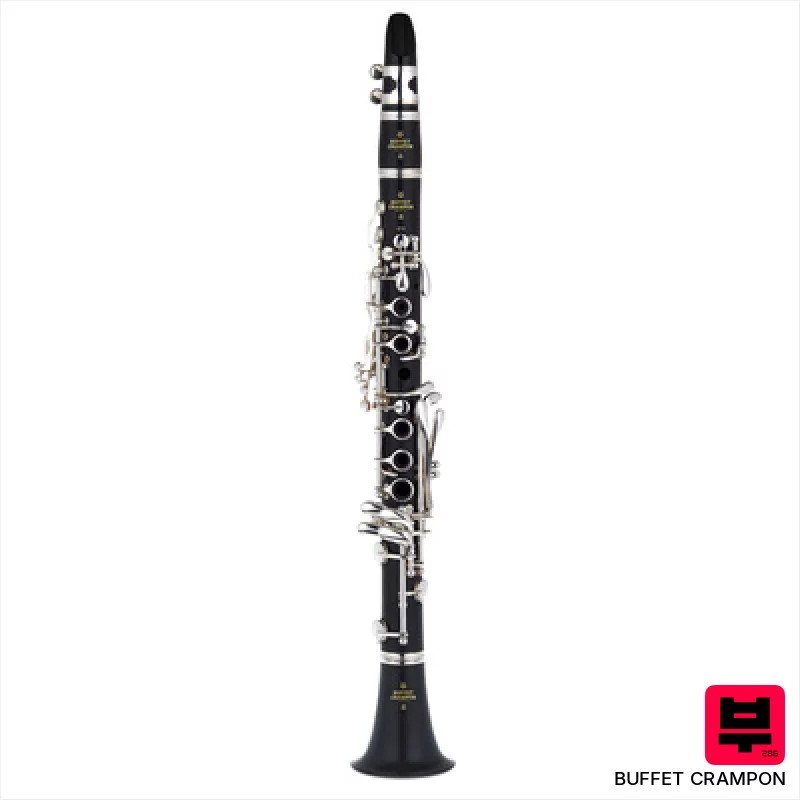
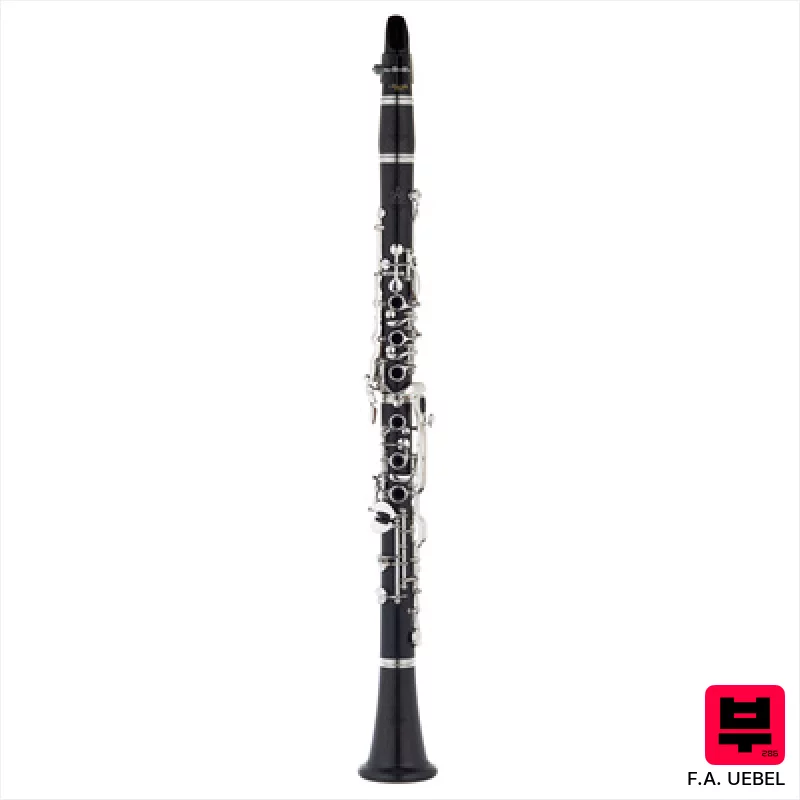
This category encompasses clarinets, single-reed woodwind instruments vital for classical music, jazz, and klezmer traditions. They're used by students, professionals, and hobbyists alike, and the choice of clarinet significantly impacts tone, intonation, and playability. Selecting the right clarinet is crucial for achieving a desired musical expression and technical proficiency.
Clarinets — Pros & Cons
PROS
- Offers a wide range of tonal colors and expressive capabilities.
- Versatile instrument suitable for various musical genres.
- Well-established repair and maintenance infrastructure.
- Can provide a lifetime of musical enjoyment and growth.
CONS
- Can be sensitive to humidity and temperature changes.
- Requires diligent maintenance to preserve optimal performance.
- Advanced models can represent a significant financial investment.
- Initial learning curve can be challenging for beginners.
Frequently Asked Questions About Clarinets
Boehm clarinets feature a more modern key system designed for improved ergonomics and intonation, while German system clarinets retain a more traditional, older layout.
The wood, typically grenadilla or African blackwood, significantly affects the instrument's tonal characteristics, resonance, and responsiveness. Synthetic materials offer durability and consistency but often lack the nuanced tonal qualities of wood.
Clarinet size is typically standardized, but younger or smaller students may benefit from a smaller bore instrument or a customized mouthpiece to ease playing and promote proper embouchure development.

