
A Clarinets (German)
4 instruments available
Shop A Clarinets (German) 2026
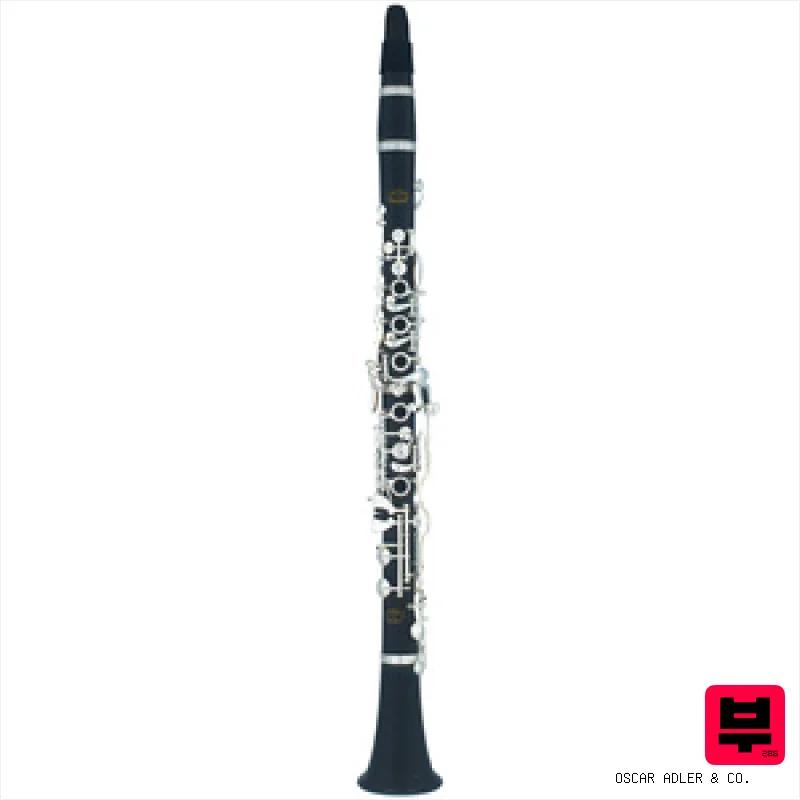
Oscar Adler & Co. 325A A-Clarinet
A Clarinets (German)
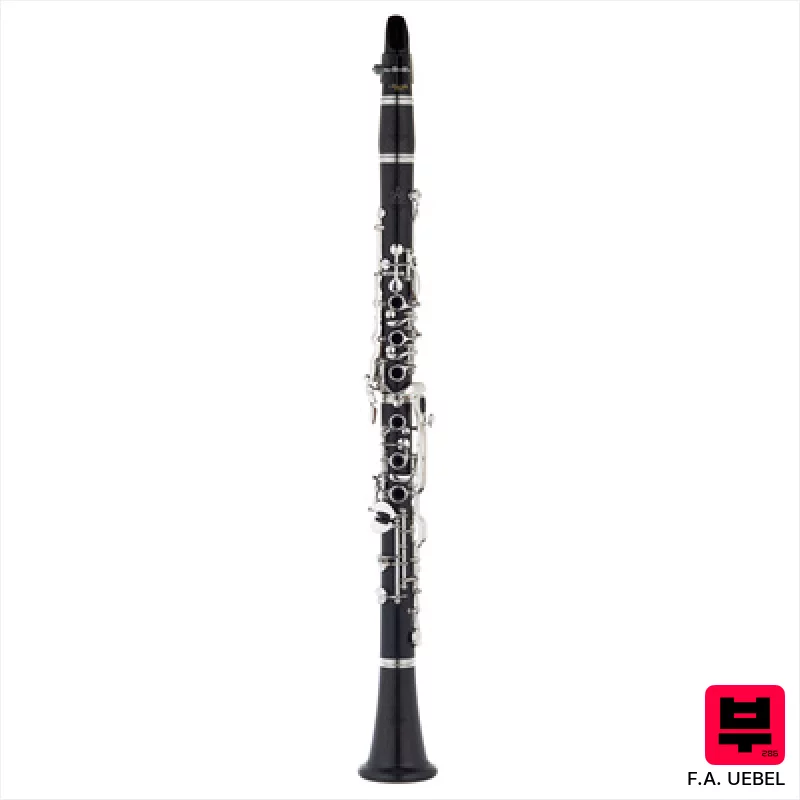
F.A. Uebel 622 A-Clarinet
A Clarinets (German)
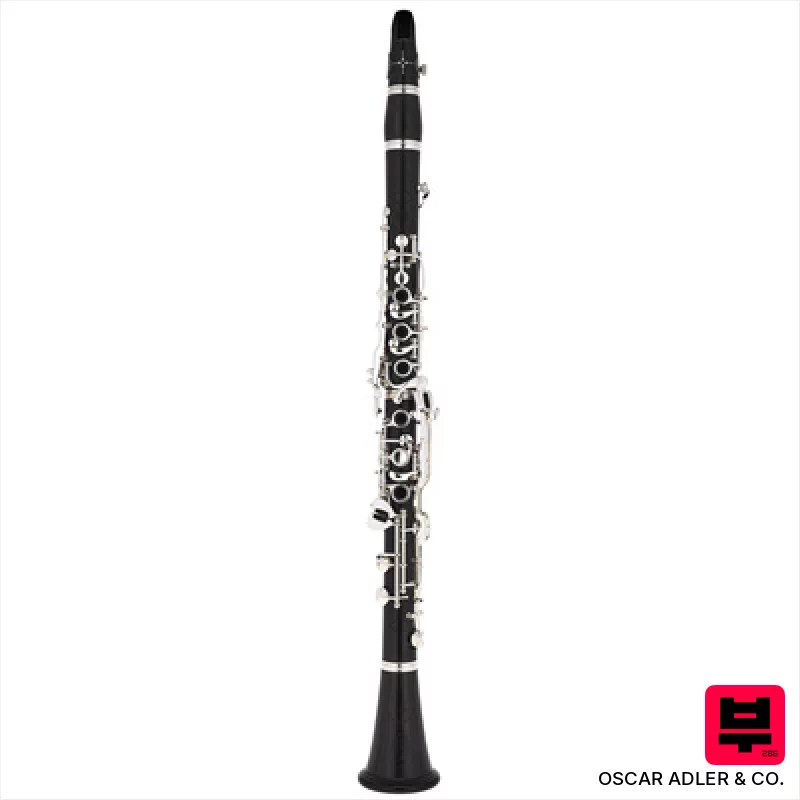
Oscar Adler & Co. 323A A-Clarinet
A Clarinets (German)
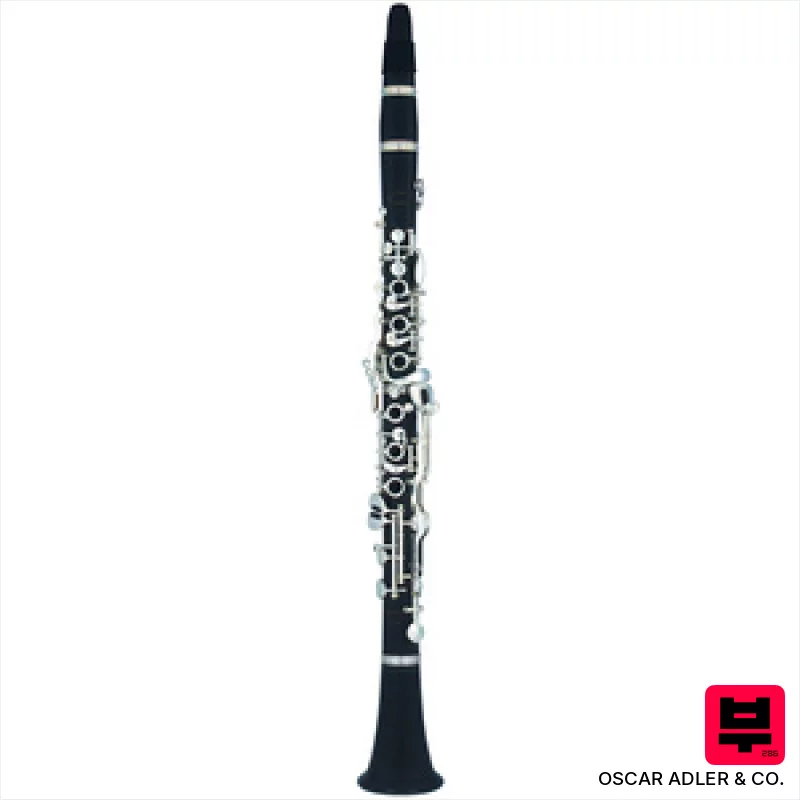
Oscar Adler & Co. 322A A-Clarinet
A Clarinets (German)
About A Clarinets (German)
This category features A Clarinets, specifically those built with the German system, prized for their darker, richer tone and complex voicing. These instruments are favored by orchestral players, soloists, and chamber musicians seeking a characteristic European clarinet sound. The German system's register bends and keywork differences demand a distinct playing technique.
A Clarinets (German) — Pros & Cons
PROS
- German system offers a uniquely dark and complex tonal palette.
- Keywork often features a robust and reliable mechanical feel.
- Bore design promotes a characteristic European clarinet sound.
- Typically well-suited for nuanced dynamic control and expression.
CONS
- Register bending can be challenging for less experienced players.
- Requires specific embouchure and air support for optimal tone.
- Can be less forgiving of subtle technique errors.
- The voicing complexity may require extended practice to master.
Frequently Asked Questions About A Clarinets (German)
The German system’s register bending requires precise embouchure adjustments, while the Boehm system is more consistent.
Voicing describes the clarinet’s overtone series and how those overtones blend – a complex voicing provides a richer, more nuanced sound.
Their darker tone blends exceptionally well with the broader orchestral palette, providing a characteristic European sound.

