
Best Rode Wireless lavalier microphone systems 2026
Premium Rode wireless lavalier microphone systems - legendary tone and craftsmanship
Last updated: September 29, 2026

Rode Wireless GO (Gen 3)
- • Improved dynamic range provides cleaner audio in challenging environments.
- • 32-bit float recording offers incredible headroom and flexibility in post.
- • Compact and lightweight TX modules are surprisingly robust for their size.
- • GainAssist is genuinely useful, simplifying level setting for less experienced users.
- • 2.4GHz band can still be susceptible to interference in crowded RF spaces.
- • Limited channel options might necessitate frequency scouting in complex productions.
- • Lack of XLR output on the receiver restricts direct connection to pro audio gear.

Rode Wireless ME Dual W
- • Compact and lightweight design for discreet on-body placement.
- • Rode's GainAssist feature simplifies level setting for consistent audio.
- • MFi certification ensures seamless integration with Apple iOS devices.
- • Clear, usable audio quality from the built-in mics, surprisingly good for lavs.
- • 100m range is optimistic; expect reduced performance with obstructions.
- • Limited channel selection compared to higher-end wireless systems.
- • Internal mics are adequate, but external mics yield significantly better results.

Rode Wireless ME Dual
- • Compact design significantly reduces bulk compared to traditional wireless systems.
- • Rode's GainAssist truly simplifies level management, crucial for quick setups.
- • The built-in mics deliver surprisingly clear audio for basic lavalier needs.
- • MFi certification ensures seamless integration with Apple's ecosystem and devices.
- • Internal microphones, while decent, won't match the quality of dedicated lavalier mics.
- • 100m range is optimistic; expect reduced performance with obstacles.
- • Limited frequency band necessitates careful monitoring for interference in crowded RF environments.

Rode Wireless PRO
- • Excellent audio quality, especially for dialogue and voiceover work.
- • GainAssist simplifies level setting, crucial for on-the-fly adjustments.
- • Impressive 32GB internal memory allows for extended, uncompressed recording.
- • Robust build quality with a reassuringly solid feel and durable connectors.
- • 2.4GHz band can be susceptible to interference in congested areas.
- • Limited channel options compared to higher-end wireless systems.
- • The integrated mic on the transmitter is decent, but not exceptional.
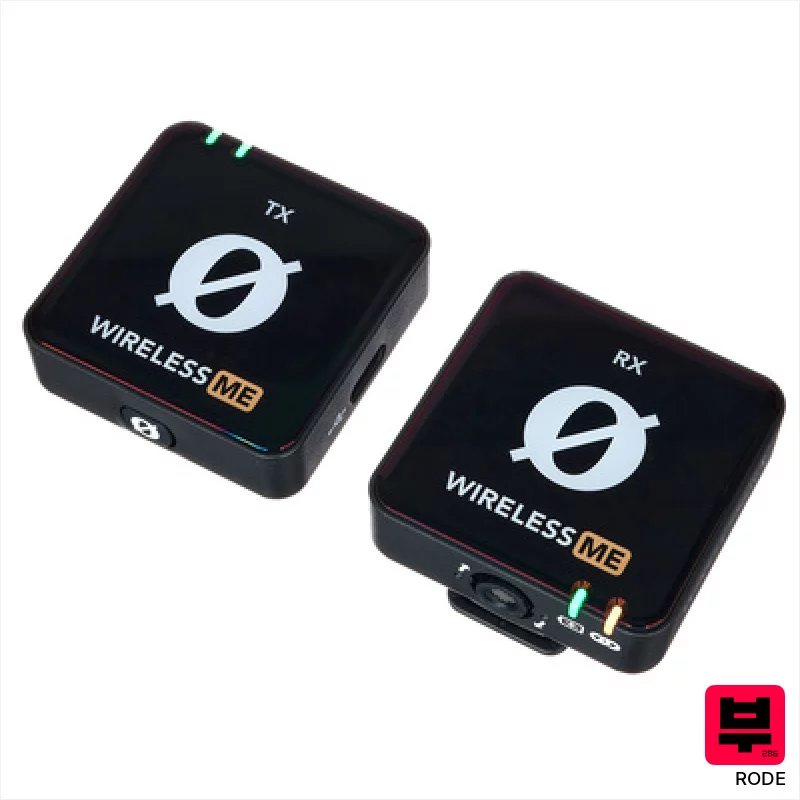
Rode Wireless ME
- • Compact size & lightweight design enable discreet, mobile operation.
- • Built-in mics offer surprisingly clean, natural vocal capture for basic use.
- • GainAssist simplifies level setting, reducing setup headaches on location.
- • MFi certification ensures seamless integration with Apple mobile devices.
- • Internal mics lack detail for professional-grade audio; external mics are essential.
- • 100m range is line-of-sight only; obstacles significantly reduce reliability.
- • Limited frequency band may experience interference in crowded wireless environments.
Wireless lavalier microphone systems by the numbers
Measured across all 103 models in this category, so «wide», «short» or «expensive» mean something you can check.
How This List Is Built
We don't play these instruments — we're a catalog, not a review desk, and we'd rather say so than pretend otherwise. This page covers 5 of 103 wireless lavalier microphone systems from the Thomann catalogue, which is the largest single source of specification data in this category: 5 in detail, the rest listed with their specifications.
Position is computed, not curated. We parse the manufacturer's own description into actual values — nut width, scale, fret count, fingerboard radius, size, alloy — and rank on them: how many specifications a model has published, how many of them are measurable numbers, and how precisely it meets this page's criterion. A product image adds a little. Price is not a ranking signal: it tells you nothing about whether a neck fits your hand. The same inputs always produce the same order, so nothing here is shuffled to look fresh.
What this list is good for: narrowing a category down to a shortlist by spec and budget. What it isn't: a substitute for hearing an instrument. Before you buy, read hands-on reviews and, where you can, play it. Full methodology.
How to Choose the Best Wireless lavalier microphone systems
Budget Planning
- • Under $200: Entry-level
- • $200-$500: Intermediate
- • $500-$1000: Advanced
- • $1000+: Professional
Quality Check
- • Sound clarity & tone
- • Build materials & finish
- • Hardware durability
- • Overall craftsmanship
Key Features
- • Your musical style
- • Skill level match
- • Intended use case
- • Brand reputation

