
Best Waveshaper, Distortion Modules for Audio Coloration 2026
Okay, so you're chasing that vibe - that extra something beyond clean signals and filter sweeps. Waveshapers and distortion modules aren't just for metal; they're the secret sauce for adding character to anything from pads to drums. We're talking subtle grit, screaming saturation, or even something totally bonkers. Let's dive into what makes a waveshaper truly useful for audio coloration, not just noise.
Last updated: June 24, 2026 • Next update: July 1, 2026
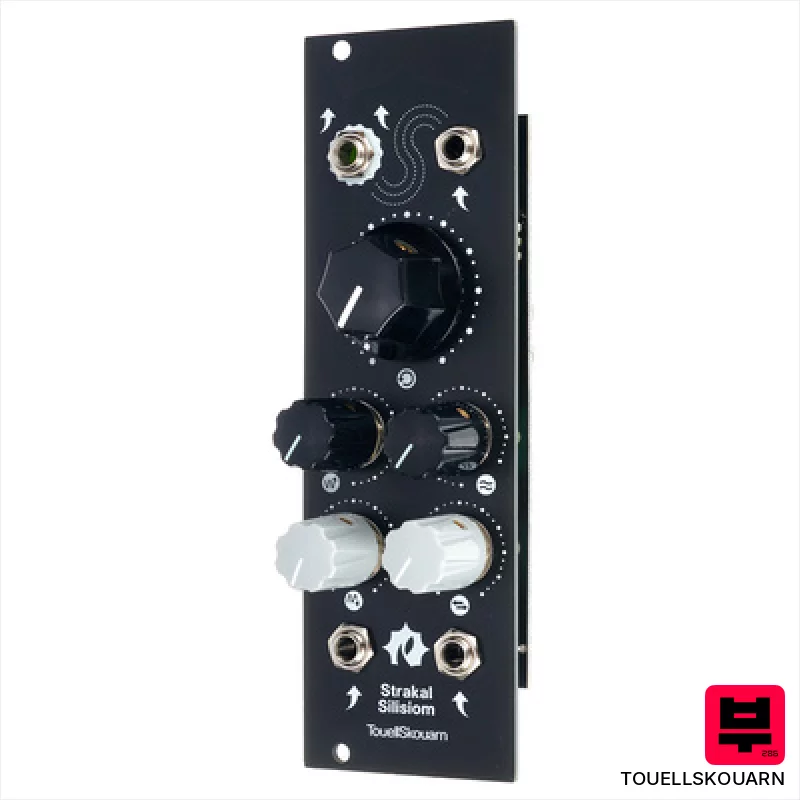
TouellSkouarn Strakal Silisiom
- • Silicon transistors deliver a thick, aggressive fuzz tone.
- • Morph control offers seamless transitions between fuzz flavors.
- • Feedback circuit adds dynamic, chaotic character when pushed.
- • Compact 8HP footprint maximizes space in Eurorack systems.
- • Limited EQ controls might require external processing for shaping.
- • 19mA current draw can be significant in power-constrained racks.
- • Silicon transistors can be prone to thermal issues with prolonged heavy use.
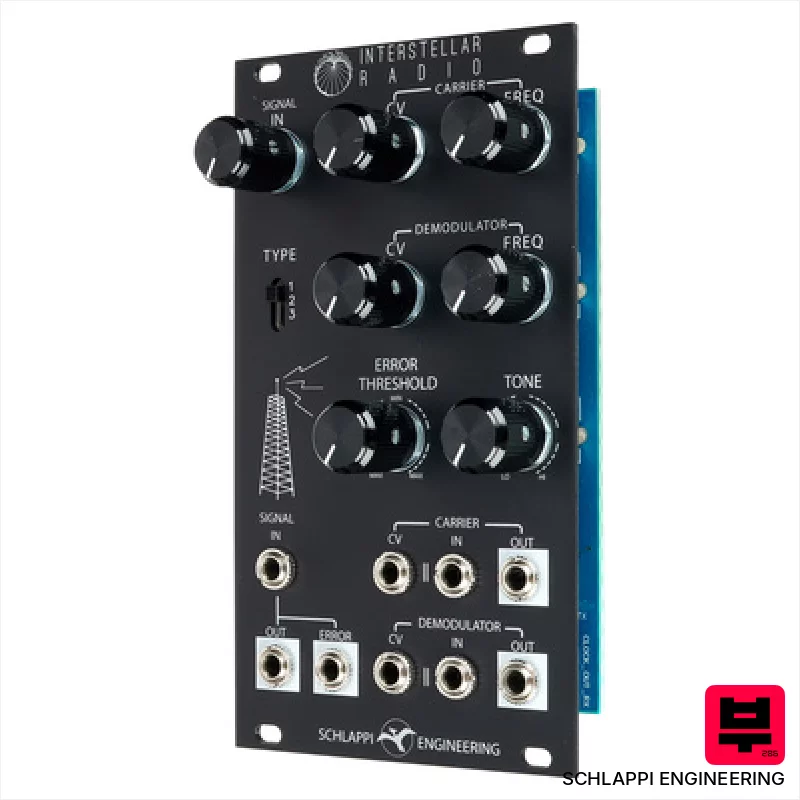
Schlappi Engineering Interstellar Radio Black
- • Unique radio-like textures create otherworldly soundscapes.
- • Excellent CV control allows for dynamic, evolving signal manipulation.
- • Compact 14HP footprint maximizes space in tight Eurorack setups.
- • Error output provides a distinct feedback path for experimental patching.
- • Limited tonal palette compared to broader modular offerings.
- • Can be complex to master, requiring experimentation and patience.
- • Relatively high current draw might strain power supplies.
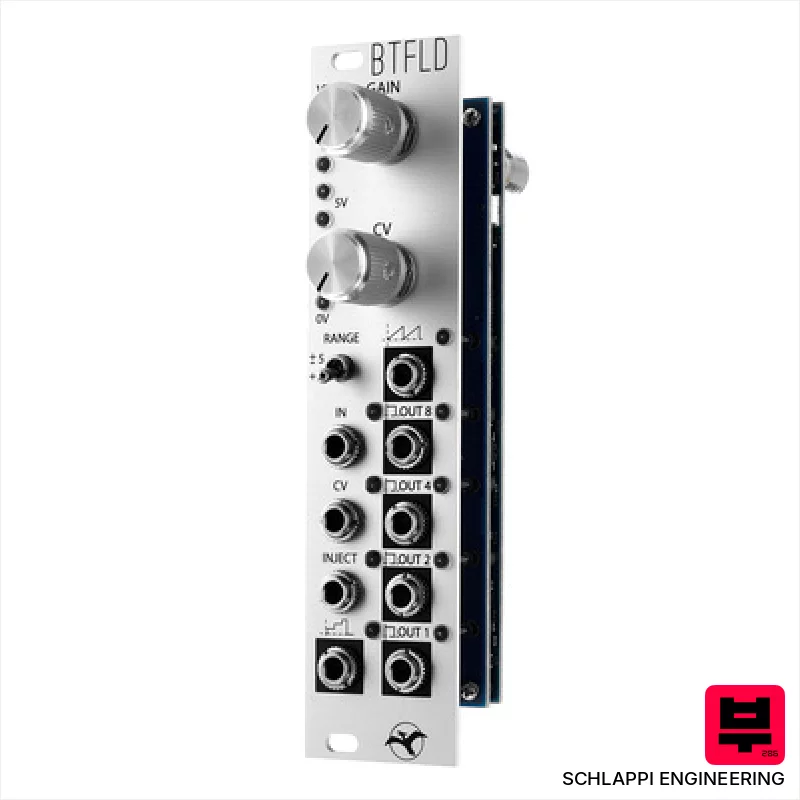
Schlappi Engineering BTFLD
- • Unique 4-bit digital conversion creates gritty, unpredictable textures.
- • Wave folding circuit delivers complex harmonic distortion and character.
- • Flexible switched range expands utility for both audio and modulation.
- • Compact 6HP footprint maximizes space in dense modular racks.
- • Limited input range may require attenuation for strong signals.
- • 4-bit output can be noisy, requiring careful gain staging.
- • Specialized functionality restricts broader, general-purpose use.

Bastl Instruments Dark Matter
- • Exceptional feedback sculpting capabilities for unique textures.
- • The internal envelope follower adds rhythmic complexity effortlessly.
- • Bastl's signature robust build quality feels immediately reliable.
- • The dual-band EQ provides surprisingly precise tonal shaping.
- • Limited routing options compared to more expansive modular systems.
- • The single crossfader can feel restrictive for complex modulation.
- • Can be overwhelming for beginners unfamiliar with feedback processing.
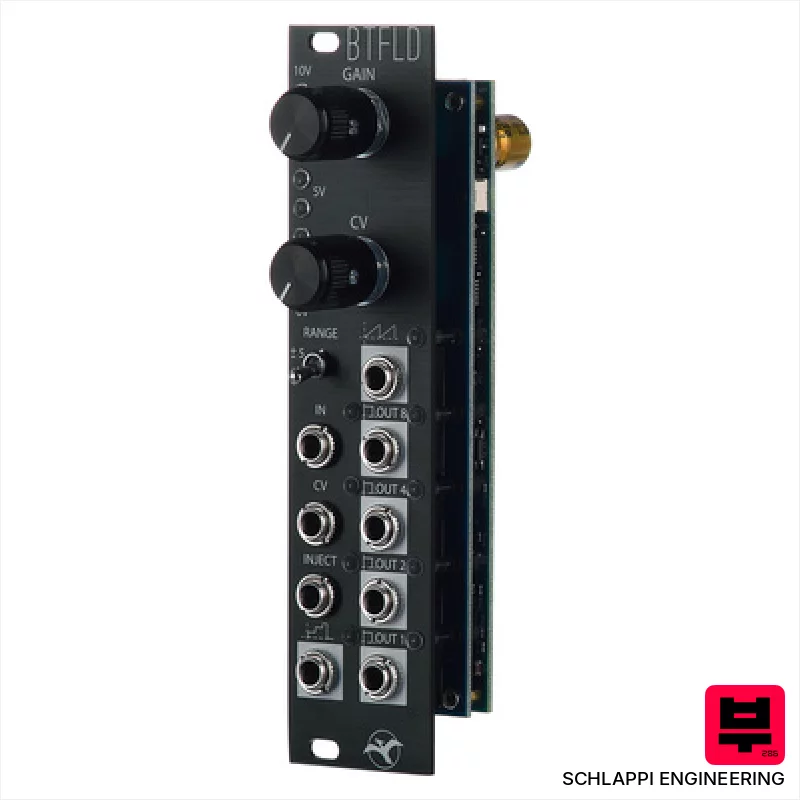
Schlappi Engineering BTFLD Black
- • Unique 4-bit digital conversion creates complex, evolving textures.
- • Wave folding circuit delivers rich harmonic distortion and character.
- • Versatile operation – distortion, wavefolder, or rhythm generator.
- • Compact 6HP footprint maximizes space in crowded modular racks.
- • Limited control over individual output levels – can be overwhelming.
- • 4-bit output might feel restrictive for some advanced modulation tasks.
- • Requires careful input level management to avoid clipping or unwanted noise.
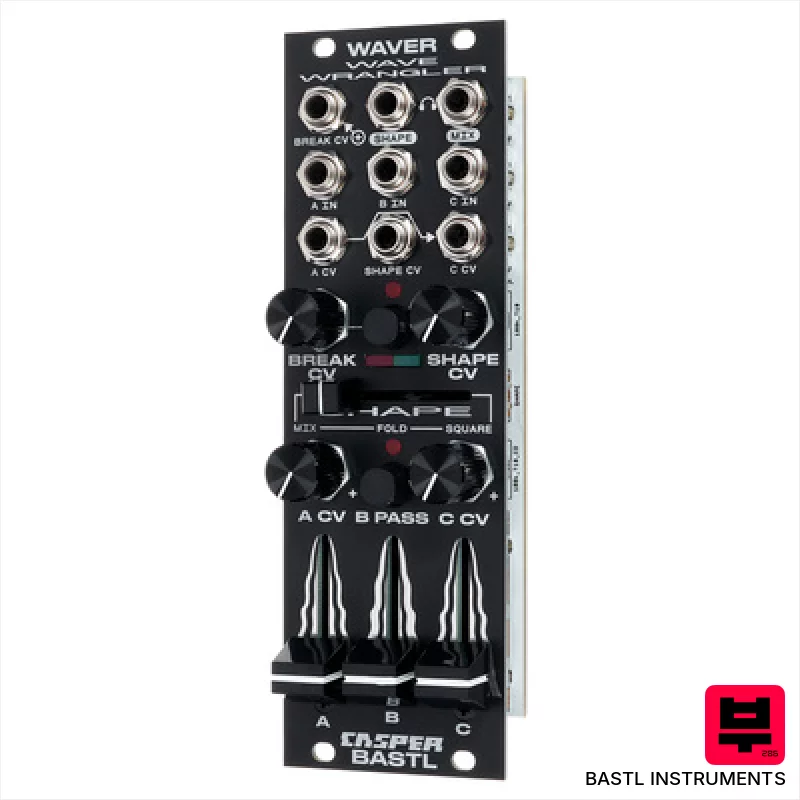
Bastl Instruments Waver
- • Excellent characterful distortion, adding grit and warmth to any signal.
- • The Shape crossfader offers unique and expressive mixing possibilities.
- • Bastl's robust build quality ensures long-term reliability.
- • The Break input provides immediate gratification for experimental sounds.
- • Limited channel count might restrict complex mixing scenarios.
- • The bipolar VCA design can be less intuitive for beginners.
- • Depth (24mm) may be restrictive in shallow Eurorack cases.
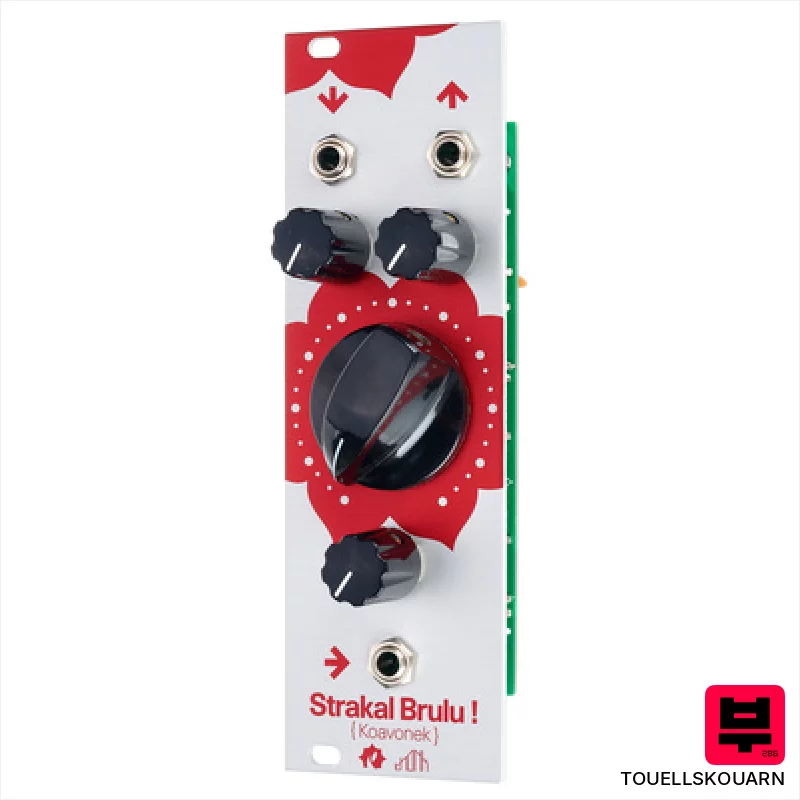
TouellSkouarn Strakal Brulu
- • Germanium fuzz delivers thick, harmonically rich distortion.
- • Feedback control offers extreme sonic sculpting possibilities.
- • Gain CV input allows dynamic, evolving distortion textures.
- • Compact 8HP footprint maximizes modular space efficiency.
- • Limited control set might feel restrictive for complex sound design.
- • Germanium transistors can be temperature-sensitive, affecting tone.
- • High feedback settings can easily become uncontrollable and noisy.
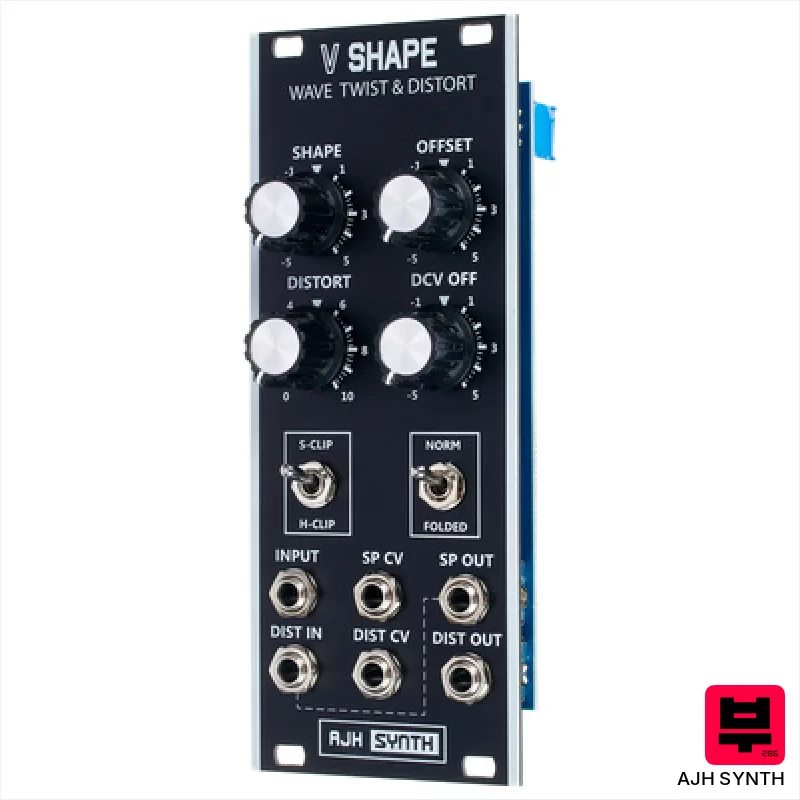
AJH Synth V-Shape black
- • Excellent waveshaping character with a surprisingly musical edge
- • Flexible series/parallel routing offers creative signal sculpting
- • Compact 10HP footprint maximizes rack space efficiency
- • Responsive CV inputs provide dynamic, expressive control
- • Limited modulation options beyond the provided CV inputs
- • Distortion can get harsh quickly without careful gain staging
- • Plastic knobs feel slightly cheap compared to metal alternatives
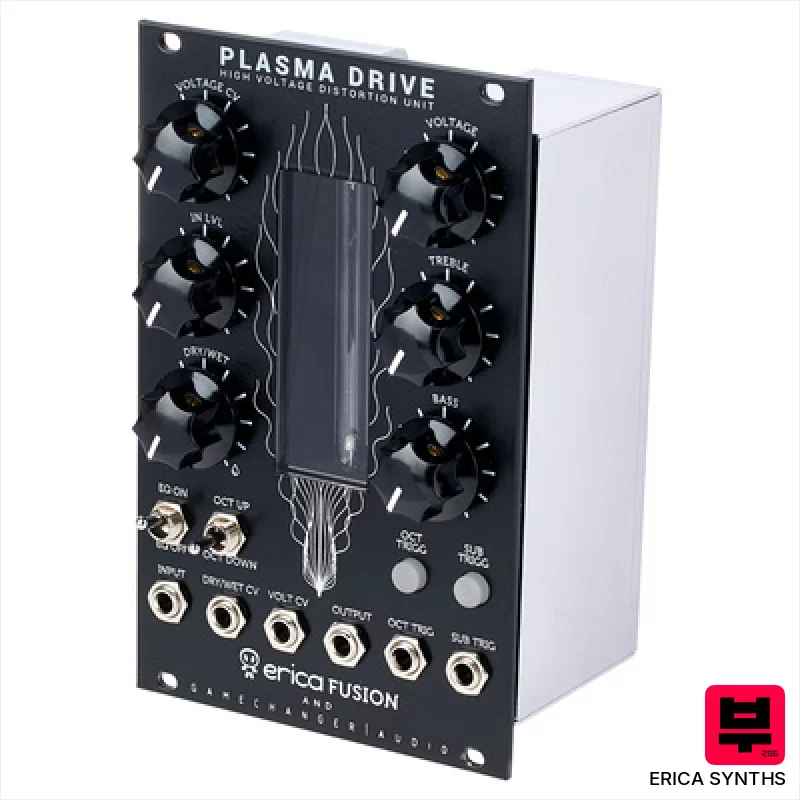
Erica Synths Plasma Drive
- • Plasma tech delivers uniquely complex, evolving harmonic distortion
- • EQ section allows for tonal shaping beyond simple saturation
- • Compact 16HP footprint maximizes modular space efficiency
- • CV control over Wet/Dry provides dynamic, expressive manipulation
- • Limited input headroom can clip easily with strong signals
- • Subtle nuances of Plasma technology require experimentation to master
- • The 3.5mm CV jacks are a bit fiddly for some patching styles
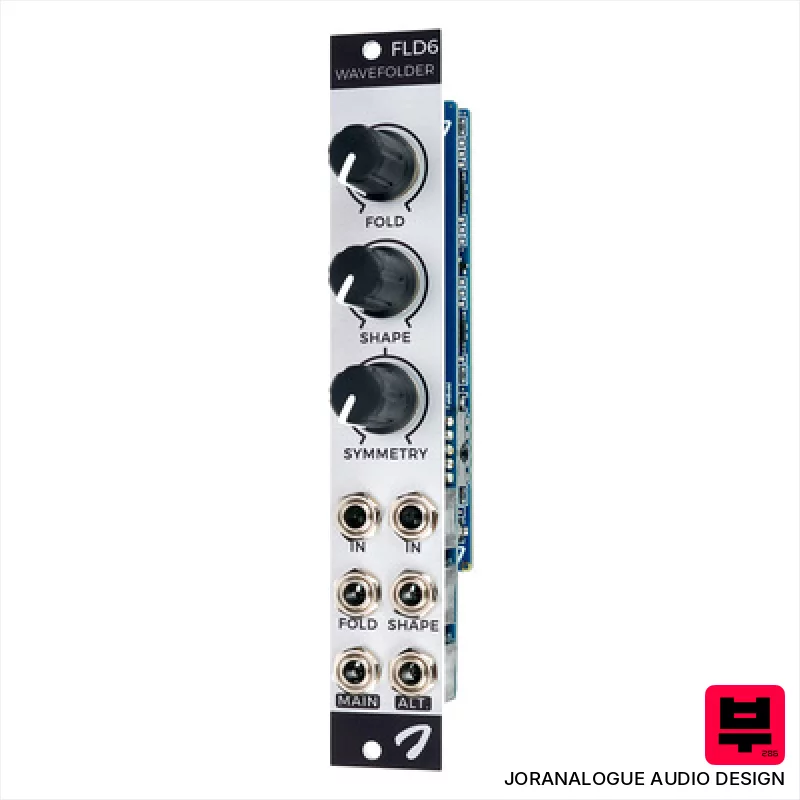
Joranalogue Audio Design Fold 6
- • Joranalogue's wavefolding is exceptionally musical and warm.
- • Serial/parallel design offers unique tonal flexibility.
- • Compact 4HP footprint saves valuable rack space.
- • Excellent build quality; feels robust and well-assembled.
- • 40mA draw can be significant in power-constrained systems.
- • Limited modulation options beyond fold and shape control.
- • Parallel wavefolder output can be quieter than the serial.
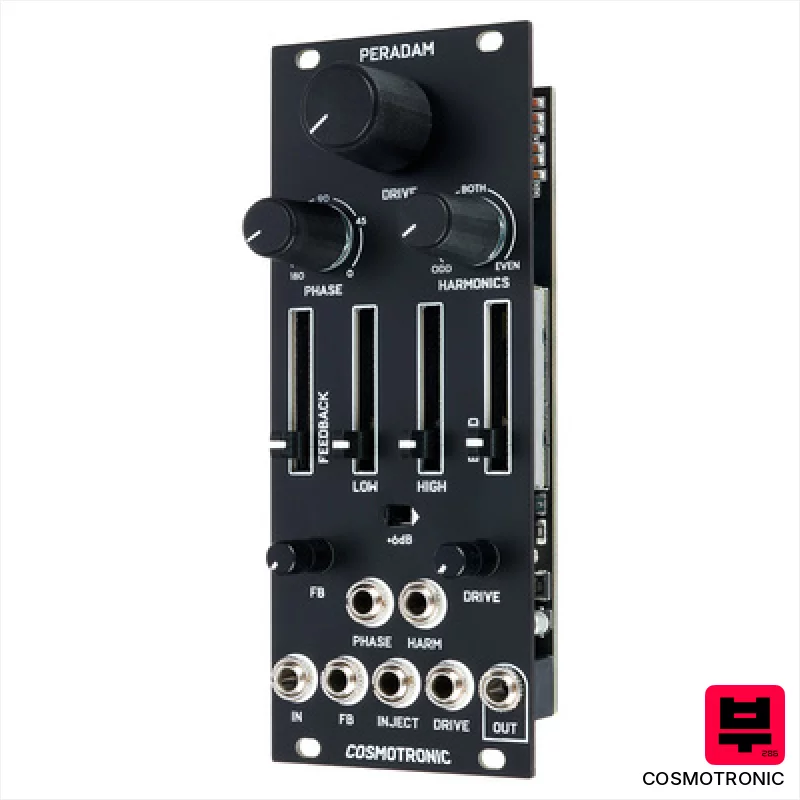
Cosmotronic Peradam
- • Unique signal path creates unexpectedly complex, evolving textures.
- • Ring modulation adds a distinctive, almost alien character.
- • Excellent CV modulation options for dynamic sound shaping.
- • Surprisingly compact size maximizes rack space utilization.
- • Feedback controls can easily become overwhelming without careful tweaking.
- • Limited low-frequency response due to distortion character.
- • The rectifier stage can introduce unwanted noise at higher drive settings.
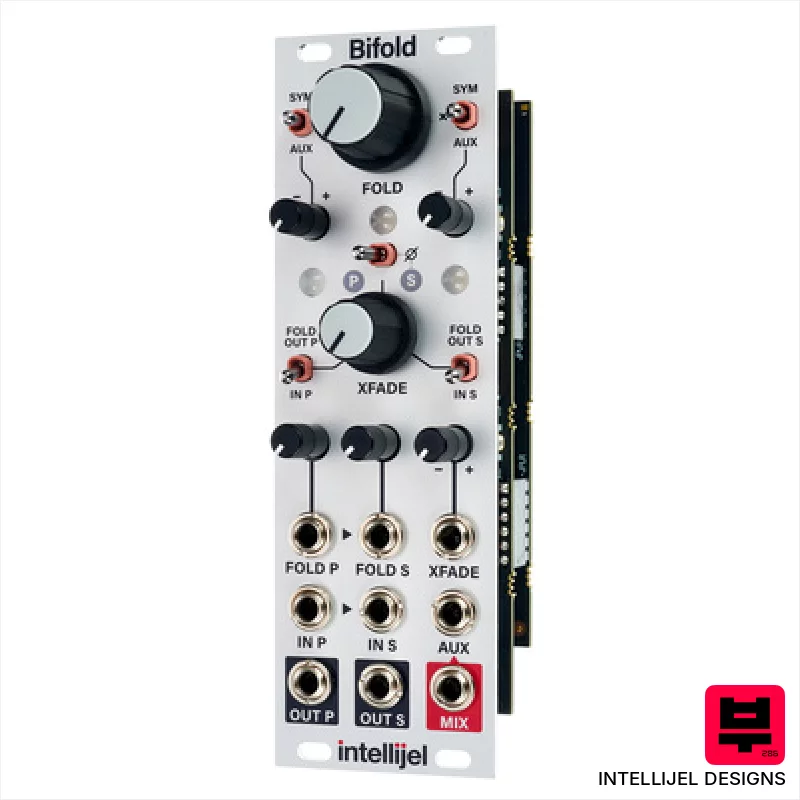
Intellijel Designs Bifold
- • Exceptional wavefolding character, rich and complex harmonic textures
- • Flexible crossfader allows for dynamic timbral shifts and modulation
- • InBuchla/inSerge input styles offer distinct wave shaping possibilities
- • Compact 8HP footprint maximizes space in tight Eurorack setups
- • Limited number of wavefolding algorithms compared to dedicated multi-effects
- • Can become complex quickly; requires understanding of CV modulation
- • Aux input lacks dedicated gain control, potentially limiting external signal range
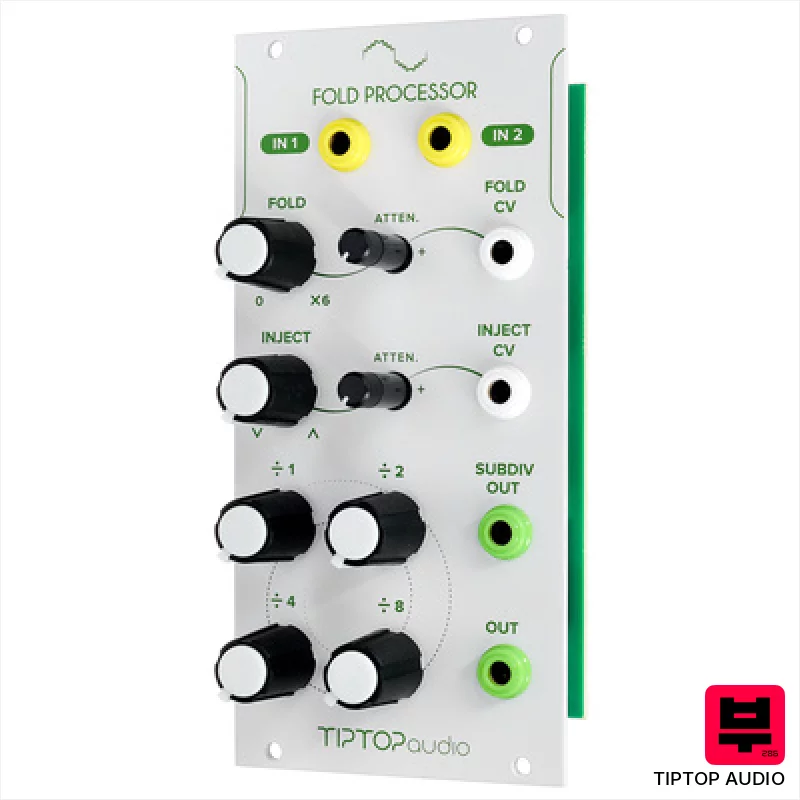
Tiptop Audio Fold Processor
- • Classic diode folding delivers thick, harmonically rich tones.
- • Compact 12HP footprint ideal for space-constrained racks.
- • Robust Tiptop build quality – feels solid and reliable.
- • Sub-octave output adds useful low-end reinforcement.
- • Limited control – primarily a fixed-topology waveshaper.
- • Can quickly become harsh; requires careful gain staging.
- • Diode folding inherently introduces some signal noise.

Cosmotronic Aphelion
- • Three distinct distortion circuits offer a surprising range of tonal colors.
- • +12dB boost provides significant headroom and aggressive sound shaping potential.
- • Stepless filter crossfading creates evolving textures and dynamic soundscapes.
- • Compact 8HP footprint maximizes space in dense modular setups.
- • 90mA draw can be restrictive for power-constrained Eurorack cases.
- • Character control’s three circuits, while varied, lack nuanced individual shaping.
- • Stereo filtering, while cool, isn't the most precise or surgical filtering option.
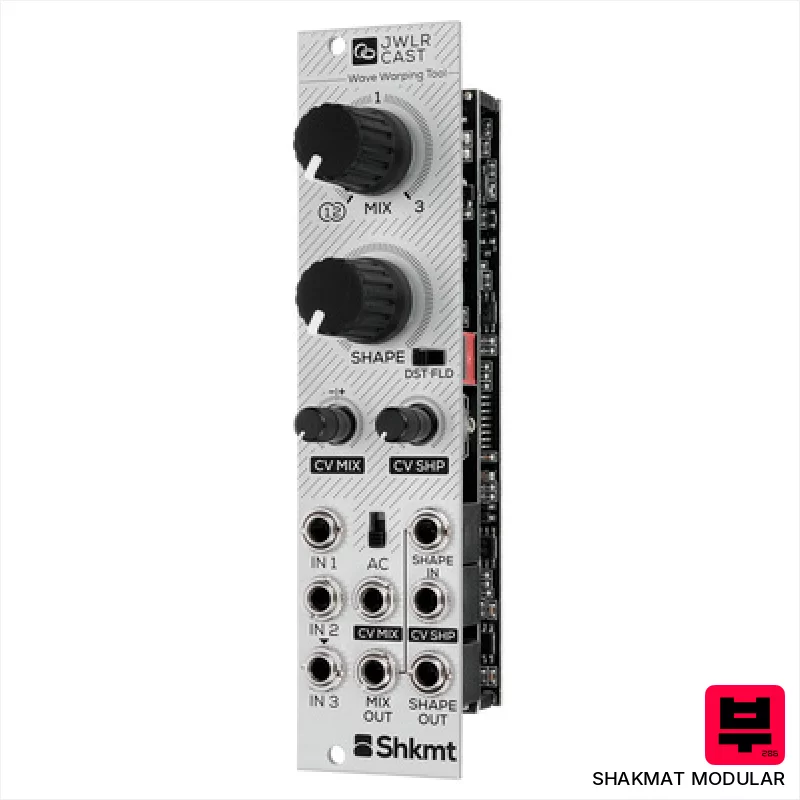
Shakmat Modular Jeweler Cast
- • Jeweler Cast finish adds a premium, tactile feel and visual appeal.
- • The crossfader/ring mod combo offers unique, immediate textural possibilities.
- • Shape section provides versatile waveshaping and gritty distortion options.
- • Compact 6U size maximizes space in dense Eurorack setups.
- • Limited input/output count might restrict complex signal routing.
- • The crossfader's throw could benefit from a smoother, more refined feel.
- • Shape section’s distortion isn’t the most nuanced; leans towards aggressive.
How to Choose the Best Waveshaper, Distortion Modules
Tonal Palette
It's not just 'distortion'; is it a warm tube-like saturation, a brittle digital edge, a smooth wave-folding warmth, or something else entirely? A good coloration module offers a range of usable sounds, not just one harsh setting.
Versatility
Can it do subtle thickening or full-on mayhem? A module that's only good at one thing is limiting. Look for controls that let you shape the distortion-drive, wave shape, feedback, mix-to dial in exactly what you need.
Wave Shape Options
Sine, square, triangle, sawtooth... the input waveform heavily influences the final sound. Some modules let you morph between shapes, adding another layer of complexity and control.
Control Depth
Simple drive knobs are fine, but modules with nuanced controls like wave offset, feedback loops, or even modulation inputs offer far more possibilities for unique and evolving textures.
CPU/Power Efficiency
This matters, especially in modular setups. A module that sucks down power or adds significant latency can quickly become a headache, particularly when layering multiple effects.
Buying Guide
Don't fall for the hype. Cheap waveshapers often trade off headroom, resulting in a muddy, compressed mess when pushed. It's worth spending a little more for a module with a wider dynamic range and cleaner gain stages. If you're new to this, start with something versatile and controllable; a one-trick pony is fun for a minute, but limiting long-term.
Our Methodology
We're not looking at spec sheets here. We've spent countless hours A/B'ing these modules in real-world scenarios - bedroom recording, band rehearsals where the PA's questionable, and even a few gigs where we needed to make a cheap keyboard sound like something more. It's about how it feels and how it sits in a mix, not just numbers.

