
Best Soundscape VST Plugins 2026
Navigating the vast landscape of Soundscape VST plugins can be overwhelming for producers. This roundup focuses on the most essential and innovative audio tools available for creating immersive sonic environments within your DAW. We sift through the noise to bring you expert-vetted selections for 2026.
Last updated: September 30, 2026
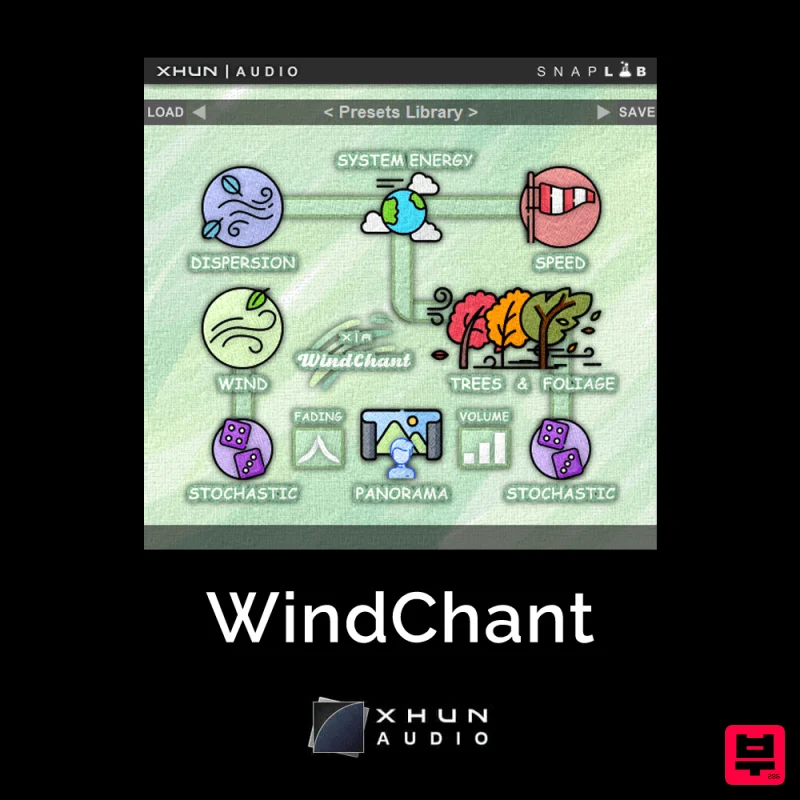
XHUN Audio WindChant
- • Multiple layer mixing built in
- • MIDI triggerable atmosphere scenes
- • Ready-to-use atmospheric soundscape libraries
- • Limited customization in some tools
- • Genre-specific to ambient and media
- • Overused soundscapes in commercial media
How to Choose the Best Vst Soundscape
Sonic Realism
Measures how accurately the plugin simulates real-world acoustic environments and atmospheric textures. High realism ensures your soundscapes feel organic and believable, not synthetic.
Modulation Depth
Assesses the complexity and range of parameters available for shaping the soundscape dynamically. Deeper modulation allows for intricate, evolving textures over static sounds.
CPU Efficiency
Evaluates the computational load the plugin places on the system. Efficient plugins are crucial for complex projects and live performance scenarios.
Workflow Integration
Examines how seamlessly the plugin fits into common DAW workflows and mixing paradigms. Intuitive control maps are non-negotiable for speed.
Sound Design Versatility
Determines the range of sonic elements the plugin can generate, from ambient drones to complex Foley textures. Versatility ensures the plugin serves diverse creative needs.
Buying Guide
When selecting a Soundscape plugin, prioritize the plugin that offers the deepest modulation controls and the most realistic acoustic modeling, regardless of initial cost. Don't just look at presets; assess the underlying engine and how easily you can manipulate the source material to create unique environments. A practical tip: Always test a plugin's interaction with your existing reverb and delay chains to ensure true sonic harmony before committing.
How This List Is Built
We don't play these instruments — we're a catalog, not a review desk, and we'd rather say so than pretend otherwise. This page covers 1 vst soundscape from the Thomann catalogue, which is the largest single source of specification data in this category: 1 in detail, the rest listed with their specifications.
Position is computed, not curated. We parse the manufacturer's own description into actual values — nut width, scale, fret count, fingerboard radius, size, alloy — and rank on them: how many specifications a model has published, how many of them are measurable numbers, and how precisely it meets this page's criterion. A product image adds a little. Price is not a ranking signal: it tells you nothing about whether a neck fits your hand. The same inputs always produce the same order, so nothing here is shuffled to look fresh.
What this list is good for: narrowing a category down to a shortlist by spec and budget. What it isn't: a substitute for hearing an instrument. Before you buy, read hands-on reviews and, where you can, play it. Full methodology.

