
Best Envelope VST Plugins 2026
The Envelope is the backbone of dynamic music production, controlling the amplitude, timing, and modulation of sounds within your DAW. This roundup explores the absolute best Envelope VST plugins available for 2026, designed to give producers unparalleled control over performance and sound shaping. We delve into the nuances that separate a good envelope from a truly exceptional dynamic tool.
Last updated: September 30, 2026
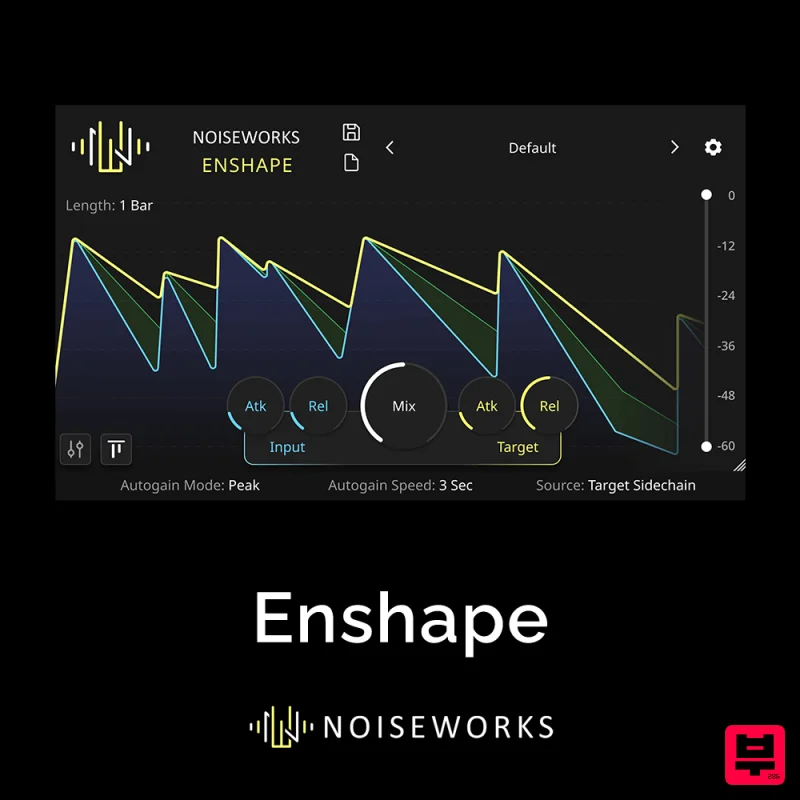
NoiseWorks Enshape
- • Precise attack and release sculpting
- • Simple controls for quick results
- • Transient punch control for drums
- • Can make drums sound unnatural
- • Limited creative scope compared to other tools
- • Often duplicated in compressor plugins
How to Choose the Best Vst Envelope
ADSR Precision
Measures the accuracy and responsiveness of the Attack, Decay, Sustain, and Release parameters. Precision is crucial for subtle dynamic shaping and complex modulation curves.
Modulation Depth
Evaluates the complexity of modulation sources (LFOs, Envelopes, Mod Wheel) and the ability to route these signals effectively. Deeper modulation allows for richer, more expressive sound design.
Expression Mapping
Assesses how seamlessly the envelope data translates into MIDI CCs or host-specific parameters. Smooth mapping is essential for expressive performance and automation.
Latency & CPU Footprint
Determines the plugin's efficiency in real-time processing and its impact on overall system latency. Low overhead ensures smooth performance even with complex signal chains.
Interface & Workflow
Focuses on the usability of the plugin's interface, preset management, and integration into standard DAW workflows. Intuitive design saves valuable production time.
Buying Guide
When selecting an Envelope plugin, prioritize precision in the ADSR and the depth of modulation capabilities over simple envelope generation. For professional results, ensure the plugin offers robust expression mapping and minimal latency. A practical tip: always test the plugin with complex, non-linear modulation sources to truly gauge its dynamic range and responsiveness.
How This List Is Built
We don't play these instruments — we're a catalog, not a review desk, and we'd rather say so than pretend otherwise. This page covers 1 vst envelope from the Thomann catalogue, which is the largest single source of specification data in this category: 1 in detail, the rest listed with their specifications.
Position is computed, not curated. We parse the manufacturer's own description into actual values — nut width, scale, fret count, fingerboard radius, size, alloy — and rank on them: how many specifications a model has published, how many of them are measurable numbers, and how precisely it meets this page's criterion. A product image adds a little. Price is not a ranking signal: it tells you nothing about whether a neck fits your hand. The same inputs always produce the same order, so nothing here is shuffled to look fresh.
What this list is good for: narrowing a category down to a shortlist by spec and budget. What it isn't: a substitute for hearing an instrument. Before you buy, read hands-on reviews and, where you can, play it. Full methodology.

