
Best Voice Processor 2026
So you want to dial in some serious vocal character? A voice processor can be a game-changer, whether you're chasing a robotic cyborg vibe, a lush, harmonized choir, or just tightening up your fundamental tone for a gig. It's not just about Autotune anymore, folks; we're talking about sculpting your vocal presence, adding grit, warmth, and space. But wading through the options can be overwhelming, so let's break down what you need to know.
Last updated: September 1, 2026

Tascam TA-1VP
- • Antares Auto-Tune integration delivers polished, professional vocal correction
- • EVO voice processing offers unique, characterful tonal shaping possibilities
- • Comprehensive connectivity suite handles diverse studio and live setups
- • Robust 19in rackmount design ensures roadworthiness and stable integration
- • Limited flexibility compared to modular software vocal processing chains
- • The tube modelling, while pleasant, is a simulation – lacks true tube warmth
- • The learning curve can be steep for users unfamiliar with vocal processing
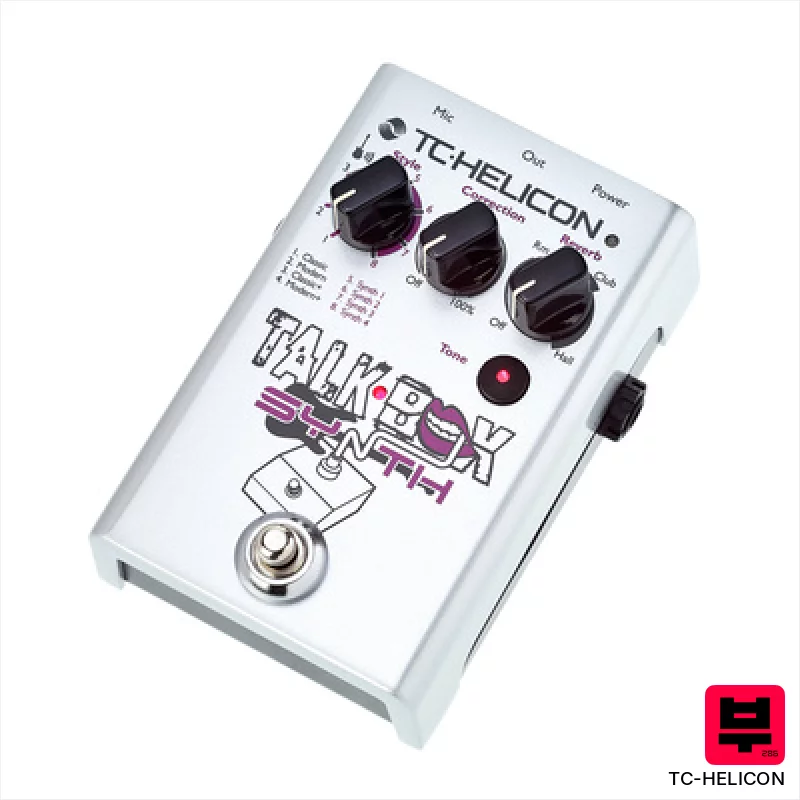
TC-Helicon Talkbox Synth
- • Unique talkbox emulation, surprisingly authentic and fun
- • Guitar-triggered synth sounds add creative sonic possibilities
- • Adaptive Tone technology simplifies gain staging and EQ
- • Compact size and lightweight design enhance pedalboard portability
- • Requires external power supply, adding to overall cost
- • Microphone preamp quality is adequate, not high-end studio level
- • Talkbox effect can sound artificial with less skilled vocalists

TC-Helicon Critical Mass
- • Clean preamp provides a surprisingly transparent and low-noise signal
- • Compact size makes it ideal for gigging musicians with limited space
- • Footswitch offers immediate effect engagement for dynamic performance
- • Balanced XLR connections ensure robust signal transfer and minimal hum
- • Limited effects selection compared to more modern voice processors
- • USB connection requires external power – no included power adapter
- • Harmonizer quality isn't as refined as dedicated vocal harmony units
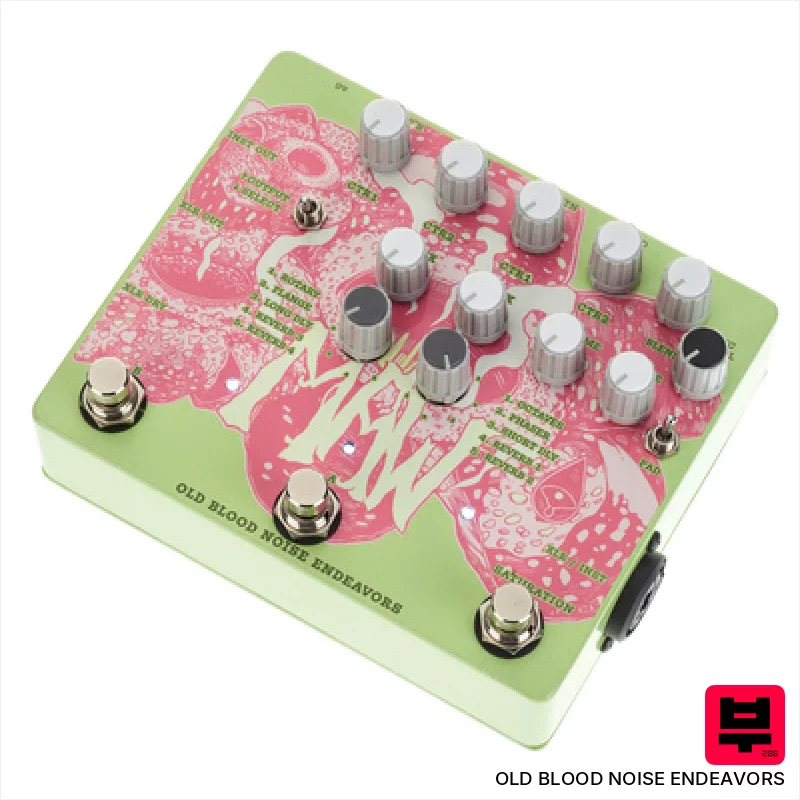
Old Blood Noise Endeavors MAW XLR Pedal
- • Excellent preamplifier for dynamic mics, adds significant warmth
- • Creative effects routing via the FX loop offers tonal flexibility
- • Expression pedal inputs allow for nuanced, real-time control
- • Robust build quality, typical of Old Blood Noise Endeavors' standard
- • Limited preset storage demands diligent knob tweaking
- • The interface, while creative, can feel overwhelming initially
- • Power supply not included adds to the overall investment
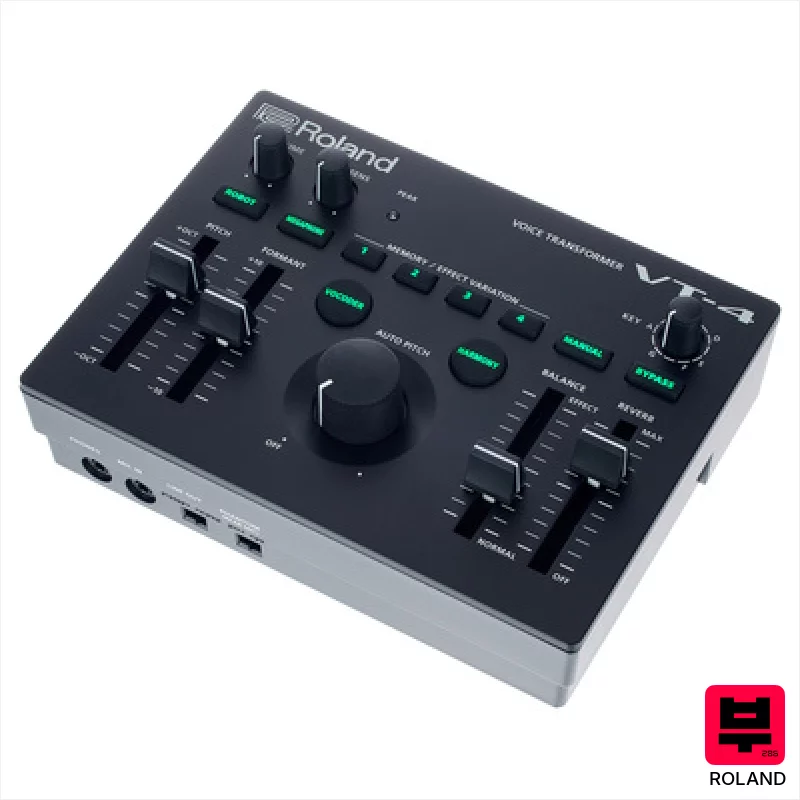
Roland VT-4
- • Intuitive controls offer immediate, creative vocal manipulation.
- • Vocoder is surprisingly usable and sounds genuinely vintage.
- • Compact size and battery operation enable performance flexibility.
- • XLR combo input with phantom power handles professional mics.
- • Limited routing options restrict complex signal chains.
- • Effect quality, while decent, isn't flagship-level Roland.
- • Build feels somewhat plasticky, not as robust as higher-end units.

Roland AIRA Compact E-4 Voice Tweaker
- • Intuitive fader control offers immediate, expressive vocal manipulation.
- • Compact size and battery power enable portable performance and experimentation.
- • Built-in looper simplifies layering and creating vocal textures on the fly.
- • Vocoder effect delivers classic robotic tones with surprising ease and quality.
- • Limited 24-second looper length restricts complex song construction.
- • 3.5mm connections feel a bit flimsy for a professional environment.
- • Microphone preamp lacks the headroom for extremely dynamic vocal sources.
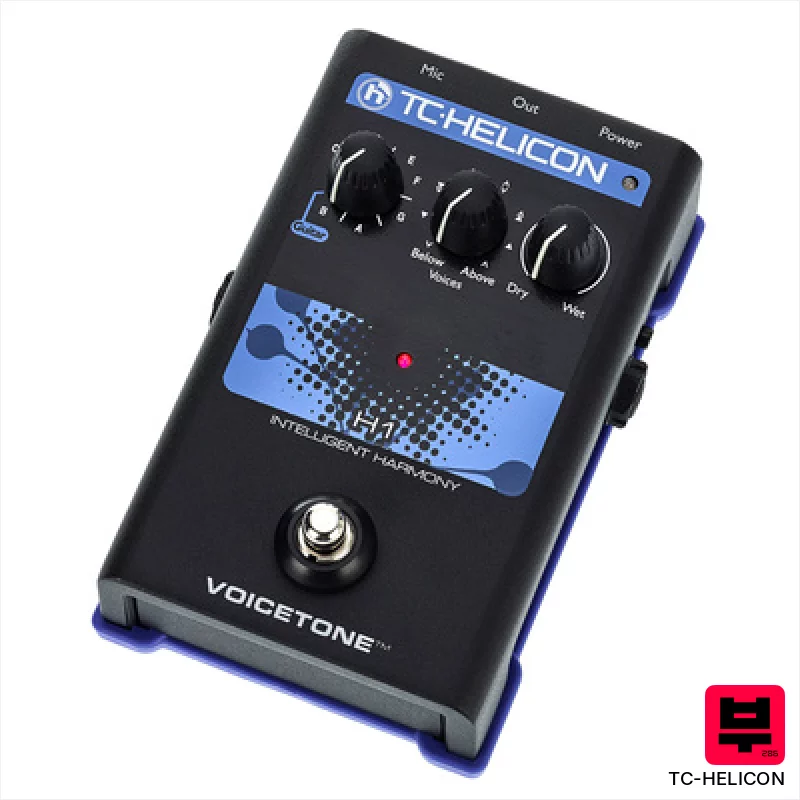
TC-Helicon VoiceTone H1
- • Compact footprint ideal for pedalboards, even smaller ones
- • Solid build quality; feels robust for its size and price
- • Excellent chord recognition for surprisingly accurate harmonies
- • XLR input with phantom power simplifies vocal recording setups
- • Harmonies can sound 'processed' without careful tweaking
- • Limited effect options compared to more expensive vocal processors
- • USB connectivity primarily for software updates, not extensive editing
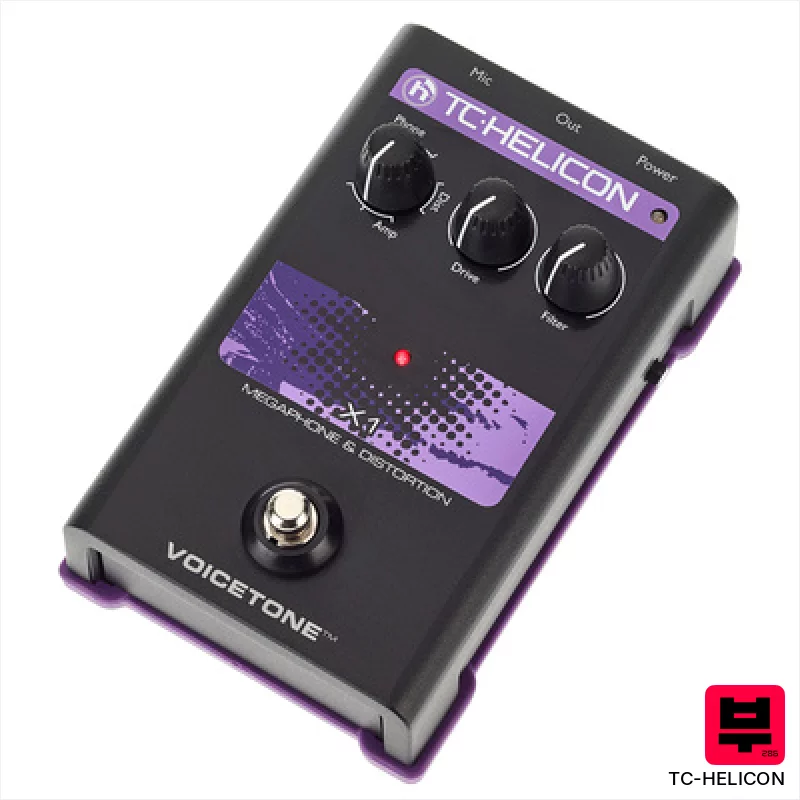
TC-Helicon VoiceTone X1
- • Solid build quality with robust foot-switches and housing
- • XLR input & phantom power simplifies recording and live use
- • Megaphone effect adds unique character for performance
- • Daisy-chaining with other VoiceTone pedals expands sonic possibilities
- • Limited effect selection compared to higher-end vocal processors
- • USB connectivity primarily for software, not audio interface functionality
- • Distortion effect can be harsh and one-dimensional
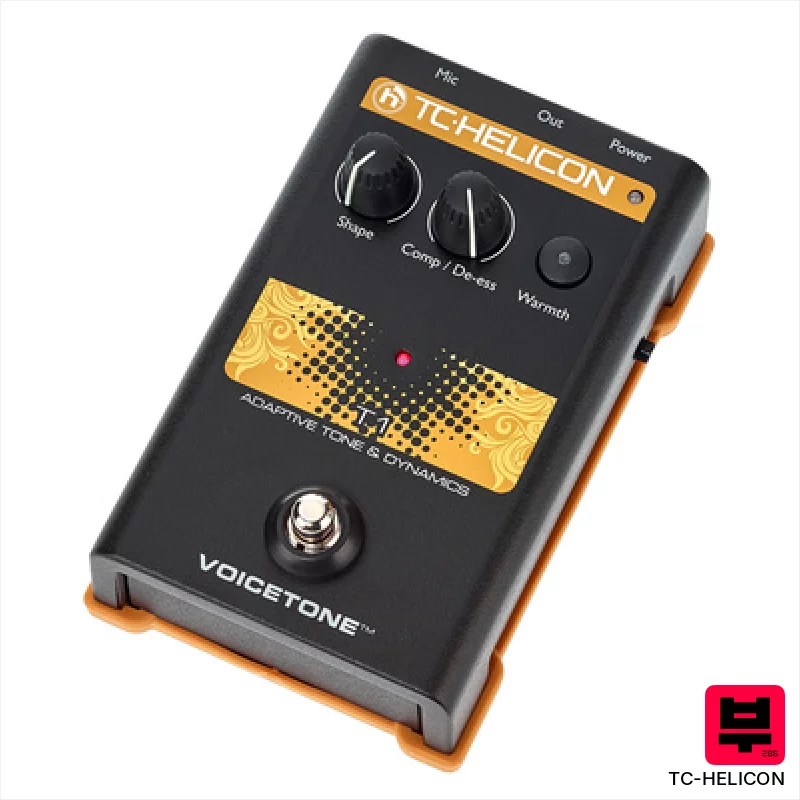
TC-Helicon VoiceTone T1
- • Excellent VoiceLive 2 algorithms deliver professional vocal polish
- • Built-in phantom power simplifies setup with condenser mics
- • Recessed gain control prevents accidental signal adjustments
- • Daisy-chaining with other VoiceTone pedals expands functionality
- • Limited effects compared to full VoiceLive units
- • Phantom power is always on, potentially problematic for some mics
- • USB connectivity primarily for software, not audio interface
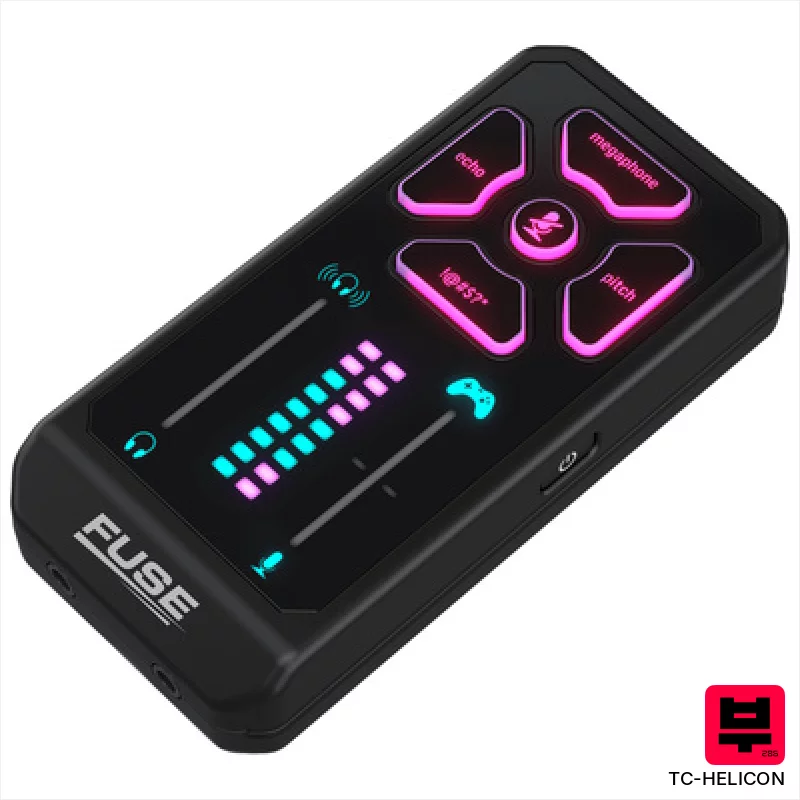
TC-Helicon Fuse
- • Compact form factor enhances portability and setup ease
- • TC Helicon's vocal effects offer professional-grade processing
- • USB connectivity enables seamless integration with streaming platforms
- • Built-in battery provides flexibility for on-the-go use
- • Limited control compared to dedicated vocal processors
- • RGB lighting may feel gimmicky to some users
- • Analog headset compatibility restricts microphone options

TC-Helicon VoiceTone R1
- • Excellent reverb quality leveraging VoiceLive algorithms
- • Compact footprint ideal for pedalboard integration
- • XLR input with phantom power simplifies mic connectivity
- • Daisy-chaining expands functionality with other VoiceTone pedals
- • Limited to reverb effects; lacks broader vocal processing options
- • Phantom power cannot be disabled, potentially problematic with some mics
- • Preset selection is somewhat restricted for extensive creative control
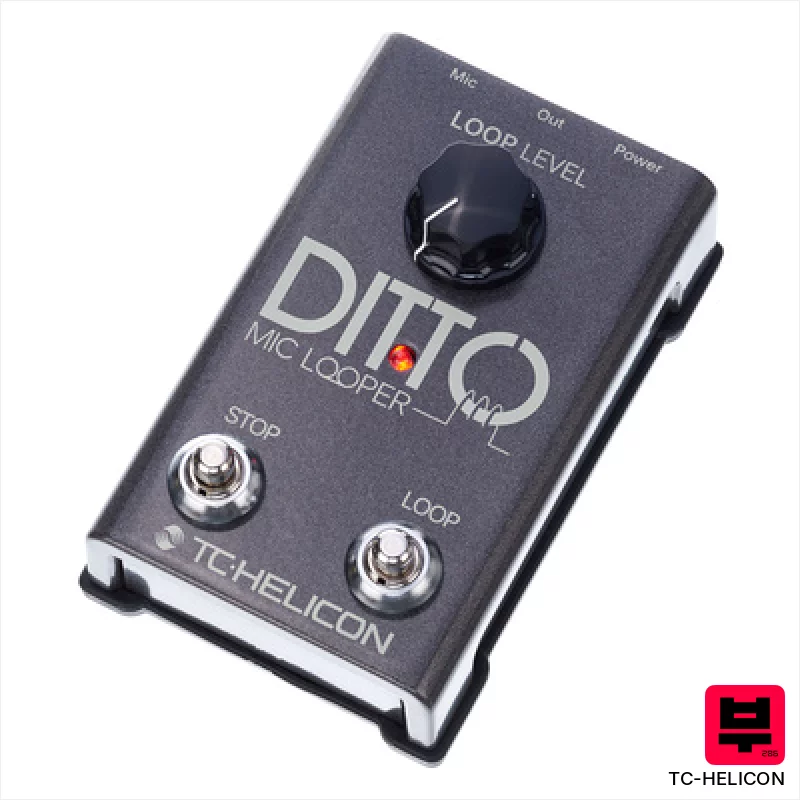
TC-Helicon Ditto Mic Looper
- • Excellent audio resolution for pristine loop clarity
- • Compact, rugged build perfect for gigging musicians
- • Phantom power simplifies condenser mic use on the fly
- • Saved loop functionality prevents frustrating data loss
- • Limited effects beyond basic looping functionality
- • Small footprint can make footswitching feel cramped
- • No MIDI control for advanced parameter adjustments
Voice Processor by the numbers
Measured across all 12 models in this category, so «wide», «short» or «expensive» mean something you can check.
How to Choose the Best Voice Processor
Harmonization
Beyond just Autotune, good harmonization algorithms create believable and musical harmonies. Cheap units often sound robotic and out-of-sync, especially when your vocal isn't perfectly on pitch. Listen for natural-sounding intervals and the ability to adjust voice density.
Effects Quality
Reverb, delay, distortion, modulation - these are the building blocks of vocal character. A lot of processors pack in a ton of effects, but the quality varies wildly. Do they add depth and texture, or just a thin, digital wash? Look for effects that respond dynamically to your playing.
Real-time Processing Power
This is critical for live performance. Can the processor handle multiple effects chains without choking up or introducing latency? Latency is a killer - even a tiny delay can throw off your timing and make it feel unnatural.
Ease of Use
Complex menus and cryptic controls are a nightmare on stage. A well-designed interface, intuitive layout, and presets that actually sound good are huge time-savers. Think about how quickly you'll need to dial in sounds in a live setting.
Dynamics Processing
Compression, limiting, and de-essing are essential for a polished vocal. A good processor will tame unruly peaks, even out your dynamics, and reduce sibilance without sucking the life out of your performance. Cheap compressors often sound flat and lifeless.
Buying Guide
A cheap voice processor might seem tempting, but corners are always cut somewhere - usually in the quality of the effects or the responsiveness of the processing. Paying a bit more for a unit with solid dynamics processing and a clean, low-latency signal path will save you headaches in the long run. Don't be afraid to demo units if you can - hearing is believing, especially when it comes to vocal tone.
How This List Is Built
We don't play these instruments — we're a catalog, not a review desk, and we'd rather say so than pretend otherwise. This page covers 12 voice processor from the Thomann catalogue, which is the largest single source of specification data in this category: 12 in detail, the rest listed with their specifications.
Position is computed, not curated. We parse the manufacturer's own description into actual values — nut width, scale, fret count, fingerboard radius, size, alloy — and rank on them: how many specifications a model has published, how many of them are measurable numbers, and how precisely it meets this page's criterion. A product image adds a little. Price is not a ranking signal: it tells you nothing about whether a neck fits your hand. The same inputs always produce the same order, so nothing here is shuffled to look fresh.
What this list is good for: narrowing a category down to a shortlist by spec and budget. What it isn't: a substitute for hearing an instrument. Before you buy, read hands-on reviews and, where you can, play it. Full methodology.

