
Best Vocalists Under $800 2026
Alright, so you need a vocalist - a vocal processor, not a singer - and you're staring down an $800 budget. It's doable, but you gotta be smart about it. Forget about those flagship units; we're hunting for serious bang-for-the-buck here, stuff that'll help your vocals cut through a live mix or add some character to your home recordings without breaking the bank. Let's find something that actually sounds good, not just looks impressive.
Last updated: April 11, 2026

Boss VE-8 Acoustic Singer Bundle
- • Excellent vocal processing for acoustic guitar pairings
- • Gator bag offers robust protection and portability
- • Intuitive interface simplifies complex effects layering
- • Harmonizer is surprisingly responsive and musically useful
- • Limited looper time may frustrate serious looping artists
- • Build quality feels plasticky, not as robust as flagship Boss units
- • AUX input lacks dedicated level control, can be tricky to balance
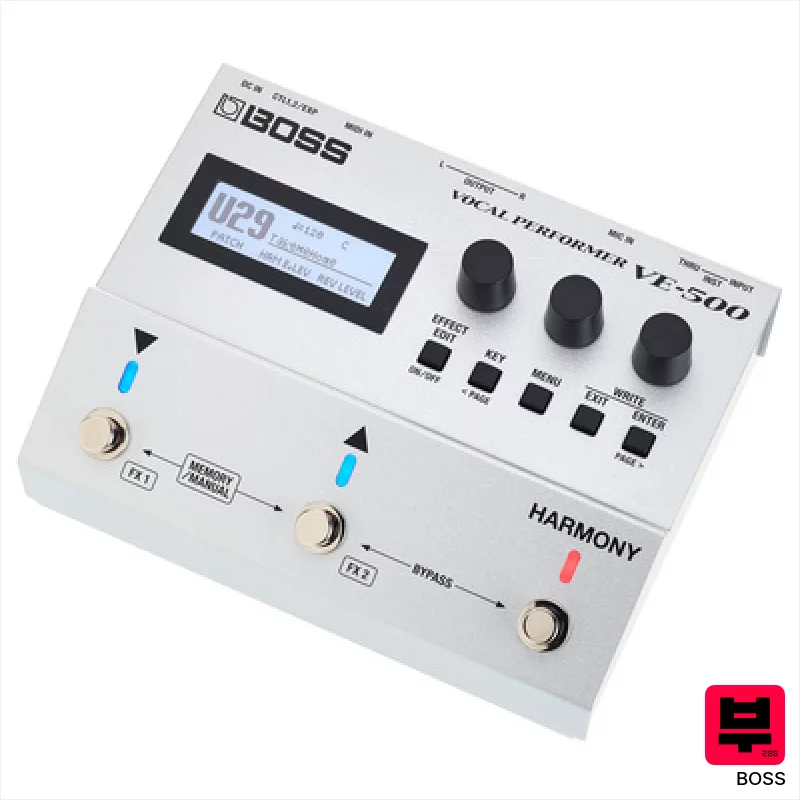
Boss VE-500 Vocal Performer
- • Gapless tracking is genuinely impressive for real-time harmony creation
- • Intuitive interface makes complex effects chains surprisingly accessible
- • Robust BOSS build quality inspires confidence for gigging musicians
- • Looper is a surprisingly capable addition for live performance
- • Harmonies, while good, can still sound artificial with complex vocal styles
- • Limited physical controls necessitate reliance on footswitches or expression pedal
- • Effect selection, while broad, lacks truly unique or boutique-level sounds
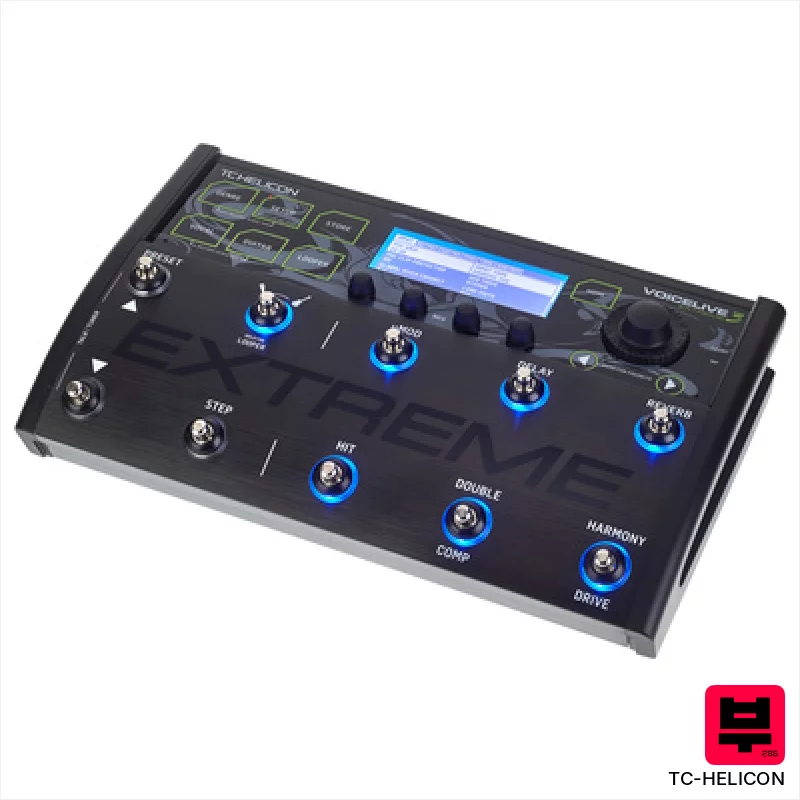
TC-Helicon VoiceLive 3 Extreme
- • Impressive vocal harmony engine with excellent guitar sync.
- • Robust loop functionality for creating complex vocal layers.
- • Versatile effects suite covers a wide range of vocal and guitar tones.
- • Intuitive LCD display simplifies navigation and parameter adjustments.
- • Size and weight make it less ideal for smaller pedalboards or travel.
- • Vocoder functionality, while creative, can be complex to master.
- • Menu diving can become tedious for quick adjustments during live performance.

Boss VE-22 Vocal Performer
- • Excellent vocal doubling and harmonization algorithms sound surprisingly natural.
- • Intuitive LCD and knob layout drastically reduces learning curve for real-time tweaks.
- • Built-in looper is genuinely useful for practice and live performance layering.
- • XLR inputs and phantom power offer professional-grade connectivity and flexibility.
- • Effects can sound a bit 'processed' if not carefully dialed; requires experimentation.
- • Limited EQ control compared to dedicated vocal processors; lacks surgical precision.
- • Battery life is adequate, but AC power is preferable for longer gigs.

Boss VE-8 Acoustic Singer
- • Excellent vocal clarity with Boss’s renowned processing
- • Intuitive harmonies sound surprisingly natural and usable
- • Compact design makes it stage-ready and easy to transport
- • Looper offers a solid foundation for practice and performance
- • Limited effects compared to dedicated multi-effects units
- • Guitar input lacks tonal shaping beyond preamp functionality
- • Build quality feels plasticky for the price point

Boss VE-5 WH Vocal Performer
- • Excellent vocal processing chain for live performance
- • Integrated looper simplifies layering and backing tracks
- • Compact design and battery power for portability
- • Boss build quality ensures reliable operation
- • Limited looper time compared to dedicated loopers
- • Harmonizer quality isn't studio-grade, more for live vibe
- • White finish might not suit all stage aesthetics

Boss VE-5 RD Vocal Performer
- • Intuitive interface simplifies complex vocal processing quickly.
- • Solid build quality; feels robust for gigging and travel.
- • Integrated looper is surprisingly functional for live performance.
- • Harmonizer offers usable, creative vocal textures.
- • 38-second looper is limiting for extended song sections.
- • Dynamic processing can be a bit harsh without careful tweaking.
- • Limited flexibility compared to dedicated DAW vocal chains.
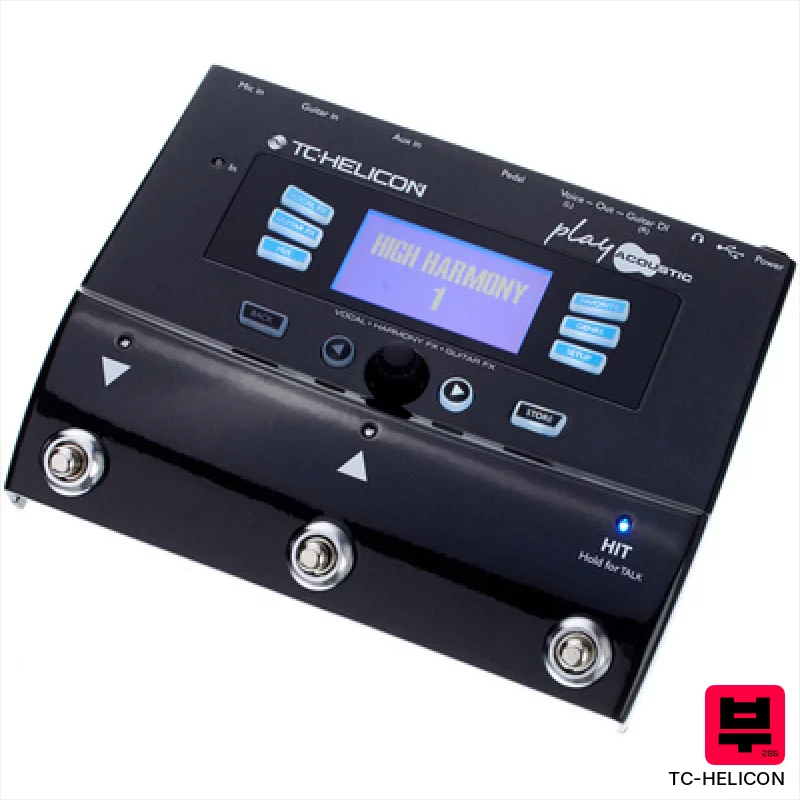
TC-Helicon Play Acoustic
- • BodyRez filter noticeably tames harsh acoustic guitar frequencies.
- • Integrated effects are surprisingly usable and well-voiced for a compact unit.
- • VLOOP looper provides a convenient performance tool for live looping.
- • XLR DI output offers a clean, usable signal for recording or PA systems.
- • Harmonizer algorithms can sound artificial, especially with complex chord progressions.
- • Limited EQ control compared to standalone acoustic processors.
- • Plastic enclosure feels a little budget-friendly, lacks premium robustness.
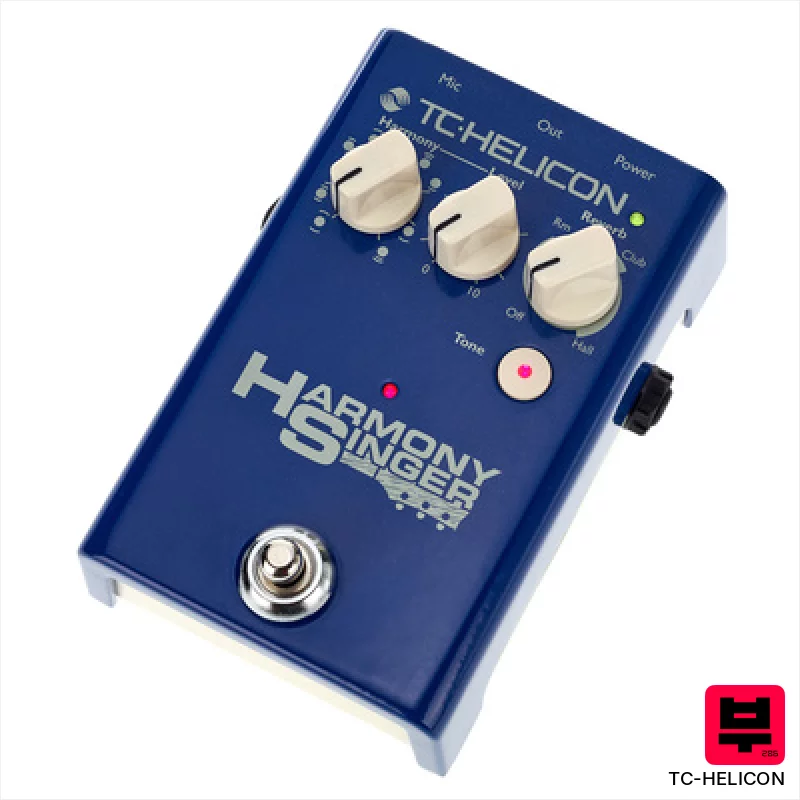
TC-Helicon Harmony Singer 2
- • Metal housing feels robust, ready for gigging abuse
- • Guitar-driven pitch control is surprisingly intuitive and responsive
- • Integrated reverb adds depth without needing external gear
- • Mic control feature simplifies setup with compatible Sennheiser/TC-Helicon mics
- • Harmony generation can sound artificial with complex vocal styles
- • Limited harmonic voice options restrict creative flexibility
- • Size and weight make it less ideal for ultra-portable setups

TC-Helicon VoiceLive Play
- • NaturalPlay harmonies sound surprisingly convincing for the price.
- • Built-in mics are genuinely useful for practice and pitch training.
- • VLoop looper provides a simple, effective performance tool.
- • Compact size makes it stage-friendly and easy to transport.
- • Harmony algorithms can occasionally sound 'robotic' with complex vocal styles.
- • Limited preset customization compared to higher-end vocal processors.
- • XLR outputs are unbalanced, not ideal for critical studio applications.
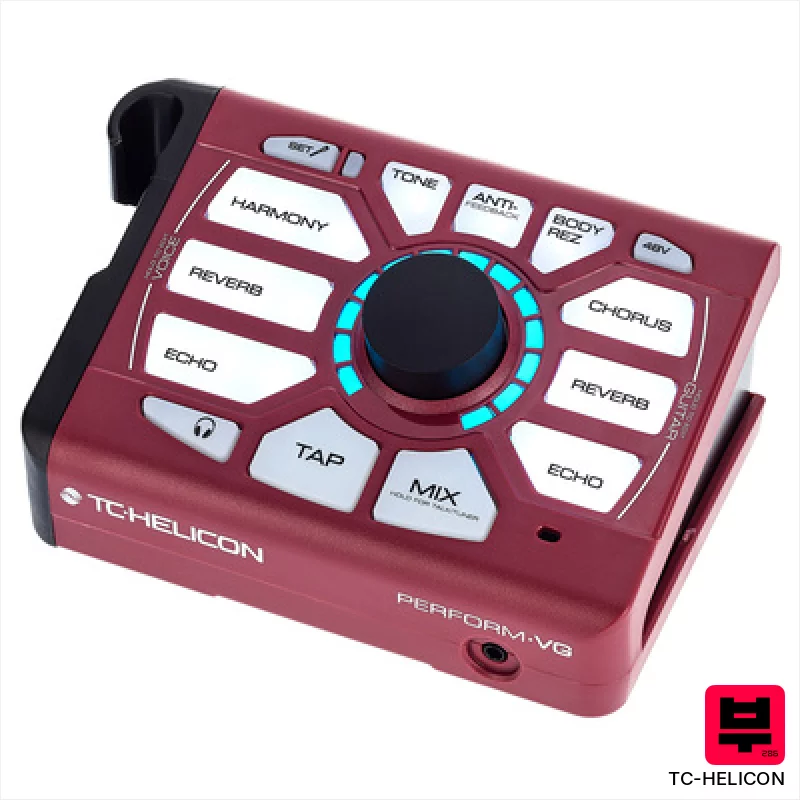
TC-Helicon Perform-VG
- • Excellent vocal doubling and harmony creation for live performance
- • Built-in preamp delivers clean gain, suitable for dynamic mics
- • Compact size makes it travel-friendly for gigging musicians
- • Anti-feedback function is surprisingly effective for live stages
- • Limited effect customization compared to dedicated multi-effects units
- • Guitar input impedance isn't ideal for high-impedance pickups
- • AUX input is line-level only, not mic-level
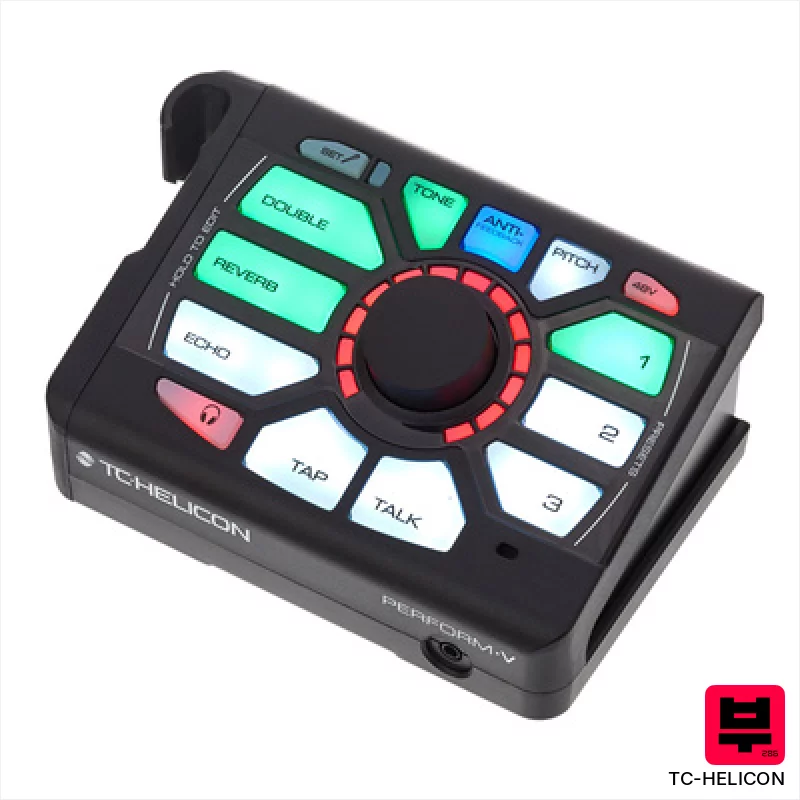
TC-Helicon Perform-V
- • Compact design offers great portability for gigging musicians
- • Adaptive Tone app integration allows for quick, personalized EQ adjustments
- • Built-in preamp delivers a surprisingly clean and usable mic signal
- • Intuitive pedal layout makes creating harmonies and effects relatively easy
- • Limited effect options compared to more premium vocal processors
- • Aux input is a basic 3.5mm jack – feels a bit cheap for the price
- • Harmony voice quality can sound synthetic at higher complexity settings

Zoom V6 SP
- • Excellent vocal doubling and harmony generation, surprisingly natural sounding.
- • Formant expression pedal offers unique, nuanced vocal manipulation possibilities.
- • Built-in looper is genuinely usable for live performance and practice.
- • The XLR input with phantom power accommodates professional microphones.
- • Menu navigation can be clunky and less intuitive than dedicated hardware.
- • The plastic enclosure feels a bit budget-conscious for stage use.
- • Limited flexibility for complex, custom vocal signal chains.

TC-Helicon Mic Mechanic 2
- • Integrated preamp delivers clean, usable gain even with dynamic mics
- • Tone correction subtly smooths vocals without obvious robotic artifacts
- • Compact size makes it ideal for gigging musicians with limited space
- • Presets offer quick recall for diverse vocal styles and performance needs
- • Limited effects compared to larger, rack-mounted vocal processors
- • Battery power is a stop-gap; AC power supply is essential for regular use
- • De-esser can be aggressive if not carefully adjusted for vocal dynamics
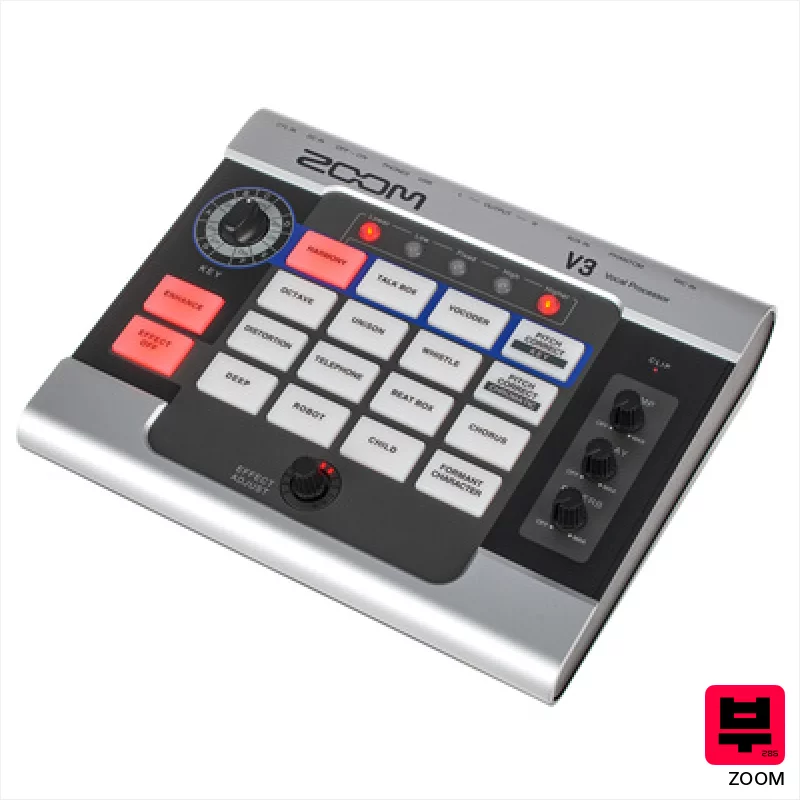
Zoom V3
- • Creative vocal effects offer unique performance possibilities
- • Built-in USB interface simplifies recording and digital integration
- • Phantom power accommodates condenser microphones directly
- • Compact size and battery operation allow for portable use
- • Effect quality is good for the price, but not studio-grade
- • Limited physical controls can make live tweaking challenging
- • Construction feels plasticky; lacks premium build feel
How to Choose the Best Vocalists
Harmonies
Can it create usable, musically convincing harmonies? Too robotic and it's useless; too glitchy and it's a headache. We're looking for something that can be tweaked to sound natural, even if it's a little cheesy.
Reverb/Delay
These are your bread and butter. Cheap reverbs often sound like a tin can; we need something with decent decay times and tonal shaping options - subtle hall, bright plate, or even a usable slapback.
Pitch Correction/Vocoder
Essential for modern production, but often a source of awful digital artifacts. We're judging based on how transparent it is at subtle correction and how usable the vocoder sounds without sounding like a robot barfing out vowels.
Dynamics Processing (Compression/Limiting)
A good compressor is critical for vocal clarity and headroom. We're looking for something that can tame peaks without crushing the dynamics - that's the key to a vocal that sits well in the mix.
Ease of Use
Let's be honest, complex menus are a pain on stage. Intuitive controls and a logical workflow are huge for getting a usable sound quickly, especially when you're battling feedback and a less-than-ideal monitor mix.
Buying Guide
At this price point, you're making trade-offs. Don't expect pristine, studio-grade quality. Often, it's a compromise between the number of effects and the quality of each. Look for units with a good core set of effects you can actually use, rather than a ton of gimmicky ones. Used gear is your friend - you can often snag a higher-end unit for less than retail, just be sure to check for wear and tear on the knobs and buttons.
How This List Is Built
We don't play these instruments — we're a catalog, not a review desk, and we'd rather say so than pretend otherwise. This page ranks 15 vocalists from the Thomann catalogue, which is the largest single source of specification data in this category.
Position is computed, not curated. Four signals, in order of weight: how completely the manufacturer documents the instrument (number of published specifications), where it sits in the price range, how specific the model designation is — which filters out generic accessories — and whether a product image exists. The same inputs always produce the same order, so nothing here is shuffled to look fresh.
What this list is good for: narrowing a category down to a shortlist by spec and budget. What it isn't: a substitute for hearing an instrument. Before you buy, read hands-on reviews and, where you can, play it. Full methodology.

