
Best Various Modules for Specialized Functions 2026
Okay, so you're past the basic VCO-filter-envelope setup and you're craving something specific. Maybe you need a module that nails glassy FM textures, or a really weird, evolving reverb. This isn't about the bread and butter - it's about the modules that fill the gaps and unlock sounds you didn't know were possible. We're diving into specialized functions; modules that aren't just doing something, but doing it in a unique, targeted way.
Last updated: July 15, 2026 • Next update: July 22, 2026
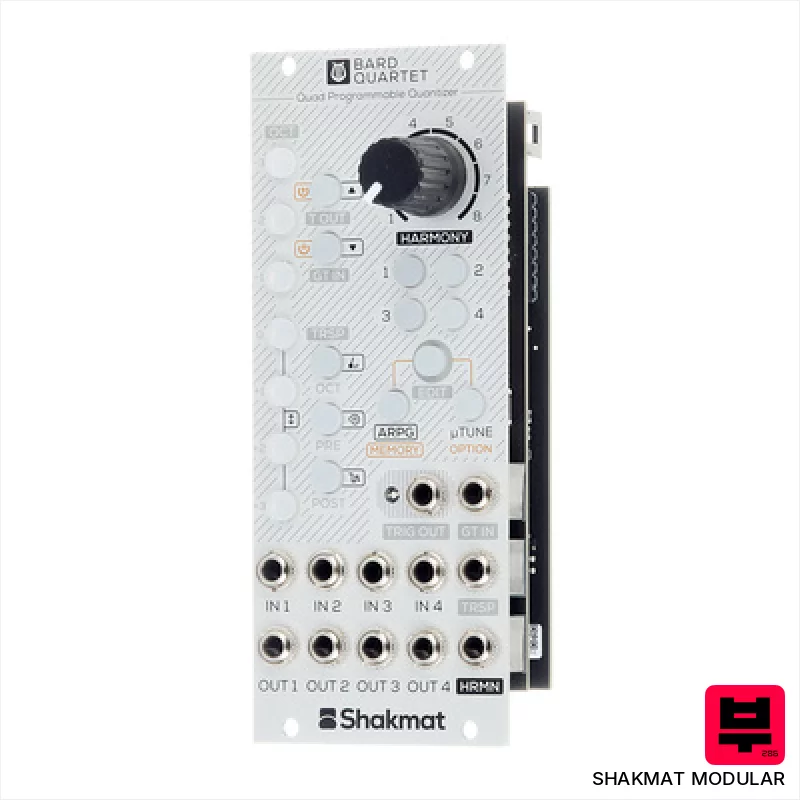
Shakmat Modular Bard Quartet
- • Exceptional scale programming flexibility for complex harmonic textures.
- • Arpeggiator modes offer diverse rhythmic possibilities beyond standard patterns.
- • Compact 10TE width maximizes space in dense Eurorack setups.
- • Robust build quality typical of Shakmat, feels very solid and reliable.
- • Limited polyphony; four channels might be restrictive for larger arrangements.
- • Microtuning implementation, while powerful, has a steeper learning curve.
- • No built-in sequencer; requires external clock and control voltage sources.
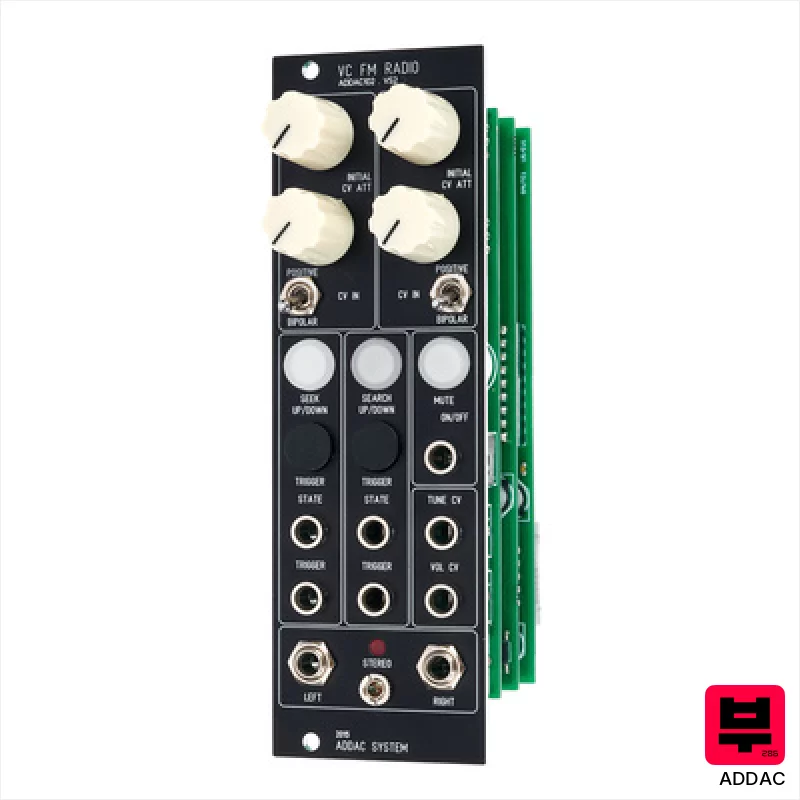
ADDAC 102 VC FM Radio
- • Unique FM radio source adds organic unpredictability to soundscapes
- • CV control offers expressive, real-time modulation of tuning and volume
- • Station search and direct select provide practical, usable radio functionality
- • Compact 8HP footprint maximizes space in dense modular setups
- • Limited frequency range (86-106 MHz) restricts accessible stations
- • Stereo output might introduce phasing issues in mono environments
- • Power draw, while manageable, can be a factor in limited power systems

ADDAC 501 Complex Random
- • Four independent random channels offer incredible complexity.
- • Chromatic quantization is surprisingly musical and useful.
- • Brownian and Normal modes provide distinct random character.
- • Compact 8HP footprint maximizes modular space efficiency.
- • Limited expandability, relying solely on the 501B.
- • The initial learning curve can be steep for random generation novices.
- • Lacks attenuators for finer control over random voltage ranges.
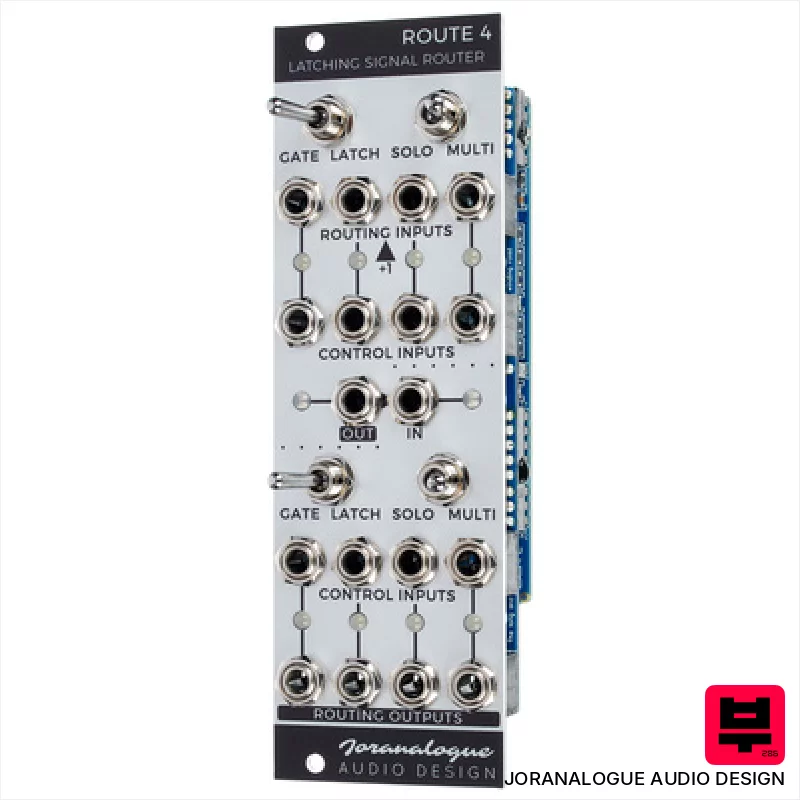
Joranalogue Audio Design Route 4
- • Dual routing sections offer incredible signal flexibility for complex patching.
- • Joranalogue's build quality ensures reliable performance for years.
- • Latch functionality allows for intricate sequencing and modulation possibilities.
- • Compact 8HP footprint maximizes space in tight Eurorack setups.
- • Limited routing capacity compared to larger, more expensive routers.
- • Control inputs can become congested with complex modulation schemes.
- • LED indicators, while helpful, are relatively dim in bright environments.
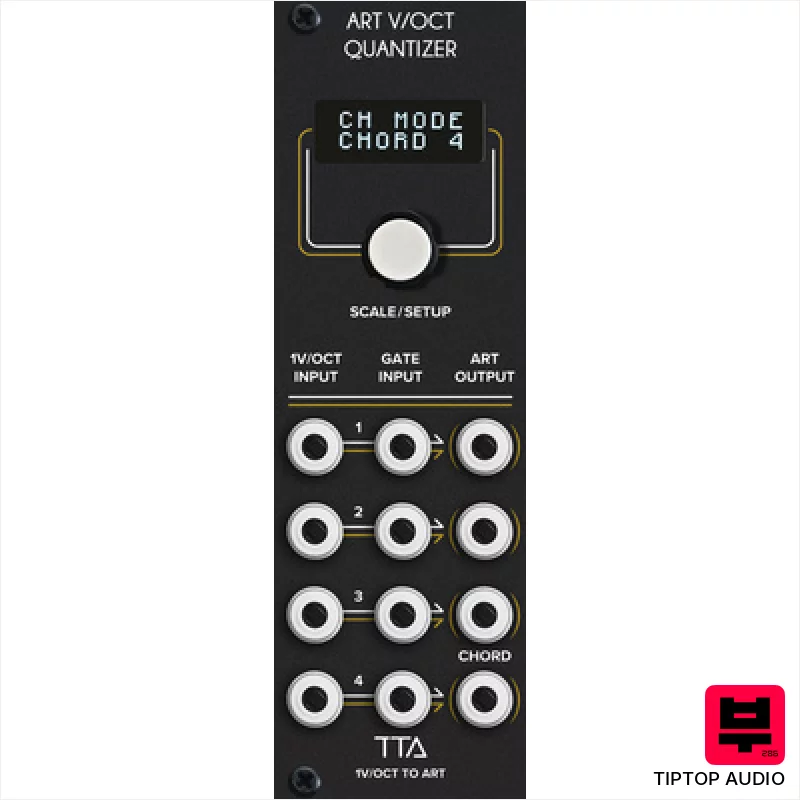
Tiptop Audio ART V/OCT Quantizer
- • Four channels offer incredible flexibility for complex sequencing.
- • Robust aluminum enclosure feels exceptionally solid and durable.
- • Excellent voltage stability minimizes drift and quantization errors.
- • ART oscillator compatibility unlocks unique, characterful tonal possibilities.
- • Power draw, while not excessive, can be a factor in smaller systems.
- • Limited modulation options beyond simple CV input and output.
- • ART oscillators are required for full functionality, adding to overall cost.
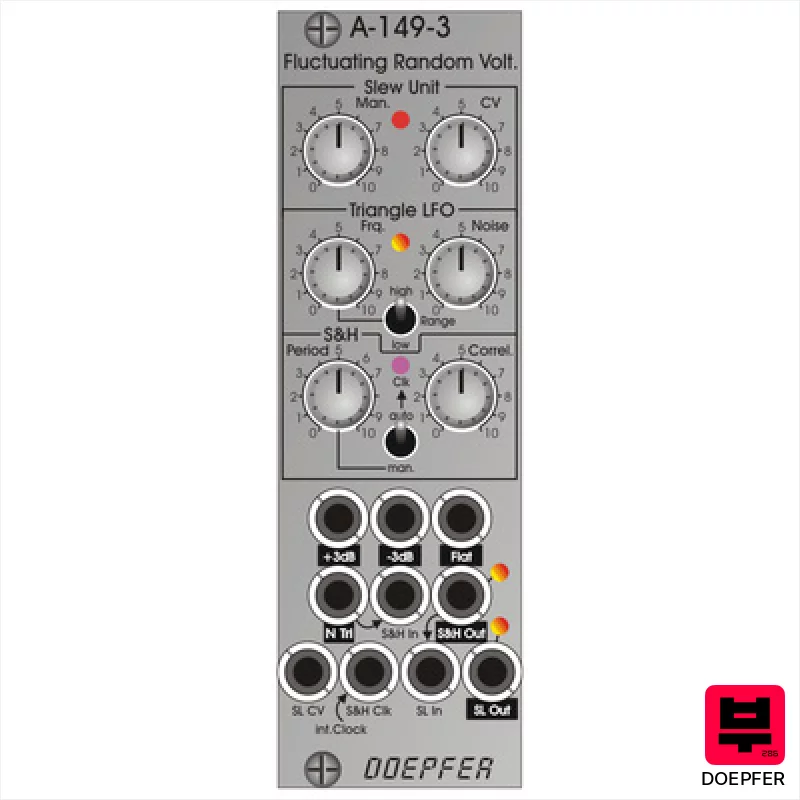
Doepfer A-149-3
- • Excellent noise generator with diverse color options.
- • Sample & Hold section offers unique, evolving textures.
- • Flexible slew limiter adds dynamic shaping capabilities.
- • Compact 8HP footprint maximizes modular space efficiency.
- • Limited modulation destinations compared to more modern modules.
- • The triangular oscillator is basic; lacks tonal complexity.
- • Can be overwhelming for beginners due to its many controls.
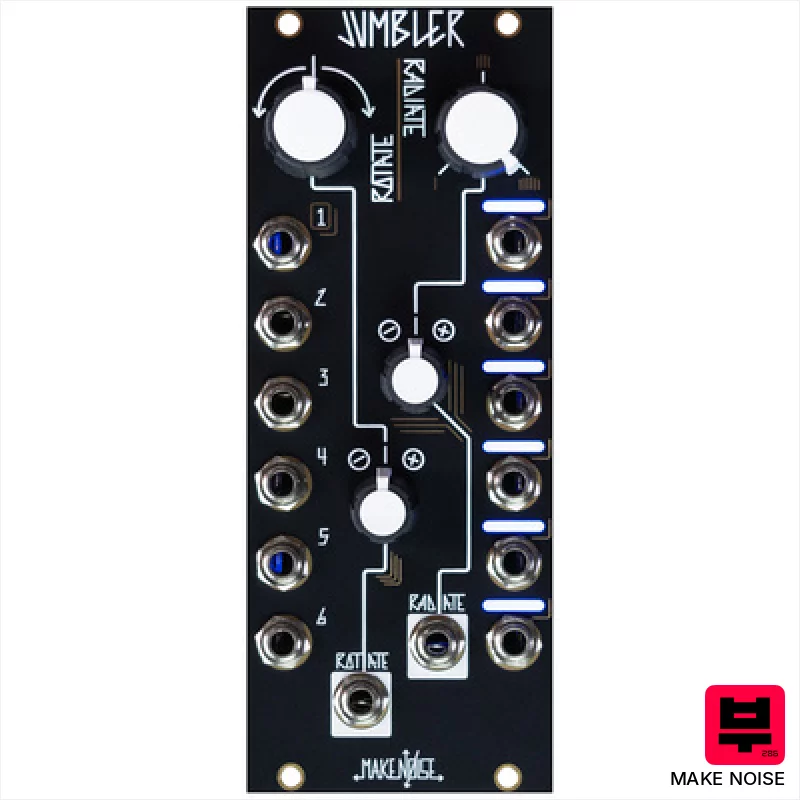
Make Noise Jumbler
- • Exceptional crossfading capabilities for evolving textures.
- • Intuitive rotate knob provides precise, stepless control.
- • Compact 10HP footprint maximizes valuable modular space.
- • Bipolar attenuators offer nuanced control over rotation parameters.
- • Limited number of channels compared to larger mixers.
- • Make Noise modules can be pricey for budget-conscious users.
- • LED displays, while functional, lack detailed visual feedback.
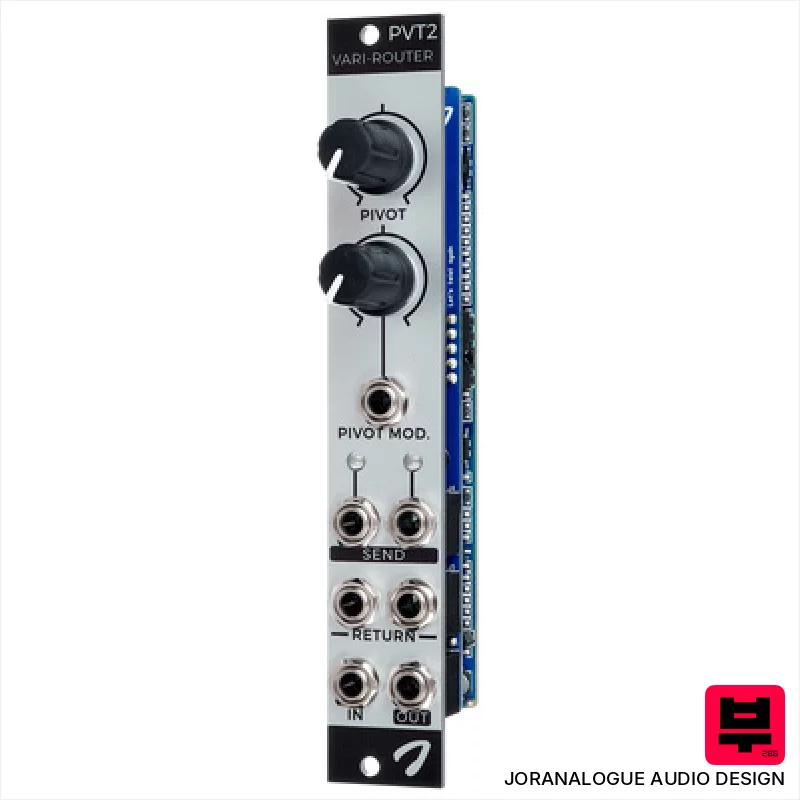
Joranalogue Audio Design Pivot 2
- • Joranalogue's routing flexibility unlocks unique signal sculpting possibilities.
- • Pivot control offers intuitive, continuous parallel/series signal shaping.
- • Compact 4U format maximizes space in dense Eurorack racks.
- • Robust build quality; Joranalogue's reputation for reliable modules.
- • Limited to two insert paths; more complex routing requires additional modules.
- • Pivot CV attenuator’s range may feel restrictive for some users.
- • Relatively high power draw for a module of this size.
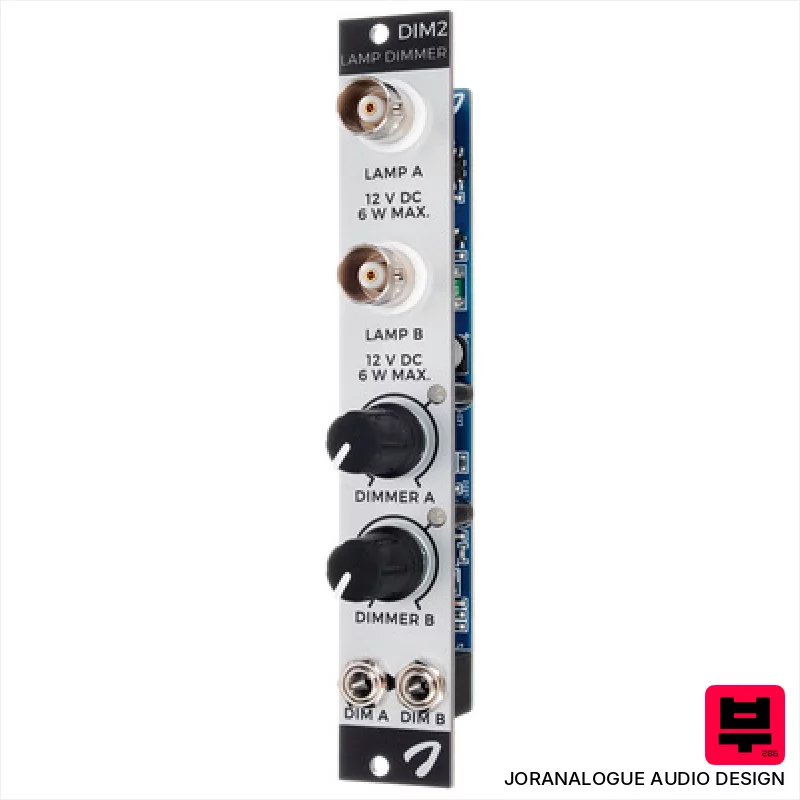
Joranalogue Audio Design Dim 2
- • Excellent dimming range offers precise lighting control.
- • 20kHz PWM eliminates flicker, crucial for stage use.
- • Compact 4U width saves valuable rack space.
- • Gooseneck lamps provide flexible and focused illumination.
- • Power draw, while manageable, could be lower for some systems.
- • Limited to two lamps; larger rigs will need multiple modules.
- • The included lamps are basic; upgrades could improve aesthetics.

NANO Modules VCV Random
- • Excellent parameter density within a small module footprint.
- • Smooth random voltage generation avoids harsh, jarring outputs.
- • The linear CV output normalization enables surprisingly complex self-modulation.
- • Bipolar offset switch provides a wider range of random voltage possibilities.
- • Limited modulation destinations compared to more expansive random sources.
- • The slider controls can feel a bit cramped for precise adjustments.
- • Current draw, while manageable, could be a concern in power-constrained systems.
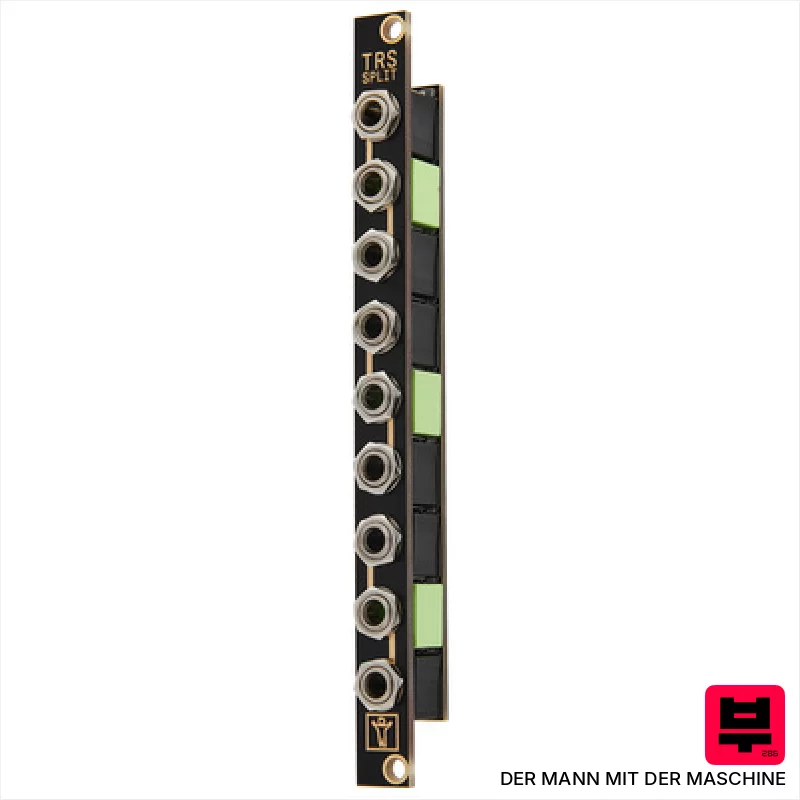
Der Mann mit der Maschine TRS Split
- • Excellent signal integrity with minimal loss across all three splits.
- • Compact 2HP footprint maximizes precious modular space.
- • Passive design eliminates power supply concerns and noise introduction.
- • Robust construction; feels solid and dependable despite its size.
- • Passive design means signal level is attenuated, might need gain compensation.
- • 3.5mm jacks are a bit fiddly for larger hands/cables.
- • Limited to three splits; more complex routing needs other modules.

Tiptop Audio uZeus Black
- • Robust flying bus boards offer excellent signal routing flexibility.
- • Solid aluminum chassis provides a premium, durable feel.
- • Compact 4U width maximizes space in tight Eurorack setups.
- • Tiptop's reliable power delivery minimizes noise and instability.
- • Requires a separate Boost Adapter, adding to the overall cost.
- • Limited current output on -12V may restrict module choices.
- • Bus board slots aren't individually protected from accidental shorts.
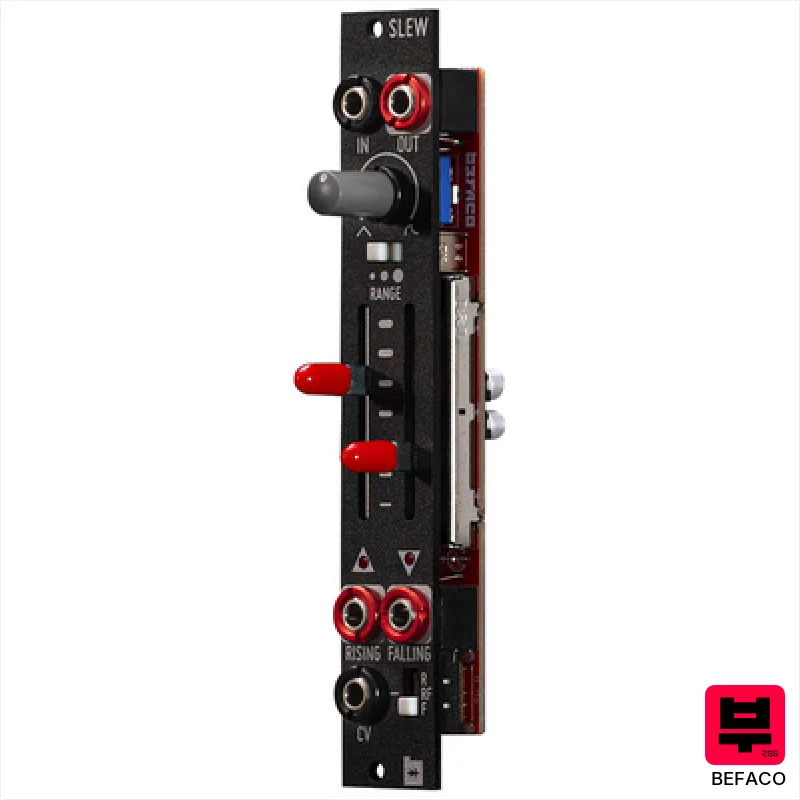
Befaco Slew
- • Excellent shaping capabilities for subtle or aggressive modulation.
- • The fader provides intuitive, real-time adjustment of slew rates.
- • Shape control offers a surprising degree of tonal character shaping.
- • Compact 4HP footprint makes it ideal for dense modular setups.
- • Limited time range selection might not suit extreme tempo changes.
- • Assignable CV input lacks attenuation, potentially overwhelming the module.
- • The all-plastic enclosure, while lightweight, feels less robust than Befaco's metal options.
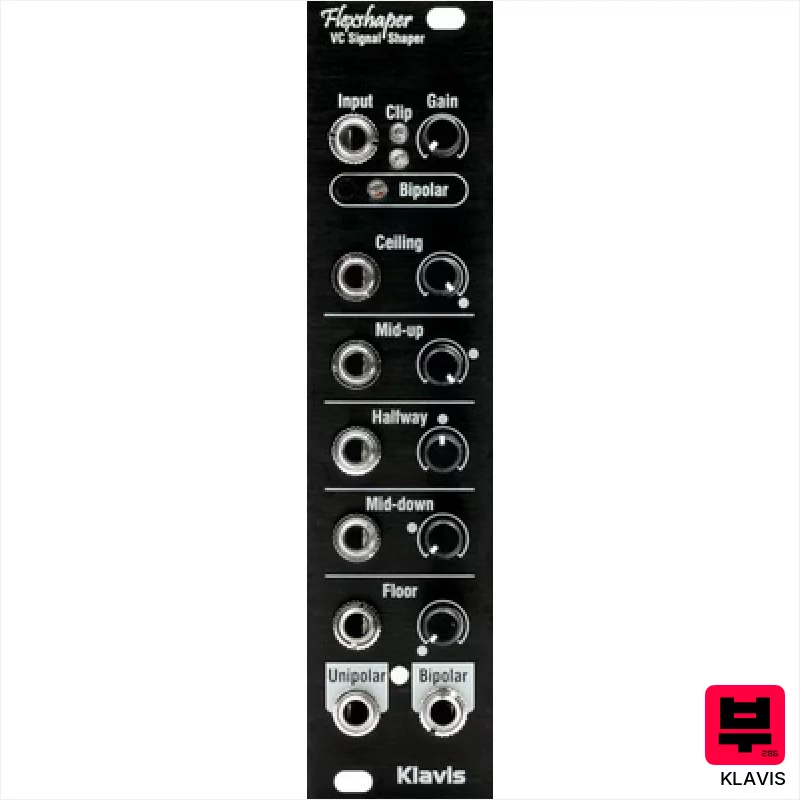
Klavis Flexshaper Black
- • Exceptional voltage mapping flexibility for intricate signal shaping.
- • Compact 6HP footprint maximizes space in dense modular racks.
- • Versatile as a limiter, waveshaper, or frequency multiplier for diverse tones.
- • Solid build quality; Klavis modules are known for their reliability.
- • Limited input gain range can be restrictive for subtle processing.
- • Bipolar/unipolar switch adds complexity for beginners.
- • 32mA +5V draw can strain power supplies in smaller systems.
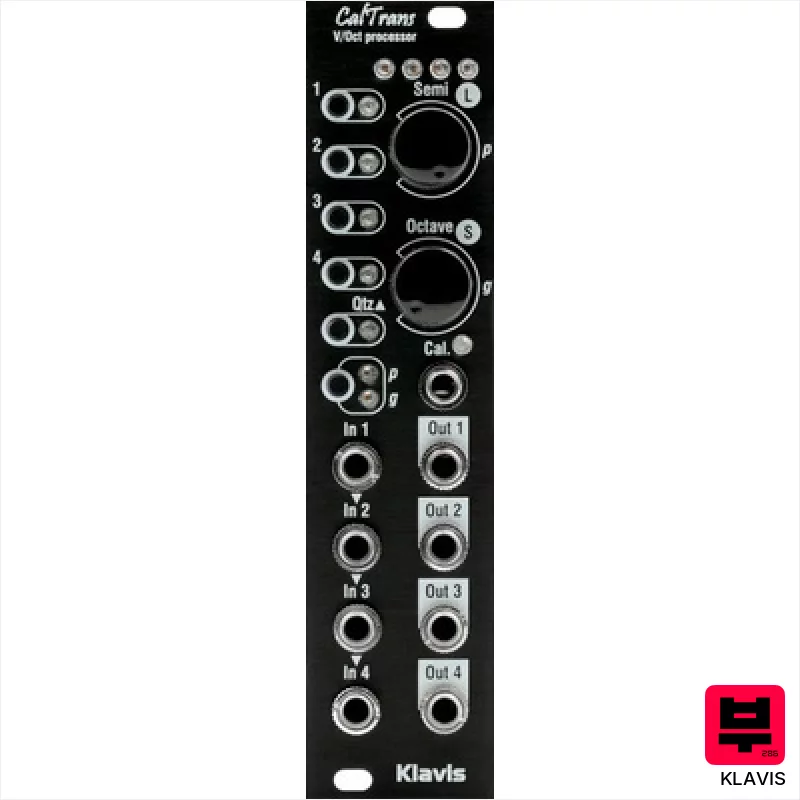
Klavis CalTrans Black
- • Exceptional octave-pure tracking correction drastically improves oscillator stability.
- • Four channels offer significant flexibility for complex oscillator setups.
- • Memory locations streamline recall of custom transposition and glide settings.
- • Compact 6HP footprint is ideal for densely populated Eurorack cases.
- • Limited channel count might restrict users with very complex oscillator needs.
- • Calibration process requires careful attention and a reliable reference signal.
- • The depth of 36mm could pose installation issues in shallow racks.
How to Choose the Best Various Modules
Tonal Character
This is obvious, but crucial. Does it deliver on its promise? A 'granular' module should sound genuinely granular, not just like a slightly processed sample. We're looking for modules with a distinct sonic signature, not just generic functionality.
Modulation Depth & Range
Specialized modules often thrive on extreme modulation. We check how far the parameters can be pushed, and whether the modulation routings are flexible enough to avoid unwanted artifacts or just plain weirdness.
Hands-On Control & Workflow
Some of these modules are complex. Good physical controls - knobs, switches, attenuators - can make a huge difference in usability, especially when you're trying to dial in a specific texture quickly.
Noise Floor & Signal Integrity
Specialized modules, particularly those dealing with complex processing or feedback, are often sensitive to noise. We're listening for hiss, hum, or digital artifacts that detract from the overall sound.
Integration & Compatibility
How well does it play nice with other modules? Voltage ranges, input/output impedances, and trigger requirements can be a headache if not considered. A module that sounds amazing but won't patch reliably isn't worth much.
Buying Guide
Specialized modules are often where manufacturers cut corners, so be discerning. Cheaper modules might rely on less-than-stellar op-amps, leading to a noisy signal or limited headroom. Don't be afraid to spend a bit more for a module that's genuinely well-engineered; that 'magic' sound usually comes from quality components and thoughtful design. And always, always check the power requirements - some of these modules are power-hungry.
Our Methodology
We're not chasing spec sheets here. We're evaluating these modules the way we evaluate any gear: by playing them. That means A/B comparisons against similar modules, putting them through the wringer in band rehearsals and studio sessions, and assessing how they actually sound and behave in a real-world context. It's about the feel, the response, and how well they integrate into a patch.

