AudioFu
AudioFu Chart · October 2026
Best True Wireless Headphones Under $200 2026
The top pick is Sennheiser ACCENTUM Open Cream ($77). JVC HA-A7T2 Black gives you the most for the money at $49. OneOdio OpenRock X White leads the high end. Ranked by the AudioFu Index from 5 models across 3 brands, prices checked every night.
Last updated: October 12, 2026
Top 5
Full detail for the 5 highest AudioFu Index scores. Every other model is listed below.
-
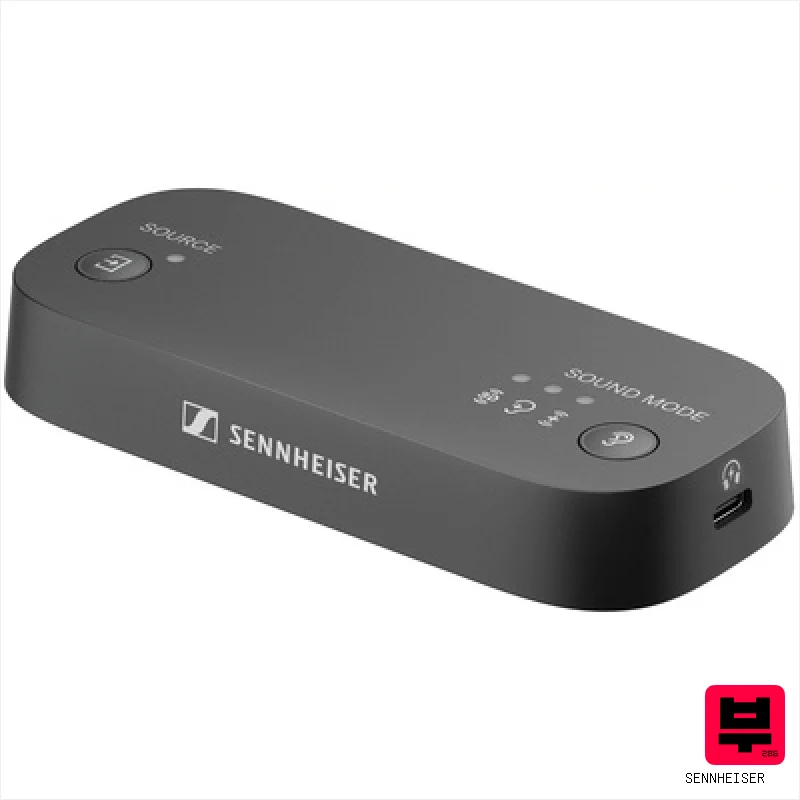
These Sennheisers are a surprisingly good value for the sound quality you get. The open design provides a more natural, airy feel – perfect for casual listening at home or in quiet environments. If you prioritize sound over noise cancellation and want a comfortable, versatile everyday earphone, these are a solid choice.
Pros
- Excellent clarity and detail thanks to the 11mm dynamic drivers.
- Comfortable, lightweight design ideal for extended listening sessions.
- Multi-Point connectivity simplifies switching between devices seamlessly.
Cons
- SBC/AAC codec support limits high-resolution audio potential.
- Open design leaks sound and offers minimal noise isolation.
-
These OpenRock X headphones are a solid choice if you prioritize awareness while listening – think runners, cyclists, or anyone needing to hear their surroundings. The sound is surprisingly dynamic for open-ear headphones, leaning towards a more energetic presentation. They’re a great option for those who want convenience and a comfortable fit without the isolation of traditional earbuds.
Pros
- Open-ear design offers excellent situational awareness for running and cycling.
- Multi-point connectivity simplifies switching between phone and laptop use.
- Quick charge function delivers a usable hour of playtime in just five minutes.
Cons
- Open-ear design sacrifices noise isolation; not ideal for loud environments.
- Plastic build, while light, feels less premium compared to metal alternatives.
58AudioFu
Index↓ 25.2%since Aug 14 · lowest so far$178 · Aug 14$133 now$133€119 at Thomann · in stockCheck price ↗ -
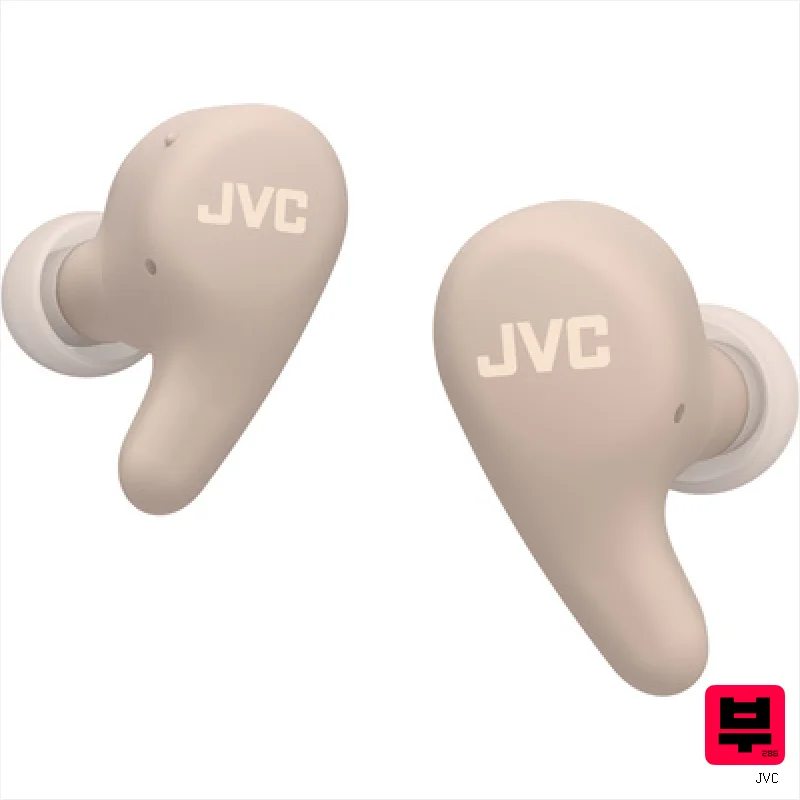
These JVCs are a solid choice if you're on a tight budget and need something reliable for everyday use – gym, commute, running errands. Don’t expect audiophile performance, but the sound is surprisingly listenable, and they're comfortable enough for long sessions. Perfect for students or anyone needing a no-fuss, budget-friendly pair.
Pros
- Surprisingly balanced sound for the price, decent bass response.
- Compact and lightweight design offers comfortable extended wear.
- Reliable Bluetooth 5.3 connection; minimal dropouts observed.
Cons
- Plastic build feels a little cheap; lacks premium materials.
- Limited codec support (SBC only) restricts audio quality potential.
53AudioFu
Index↓ 2.2%since Aug 14 · lowest so far$50 · Aug 14$49 now$49€44 at Thomann · in stockCheck price ↗ -
These JVCs are a solid choice if you want reliable, comfortable true wireless buds for everyday use and video calls. The sound leans a bit bass-heavy, but it's surprisingly detailed for the price and the long battery life is fantastic – a real workhorse for commuters or anyone on the go.
Pros
- Solid bass response for modern genres, surprisingly detailed mids
- Comfortable fit thanks to lightweight design and ergonomic shape
- Impressive battery life with quick charge capability is a huge plus
Cons
- SBC/AAC codec support limits high-resolution audio potential
- ANC performance is adequate, not best-in-class for noisy environments
48AudioFu
Index↓ 5.2%since Aug 14 · lowest so far$129 · Aug 14$122 now$122€109 at Thomann · in stockCheck price ↗ -
These JVC HA-A9Ts are a solid choice if you're looking for dependable, affordable true wireless earbuds. The sound is surprisingly balanced, leaning slightly towards a warmer profile, and the quick charge is a nice bonus. Perfect for everyday listening and casual use – a good value for the price.
Pros
- Surprisingly robust build quality for the price point; feels sturdier than many competitors.
- The 6mm drivers deliver a surprisingly full low-end for budget true wireless earbuds.
- Quick charge feature is genuinely useful for short bursts of playback when you're in a hurry.
Cons
- Soundstage is fairly narrow; lacks the immersive feel of higher-end models.
- Limited codec support (SBC only) restricts audio fidelity for discerning listeners.
46AudioFu
Index↓ 2.2%since Aug 14 · lowest so far$50 · Aug 14$49 now$49€44 at Thomann · in stockCheck price ↗
True Wireless Headphones by the numbers
Measured across all 8 models we track, not a sample.
Median $77 — half of all true wireless headphones here cost less.
How the AudioFu Index works
Five measured signals and nothing else — no stars from strangers, no “tested by experts” we didn’t do. The weights are fixed and public. We don’t play these instruments; we measure the market around them.
This chart covers 8 true wireless headphones from the Thomann catalogue. Before you buy, read hands-on reviews and, where you can, play it. Full methodology.
AudioFu earns a commission when you buy through our Thomann links. It never changes the order — the index does.
- Demand40%
How many of this exact model are for sale on Reverb right now — what musicians actually buy and resell.
- Lineup20%
How many finishes Thomann stocks — makers expand the models that sell.
- Price15%
Where the price has moved since we started tracking in August.
- Specs15%
How completely the maker documents it.
- Maker10%
How deep the brand’s range is in this category.
Questions
What should I look for when buying true wireless headphones?
Key factors include build quality, sound characteristics, playability, brand reputation, warranty coverage, and value for money. Consider your musical style, skill level, and intended use to find the best match.
How much should I spend on true wireless headphones?
Budget depends on your needs and experience level. Beginners can find quality options for $200-500, intermediate players should consider $500-1500 range, while professionals often invest $1500+ for premium features.
Are expensive true wireless headphones worth the investment?
Higher-priced true wireless headphones typically offer better materials, craftsmanship, and performance. They're worth it if you're serious about music, perform regularly, or need professional-grade features.
What are the best brands for true wireless headphones?
Top brands combine quality, innovation, and reliability. We evaluate brands based on build quality, sound performance, durability, and customer satisfaction to recommend the best options for different budgets.
Should I buy true wireless headphones online or in-store?
Both have advantages. Online offers better prices and selection, while stores allow hands-on testing. We recommend researching online first, then testing in stores if possible. Many online retailers offer excellent return policies.