
Best Subwoofers Under $300 2026
Affordable subwoofers under $300 - great value without compromising quality
Last updated: April 11, 2026
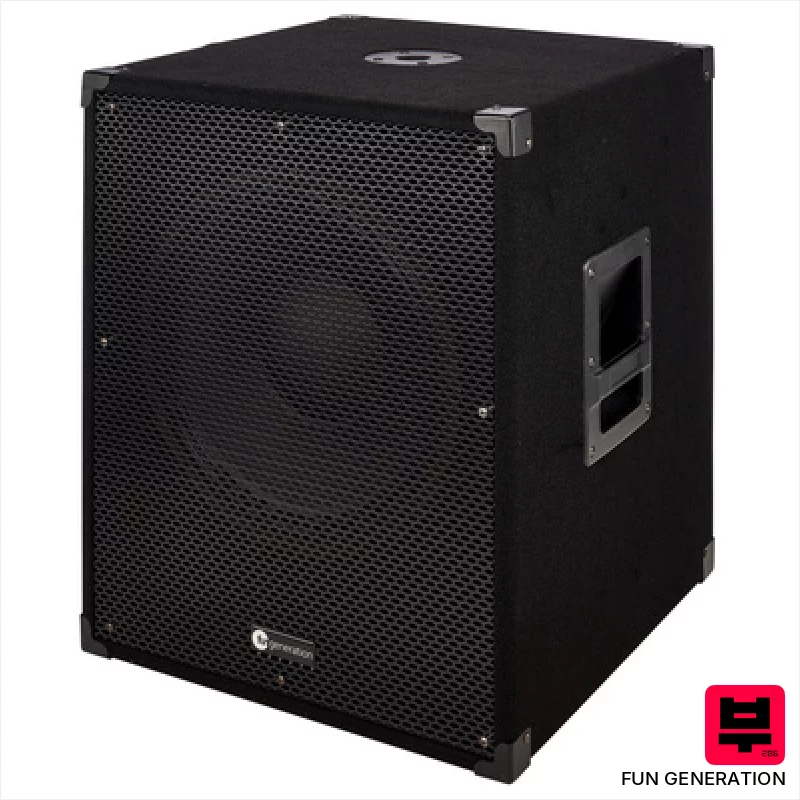
Fun Generation PL 15 Sub A
- • Robust 15-inch woofer delivers surprisingly deep, clean bass.
- • Solid build quality; feels well-constructed for its price point.
- • Flexible XLR connectivity offers versatile integration options.
- • Adjustable low-pass filter allows precise tailoring to the system.
- • The 1000W peak power is likely a marketing number; real-world output is more modest.
- • Limited frequency response above 250Hz restricts its use as a full-range solution.
- • The felt cover feels a bit thin and may not offer robust protection.

Presonus Eris Sub 8BT
- • Solid 8” woofer delivers surprising depth for its size.
- • Class-AB amp provides clean, efficient power without excessive heat.
- • Bluetooth 5.0 offers convenient wireless connectivity for streaming.
- • Compact design allows for flexible placement in smaller studio environments.
- • Limited frequency extension above 200Hz necessitates pairing with full-range monitors.
- • The Class-AB design can run a bit warmer than a Class-D amplifier.
- • Low-end response, while good, might lack the ultimate impact for serious bassheads.
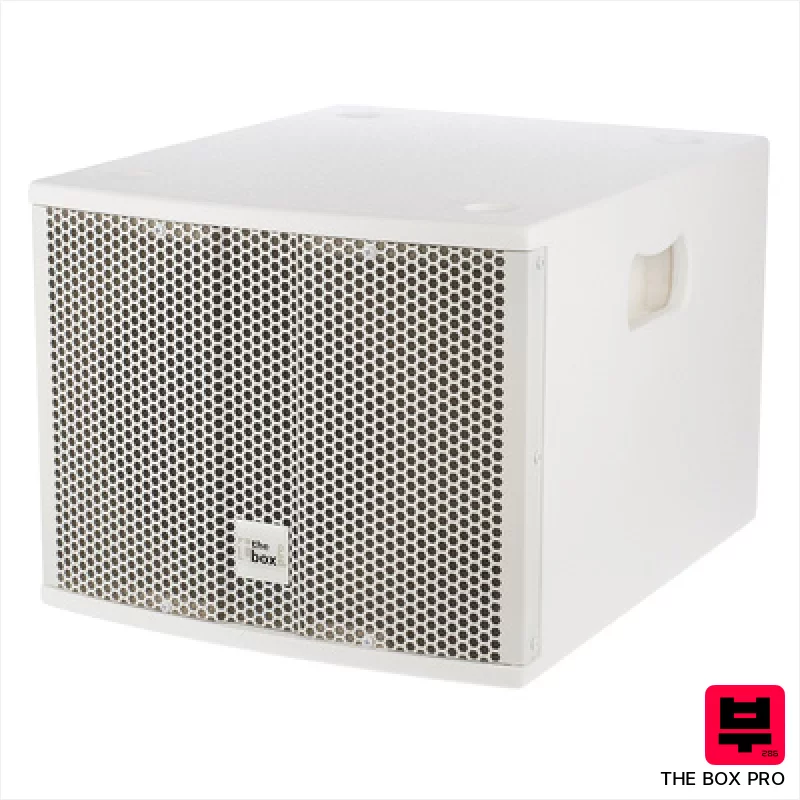
the box pro Achat 108 Sub A WH
- • German engineering delivers robust build and consistent performance.
- • 100W sub power provides surprisingly punchy low-end response.
- • Integrated speaker twist outputs simplify satellite speaker connections.
- • Compact size and relatively light weight for portability.
- • Limited frequency extension above 125Hz restricts versatility for some genres.
- • White finish may show fingerprints and scuffs easily.
- • RCA inputs feel like an afterthought on a pro-level speaker.

Fostex PM-SUBmini 2
- • Compact size belies surprising low-end extension for its footprint.
- • Solid MDF construction minimizes unwanted resonances and vibrations.
- • Simple controls offer straightforward integration with existing studio setups.
- • RCA inputs provide broad compatibility with various audio interfaces and mixers.
- • 50W output feels limited for larger rooms or critical listening.
- • Frequency response lacks the tightest, most controlled sub-bass response.
- • Closed-box design can feel slightly less 'open' than ported alternatives.
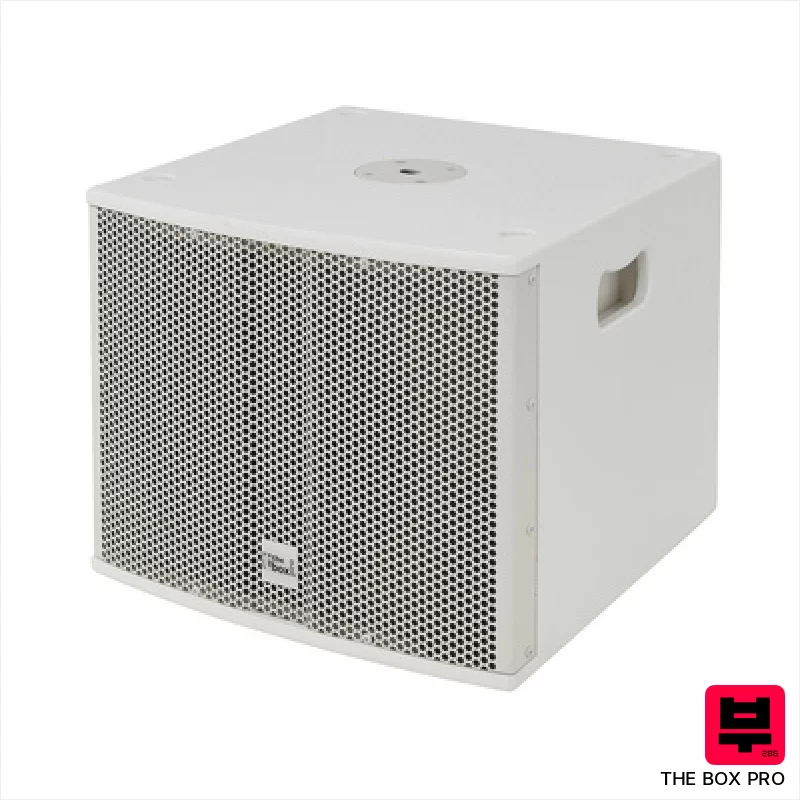
the box pro Achat 112 Sub WH
- • Solid 12-inch woofer delivers surprisingly deep, clean low-end response.
- • Integrated crossover simplifies setup and optimizes amplifier power delivery.
- • Sturdy MDF construction feels robust and ready for gigging.
- • M20 stand flange allows for quick and secure placement on standard speaker stands.
- • 4-ohm impedance requires careful amplifier matching to avoid clipping.
- • White finish shows fingerprints and scuffs easily, requiring more upkeep.
- • Limited frequency extension below 45Hz might not satisfy extreme bass applications.
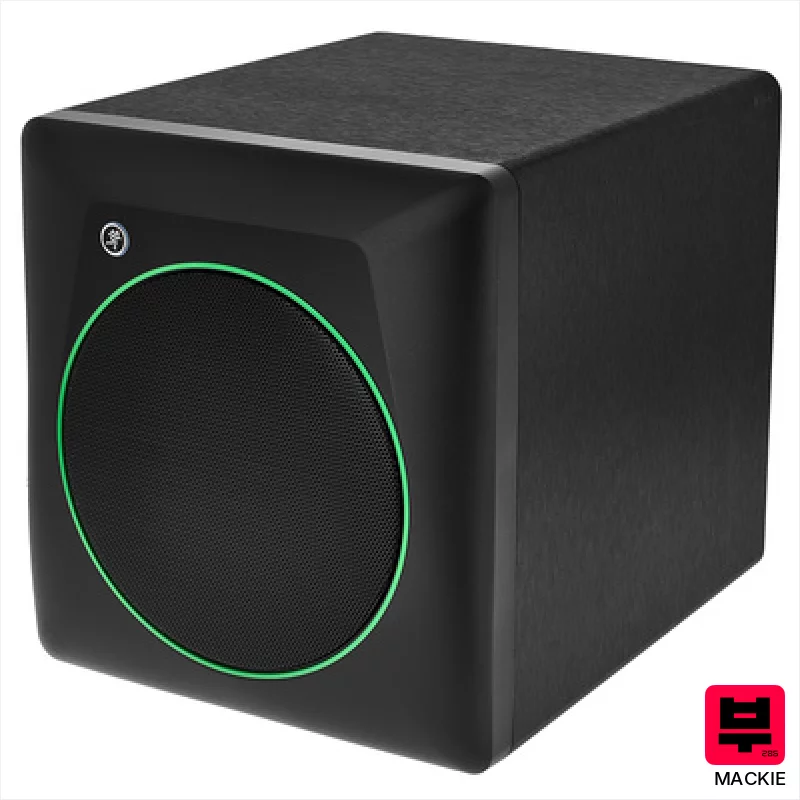
Mackie CR8S BT
- • Solid MDF cabinet minimizes unwanted resonance and coloration for cleaner bass.
- • Class D amplification delivers substantial power without excessive heat or inefficiency.
- • Bluetooth 5.0 offers reliable wireless connectivity and decent range for convenience.
- • Adjustable crossover allows tailoring the subwoofer's integration with existing monitors.
- • Limited frequency extension; sub-35Hz rumble is noticeably absent.
- • While functional, the included remote feels cheap and plasticky.
- • Size and weight make portability a significant consideration; not ideal for small spaces.
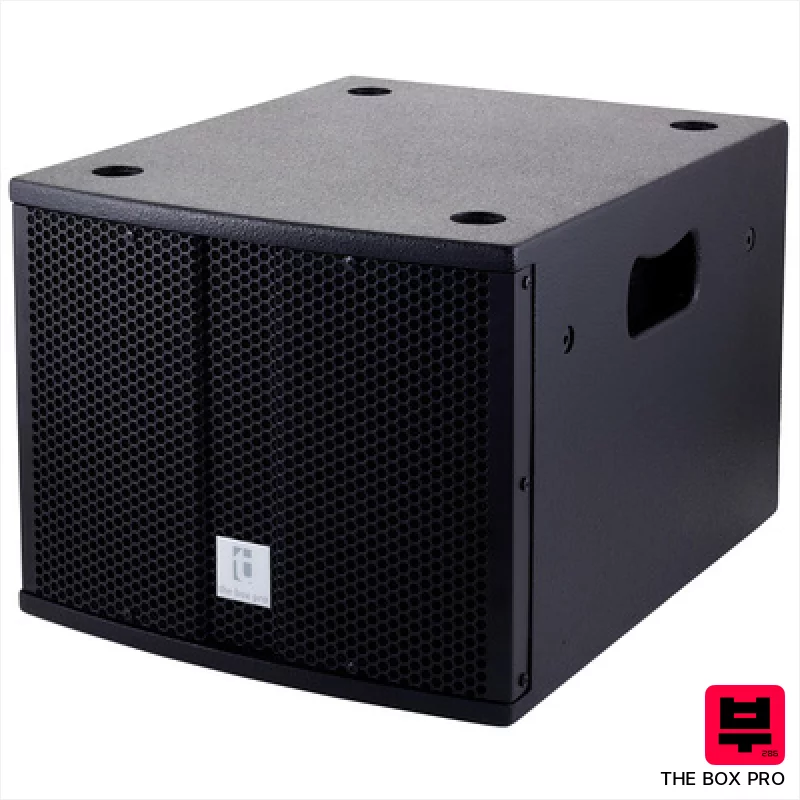
the box pro Achat 108 Sub
- • Compact size makes transport and setup remarkably easy.
- • Solid MDF cabinet offers reasonable rigidity for its price point.
- • 100W RMS power handles moderate volume levels adequately.
- • SPK inputs/outputs simplify integration with existing PA systems.
- • 8-inch woofer limits low-frequency extension, noticeable at lower volumes.
- • Power handling is modest; not suited for large venues or high-energy performances.
- • The finish, while functional, lacks the refinement of more premium brands.
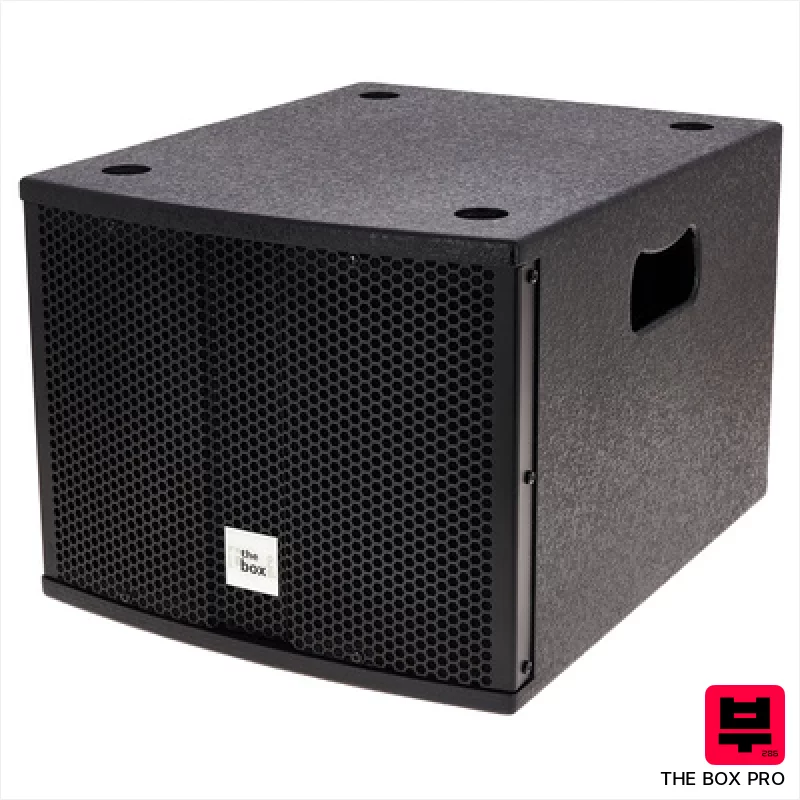
the box pro Achat 108 Sub A
- • Solid German engineering provides robust build quality and reliability.
- • Surprisingly powerful for its size, delivering impactful low-end response.
- • Speaker twist outputs offer flexibility for expanding your system.
- • Compact dimensions make it manageable for smaller venues or mobile setups.
- • Limited frequency extension above 125 Hz may lack warmth for some genres.
- • 8-inch driver restricts ultimate low-frequency headroom and power.
- • Relatively heavy for a portable PA subwoofer, requiring two people to move easily.
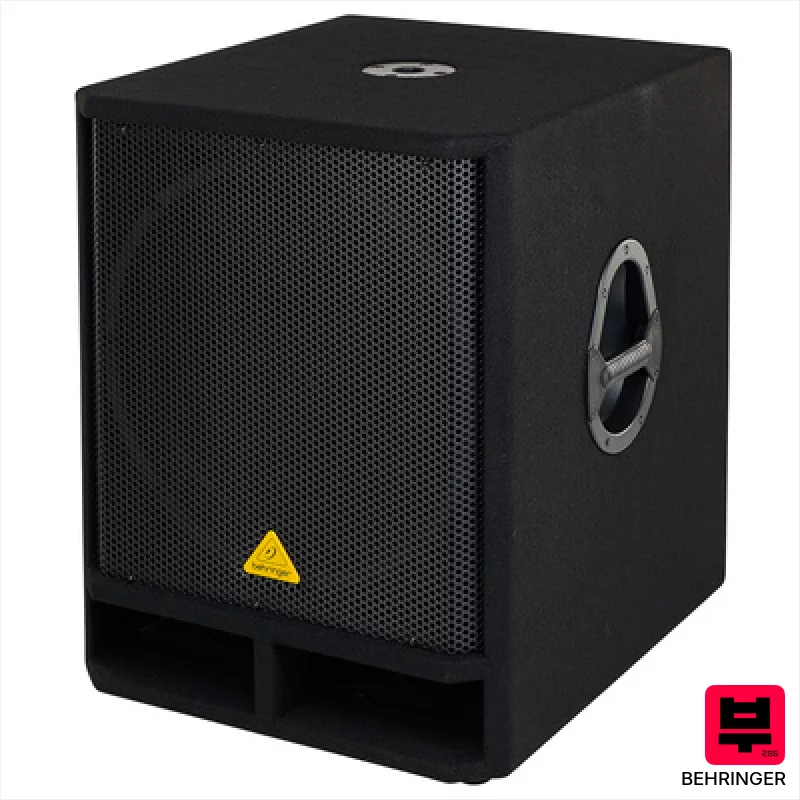
Behringer VP1800S
- • Massive low-end extension down to 40Hz, surprisingly clean.
- • Robust MDF construction feels solid, despite the price point.
- • Integrated speaker stand mount simplifies setup considerably.
- • High peak power (1600W) handles demanding live performances.
- • Limited frequency response above 200Hz; not a full-range solution.
- • Significant weight (41.4 kg) makes transport a two-person job.
- • 8-ohm impedance might require careful amplifier matching.
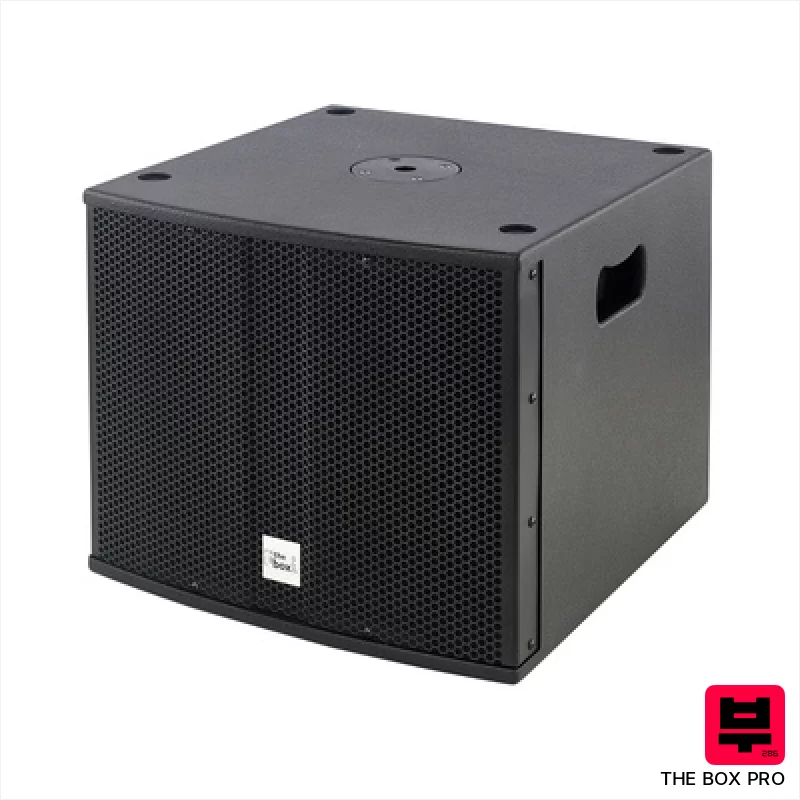
the box pro Achat 112 Sub
- • Robust MDF construction suggests durability for frequent gigging and transport.
- • Integrated crossover simplifies setup and ensures optimal amplifier usage.
- • 12 in woofer delivers surprising low-end extension for its size and price.
- • High SPL (124 dB) makes it suitable for louder venues and live performances.
- • 4 Ohm impedance demands careful amplifier selection to avoid clipping.
- • Limited frequency response beyond 250 Hz restricts its use as a full-range solution.
- • 17 kg weight makes it less than ideal for solo performers or frequent travel.
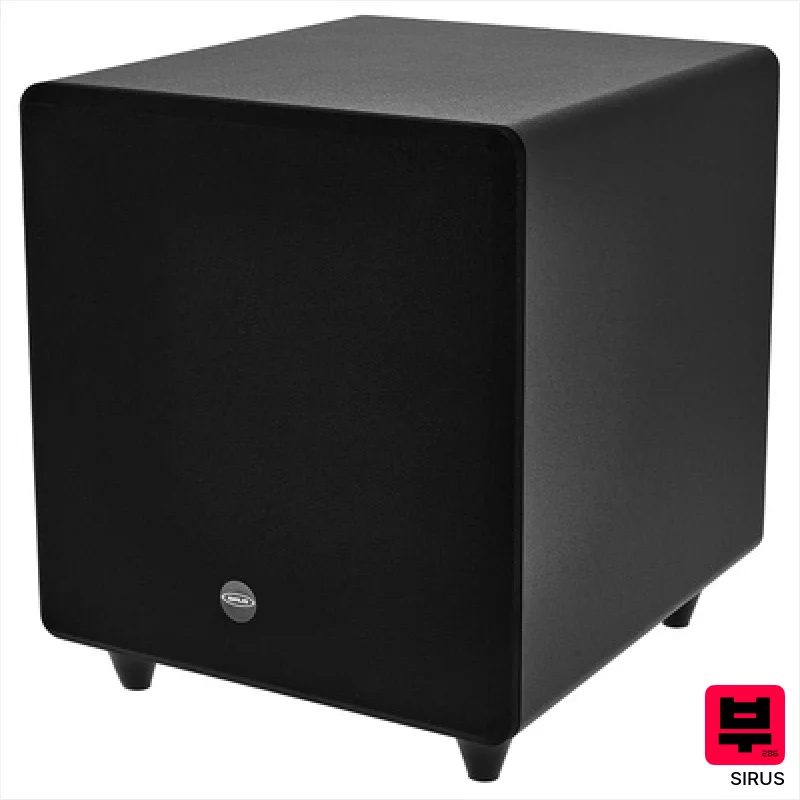
Sirus DownFire 10 Black
- • Robust cube design enhances stability and portability for live use.
- • Downfire configuration minimizes floor vibrations and maximizes low-end projection.
- • Transformer allows flexible power distribution for various venue setups.
- • 200W RMS power handles moderate-sized events with surprising headroom.
- • Frequency response tops out at 500Hz; requires pairing with full-range speakers.
- • 17.8kg weight makes transport a challenge for solo performers.
- • Cube shape isn't the most space-efficient for tight stage setups.
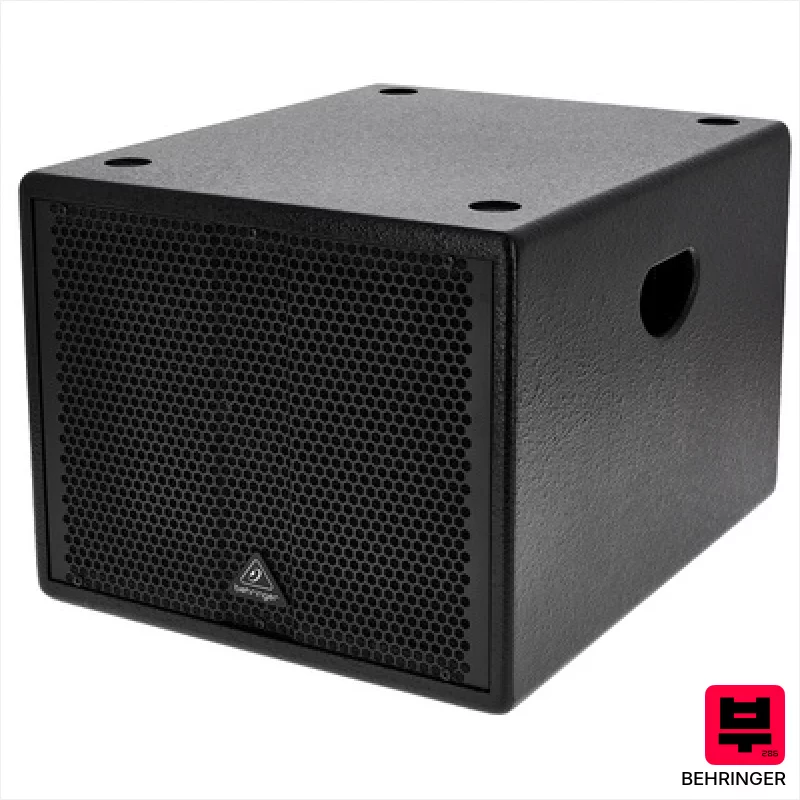
Behringer SAT 1008 Suba
- • Surprisingly robust 8” driver handles moderate bass frequencies well.
- • Lockable NL4 connectors offer secure and reliable speaker linking.
- • The 200W RMS power delivers a decent punch for smaller venues.
- • Compact footprint makes it relatively easy to transport and set up.
- • Limited low-frequency extension; struggles with very deep sub-bass content.
- • Build quality feels a bit plasticky; not as durable as higher-end options.
- • Lack of a built-in crossover adjustment limits versatility with other speakers.

Behringer NEKKST K10S
- • Robust MDF construction minimizes unwanted cabinet resonances.
- • The 180W power handling delivers surprising headroom for its class.
- • Variable low-pass filter provides excellent tonal shaping flexibility.
- • Direct-Link output simplifies integration into a 2.1 monitor setup.
- • The ported design can be boomy in untreated rooms, requiring careful placement.
- • While powerful, the amplifier isn't class-D, so efficiency isn't optimal.
- • The aesthetic is functional but lacks the premium visual appeal of higher-end subs.

Mackie CR6S-X
- • Surprisingly deep bass extension for its size, adding fullness to mixes.
- • Touch-sensitive volume control is a genuinely useful and convenient feature.
- • RGB lighting adds a modern aesthetic, customizable for different setups.
- • Compact footprint makes it ideal for smaller home studios or bedrooms.
- • Build quality feels a little plasticky given the price point; not rock-solid.
- • Limited connectivity – only a 3.5mm input feels restrictive for professional use.
- • Bass response can be a bit muddy without careful EQ adjustments.
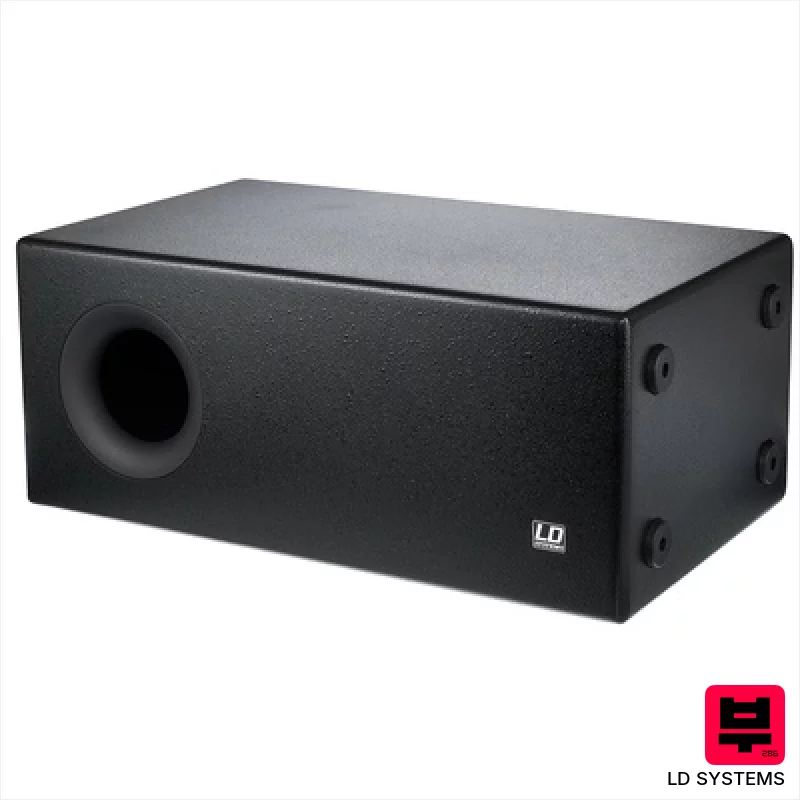
LD Systems Sub 88
- • Surprisingly robust MDF construction for its price bracket
- • Decent low-end extension for smaller to mid-sized venues
- • Lightweight for a 18 in subwoofer, facilitating transport
- • Acceptable power handling for portable PA applications
- • Limited headroom at higher volumes – not for serious sound reinforcement
- • Bass response lacks refinement; can sound a bit muddy
- • Relatively low sensitivity requires more amplifier power
How This List Is Built
We don't play these instruments — we're a catalog, not a review desk, and we'd rather say so than pretend otherwise. This page ranks 15 subwoofers from the Thomann catalogue, which is the largest single source of specification data in this category.
Position is computed, not curated. Four signals, in order of weight: how completely the manufacturer documents the instrument (number of published specifications), where it sits in the price range, how specific the model designation is — which filters out generic accessories — and whether a product image exists. The same inputs always produce the same order, so nothing here is shuffled to look fresh.
What this list is good for: narrowing a category down to a shortlist by spec and budget. What it isn't: a substitute for hearing an instrument. Before you buy, read hands-on reviews and, where you can, play it. Full methodology.
How to Choose the Best Subwoofers
Budget Planning
- • Under $200: Entry-level
- • $200-$500: Intermediate
- • $500-$1000: Advanced
- • $1000+: Professional
Quality Check
- • Sound clarity & tone
- • Build materials & finish
- • Hardware durability
- • Overall craftsmanship
Key Features
- • Your musical style
- • Skill level match
- • Intended use case
- • Brand reputation

