AudioFu Chart · October 2026
Best Special Instrument Microphones Under $500 2026
The top pick is Audix D6 Dynamic Kick Drum Microphone ($303). Meinl MPE4-R Low Pitched Percussion Block gives you the most for the money at $32. Ranked by the AudioFu Index from 9 models across 6 brands, prices checked every night.
Last updated: October 19, 2026
Top 9
Full detail for the 9 highest AudioFu Index scores. Every other model is listed below.
-
- Weight0.266 kg
The Audix D6X is a solid choice for kick drums, especially if you're looking for a focused, punchy sound without excessive boominess. It's a workhorse mic, perfect for drummers who need a reliable, affordable option for live gigs or studio tracking – it's surprisingly versatile for a dedicated instrument mic.
Pros
- VLM capsule delivers surprisingly detailed low-end response.
- Switchable filters offer tonal shaping for various drum sounds.
- Robust construction feels built to withstand stage rigors.
Cons
- Cardioid pattern limits placement flexibility in complex stereo setups.
- 280-ohm impedance might require a preamp with sufficient gain.
87AudioFu
IndexStableno change since Aug 17Aug 17$303 now$303€269 at Thomann · in stockCheck price ↗ -
Meinl MPE4-R Low Pitched Percussion Block
Percussion Microphone · Meinl
14 for sale on Reverb1 finish at Thomann
This little Meinl mic is a clever solution for capturing the sound of cajons, congas, or frame drums without bulky hardware. It's a great option for gigging percussionists or anyone needing a quick and easy way to add some extra body to their percussion tracks – just don't expect miracles in a critical recording situation.
Pros
- Low profile design minimizes visual clutter on instruments
- Self-adhesive backing simplifies quick, temporary mounting
- 6.3mm jack adapter provides broad compatibility with standard audio interfaces
Cons
- Sound quality is adequate, not studio-grade clarity
- Cable length (45 cm) can be restrictive in some setups
-
AKG C516ML Mini Clip-On Condenser Instrument Microphone
C 516 ML · AKG
6 for sale on Reverb1 finish at Thomann
The AKG C 516 ML is a surprisingly capable clip-on mic, especially for instruments like accordion where traditional mics are awkward. It's a well-thought-out solution for performers needing a discreet and reliable signal without a lot of fuss, and the gooseneck really helps with placement.
Pros
- Excellent rejection of stage bleed with its tight cardioid pattern
- Gooseneck provides flexible positioning for various instruments
- Solid build quality, feels robust for gigging use
Cons
- L connector limits cable options and potential for noise
- Gooseneck length might be restrictive for some instrument setups
55AudioFu
IndexStableno change since Aug 17Aug 17$168 now$168€149 at Thomann · in stockCheck price ↗ -
This mic is great for accordion players who want fast swaps without modifying their instrument. The soft magnet holds it gently, and the rotating capsule lets you tweak the tone. It handles feedback well and keeps structure-borne noise out. It fits AKG and t.bone systems, but you can't see the exact frequency range or sensitivity numbers.
Pros
- Soft neodymium magnet holder allows quick instrument swaps
- No instrument modification required for installation
- Excellent structure-borne noise insulation protects clarity
Cons
- Frequency range not specified in description
- Sensitivity levels are not listed
49AudioFu
IndexStableno change since Aug 17Aug 17$426 now$426€379 at Thomann · in stockCheck price ↗ -
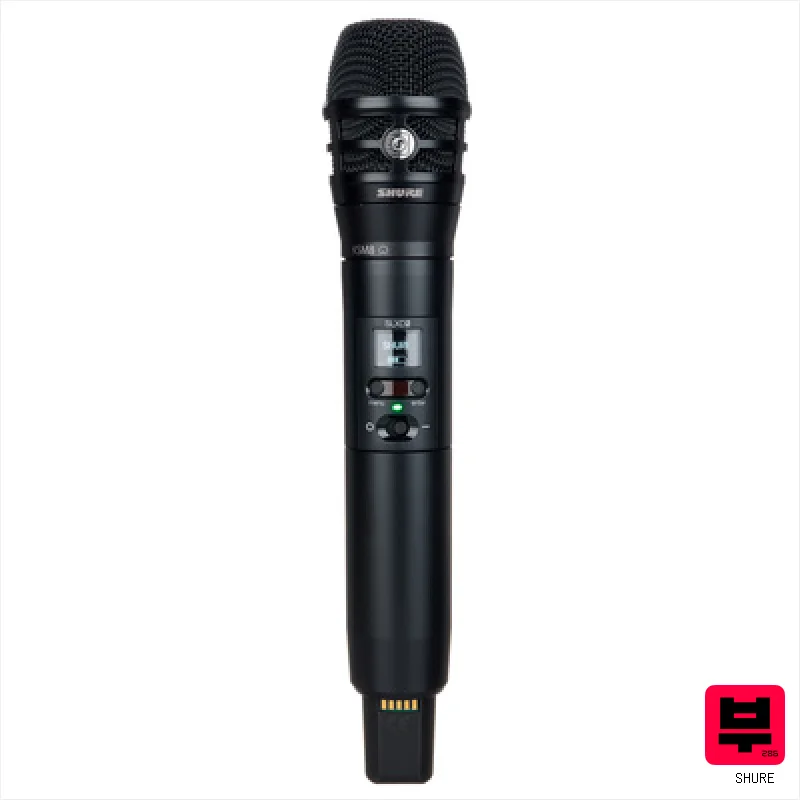
This mic captures accordion and harmonica with a gentle magnet that lets you swap instruments instantly without changing the instrument itself. The capsule rotates to find the sweet spot, and the build blocks up noise from the body of the instrument. It works best with Shure wireless systems, making it a solid choice for stage musicians who need reliability.
Pros
- Soft neodymium magnet allows quick instrument swaps
- No modifications needed to the accordion or harmonica
- Excellent structure-borne noise insulation for clean pickup
Cons
- Frequency range and sensitivity are not listed
- Wireless system compatibility requires specific Shure gear
49AudioFu
IndexStableno change since Aug 17Aug 17$426 now$426€379 at Thomann · in stockCheck price ↗ -
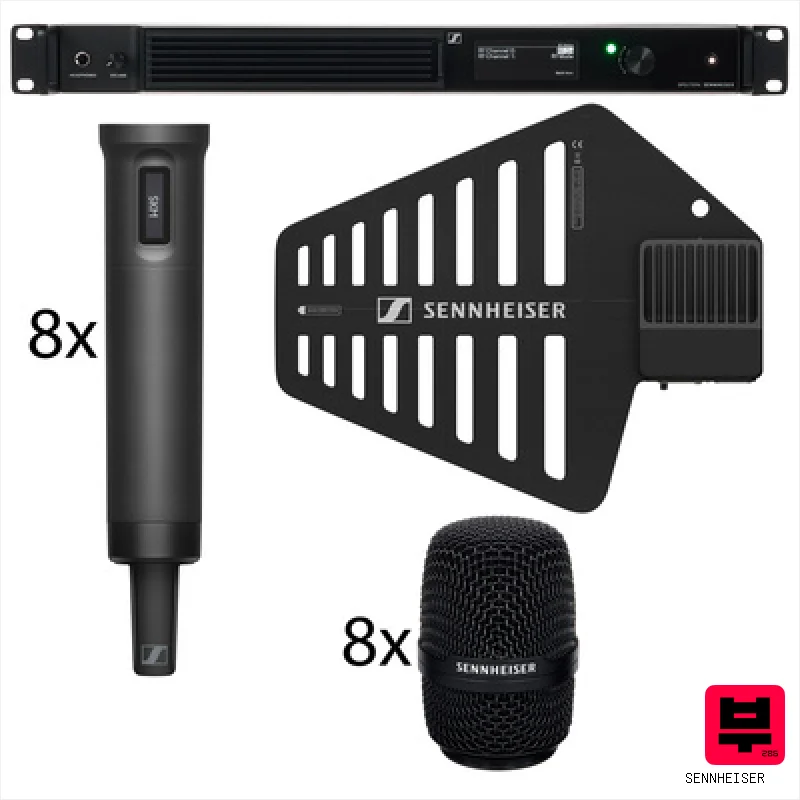
This little mic is perfect for accordion players who want clean sound without feedback. The soft magnet lets you swap instruments quickly, and the capsule can rotate for different tones. It is a great choice for live gigs where noise is a problem.
Pros
- Quick instrument swaps without modifying the accordion
- Superb structure-borne noise insulation for clean sound
- Extremely resistant to feedback during live performance
Cons
- No frequency range or sensitivity data provided
- Only works with Sennheiser wireless systems
49AudioFu
IndexStableno change since Aug 17Aug 17$426 now$426€379 at Thomann · in stockCheck price ↗ -
This is a straightforward dynamic mic built specifically for accordion and bass. It comes with a short cable and sticky tape to mount quickly. It is a solid, simple choice for recording small ensembles on a budget.
Pros
- Dedicated dynamic mic for bass section
- Includes one meter of 3.5mm cable
- Self-adhesive tape makes mounting easy
Cons
- No polar pattern data listed
- No frequency range specified
-
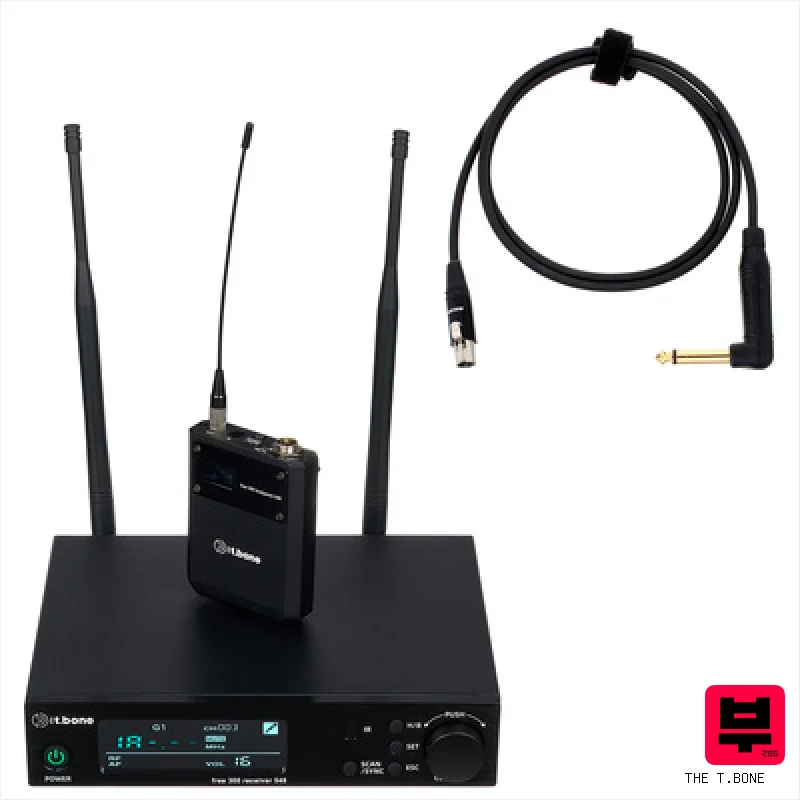
This mic picks up the melody part of the accordion without picking up too much noise. It comes with a built-in DI box so you can plug it straight into any amp or mixer. The four internal mics make the sound fuller than a single mic would. It is a practical choice for players who want quick setup and reliable output.
Pros
- Captures the melody section of the accordion clearly
- Four dynamic microphones work together for a full sound
- Built-in DI box connects easily to any amplifier or mixer
Cons
- No frequency range or sensitivity data is provided
- Does not support the AKO-B microphone, only accepts it via 3.5mm
47AudioFu
IndexStableno change since Aug 17Aug 17$145 now$145€129 at Thomann · in stockCheck price ↗ -
The Drumport StompTech DCM-01 is a neat little solution for cajon players needing a straightforward, amplified sound. The magnetic mounting is a real time-saver, and the wood enclosure adds a touch of class. This is perfect for gigging musicians or studio players who want a focused, natural cajon tone without a ton of fuss.
Pros
- Solid beechwood construction lends warmth and natural resonance
- Neodymium magnet attachment is genuinely clever and secure
- Cardioid pattern minimizes room noise effectively for focused sound
Cons
- 600 Ohm output impedance requires a preamp or mic pre with sufficient gain
- Limited frequency response might lack subtle high-end detail for some tastes
44AudioFu
IndexStableno change since Aug 17Aug 17$168 now$168€149 at Thomann · in stockCheck price ↗
Special Instrument Microphones by the numbers
Measured across all 9 models we track, not a sample.
Median $168 — half of all special instrument microphones here cost less.
How to choose the best special instrument microphones
Frequency Response
Instrument mics need to capture the nuances of the instrument's core frequencies - a banjo's snap, an upright's low-end thump, a steel guitar's sustain. Look for a response that doesn't just sound good, but accurately reflects the instrument's natural tone. Avoid overly hyped highs that can sound brittle.
Polar Pattern Options
Cardioid is a must for most situations, but having multiple patterns (omni, figure-8) opens up creative miking possibilities - stereo imaging, room tone, isolating a single instrument in a chaotic band rehearsal.
Sensitivity & Self-Noise
Lower sensitivity means you'll need more preamp gain, which can amplify noise. Self-noise is the mic's inherent hiss - a quiet mic is crucial for capturing subtle dynamics, especially on quieter instruments like a mandolin.
Build Quality & Durability
Let's be honest, gigging gear takes a beating. A mic that falls apart after a few gigs is a waste of money, even at this price point. Check for solid construction and a decent clip - you'll be glad you did.
Transient Response
This is all about how quickly the mic reacts to changes in sound. A sluggish transient response can muddy the low-end and blur the articulation of fast-moving notes - vital for instruments like resonator guitars and steel guitars.
Buying guide
So, you're chasing that killer vibe on your resonator, mandolin, upright bass, or steel guitar, but your mic budget's looking a little...tight? Forget those generic large-diaphragm condensers - we're diving into the world of specialized instrument mics under $500. It's a sweet spot where you can snag some serious character without breaking the bank, and we're gonna help you find the right tool for the job.
At this price range, you're making trade-offs. Expect some compromises - maybe the build quality isn't boutique-level, or the frequency response isn't perfectly flat. Don't chase specs; listen for the vibe.
Pay attention to the mic's character - does it add a pleasing warmth, a gritty edge, or a clear, focused tone that complements your instrument? Ultimately, it's about finding a mic that inspires you to record and play.
How the AudioFu Index works
Five measured signals and nothing else — no stars from strangers, no “tested by experts” we didn’t do. The weights are fixed and public. We don’t play these instruments; we measure the market around them.
This chart covers 9 special instrument microphones from the Thomann catalogue. Before you buy, read hands-on reviews and, where you can, play it. Full methodology.
AudioFu earns a commission when you buy through our Thomann links. It never changes the order — the index does.
- Demand40%
How many of this exact model are for sale on Reverb right now — what musicians actually buy and resell.
- Lineup20%
How many finishes Thomann stocks — makers expand the models that sell.
- Price15%
Where the price has moved since we started tracking in August.
- Specs15%
How completely the maker documents it.
- Maker10%
How deep the brand’s range is in this category.
Questions
What's the difference between a dynamic and a condenser instrument mic?
Dynamic mics are tougher and handle high SPLs (loud sounds) better - great for resonator or steel. Condensers are more sensitive and detailed, ideal for mandolins or uprights where you want to capture every nuance. However, condensers need phantom power.
Can I use a large-diaphragm condenser mic instead of a dedicated instrument mic?
You can, but you'll often miss out on the tailored frequency response and polar pattern options that instrument mics offer. A large-diaphram might be too bright or lack the low-end clarity needed for certain instruments.
What's 'phantom power' and do I need it?
Phantom power is 48V DC voltage supplied by your audio interface or mixer to power condenser microphones. If the mic doesn't say 'dynamic', you'll likely need it.
I'm recording in a small bedroom - does mic placement still matter?
Absolutely! Even in a small room, mic placement drastically affects the tone. Experiment with distance and angle to tame reflections and find the sweet spot where your instrument sounds its best. A little bit of room tone can be nice, but too much can muddy the mix.
Are there any good ribbon mics under $500 for steel guitar?
Ribbon mics offer a warm, vintage tone that can be amazing on steel guitar. You'll find a few decent options in this price range, but be mindful of their lower output - you'll need a clean, quiet preamp to get a good signal-to-noise ratio.