AudioFu
AudioFu Chart · October 2026
Best Speaker Management Systems for Professional 2026
The top pick is Lake Lmx 88 ($5,937). the t.racks DSP 4x4 Mini Amp gives you the most for the money at $219. Ranked by the AudioFu Index from 8 models across 4 brands, prices checked every night.
Last updated: October 12, 2026
Top 8
Full detail for the 8 highest AudioFu Index scores. Every other model is listed below.
-
- Weight6.6 kg
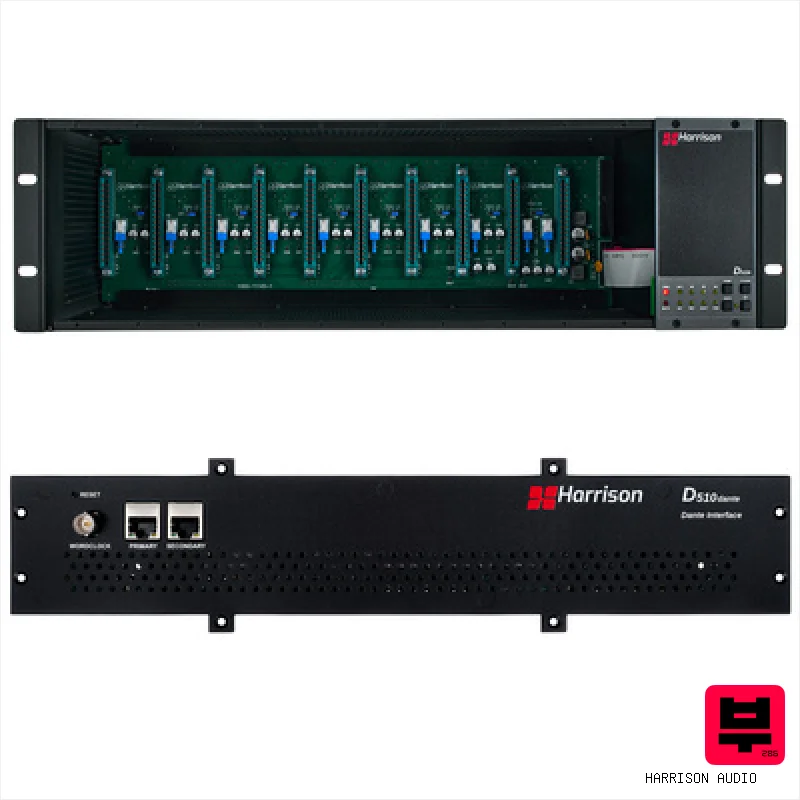
This unit is a heavy-duty box that manages eight different audio sources at once. It uses digital networks to connect equipment and has smart backups so the sound never stops. It works well in big rooms but is too big for small stages or mobile setups.
Pros
- Eight input channels handle multiple signal sources easily.
- Iso-Float design keeps sensitive electronics safe from noise.
- Network I/O lets you connect gear over a local network.
Cons
- Very large physical size makes it hard to move around.
- No specific physical knobs or faders mentioned in the text.
56AudioFu
Index↓ 3.5%since Aug 17 · lowest so far$6,152 · Aug 17$5,937 now$5,937€5,298 at Thomann · in stockCheck price ↗ -
- Weight6.6 kg
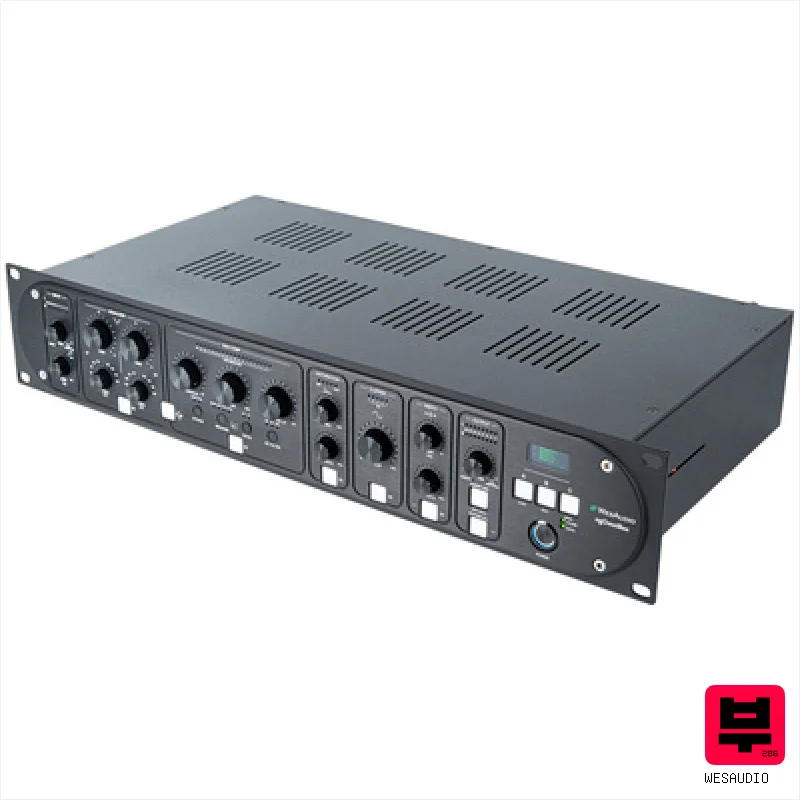
This unit handles huge numbers of channels with smart failover, so your show never stops. It works perfectly with major amp brands like Contour and MESA. It is a powerful tool for big sound systems, but moving it around can be tough.
Pros
- Four independent input routers handle complex redundant setups easily
- Seamless failover keeps signals running without interruption
- Advanced digital routing supports massive channel counts
Cons
- Heavy unit may be difficult to move around venues
- High price tag limits budget-conscious buyers
55AudioFu
IndexStableno change since Aug 17Aug 17$4,369 now$4,369€3,899 at Thomann · in stockCheck price ↗ -
dbx DriveRack Series VENU360 Complete Loudspeaker Management System
Driverack Venu360 · DBX
24 for sale on Reverb1 finish at Thomann
- Size19"
The Venu360 is a seriously powerful speaker management system – it's a game-changer for sound engineers and bands running complex rigs. Its remote control and AutoEQ features make it surprisingly user-friendly, while the AFS feedback elimination is a lifesaver in tricky venues. This is a premium-priced solution ideal for touring acts or venues prioritizing pristine audio and precise control.
Pros
- Excellent feedback elimination with the AFS system, remarkably effective.
- AutoEQ feature simplifies complex room correction tasks significantly.
- Flexible routing and processing options cater to diverse live sound scenarios.
Cons
- The learning curve for advanced features can be steep for novice users.
- The included RTA mic is optional, adding to the overall investment.
77AudioFu
IndexStableno change since Aug 14Aug 14$1,230 now$1,230€1,098 at Thomann · in stockCheck price ↗ -
dbx DriveRack PA2 Complete Loudspeaker Management System
DriveRack PA2 · DBX
44 for sale on Reverb1 finish at Thomann
- Size19"
The DriveRack PA2 is a seriously powerful tool for live sound engineers and anyone running a more complex PA system. It streamlines speaker management, tames feedback effectively, and offers a ton of customization options—a significant step up from simpler processors, especially for bands needing precise control over their sound.
Pros
- Excellent feedback suppression, noticeably quieter than previous models
- Flexible routing allows complex system configurations with ease
- The included measuring microphone simplifies room correction significantly
Cons
- The user interface, while improved, still has a learning curve
- Limited dynamic range on some processing chains can introduce noise
86AudioFu
Index↓ 7.8%since Aug 14 · lowest so far$559 · Aug 14$515 now$515€460 at Thomann · in stockCheck price ↗ -
- Size19"
- Weight5.8 kg
The t.racks DSP 4x4 Amp 4.250 is a solid, workhorse power amp perfect for small to mid-sized venues or fixed installations. It's a no-frills solution delivering clean power, and the preset recall is a real time-saver for bands and sound engineers who need consistent sound across different songs or events. It’s a great option for those needing reliable power without complex processing.
Pros
- Class D efficiency minimizes heat, crucial for rack-mounted installations
- Robust 1U rackmount chassis allows for space-efficient integration
- XLR and TRS pre-outs offer versatile routing options
Cons
- Windows-only programming limits accessibility for Mac users
- Limited EQ or dynamic processing compared to higher-end DSP amps
64AudioFu
IndexStableno change since Aug 14Aug 14$481 now$481€429 at Thomann · in stockCheck price ↗ -
- Size19"
- Weight8.1 kg
The t.racks DSP 4x4 Amp100V is a surprisingly compact and efficient power amp, perfect for installations needing line voltage operation or smaller rigs where space is at a premium. It's a solid, no-frills solution for driving speakers, but don't expect advanced DSP features; this is about clean power and reliable preset recall.
Pros
- Efficient Class D design minimizes heat and power consumption.
- 1U rack height maximizes space in tight studio or live rigs.
- Rear contact preset switching offers robust, reliable scene changes.
Cons
- Windows-only USB programming limits accessibility for Mac users.
- Limited processing capabilities compared to dedicated DSP platforms.
64AudioFu
IndexStableno change since Aug 14Aug 14$402 now$402€359 at Thomann · in stockCheck price ↗ -
- Weight1.6 kg
This little t.racks unit is a smart choice for smaller commercial spaces or home audio setups where you need a bit of amplification and basic DSP control. The Class D amps keep it efficient and compact, and the integrated DSP makes it easy to tweak things for ceiling speakers or similar applications. It's a practical and budget-friendly solution for those needing a clean, compact, and manageable sound.
Pros
- Compact Class D design delivers efficient, clean power.
- Integrated DSP offers flexible routing and processing options.
- Binding post speaker connections ensure secure and reliable connections.
Cons
- Windows-only USB programming limits Mac users’ accessibility.
- Signal-to-noise ratio, while decent, isn’t top-tier for critical listening.
57AudioFu
IndexStableno change since Aug 14Aug 14$219 now$219€195 at Thomann · in stockCheck price ↗ -
- Size19"
The DCX2496LE is a seriously capable speaker management system, especially for live sound engineers or anyone building a multi-amp system. It's a fantastic value proposition – you get high-quality AKM converters and a ton of routing options that would cost considerably more elsewhere. Perfect for smaller venues or bands needing precise speaker control without the high-end price tag.
Pros
- AKM converters deliver surprisingly clean, transparent audio processing.
- Extremely flexible routing offers granular control over complex systems.
- InZeroin limiter protects speakers with a fast, musical response.
Cons
- Build quality feels somewhat plasticky, lacking the premium heft of higher-end units.
- The interface can be intimidating initially, requiring a learning curve.
52AudioFu
IndexStableno change since Aug 14Aug 14$223 now$223€199 at Thomann · in stockCheck price ↗
Speaker Management Systems by the numbers
Measured across all 8 models we track, not a sample.
Median $515 — half of all speaker management systems here cost less.
median of 5 models · 1.6 kg–6.6 kg
median of 5 models · 19"–19"
How to choose the best speaker management systems
DSP Power
Professional rigs need headroom. Cheap SMS processors often clip or introduce latency when you push them, muddying your low end and killing your articulation. We're looking for clean processing, even with complex routing and EQ curves.
EQ Flexibility
Flat response is boring. A good SMS gives you surgical control over speaker voicing, allowing you to tame harsh highs, add warmth, or shape the low-end thump for maximum impact. Look for parametric EQ with decent bandwidth control.
Routing Capabilities
Beyond simple stereo splitting, we need flexible routing for bi-amping, multiple cabs, and sending specific frequencies to different speakers. Being able to create custom signal chains is critical for complex rigs.
Phase Adjustment
Speaker phase issues can be brutal, canceling out frequencies and creating a thin, lifeless sound. Precise phase adjustment is a must for getting a full, coherent tone from multiple cabinets.
User Interface & Workflow
A complex SMS is useless if you can't quickly dial in a good sound. Intuitive menus, clear visual feedback, and easy preset management are vital for gigging situations where you don't have time to wrestle with a cryptic interface.
Buying guide
Okay, so you're past the bedroom amp and running multiple cabs - smart move. Speaker Management Systems (SMS), or processors, aren't just for stadium rock acts anymore; they're essential for serious players who want control over their tone and headroom. They let you dial in the perfect speaker voicing, protect your gear, and get a consistent sound whether you're playing a smoky club or tracking vocals in a studio. This isn't about buzzwords; it's about making your rigs sound right.
Don't fall for the 'more features' trap. A processor crammed with options you'll never use is just adding complexity. Focus on DSP headroom, flexible EQ, and a workflow that makes sense for your setup.
Paying extra for a reliable unit with a clean signal path and intuitive controls is always worth it - a muddy, distorted signal from a cheap SMS is worse than no SMS at all. Think about how much you spend on your guitars and amps; don't skimp on the processor that ties it all together.
How the AudioFu Index works
Five measured signals and nothing else — no stars from strangers, no “tested by experts” we didn’t do. The weights are fixed and public. We don’t play these instruments; we measure the market around them.
This chart covers 8 speaker management systems from the Thomann catalogue. Before you buy, read hands-on reviews and, where you can, play it. Full methodology.
AudioFu earns a commission when you buy through our Thomann links. It never changes the order — the index does.
- Demand40%
How many of this exact model are for sale on Reverb right now — what musicians actually buy and resell.
- Lineup20%
How many finishes Thomann stocks — makers expand the models that sell.
- Price15%
Where the price has moved since we started tracking in August.
- Specs15%
How completely the maker documents it.
- Maker10%
How deep the brand’s range is in this category.
Questions
What's the difference between an SMS and an active crossover?
An active crossover is a part of an SMS. An SMS includes a crossover plus EQ, routing, limiting, and often other features. A basic crossover just splits frequencies; you lose the tonal shaping.
Can an SMS improve the tone of bad speakers?
It can mask problems, but it won't magically transform cardboard into Celestion. An SMS can tame harshness or boost weak frequencies, but it won't fix fundamental speaker deficiencies. It's damage control, not a miracle worker.
How important is latency?
For most applications, a few milliseconds of latency is unnoticeable. But if you're recording clean guitar parts or playing with a tight rhythm section, excessive latency will be a problem. Check the specs and test it out if you can.
Do I need a limiter?
Absolutely. A limiter protects your speakers from overload, preventing damage and ensuring consistent volume. It's a vital safety net, especially when pushing your rig.
Can I use an SMS with a power amp?
Yes, that's the most common setup. The SMS processes the signal and sends it to the power amp, which drives the speakers. It's the key to controlling the overall sound and protecting your investment.