
Best Solid-State Guitar Heads Under $300 2026
Alright, so you're after a solid-state head and you're working with a budget of $300? It's doable, but you gotta know what you're getting into. Forget about pristine cleans and amp modeling-we're talking about getting a usable, gig-ready sound without breaking the bank. This isn't about chasing tube tones; it's about finding a reliable workhorse for practice, rehearsals, and maybe even a low-key gig.
Last updated: April 11, 2026
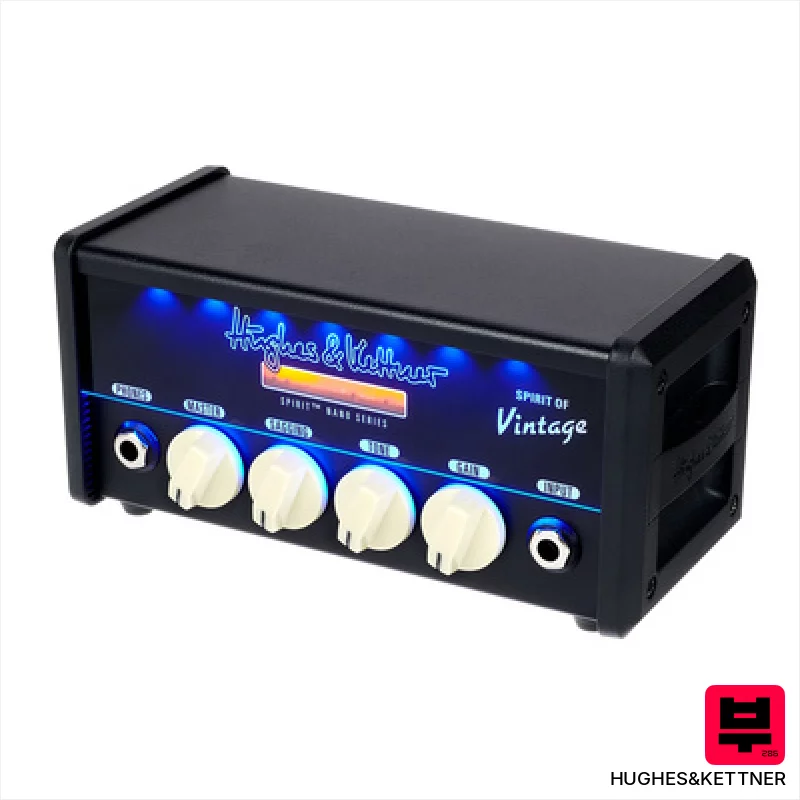
Hughes&Kettner Spirit of Vintage
- • Compact size makes it exceptionally transportable for gigging musicians
- • Spirit Tone Generator delivers surprisingly convincing vintage amp tones
- • Sagging control offers nuanced power amp saturation shaping
- • Unfiltered line-out simplifies recording with software amp sims
- • Single channel limits tonal versatility compared to multi-channel amps
- • Solid-state design lacks the nuanced dynamic response of a tube amp
- • Limited EQ controls may require external pedals for extensive tonal shaping
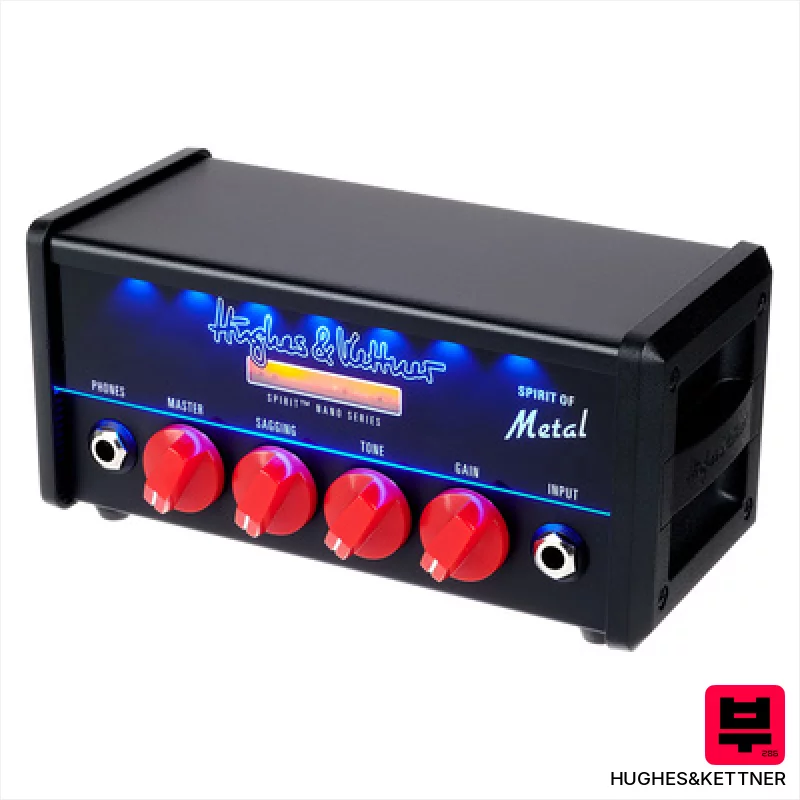
Hughes&Kettner Spirit of Metal
- • Compact Nano head offers surprising power and portability.
- • Spirit Tone Generator convincingly emulates high-gain amp characteristics.
- • Sagging control provides nuanced power amp saturation shaping.
- • RedBox output offers surprisingly decent amp-in-a-box convenience.
- • Single channel limits tonal flexibility for players needing diverse sounds.
- • Solid-state nature lacks the organic complexity of tube amps.
- • Limited EQ controls restrict fine-tuning of the overall tone.
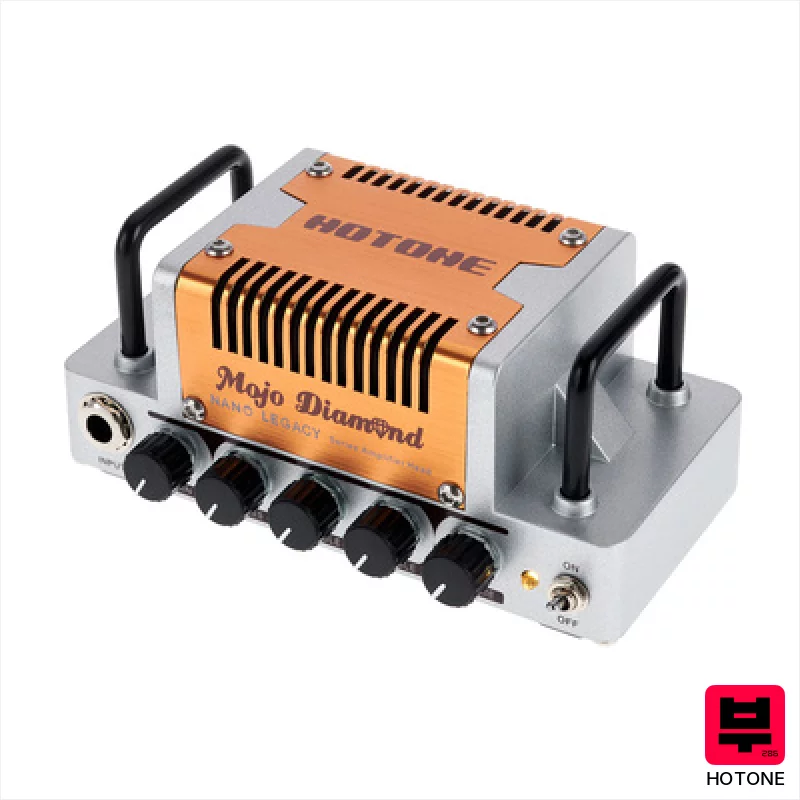
Hotone Nano Legacy Mojo Diamond
- • Surprisingly warm Class A/B voicing for its size and price.
- • Compact design makes it exceptionally portable for practice and small gigs.
- • FX loop allows for creative external effects processing.
- • 3-band EQ provides decent tonal shaping for a mini amp.
- • Limited wattage restricts its suitability for louder band settings.
- • Plastic enclosure feels budget-oriented, impacting perceived durability.
- • Headphone output lacks a dedicated volume control.
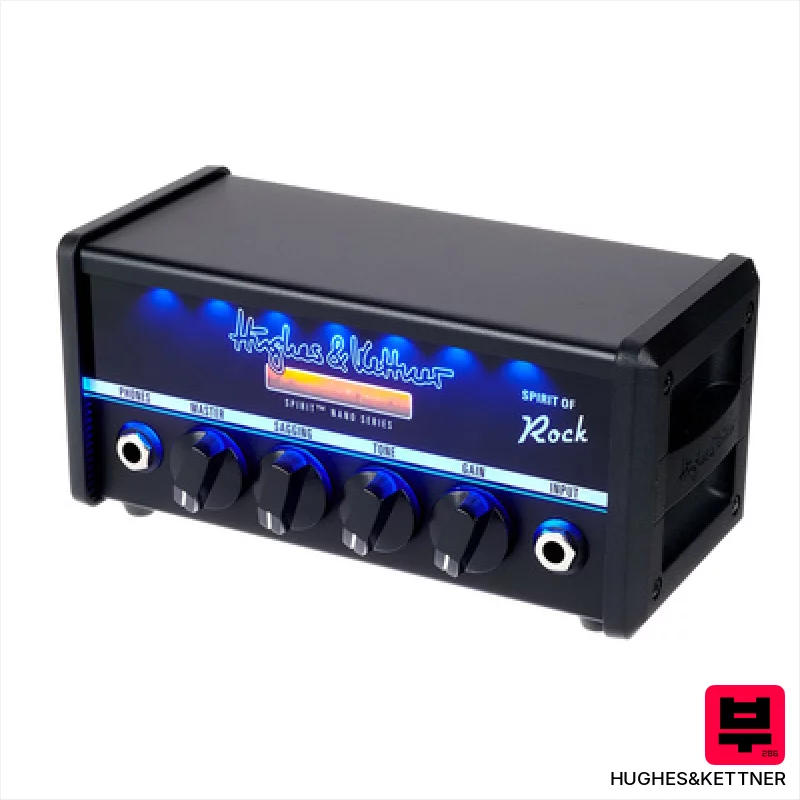
Hughes&Kettner Spirit of Rock
- • Compact size ideal for small practice spaces and travel
- • Spirit Tone Generator convincingly emulates classic amp sag and response
- • Sagging control offers nuanced power amp saturation shaping
- • RedBox headphone output provides surprisingly usable amp-in-a-box experience
- • Single channel limits tonal versatility; lacks clean headroom options
- • Solid-state nature inherently lacks the organic complexity of tube amps
- • Aux input is a somewhat limited feature for a practice amp
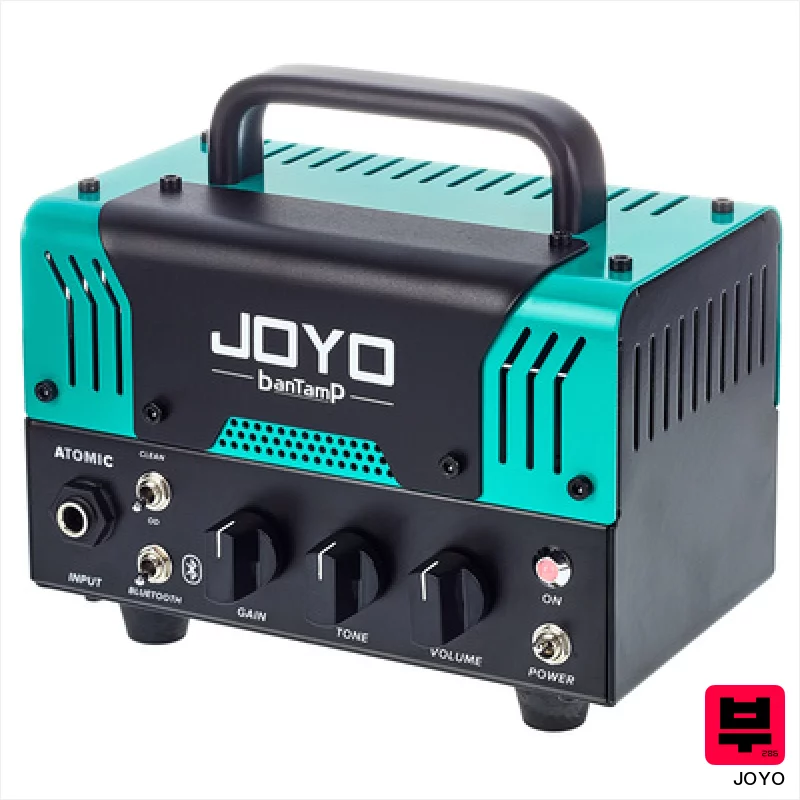
Joyo Atomic
- • Compact size makes it ideal for practice and small gigs
- • The 12AX7 preamp adds a touch of warmth missing in many solid-state amps
- • Bluetooth connectivity is surprisingly useful for backing tracks or jamming
- • Affordable price point opens amp ownership to a wider range of players
- • Tone shaping is limited with only a single tone control
- • Build quality feels somewhat plasticky, typical for this budget
- • Clean channel can be a bit fizzy at higher gain settings
How to Choose the Best Solid-State Guitar Heads
Gain Structure
Solid-state amps live and die by their gain range. You're not getting high-end modeling flexibility, so a usable range from clean to crunchy is critical for covering multiple genres. Watch out for fizzy, unusable distortion - that's a common telltale sign of cheap designs.
EQ Section
A decent EQ is your best friend when sculpting your tone. Look for at least a basic bass, mid, and treble control; a mid-sweep is a huge bonus for finding that sweet spot and cutting through a band mix.
Headroom & Dynamics
Headroom is how much louder you can go before things get ugly. Budget solid-state heads often run out of steam quickly. Dynamics are how the amp responds to your playing - a dead amp feels lifeless, even with great distortion.
Build Quality & Reliability
Let's be real - these amps aren't going to be tank-like. But look for decent component quality and a sturdy enclosure. A flaky footswitch or unreliable power section will kill your vibe fast.
Speaker Emulation (if present)
Some heads include speaker emulations. These are rarely amazing, but can be useful for recording direct or practicing silently. Don't expect them to fool anyone into thinking you're mic'ing a real cab.
Buying Guide
At this price point, you're making trade-offs. Expect a certain amount of noise-hiss is a common byproduct of solid-state circuitry, especially when pushing the gain. The cleans will likely be more 'functional' than 'inspiring', and the breakup won't be the gradual, complex kind you get from a tube amp. Focus on finding an amp with a usable gain range and a decent EQ to compensate. Don't be afraid to buy used - you can often snag a much better deal on a slightly older model.
How This List Is Built
We don't play these instruments — we're a catalog, not a review desk, and we'd rather say so than pretend otherwise. This page ranks 5 solid-state guitar heads from the Thomann catalogue, which is the largest single source of specification data in this category.
Position is computed, not curated. Four signals, in order of weight: how completely the manufacturer documents the instrument (number of published specifications), where it sits in the price range, how specific the model designation is — which filters out generic accessories — and whether a product image exists. The same inputs always produce the same order, so nothing here is shuffled to look fresh.
What this list is good for: narrowing a category down to a shortlist by spec and budget. What it isn't: a substitute for hearing an instrument. Before you buy, read hands-on reviews and, where you can, play it. Full methodology.

