
Best Solid-State Guitar Heads Under $200 2026
Alright, so you're hunting for a solid-state head and your wallet's looking a little thin? It's a challenge, no doubt. You're not gonna get boutique warmth or a vintage vibe for under $200, but you can find something usable - something that'll get you through rehearsals, bedroom practice, or even a low-key gig without your amp blowing a fuse. Let's cut through the noise and look at the best options.
Last updated: April 11, 2026
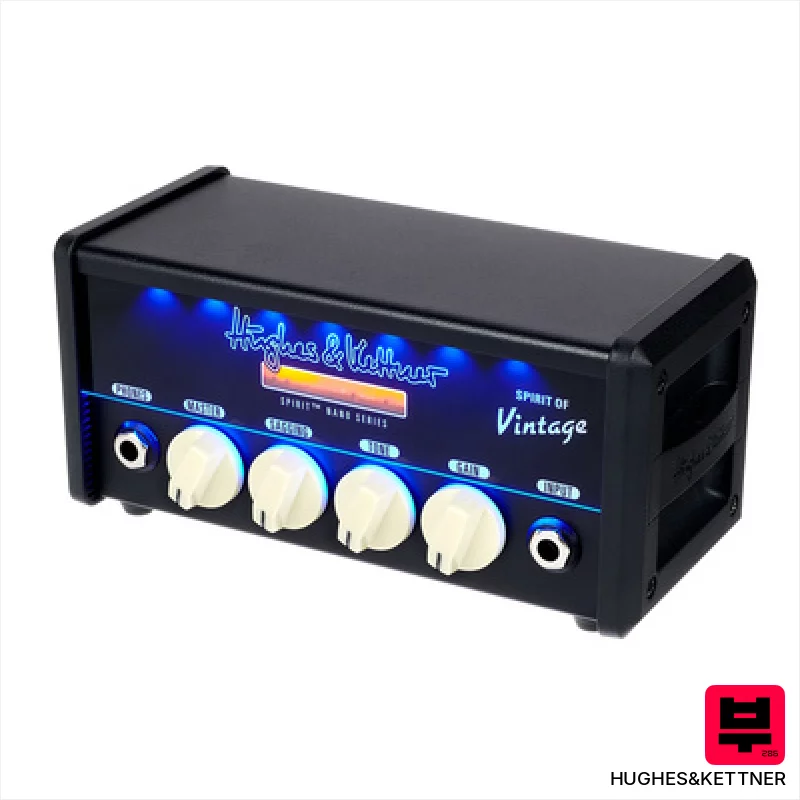
Hughes&Kettner Spirit of Vintage
- • Compact size makes it exceptionally transportable for gigging musicians
- • Spirit Tone Generator delivers surprisingly convincing vintage amp tones
- • Sagging control offers nuanced power amp saturation shaping
- • Unfiltered line-out simplifies recording with software amp sims
- • Single channel limits tonal versatility compared to multi-channel amps
- • Solid-state design lacks the nuanced dynamic response of a tube amp
- • Limited EQ controls may require external pedals for extensive tonal shaping
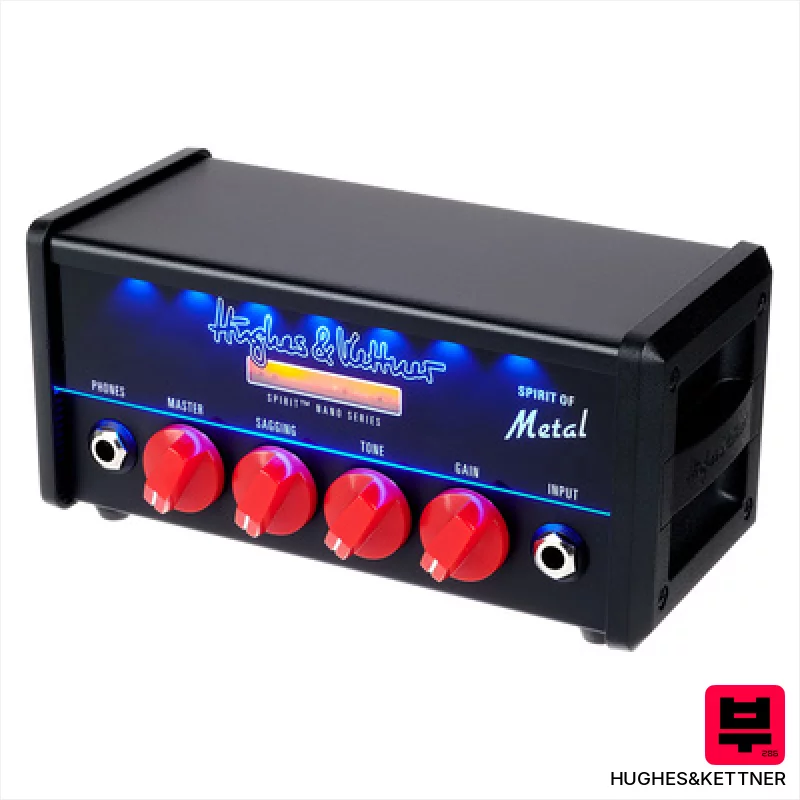
Hughes&Kettner Spirit of Metal
- • Compact Nano head offers surprising power and portability.
- • Spirit Tone Generator convincingly emulates high-gain amp characteristics.
- • Sagging control provides nuanced power amp saturation shaping.
- • RedBox output offers surprisingly decent amp-in-a-box convenience.
- • Single channel limits tonal flexibility for players needing diverse sounds.
- • Solid-state nature lacks the organic complexity of tube amps.
- • Limited EQ controls restrict fine-tuning of the overall tone.
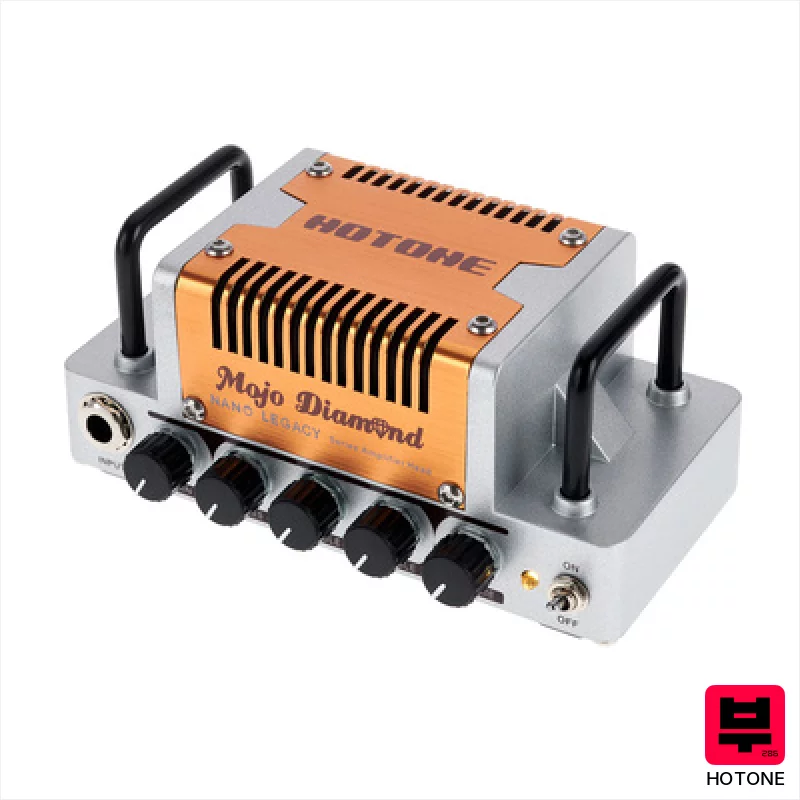
Hotone Nano Legacy Mojo Diamond
- • Surprisingly warm Class A/B voicing for its size and price.
- • Compact design makes it exceptionally portable for practice and small gigs.
- • FX loop allows for creative external effects processing.
- • 3-band EQ provides decent tonal shaping for a mini amp.
- • Limited wattage restricts its suitability for louder band settings.
- • Plastic enclosure feels budget-oriented, impacting perceived durability.
- • Headphone output lacks a dedicated volume control.
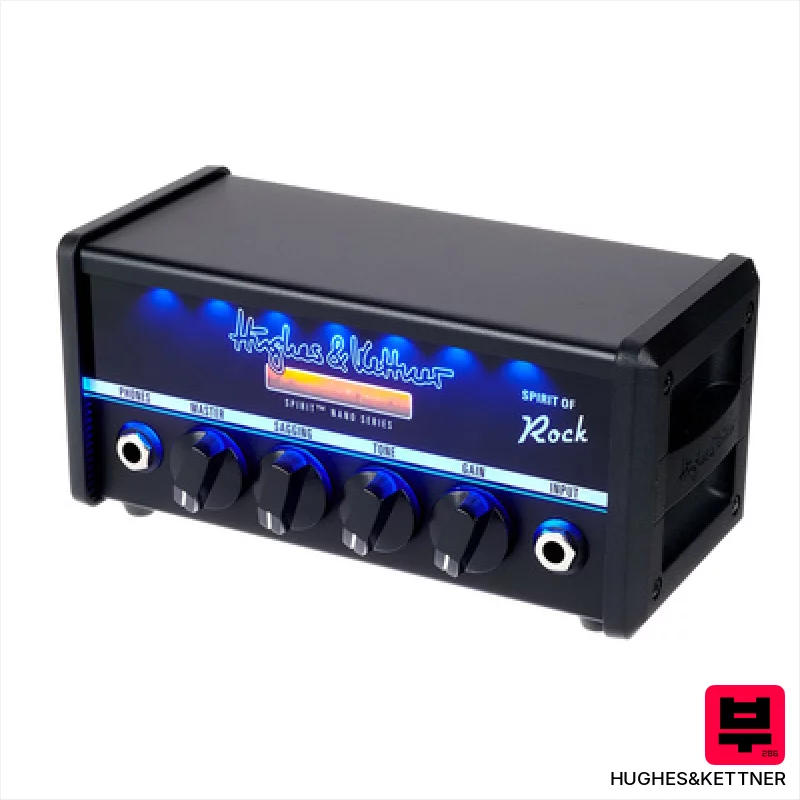
Hughes&Kettner Spirit of Rock
- • Compact size ideal for small practice spaces and travel
- • Spirit Tone Generator convincingly emulates classic amp sag and response
- • Sagging control offers nuanced power amp saturation shaping
- • RedBox headphone output provides surprisingly usable amp-in-a-box experience
- • Single channel limits tonal versatility; lacks clean headroom options
- • Solid-state nature inherently lacks the organic complexity of tube amps
- • Aux input is a somewhat limited feature for a practice amp
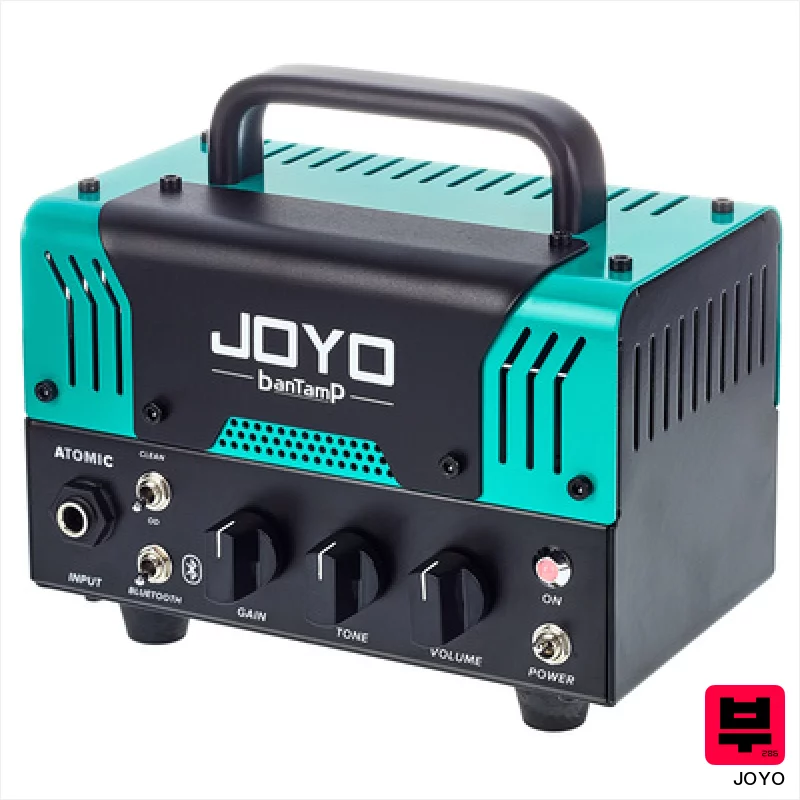
Joyo Atomic
- • Compact size makes it ideal for practice and small gigs
- • The 12AX7 preamp adds a touch of warmth missing in many solid-state amps
- • Bluetooth connectivity is surprisingly useful for backing tracks or jamming
- • Affordable price point opens amp ownership to a wider range of players
- • Tone shaping is limited with only a single tone control
- • Build quality feels somewhat plasticky, typical for this budget
- • Clean channel can be a bit fizzy at higher gain settings
How to Choose the Best Solid-State Guitar Heads
Clean Headroom
Solid-state amps are known for clean headroom, but budget models often lack finesse. We're looking for a usable clean tone that doesn't immediately turn fizzy under moderate gain.
Gain Range & Distortion Character
Don't expect high-end amp modeling. These heads will generally offer a crunchy, somewhat compressed distortion - think early 90s rhythm tones, not modern high-gain. Articulation under gain is key.
EQ Flexibility
A decent EQ section (bass, mid, treble) is essential for shaping your tone and compensating for different cabinets. Lack of mid control is a common issue - be prepared to compensate with pedals.
Build Quality & Reliability
Plastic enclosures and cheap pots are a given at this price. We're assessing how well they'll hold up to gigging (or even just frequent transport).
Noise Floor
Solid-state amps should be quiet, but budget models are often noisy. We're checking for hum and hiss, especially when gain is cranked.
Buying Guide
Look, you're buying a compromise. Expect a certain amount of plastic-y feel and a less-than-stellar reverb (if there even is one). Don't chase 'vintage' sounds; these heads excel at crunchy rhythm tones, think hard rock or alternative. Prioritize EQ flexibility - a decent mid control can make a huge difference. And be prepared to dial in your tone using pedals; they'll be your best friend.
How This List Is Built
We don't play these instruments — we're a catalog, not a review desk, and we'd rather say so than pretend otherwise. This page ranks 5 solid-state guitar heads from the Thomann catalogue, which is the largest single source of specification data in this category.
Position is computed, not curated. Four signals, in order of weight: how completely the manufacturer documents the instrument (number of published specifications), where it sits in the price range, how specific the model designation is — which filters out generic accessories — and whether a product image exists. The same inputs always produce the same order, so nothing here is shuffled to look fresh.
What this list is good for: narrowing a category down to a shortlist by spec and budget. What it isn't: a substitute for hearing an instrument. Before you buy, read hands-on reviews and, where you can, play it. Full methodology.

