
Best Preamps for Acoustic Guitars for Live Performance 2026
So, you're plugging your acoustic into a PA for gigs? Smart move - it's the only way to be heard over a drummer and a bassist. But just slapping a preamp on isn't enough; you need one that adds something good - clarity, headroom, maybe a touch of warmth - without turning your carefully-voiced acoustic into a brittle mess. This isn't about studio shimmer; this is about cutting through the mix and feeling confident on stage.
Last updated: July 22, 2026 • Next update: July 29, 2026

Headway EDB-2 H.E.
- • Harmonic enhancement truly adds warmth and complexity to acoustic tones.
- • Dual-channel design allows seamless blending of two instruments or mics.
- • Robust build quality with professional-grade components ensures long-term reliability.
- • The tunable notch filter is remarkably effective at taming feedback.
- • The sheer number of controls can be initially overwhelming for less experienced users.
- • The unit's size makes it less ideal for very compact acoustic setups.
- • While versatile, its harmonic enhancement may not suit all playing styles.

Trace Elliot Multipedal TRANSIT-A
- • Excellent onboard effects suite, very usable and musical
- • Piezo-Boost switch genuinely enhances passive piezo systems
- • Compact size and included case make it gig-ready
- • DI outputs PRE/POST provide flexible signal shaping options
- • Limited EQ control compared to dedicated acoustic processors
- • Weight, while manageable, can be noticeable on a pedalboard
- • Chorus effect is somewhat basic, lacks depth and nuance
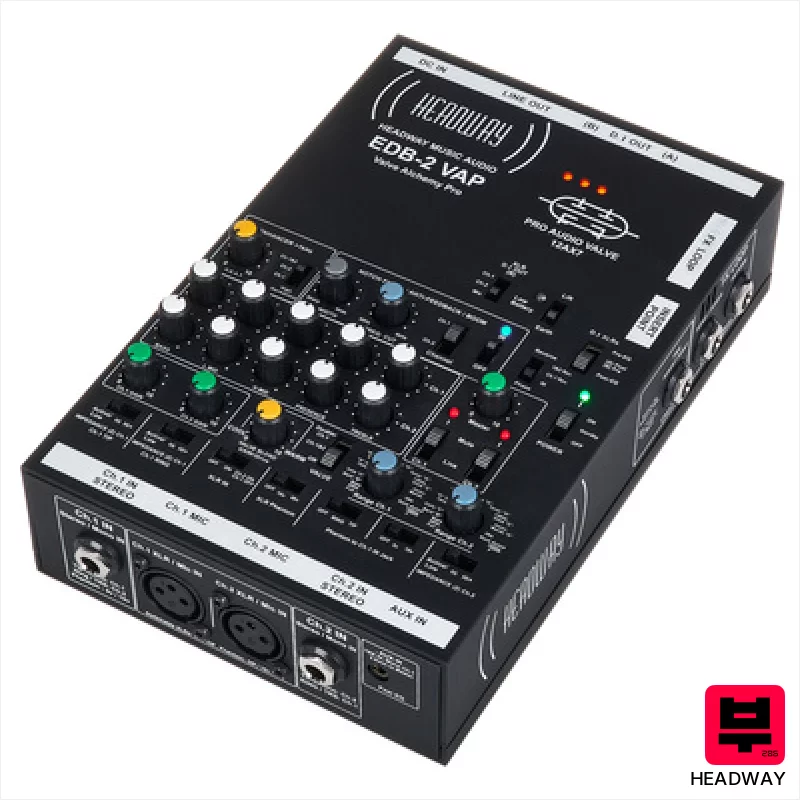
Headway EDB-2 VAP
- • Tube-driven harmonic enhancement adds noticeable warmth and complexity.
- • Dual-channel design with interactive EQ caters to multiple instruments/players.
- • Robust build quality with professional-grade components and XLR outputs.
- • FX loop offers versatility for integrating external effects pedals.
- • The unit's size and weight make it less portable for gigging.
- • The complex interface may require a learning curve for less experienced users.
- • The valve operation introduces a potential for increased noise if not properly grounded.

Ovation OP Pro Studio
- • Ovation's proprietary preamp design delivers a clear, articulate amplified tone.
- • The built-in tuner with mute is incredibly convenient for stage use and quick adjustments.
- • The 3-band EQ and drive controls offer surprisingly nuanced shaping of the sound.
- • The included mounting system simplifies installation within compatible Ovation acoustic guitars.
- • Limited to Ovation guitar integration; not a universal pickup system.
- • The LED display, while functional, feels somewhat dated and less bright.
- • Drive control can quickly become muddy if overused, requiring careful adjustment.
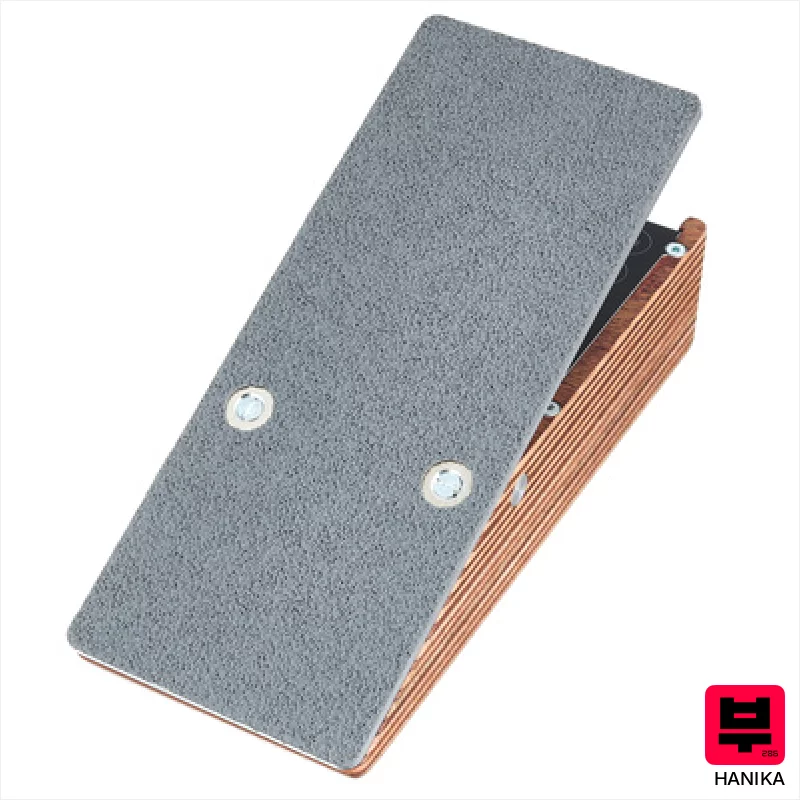
Hanika PPA-SLV Volume-Pedal Preamp
- • Exceptional clarity and warmth, preserving acoustic guitar's natural tone.
- • Volume pedal offers smooth, musical swells and dynamic control.
- • Robust, road-worthy construction using quality metal components.
- • Adjustable pedal resistance caters to various playing styles and preferences.
- • Requires a separate power supply, adding to overall cost and setup complexity.
- • Limited EQ options; not ideal for extensive tonal sculpting.
- • Premium-priced, potentially prohibitive for budget-conscious acoustic players.
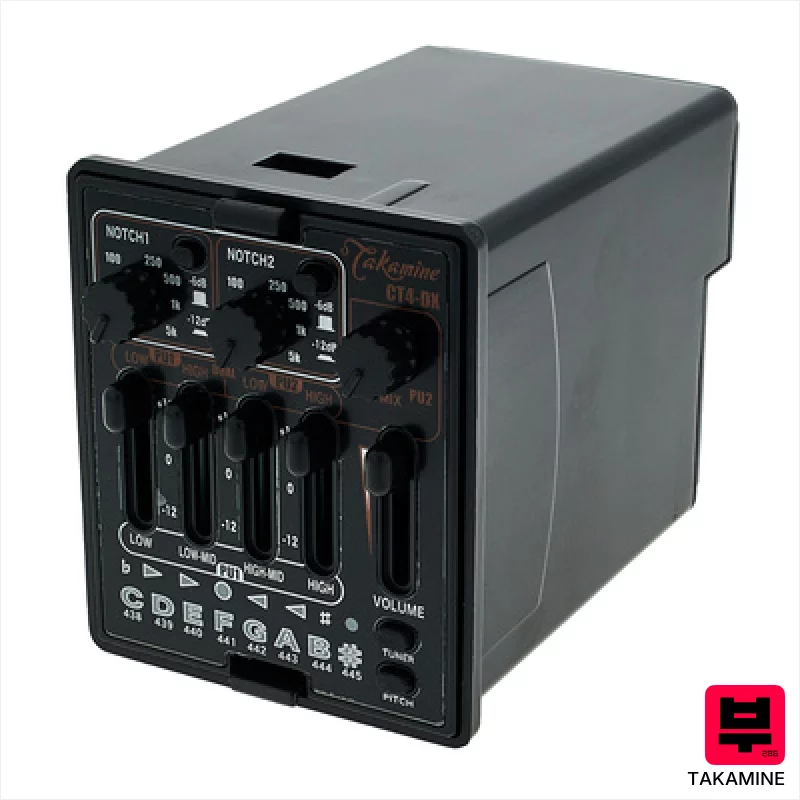
Takamine CT4-DX Preamp
- • Excellent noise rejection, even with high gain settings
- • 5-band EQ provides precise tonal shaping capabilities
- • Built-in tuner is surprisingly accurate and convenient
- • Dedicated second pickup channel expands sonic possibilities
- • Limited to Takamine guitars; not universally compatible
- • Frame-less design can complicate installation for some users
- • EQ might lack extreme flexibility for very nuanced tonal sculpting
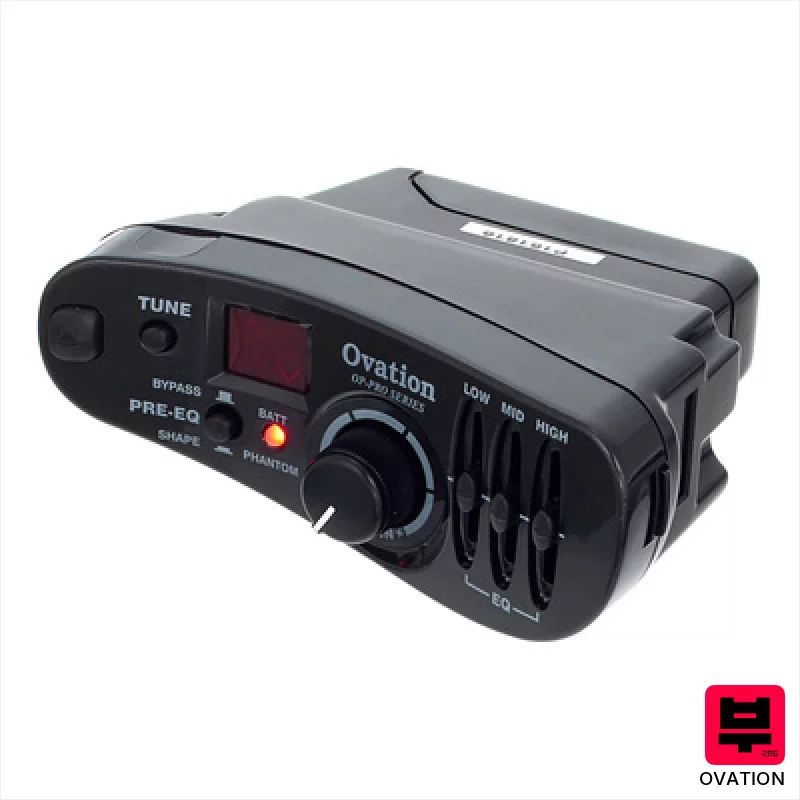
Ovation OP-PRO Preamp
- • Integrated tuner display is genuinely useful for quick on-stage adjustments.
- • Ovation’s proprietary preamp circuitry delivers a clean, focused amplified tone.
- • Solid build quality; feels robust and secure within the Ovation guitar body.
- • EQ controls offer decent shaping for tackling various performance environments.
- • Mounting is exclusive to Ovation guitars, limiting its versatility.
- • Tuner lacks a mute function, potentially disruptive during quiet passages.
- • EQ range, while adequate, isn't as comprehensive as higher-end preamps.
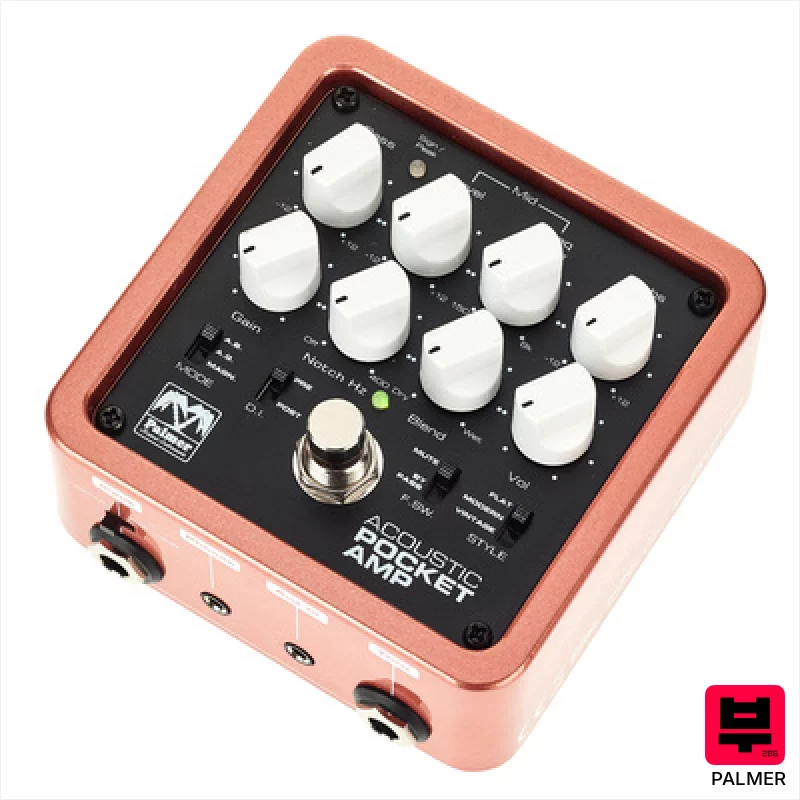
Palmer MI Pocket Amp Acoustic
- • Compact size ideal for gigging musicians and songwriters
- • Three voicing options offer surprisingly flexible tonal shaping
- • Balanced XLR DI output provides clean, professional signal to mixers
- • Semi-parametric EQ allows precise frequency adjustments for problem areas
- • Limited effects options compared to more complex preamp units
- • Battery life will be a concern for extended performances
- • Plastic enclosure feels somewhat less robust than metal alternatives
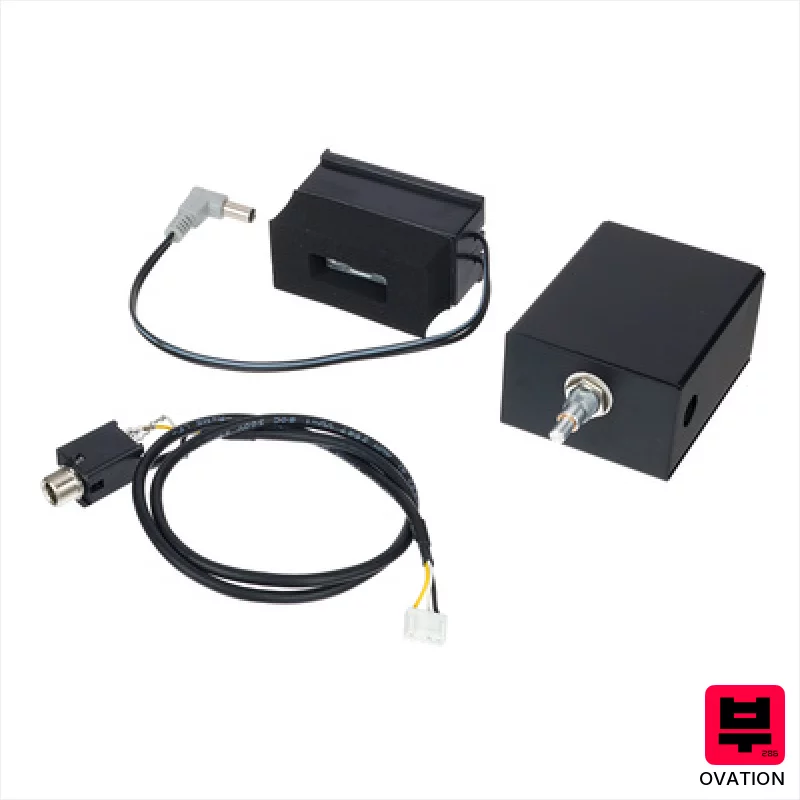
Ovation Preamp-System 708935-A SKM
- • FET preamp delivers that classic, warm Ovation tone, instantly
- • Tandem potentiometer offers intuitive volume/tone control
- • Vintage 9-volt metal battery compartment feels robust and secure
- • Single body hole simplifies installation, preserving acoustic integrity
- • Requires a compatible Ovation guitar body hole configuration
- • No onboard effects processing limits tonal flexibility
- • Pickup not included; necessitates separate purchase for full functionality
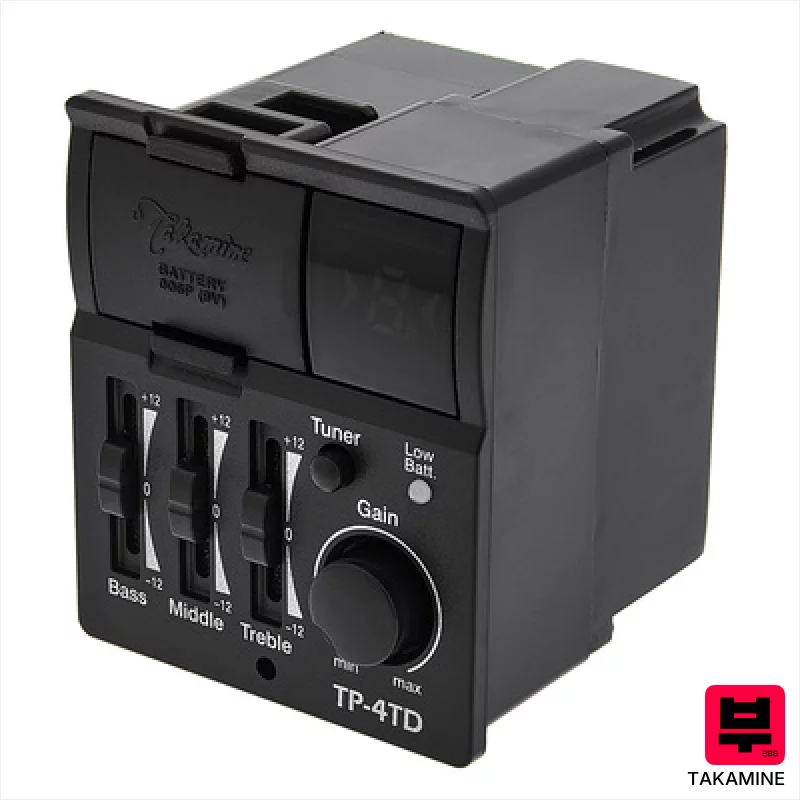
Takamine TP-4TD Preamp for G-Series
- • Simple, effective 3-band EQ provides surprisingly good tonal shaping.
- • Built-in tuner is accurate and convenient for quick adjustments onstage.
- • Designed specifically for Takamine G-Series, ensuring a seamless, secure fit.
- • Low battery indicator prevents embarrassing onstage cutouts; practical feature.
- • Limited EQ flexibility compared to more advanced preamps with parametric controls.
- • The tuner's display is small and can be difficult to read in bright stage lighting.
- • Relies on piezo pickups, which can sound brittle if not carefully EQ'd.

K&K Trinity Pro Preamp
- • Clean, transparent amplification of K&K piezo systems
- • Flexible EQ allows tailoring to various guitar types and rooms
- • Microphone channel adds warmth and body to the piezo sound
- • Robust, compact enclosure ideal for pedalboards or mounting
- • Limited headroom at higher gain settings, can introduce noise
- • EQ isn’t as detailed as more expensive, dedicated studio preamps
- • Phase switch can be finicky, requiring careful adjustment
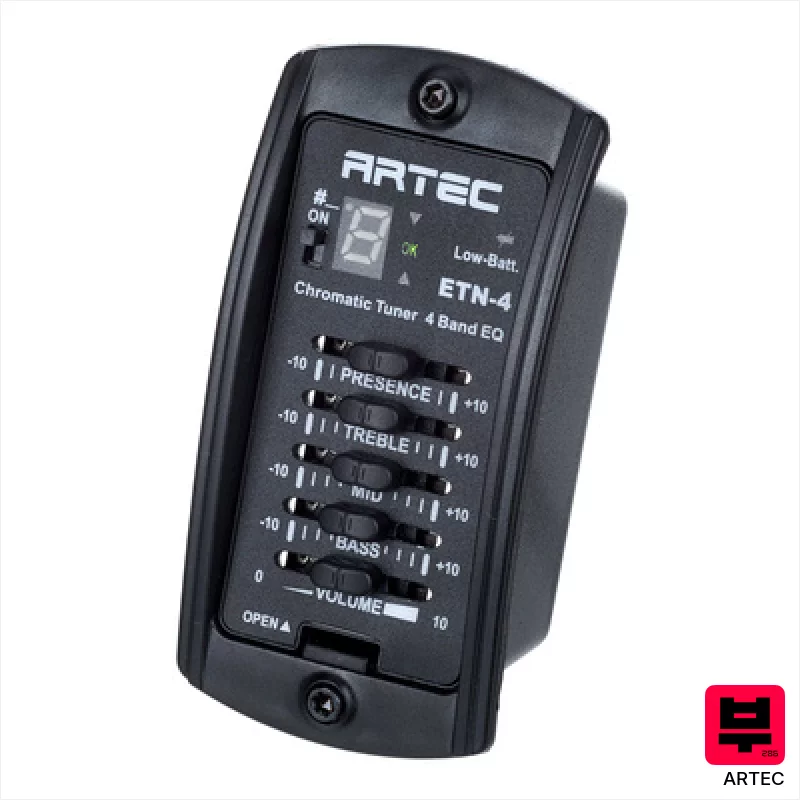
Artec ETN-4 Preamp
- • Slim profile minimizes upper bout obstruction during playing.
- • Chromatic tuner is surprisingly accurate and convenient.
- • 4-band EQ offers decent tonal shaping for basic adjustments.
- • Aux input allows for easy blending with external sound sources.
- • Mini-jack connections feel flimsy and potentially unreliable long-term.
- • EQ range is limited, lacking finesse for complex tone sculpting.
- • Battery life is average, requiring frequent changes.
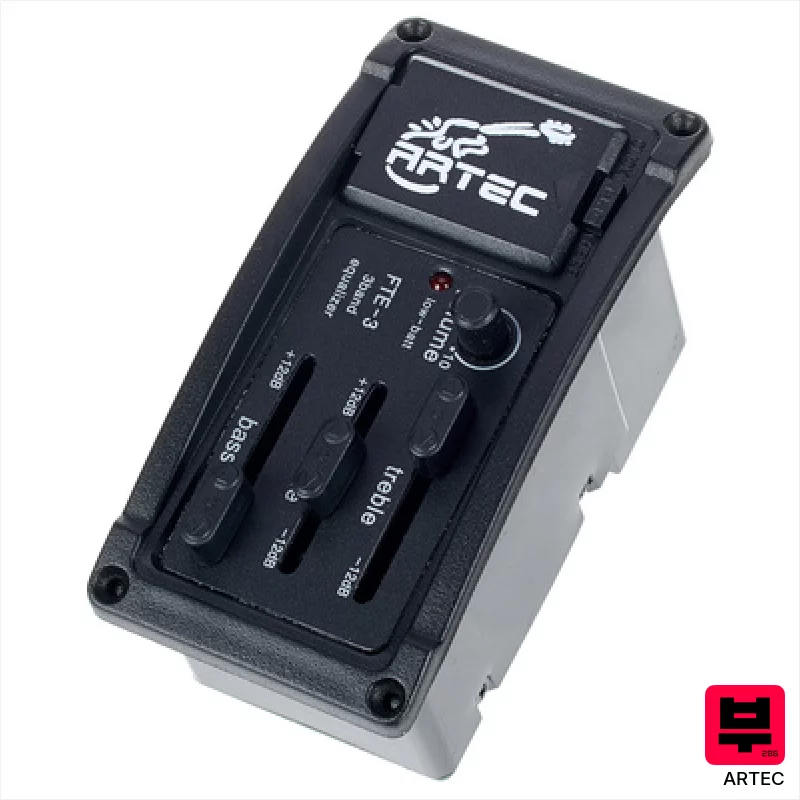
Artec FTE-3
- • Extremely affordable entry point for acoustic preamp needs.
- • Compact upper bout design minimizes impact on acoustic resonance.
- • Simple 3-band EQ offers basic tonal shaping capabilities.
- • Battery status indicator prevents unexpected signal dropouts during performance.
- • Plastic housing feels noticeably cheap and less durable.
- • Limited EQ range may not satisfy more discerning tonal preferences.
- • Requires a 9V battery, adding to ongoing operating costs.
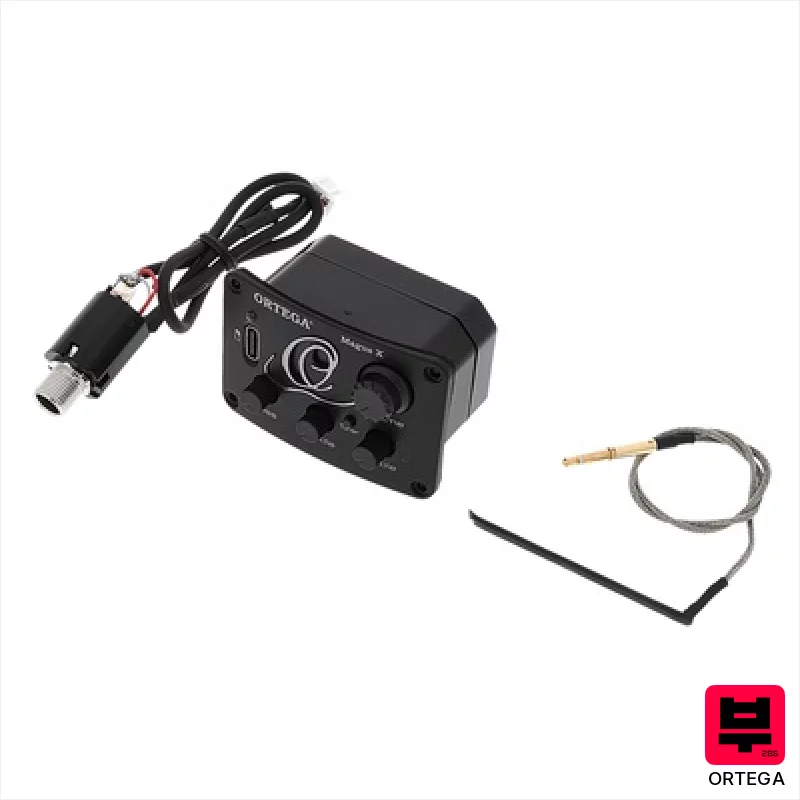
Ortega MAGUSX/U
- • Integrated tuner is surprisingly useful for quick tuning on stage.
- • The USB-C rechargeable battery is a modern, convenient power solution.
- • 3-band EQ offers decent tonal shaping for ukulele performance.
- • Piezo pickup delivers a surprisingly natural acoustic ukulele tone.
- • The piezo pickup, while decent, won't match a higher-end magnetic system.
- • The plastic enclosure feels somewhat budget-oriented despite functionality.
- • EQ control range may be limiting for those seeking extreme tonal changes.
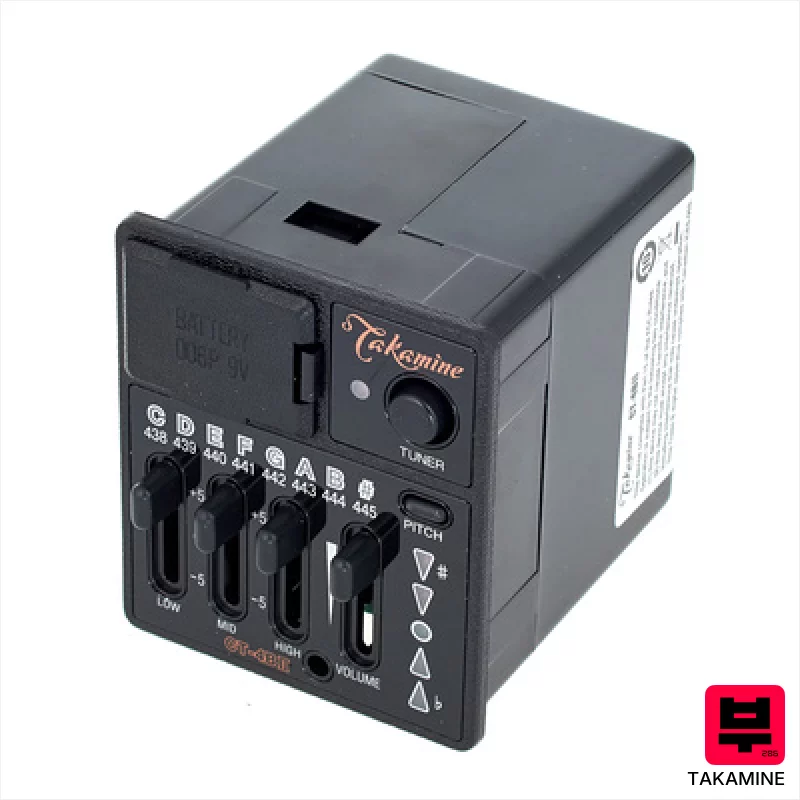
Takamine CT4BII
- • Solid build quality; Takamine’s renowned reliability shines through.
- • The Palathetic pickup system delivers a natural, balanced acoustic tone.
- • Chromatic tuner is surprisingly accurate and convenient for quick adjustments.
- • 3-band EQ provides useful tonal shaping without excessive coloration.
- • Strictly designed for Takamine guitars, limiting versatility.
- • No onboard effects; relies on external processing for added textures.
- • Limited gain headroom; not ideal for high-volume performance scenarios.
How to Choose the Best Preamps for Acoustic Guitars
Gain Range
A wide gain range is critical. You need to be able to boost a quiet stage signal without adding unwanted noise, but also have enough headroom for those moments when you really dig in. Too little gain and you're fighting the PA; too much and you're introducing hiss and compression.
Tonal Character
Some preamps are sterile; others add a distinct flavor. We're looking for preamps that enhance the natural tone of the acoustic - maybe a little warmth in the low-mids to give it some thump, or a subtle high-end lift for clarity - without muddying the waters or creating an artificial sound.
Noise Floor
Live stages are noisy places. A preamp with a low noise floor is absolutely essential; otherwise, you'll be fighting a constant hiss that will bury your signal. This is especially important when using higher gain settings.
Phantom Power Quality
If you're using a condenser mic, the quality of the phantom power is vital. Cheap phantom power can introduce noise or even damage your microphone over time. A solid, clean 48V is a must.
Build Quality & Features
Road-worthy gear is a must for live performance. Look for durable construction, intuitive controls, and features like pad switches for handling hot signals - because feedback is a real problem.
Buying Guide
Don't chase the 'expensive' label. A lot of high-end preamps are designed for studio use and are overkill for live work. Pay attention to the noise floor - that's where cheaper units really fall down. A little bit of warmth is good, but avoid anything that artificially boosts the high-end; it'll sound harsh and brittle through a PA. Spending a bit more for a preamp with a good reputation for low noise and a clean, transparent sound is always a smart investment.
Our Methodology
We're not basing this on spec sheets. We've spent countless hours A/B-ing preamps through a variety of acoustic guitars - from vintage Martins to modern Taylors - in band rehearsals, live sound checks, and even recording demos. We're listening for how they affect the instrument's natural dynamics and how they play in a full band setting, because that's what matters.

