AudioFu Chart · October 2026
Best Preamps for Acoustic Guitars for Advanced 2026
The top pick is Headway EDB-2 H.E. ($426). Artec FTE-3 gives you the most for the money at $26. Hanika PPA-SLV Volume-Pedal Preamp leads the high end. Ranked by the AudioFu Index from 13 models across 9 brands, prices checked every night.
Last updated: October 22, 2026
Top 10
Full detail for the 10 highest AudioFu Index scores. Every other model is listed below.
-
The Headway EDB-2 H.E. is a serious preamp for the gigging acoustic guitarist or duo needing a flexible, high-quality solution. The harmonic enhancement adds a unique tonal character, and the dual-channel functionality is a game-changer for blending acoustic and electric sounds, or two acoustic instruments. It’s a premium-priced option, but delivers professional results and a ton of control.
Pros
- Harmonic enhancement truly adds warmth and complexity to acoustic tones.
- Dual-channel design allows seamless blending of two instruments or mics.
- Robust build quality with professional-grade components ensures long-term reliability.
Cons
- The sheer number of controls can be initially overwhelming for less experienced users.
- The unit's size makes it less ideal for very compact acoustic setups.
47AudioFu
IndexStableno change since Aug 17Aug 17$426 now$426€379 at Thomann · in stockCheck price ↗ -
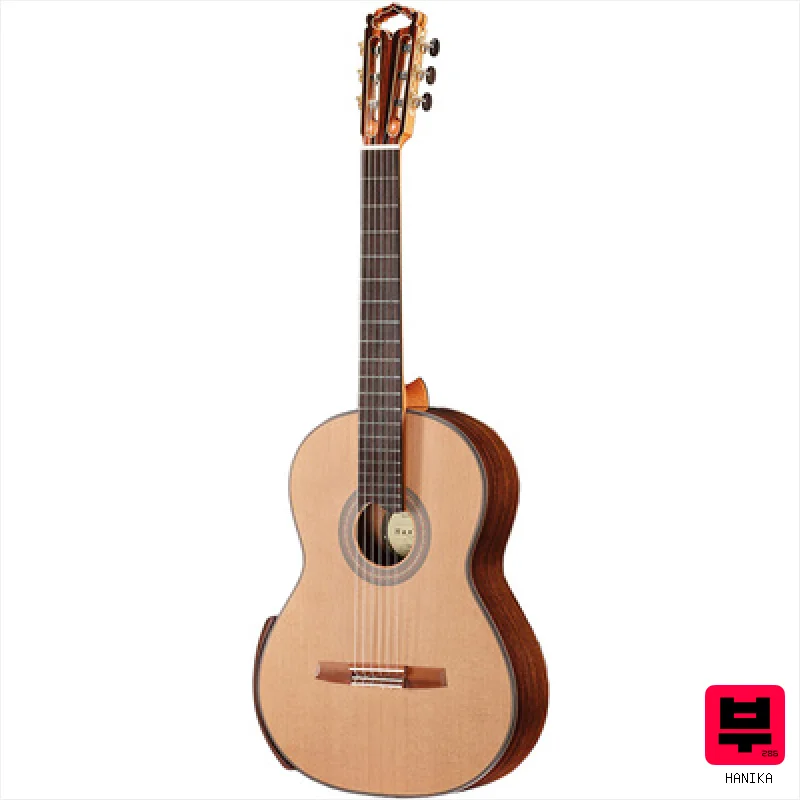
The Hanika PPA-SLV is a beautifully transparent preamp for serious acoustic players. It’s fantastic for stage use, providing a natural, amplified sound with a really responsive volume pedal. If you’re an acoustic guitarist seeking pristine tone and dynamic control without coloration, this is a top contender.
Pros
- Exceptional clarity and warmth, preserving acoustic guitar's natural tone.
- Volume pedal offers smooth, musical swells and dynamic control.
- Robust, road-worthy construction using quality metal components.
Cons
- Requires a separate power supply, adding to overall cost and setup complexity.
- Limited EQ options; not ideal for extensive tonal sculpting.
42AudioFu
Index↓ 10.0%since Aug 17 · lowest so far$841 · Aug 17$757 now$757€674 at Thomann · in stockCheck price ↗ -
- Weight1.18 kg
The Transit-A is a surprisingly capable little unit for acoustic players needing a convenient all-in-one solution. It’s ideal for singer-songwriters or gigging acoustic guitarists who want a DI, effects, and a boost in a compact, road-ready package. The built-in tuner is a welcome bonus too.
Pros
- Excellent onboard effects suite, very usable and musical
- Piezo-Boost switch genuinely enhances passive piezo systems
- Compact size and included case make it gig-ready
Cons
- Limited EQ control compared to dedicated acoustic processors
- Weight, while manageable, can be noticeable on a pedalboard
52AudioFu
IndexStableno change since Aug 17Aug 17$358 now$358€319 at Thomann · in stockCheck price ↗ -
The OP Pro Studio is a solid choice for Ovation players looking to amplify their acoustic tone. It's got a clean preamp, useful EQ, and a tuner that's a real time-saver—ideal for gigging musicians who want a reliable, straightforward amplified acoustic sound without a lot of fuss.
Pros
- Ovation's proprietary preamp design delivers a clear, articulate amplified tone.
- The built-in tuner with mute is incredibly convenient for stage use and quick adjustments.
- The 3-band EQ and drive controls offer surprisingly nuanced shaping of the sound.
Cons
- Limited to Ovation guitar integration; not a universal pickup system.
- The LED display, while functional, feels somewhat dated and less bright.
40AudioFu
IndexStableno change since Aug 17Aug 17$370 now$370€329 at Thomann · in stockCheck price ↗ -
The CT4-DX is a solid preamp choice if you're already in the Takamine ecosystem. It delivers clean amplification, a useful EQ section for dialing in your tone, and a handy tuner – all in a compact package. Ideal for Takamine players needing a reliable, affordable boost for stage or recording.
Pros
- Excellent noise rejection, even with high gain settings
- 5-band EQ provides precise tonal shaping capabilities
- Built-in tuner is surprisingly accurate and convenient
Cons
- Limited to Takamine guitars; not universally compatible
- Frame-less design can complicate installation for some users
49AudioFu
IndexStableno change since Aug 17Aug 17$313 now$313€279 at Thomann · in stockCheck price ↗ -
Palmer PEPAMP Pocket Amp MK 2
MI Pocket Amp Acoustic · Palmer
18 for sale on Reverb1 finish at Thomann
The Palmer MI Pocket Amp Acoustic is a clever little box for acoustic players needing a clean DI signal and some basic tone shaping on the fly. It's fantastic for solo performers, songwriters, or anyone who wants a simple, portable solution to improve their acoustic guitar's sound in live settings or when recording – it’s a serious upgrade over most onboard preamps.
Pros
- Compact size ideal for gigging musicians and songwriters
- Three voicing options offer surprisingly flexible tonal shaping
- Balanced XLR DI output provides clean, professional signal to mixers
Cons
- Limited effects options compared to more complex preamp units
- Battery life will be a concern for extended performances
65AudioFu
IndexStableno change since Aug 17Aug 17$172 now$172€153 at Thomann · in stockCheck price ↗ -
The Artec FTE-3 is a shockingly budget-friendly preamp, perfect for gigging singer-songwriters or acoustic guitar students just starting out. It's a basic solution for boosting signal and making minor EQ adjustments, but don’t expect studio-grade sonic sculpting—it's a functional tool, not a high-end processor.
Pros
- Extremely affordable entry point for acoustic preamp needs.
- Compact upper bout design minimizes impact on acoustic resonance.
- Simple 3-band EQ offers basic tonal shaping capabilities.
Cons
- Plastic housing feels noticeably cheap and less durable.
- Limited EQ range may not satisfy more discerning tonal preferences.
-
The Artec ETN-4 is a remarkably budget-friendly preamp, ideal for acoustic guitarists needing basic tone shaping and a tuner on the go. Its slim design is a definite plus, preventing awkward interference with your playing. Don't expect high-end performance, but it's a solid, functional option for beginners or those seeking a simple, inexpensive solution.
Pros
- Slim profile minimizes upper bout obstruction during playing.
- Chromatic tuner is surprisingly accurate and convenient.
- 4-band EQ offers decent tonal shaping for basic adjustments.
Cons
- Mini-jack connections feel flimsy and potentially unreliable long-term.
- EQ range is limited, lacking finesse for complex tone sculpting.
-
The Artec Edge Z is a surprisingly capable preamp for the budget-conscious acoustic player. It's a great solution for gigging musicians needing basic EQ and a tuner without complex features – just a straightforward boost and some basic tone control. Ideal for singer-songwriters and acoustic rhythm players who need a simple, portable solution.
Pros
- Compact size minimizes acoustic guitar body resonance disruption
- Flip-Hood battery access is genuinely quick and convenient
- 3-band EQ offers useful tonal shaping for live performance
Cons
- Plastic construction feels noticeably cheap for prolonged use
- Phase switch's effect is subtle, often negligible
-
The TP-4TD is a no-frills preamp perfect for G-Series Takamine owners needing a basic boost and EQ. It's a solid, budget-friendly solution for gigging musicians who want a reliable, easy-to-use preamp without a lot of extra bells and whistles—especially good for folk or country players wanting a clean amplified tone.
Pros
- Simple, effective 3-band EQ provides surprisingly good tonal shaping.
- Built-in tuner is accurate and convenient for quick adjustments onstage.
- Designed specifically for Takamine G-Series, ensuring a seamless, secure fit.
Cons
- Limited EQ flexibility compared to more advanced preamps with parametric controls.
- The tuner's display is small and can be difficult to read in bright stage lighting.
All 13 preamps for acoustic guitars
Same index, same nightly prices — compact. Colour options of one model share a row. Tap a photo to zoom.
Preamps for Acoustic Guitars by the numbers
Measured across all 15 models we track, not a sample.
Median $219 — half of all preamps for acoustic guitars here cost less.
How to choose the best preamps for acoustic guitars
Transparency & Voicing
A preamp shouldn't add its own character unless that's the explicit goal. Advanced players want to hear the guitar, not a colored sonic stamp. We're looking for subtle shaping, not drastic EQ changes that mask the instrument's natural voice.
Dynamic Range & Headroom
You need headroom to handle aggressive strumming or percussive playing without compression or unwanted breakup. Limited headroom will squash your attack and kill sustain - a huge problem for fingerstyle players and those looking for a fuller, more present sound.
EQ Flexibility
Simple bass and treble controls are fine for some, but advanced players often need more surgical EQ options - mid-range bands, high-pass filters to clean up low-end rumble, and potentially parametric EQ for precise shaping. This is crucial for cutting through a band mix or tailoring your tone for different recording situations.
Noise Floor
Low noise is non-negotiable. A noisy preamp will expose every little imperfection in your pickups and recording chain. You'll hear hiss and hum that detracts from the guitar's natural tone, especially when amplifying.
Phantom Power & Features
If you're using a condenser mic alongside your acoustic, reliable phantom power is a must. Other useful features might include pad switches to tame hot signals, direct outputs, and MIDI control for recallable settings - all things that streamline the workflow for the serious player.
Buying guide
Okay, so you're not happy with the DI signal from your acoustic. You've got a nice guitar, good pickups - you're hearing that inherent boxiness or lack of dynamics that just isn't it. A preamp isn't a magic bullet, but for the serious acoustic player, it's the next logical step to really dial in that sound, whether it's for tracking a nuanced fingerstyle piece or cutting through a loud band mix. Let's talk about preamps that actually deliver for players who know what they're listening for.
Don't fall for marketing hype - a shiny knob doesn't equal better sound. Cheaper preamps often cut corners on components, resulting in a higher noise floor and less headroom. Spending a bit more on a reputable brand often gets you a more transparent and reliable unit.
Think about your specific needs: are you primarily recording, gigging, or both? That will dictate how much EQ flexibility and features you truly need.
How the AudioFu Index works
Five measured signals and nothing else — no stars from strangers, no “tested by experts” we didn’t do. The weights are fixed and public. We don’t play these instruments; we measure the market around them.
This chart covers 15 preamps for acoustic guitars from the Thomann catalogue. Before you buy, read hands-on reviews and, where you can, play it. Full methodology.
AudioFu earns a commission when you buy through our Thomann links. It never changes the order — the index does.
- Demand40%
How many of this exact model are for sale on Reverb right now — what musicians actually buy and resell.
- Lineup20%
How many finishes Thomann stocks — makers expand the models that sell.
- Price15%
Where the price has moved since we started tracking in August.
- Specs15%
How completely the maker documents it.
- Maker10%
How deep the brand’s range is in this category.
Questions
Can a preamp really fix a bad-sounding guitar?
No. It can enhance a good sound, but it won't magically transform a muddy or lifeless instrument. It's a tool to refine, not a miracle worker.
What's the difference between a preamp and a DI box?
A DI box is primarily an impedance matcher and level adjuster. A preamp actively amplifies the signal and often includes EQ. They can overlap in function, but a preamp offers more sonic shaping options.
I'm getting a lot of hum - is it the preamp?
It could be. A noisy preamp is a common culprit, but it could also be ground loops or other issues in your signal chain. Try isolating the preamp to rule it out.
Do I need a preamp if I already have a decent acoustic amplifier?
Maybe not. Some acoustic amps have excellent preamps built-in. But a dedicated preamp gives you more control and flexibility, especially for recording or connecting to a mixer.
How important is the build quality?
It matters. A cheaply made preamp can be unreliable and prone to failure, especially with frequent gigging. Solid construction and quality components are worth the investment for longevity.