
Best Powered Mixers Under $2,000 2026
Alright, so you need a powered mixer, but your bank account isn't screaming for a flagship console. It's a common situation - you want something that'll handle a small band rehearsal, a solo acoustic gig, or even some basic recording without breaking the $2000 barrier. This isn't about chasing the dream; it's about finding a workhorse that sounds good and doesn't leave you wishing you'd saved for another pedal. Let's break down the best options.
Last updated: September 30, 2026
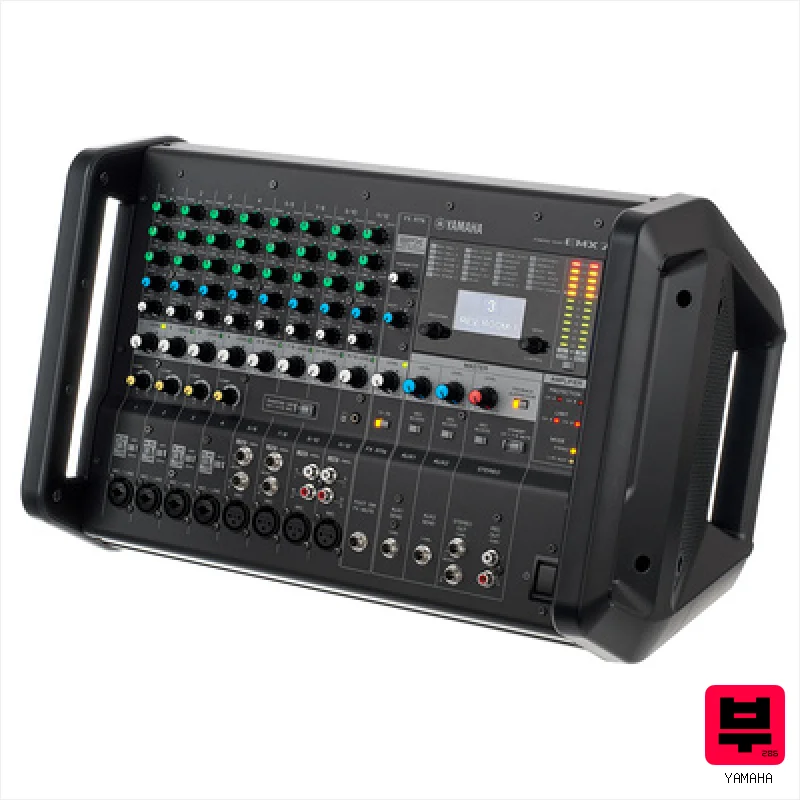
Yamaha EMX 7
- • Eight mic inputs handle large gigs easily.
- • Four stereo channels add flexible routing options.
- • Built-in feedback locator helps find trouble quickly.
- • Digital effects processor adds useful tone shaping.
- • No phantom power for condenser mics listed.
- • Speaker processor presets are fixed and limited.
- • No rack kit included in the base price.

Yamaha EMX 5
- • Solid Yamaha build quality; feels robust and dependable for gigging.
- • SPX effects processor is surprisingly versatile for a powered mixer.
- • Feedback locator is genuinely useful for taming unruly rooms.
- • Decent power output handles smaller to mid-sized venues effectively.
- • EQ isn't as detailed or flexible as higher-end consoles.
- • Limited routing options restrict complex signal chains.
- • The chassis, while sturdy, makes it a bit heavy for frequent transport.

Omnitronic RM-1422 FXA
- • Compact 19” rack design maximizes space efficiency for mobile setups.
- • Built-in Bluetooth and USB player simplifies media playback for events.
- • Decent 24-bit effects processor offers basic creative sound shaping.
- • 8 mic preamps with phantom power support condenser mics for vocalists.
- • EQ is basic 2-band, limiting tonal sculpting flexibility.
- • Construction feels somewhat plasticky, hinting at budget materials.
- • Limited power output restricts suitability for larger venues or loud bands.

Behringer PMP 1680S
- • Impressive power for its size, genuinely useful FBQ feedback detection
- • Solid build quality for the price point, feels surprisingly robust
- • Versatile effects processor adds significant creative possibilities
- • Rackmountable design allows for easy integration into existing setups
- • EQ isn't the most refined, can sound a little harsh at higher gain
- • Power output is peak, RMS figures are more realistic for practical use
- • Micro preamps are functional but lack the clarity of higher-end units
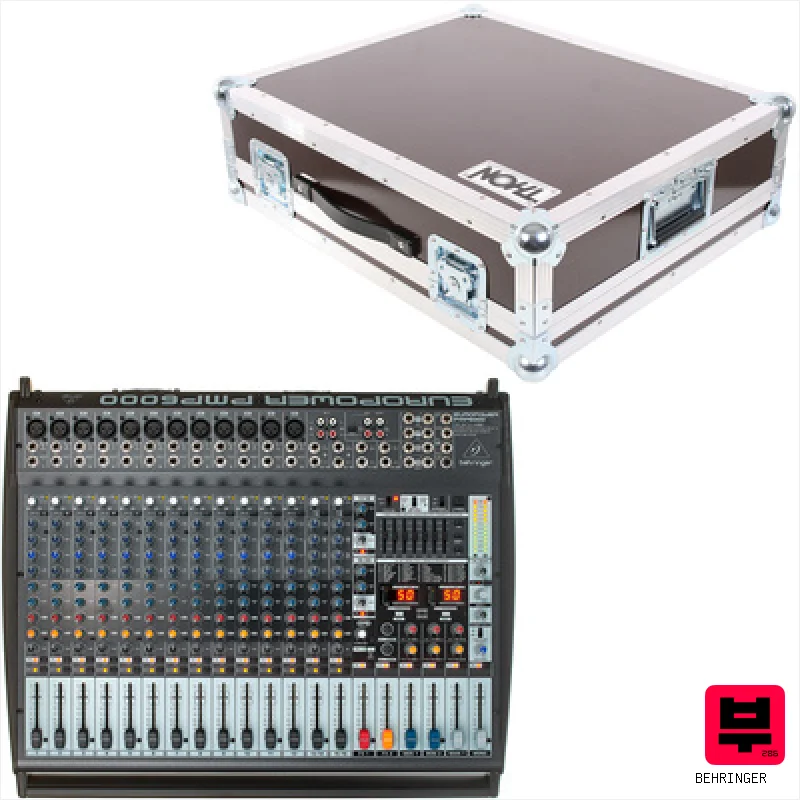
Behringer PMP 6000 Case Bundle
- • 12 mic preamps support 48V phantom power for condenser mics
- • 20 channels combine mono and stereo inputs for flexible mixing
- • Class-D power amp delivers 2000W bridged output per speaker
- • 24-Bit multieffects processor adds stereo surround and voice cancellation
- • Only 2 speaker outputs limits speaker placement options
- • Dimensions are large at nearly 60cm wide for a single unit
- • No specific frequency response or distortion specs provided

Behringer PMP 6000 Bundle
- • Impressive power for the size; Class-D amp efficiency is noticeable.
- • FBQ feedback detection is genuinely useful on stage.
- • The 24-bit effects processor adds versatility for live sound.
- • Multicore cable simplifies setup, saving time and cable clutter.
- • Build quality feels a bit plasticky; not as robust as higher-end mixers.
- • EQ isn't as precise or musical as more expensive options.
- • Voice Canceller function is a gimmick, not a practical tool.
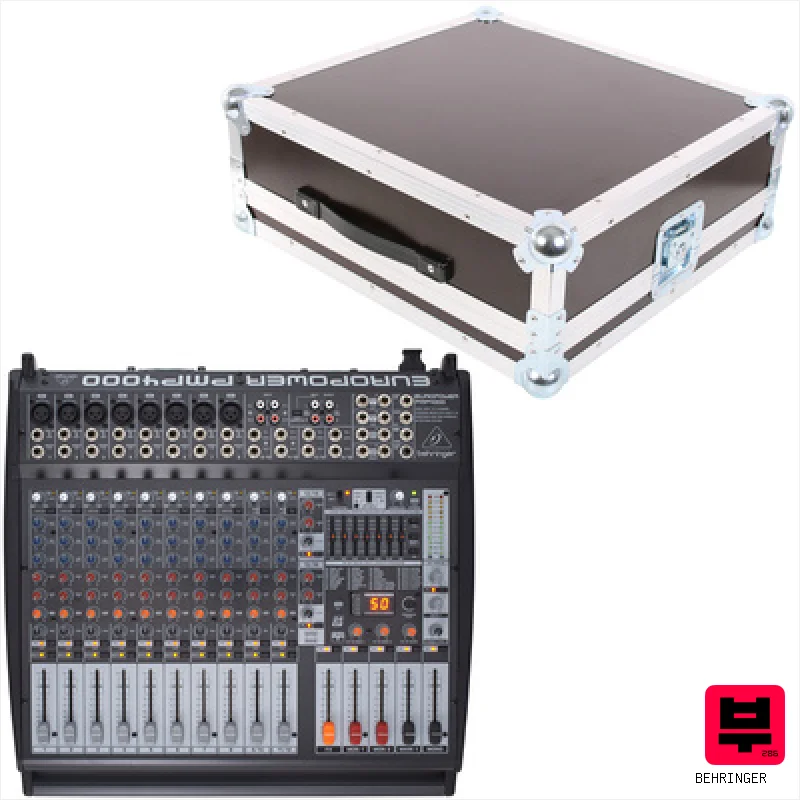
Behringer PMP 4000 Case Bundle
- • Includes a sturdy 7mm plywood case with aluminium edges
- • Delivers 1600W of bridged power for loud stages
- • Features 24-bit multieffects with 3D surround capabilities
- • Ultra-compact design saves space in small venues
- • No specific speaker output specifications listed in text
- • Lacks detailed speaker sensitivity or impedance ratings
- • Weight of 10.4kg makes transport physically demanding

Behringer PMP 6000
- • Impressive power for its size; Class-D amps are efficient.
- • FBQ feedback detection is genuinely useful on stage.
- • Comprehensive effects processor adds creative flexibility.
- • The 24-bit preamps deliver surprisingly clean, low-noise performance.
- • Build quality feels plasticky; not a road warrior's dream.
- • EQ isn't the most refined; can sound harsh at higher settings.
- • Limited headroom at higher volume levels; clipping can be an issue.

Behringer PMP 4000
- • Impressive power output for its size; 1600W bridged is substantial.
- • FBQ feedback detection is genuinely useful for live sound control.
- • Comprehensive feature set including effects and aux sends offers versatility.
- • Compact design simplifies transport and setup for smaller venues.
- • Build quality feels plasticky; not as robust as more premium mixers.
- • EQ isn't the most refined; lacks the precision of higher-end models.
- • Limited headroom at higher volumes; potential for distortion with demanding signals.
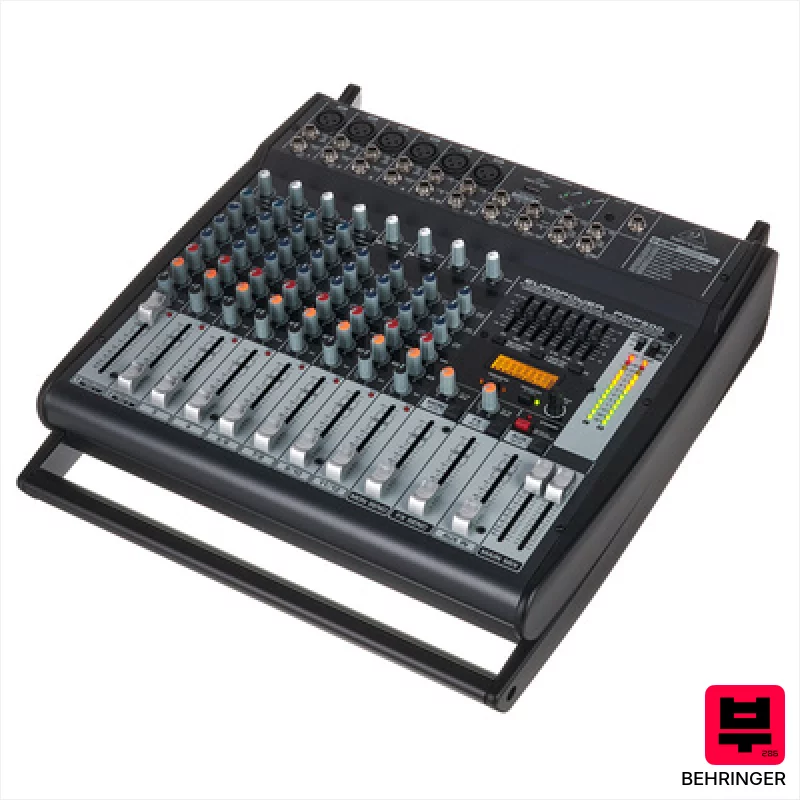
Behringer PMP 500
- • Klark Teknik effects provide surprisingly usable sonic textures.
- • Compact size makes it ideal for smaller gigs and mobile setups.
- • Solid build quality for its price point; feels more robust than expected.
- • Six preamps offer decent gain and usable headroom for live vocals.
- • EQ isn't the most refined; lacks precision for critical mixing.
- • Limited routing options restrict flexibility for complex setups.
- • Power output is adequate but struggles with larger venues or loud bands.

Behringer PMP 500MP3
- • Surprisingly clean preamp section for its price bracket.
- • Built-in MP3 player adds convenient playback functionality.
- • Compact size makes it highly portable for small gigs.
- • Voice-over function is genuinely useful for announcements.
- • Plastic enclosure feels less robust than more expensive mixers.
- • EQ is basic; lacks nuance for detailed sound shaping.
- • Reverb quality is serviceable, but not particularly inspiring.

Behringer PMP 550M
- • Surprisingly clean preamp section for the price range
- • Klark Teknik effects are usable, a genuine bonus
- • Compact size makes it ideal for smaller gigs and rehearsals
- • Solid build quality; feels more robust than its cost suggests
- • EQ is basic – lacks mid-sweep capabilities for precise tone shaping
- • Limited aux sends; not ideal for complex monitor setups
- • Power output is adequate but struggles with larger venues or demanding systems

Fun Generation PM-6
- • Surprisingly robust plastic enclosure for the price point
- • Bluetooth connectivity adds real convenience for mobile gigs
- • Decent EQ options offer basic sound shaping capabilities
- • Compact size makes it easy to transport and set up
- • Power output is limited, better suited for small rooms or acoustic sets
- • EQ is basic, lacks finesse for critical mixing
- • Build quality feels plasticky, not designed for heavy abuse
Powered Mixers by the numbers
Measured across all 13 models in this category, so «wide», «short» or «expensive» mean something you can check.
How to Choose the Best Powered Mixers
Clean Headroom
At this price point, true clean headroom is a precious commodity. You're likely to encounter some breakup at higher volumes, so we're looking for mixers that handle that breakup gracefully - a usable grit rather than just harsh distortion.
EQ and Routing
Beyond basic highs, mids, and lows, good routing options (aux sends/returns, subgroups) are invaluable for shaping your sound and creating monitor mixes. Limited routing can be a real headache in a band setting.
Preamp Quality
The preamps are the first point of contact for your instruments and vocals. Better preamps offer more detail, clarity, and a more pleasing sonic signature. Expect some compromises here; don't expect boutique-level preamp performance.
Effects (if any)
Built-in effects like reverb and delay can be convenient, but quality varies wildly. We're evaluating them based on usability and whether they're genuinely useful or just cheesy filler. Often, a good external pedal is a better investment.
Build Quality & Connectivity
Let's be honest, you're not getting aircraft-grade aluminum. But a mixer that feels solid and has a decent selection of inputs/outputs (XLR, 1/4", USB) is essential for gigging reliability.
Buying Guide
Don't expect miracles. Under $2000, you're making trade-offs. Build quality will likely be the first area to feel a little 'budget,' so handle it carefully. EQ will be functional, but don't expect surgical precision. Focus on finding a mixer that delivers a usable clean sound at the volume you need, with enough inputs for your core setup. Paying a bit more for better preamps is almost always worth it - those first few dB make a big difference.
How This List Is Built
We don't play these instruments — we're a catalog, not a review desk, and we'd rather say so than pretend otherwise. This page covers 13 powered mixers from the Thomann catalogue, which is the largest single source of specification data in this category: 13 in detail, the rest listed with their specifications.
Position is computed, not curated. We parse the manufacturer's own description into actual values — nut width, scale, fret count, fingerboard radius, size, alloy — and rank on them: how many specifications a model has published, how many of them are measurable numbers, and how precisely it meets this page's criterion. A product image adds a little. Price is not a ranking signal: it tells you nothing about whether a neck fits your hand. The same inputs always produce the same order, so nothing here is shuffled to look fresh.
What this list is good for: narrowing a category down to a shortlist by spec and budget. What it isn't: a substitute for hearing an instrument. Before you buy, read hands-on reviews and, where you can, play it. Full methodology.

