
Best EMG Pickups for Basses 2026
Alright, let's talk EMG pickups for bass. You're probably hearing a lot of chatter about active pickups, and for good reason - they offer a different beast entirely. EMG isn't just another pickup company; they've been shaping bass tone for decades, and their signature sound - that aggressive, scooped midrange - has become a defining characteristic for countless players, from active metal to funk and beyond. If you're tired of your passive pickups getting buried in the mix, let's see if EMG is the right move for you.
Last updated: April 11, 2026
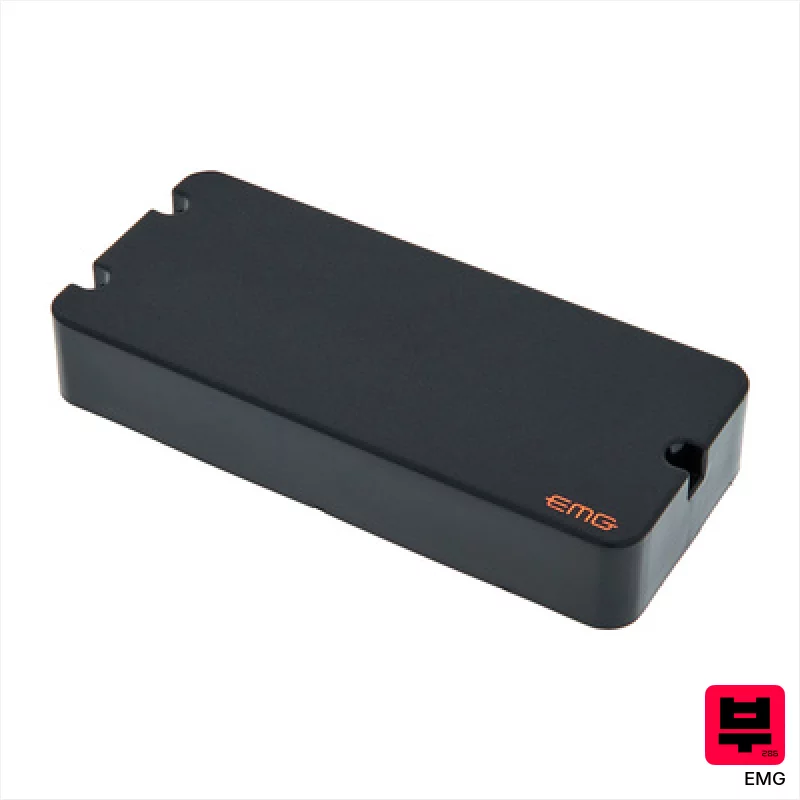
EMG MM5TW
- • Dual humbucker/single-coil versatility expands tonal possibilities.
- • Ceramic/steel magnets deliver a powerful, focused low-end response.
- • Solderless system simplifies installation, even for less experienced users.
- • Includes essential wiring and controls for a complete upgrade.
- • Active circuitry demands battery power, adding a maintenance consideration.
- • Limited compatibility with certain EMG preamp systems (BT/BQ).
- • Dimensions might require slight modifications for some bass bodies.
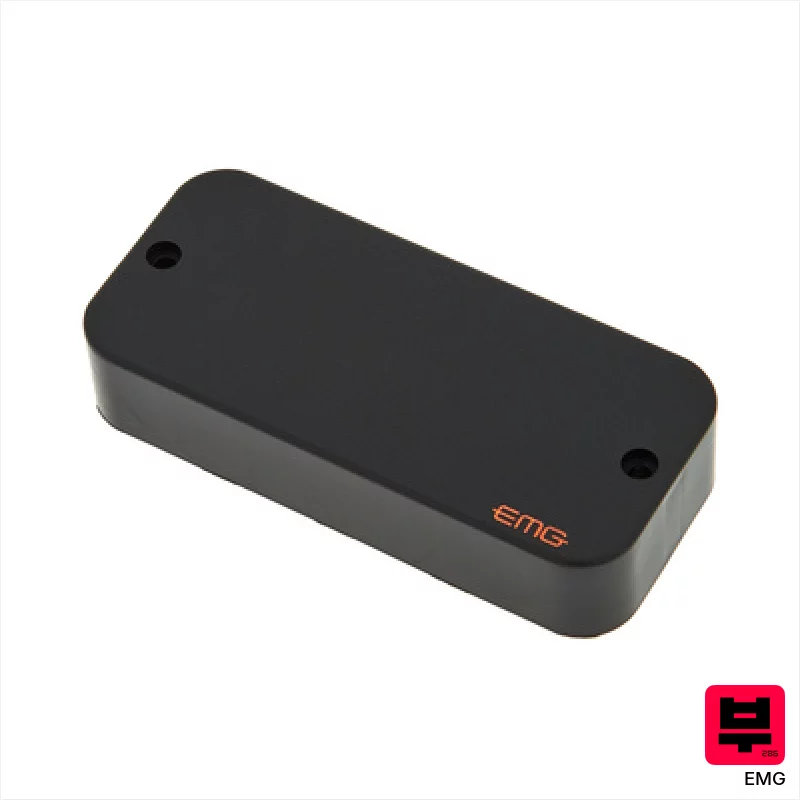
EMG TBTW
- • Dual mode versatility: seamlessly switches between aggressive humbucker and warm single coil tones.
- • JCS single coil mode delivers a rich, vintage-inspired ceramic tone.
- • CS humbucker mode provides a powerful, focused mid-range punch for modern styles.
- • Solderless installation simplifies setup for players of varying skill levels.
- • Limited compatibility: not recommended with EMG BT or BQ systems – potential conflict.
- • Active design requires a battery, adding to maintenance and potential weight.
- • While versatile, the tonal palette leans towards modern/aggressive, less vintage warmth.
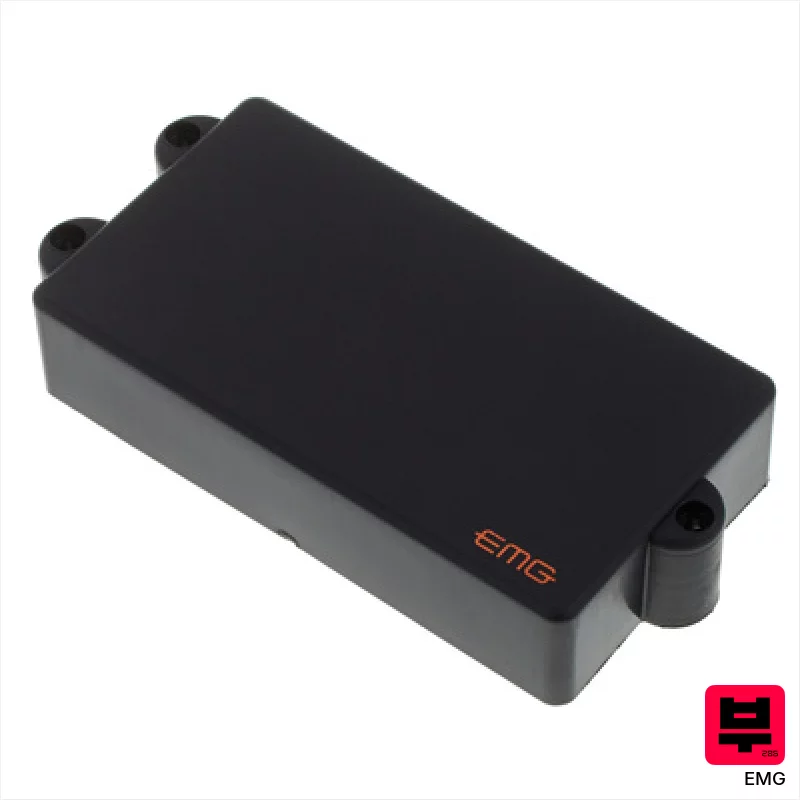
EMG MMTW
- • Ceramic/steel humbucker delivers a thick, powerful low-end response.
- • Push-pull J single coil offers a surprisingly articulate, balanced tone.
- • Solderless system simplifies installation, even for less experienced users.
- • Included components (pot, jack) provide a complete, ready-to-install package.
- • Limited versatility compared to pickups with broader tonal palettes.
- • Active circuit requires a battery, adding potential maintenance.
- • MM-style mounting restricts use to Music Man basses primarily.
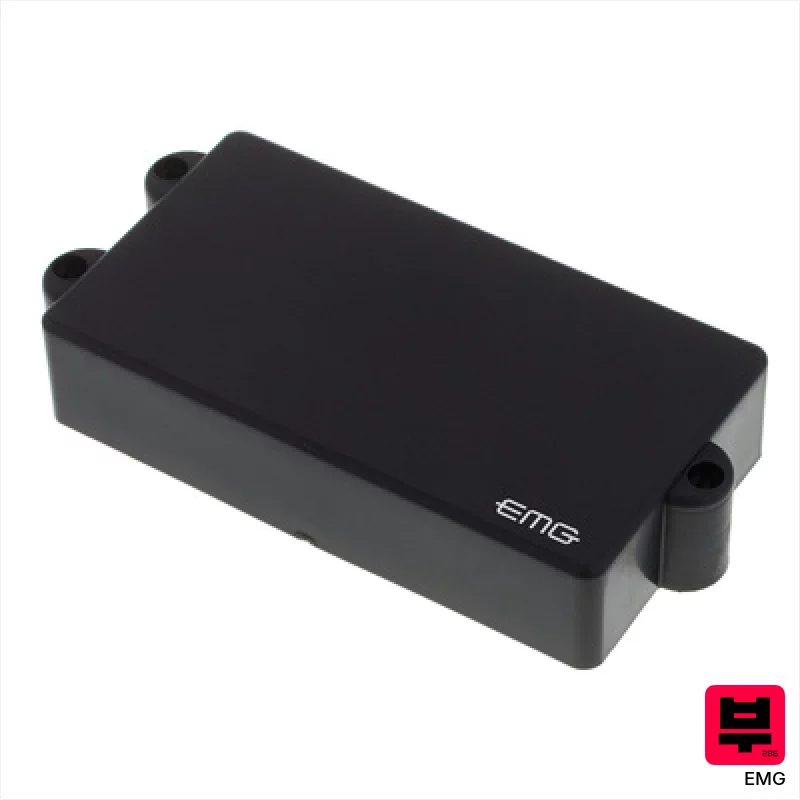
EMG MMCS
- • Ceramic/steel magnet combo delivers balanced, articulate low-end response
- • EMG’s solderless system simplifies installation for most players
- • Provides the classic Music Man bass tone with enhanced clarity
- • Pre-wired pots and jack offer a complete, ready-to-install solution
- • Active circuitry demands battery power, impacting overall bass weight and longevity
- • Limited tonal versatility compared to passive pickups – a focused sound
- • The solderless system, while convenient, can be less reliable long-term
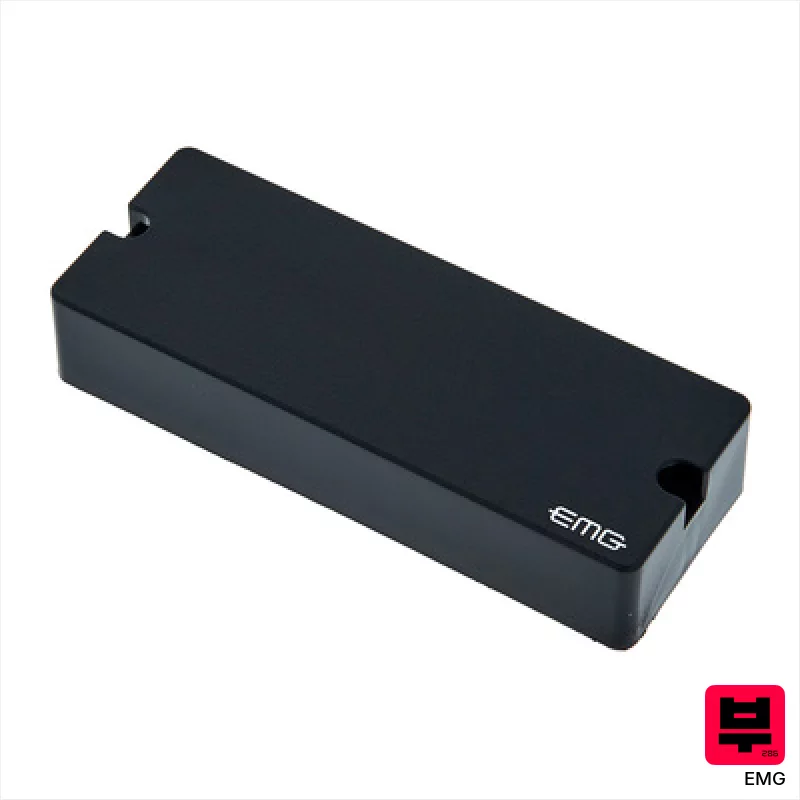
EMG 40DC
- • Wide magnetic field delivers strong low-end response for 5-string basses
- • Parallel coil design reduces unwanted noise and hum
- • EMG’s signature mid-range boost cuts through dense mixes effectively
- • Quik-Connect system simplifies installation, a real time-saver for DIY installs
- • The amplified mids can be harsh with certain amp/EQ pairings, requiring careful adjustment
- • Limited tonal flexibility compared to passive pickups, less nuanced dynamics
- • Can be slightly microphonic if not properly shielded and installed
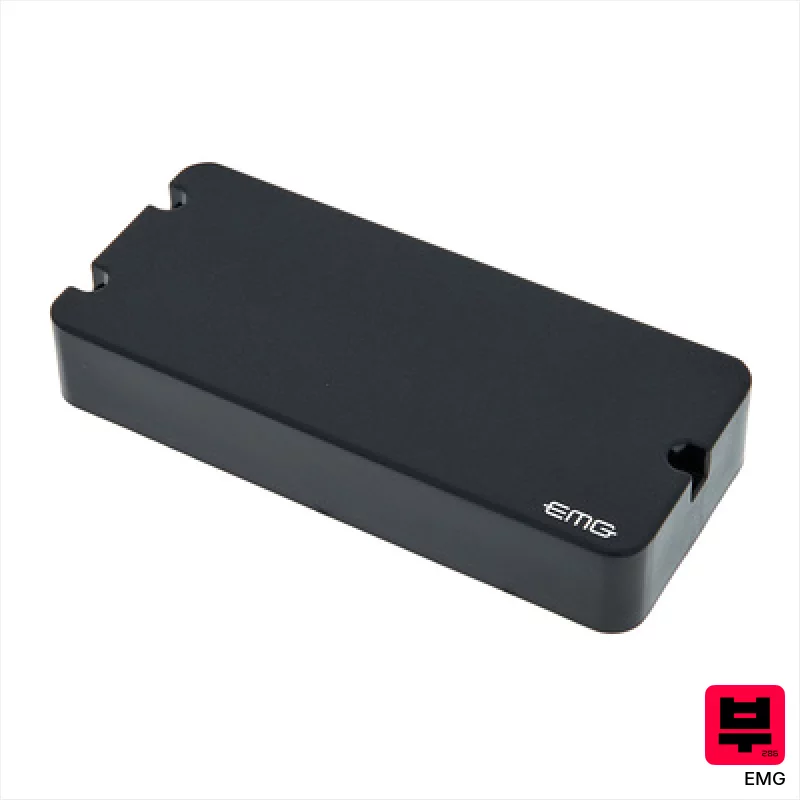
EMG MM5CS
- • Ceramic/steel magnets deliver a balanced, articulate low-end response.
- • Solderless installation significantly simplifies the upgrade process for most players.
- • Wide coils capture more string vibration for a fuller, richer tone.
- • Provides a classic MusicMan-style punch with increased clarity and definition.
- • Active design requires a 9V battery, adding to potential maintenance.
- • Limited tonal versatility compared to passive pickups; favors a specific sound.
- • The black finish can show fingerprints and smudges easily.
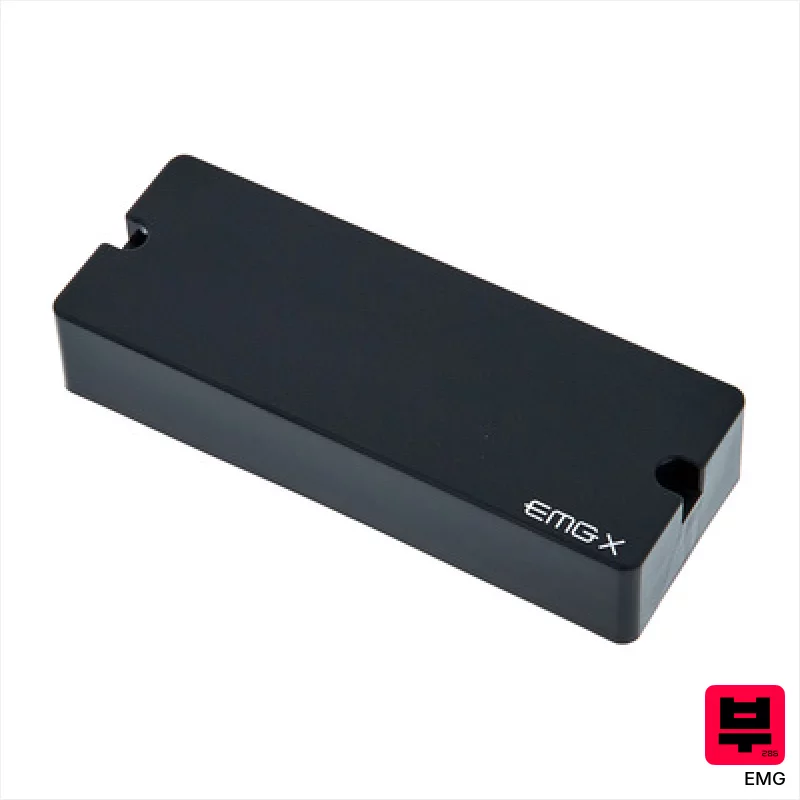
EMG 40DCX
- • Wide magnetic field captures more string vibration for enhanced low-end
- • Ceramic magnets deliver a tight, aggressive tone with excellent clarity
- • The included VLPF tone pot offers versatile tonal shaping capabilities
- • Solder-free installation simplifies setup, ideal for less experienced users
- • Ceramic magnet sound might be too aggressive for some players seeking a warmer tone
- • Limited tonal flexibility compared to pickups with adjustable pole pieces
- • The included pots are adequate, but higher-end options could further refine the sound

EMG TBHZ Bass Pickup
- • Alnico magnets deliver a warm, musical, and responsive tone.
- • Steel bar construction enhances output and focused low-mids.
- • Solderless installation simplifies upgrades, especially for less experienced users.
- • Compact dimensions fit comfortably in most TB-style bass cavities.
- • Passive design limits versatility compared to active pickups.
- • Output, while punchy, might be a bit lacking for extreme metal genres.
- • Alnico magnet response isn't as aggressive as ceramic alternatives.
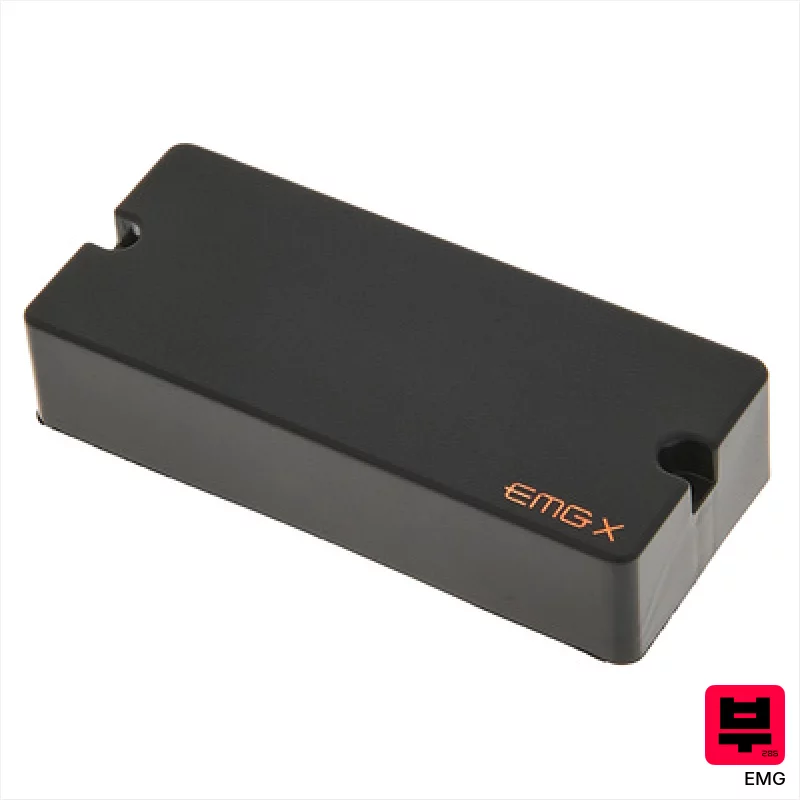
EMG 35TW-X
- • Ceramic/steel magnets deliver aggressive, modern low-end punch.
- • Dual-mode switching provides versatility for varied tonal palettes.
- • Included pots and jack simplify installation and wiring.
- • X-Series EMG design offers a hotter, more articulate output.
- • The active circuitry demands battery power, adding maintenance.
- • Ceramic magnets can sometimes sound a bit harsh in certain wood basses.
- • Limited tonal flexibility compared to passive pickup options.
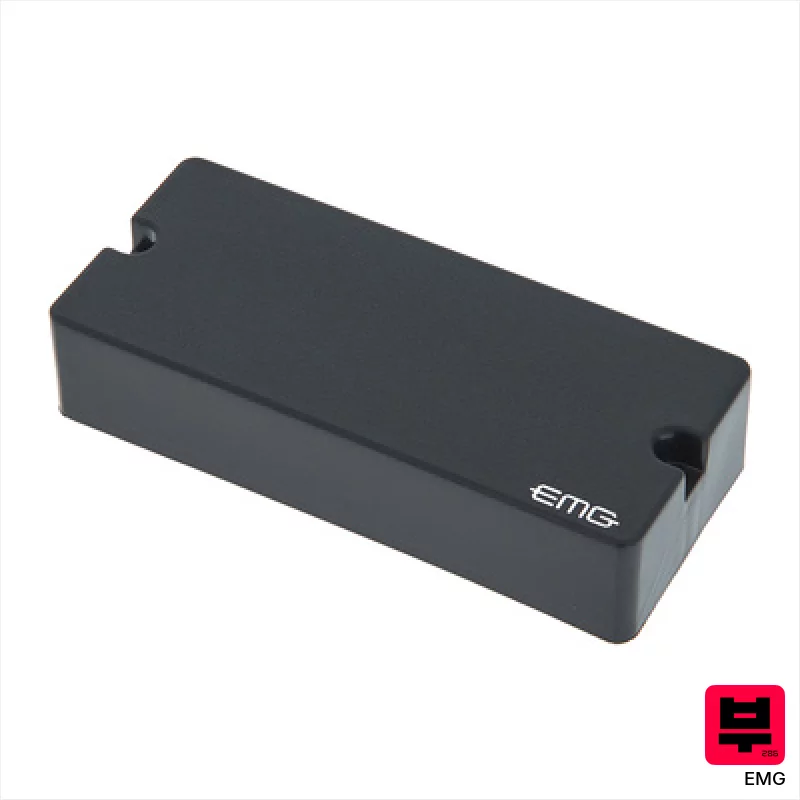
EMG 35DC
- • Parallel coils deliver a balanced, articulate low-end response.
- • Broad magnetic field captures more string vibration for enhanced sustain.
- • Prewired volume/tone controls simplify installation and offer basic tonal shaping.
- • EMG Quik Connect cable ensures easy and secure wiring.
- • Limited tonal versatility compared to more complex pickup configurations.
- • May lack the extreme output needed for heavily distorted, modern genres.
- • The prewired controls offer basic functionality; advanced users may prefer individual pots.
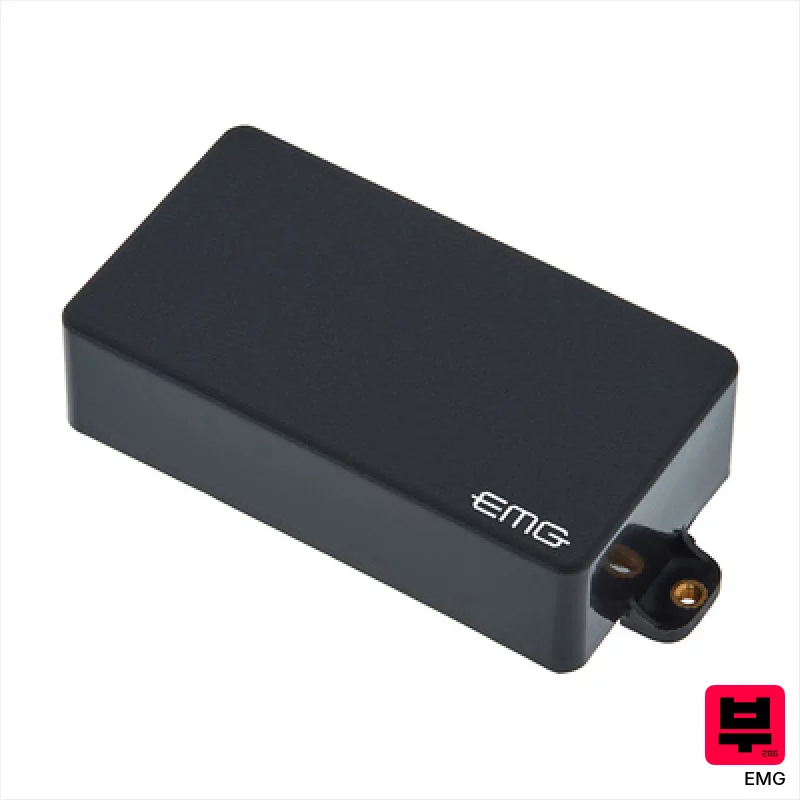
EMG HB Steinberger
- • Delivers P-bass tone with humbucker clarity and power.
- • Includes essential wiring – pot, jack, and clip – for easy install.
- • Compact housing accommodates many bass designs with limited space.
- • Offers a surprisingly aggressive, defined low-end response.
- • Limited tonal versatility; excels in P-bass territory only.
- • String spacing restriction limits compatibility with wider-spaced basses.
- • Battery operation introduces a potential maintenance concern.
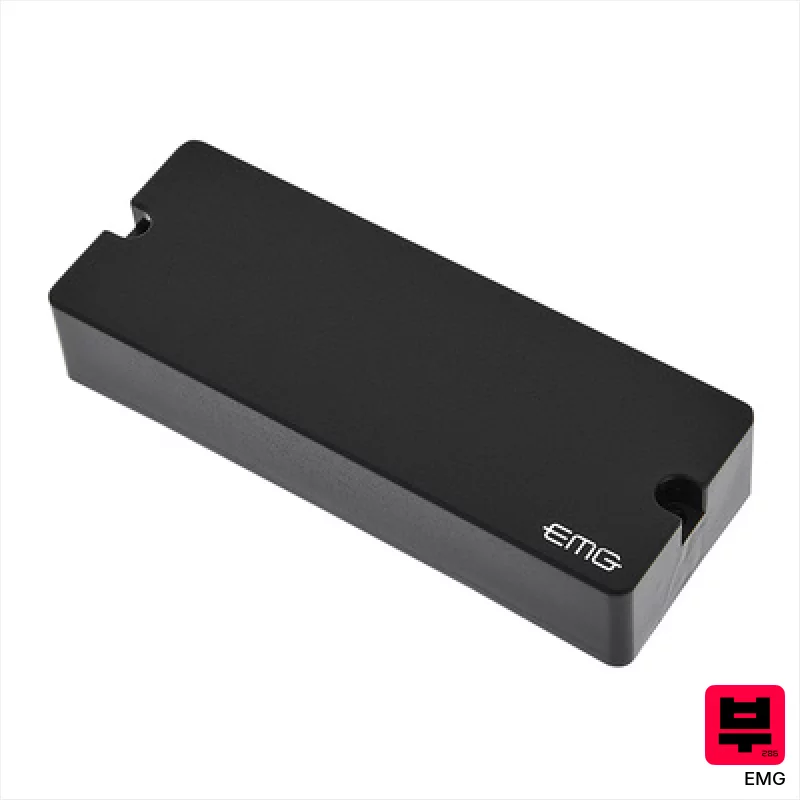
EMG 40HZ
- • Ceramic/steel magnets deliver a tight, aggressive low-end response.
- • Soapbar design offers a focused, powerful tone lacking in traditional pickups.
- • High impedance provides a unique, harmonically rich character for tonal experimentation.
- • Solid construction ensures durability and consistent performance over time.
- • Passive design limits dynamic control compared to active alternatives.
- • High output might be overwhelming for players seeking a subtle, vintage tone.
- • Fixed impedance restricts versatility; blending with other pickups can be tricky.

EMG 40TWX
- • Dual-coil/single-coil versatility expands tonal possibilities significantly.
- • EMG’s active preamp delivers signature punch and clarity, cutting through mixes.
- • Solid steel housing provides shielding and robust construction for lasting durability.
- • Included wiring components simplify installation and ensure proper operation.
- • Active design demands a battery, adding to maintenance and potential failure points.
- • The 79.37mm string spacing might require modifications for narrower basses.
- • Limited low-end extension compared to some humbucker designs.
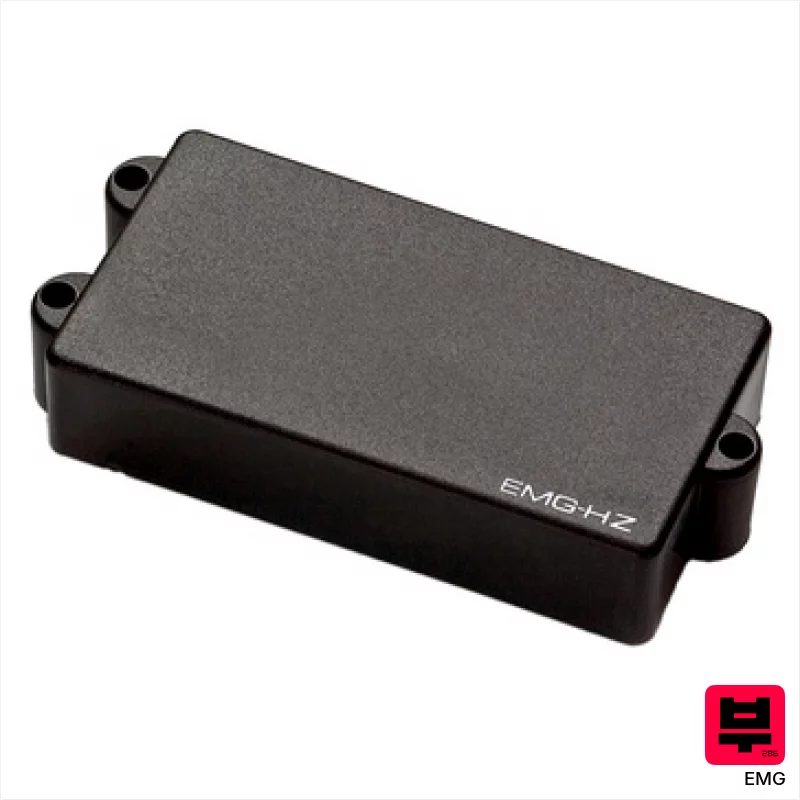
EMG MM-HZ
- • Passive design preserves existing preamp character, great for vintage tones.
- • MM-style construction delivers a tight, punchy low-end response.
- • Solder-free installation kit simplifies setup, even for less experienced users.
- • Compact dimensions fit comfortably in most standard bass guitar cavities.
- • Passive design lacks the flexibility of active pickups for tonal shaping.
- • Limited output compared to EMG’s active offerings; may need a preamp boost.
- • Black finish, while common, may not suit all aesthetic preferences.
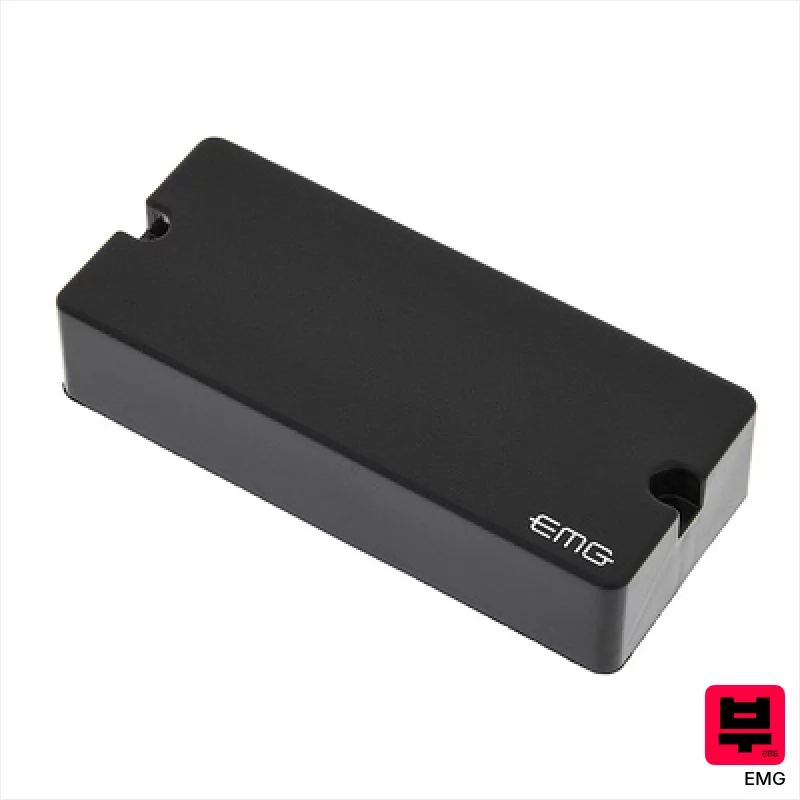
EMG 35J
- • Active circuitry delivers aggressive, modern low-end response.
- • Jack magnet provides a tighter, more focused J-bass tone.
- • Included hardware simplifies installation and saves on extra expenses.
- • Solid steel housing offers durability and minimizes unwanted resonance.
- • Active design requires a battery, adding to maintenance.
- • Limited tonal versatility compared to passive pickups.
- • The included potentiometers are basic, might be an upgrade path.
How to Choose the Best Pickups for Basses
Active Circuitry
EMG pickups are active, meaning they require power (usually 9V battery or active preamp). This isn't a gimmick; it allows for a much more consistent output signal, lower noise floor, and a more sculpted tonal response that passive pickups simply can't achieve - you'll notice a definite increase in headroom.
Signature Scoop
The classic EMG bass tone is characterized by a scooped midrange. It's not always what everyone wants, but it's what they're known for. It cuts through the mix incredibly well, especially in dense arrangements, but can lack warmth if you're after a vintage vibe. Think aggressive funk or modern metal - that's where it shines.
Output & Dynamics
EMGs tend to have a higher output than most passives. This translates to more sustain, a tighter low-end thump, and a more powerful signal going into your amp. However, that increased output can also mean less dynamic range if you're not careful - you'll need to dial back your amp's gain to avoid a compressed, overly-processed sound.
Build Quality
EMG pickups are generally well-built, with solid ceramic magnets and robust wiring. They're not the prettiest things in the world - they're utilitarian - but they're designed to withstand the rigors of gigging. The pots and wiring are usually fine, but upgrading those is always a worthwhile tweak if you're chasing maximum performance.
Installation
Installing EMGs is a bit more involved than swapping passive pickups. You'll need to run wires to the battery compartment or active preamp, and proper grounding is absolutely crucial to avoid noise issues. If you're not comfortable soldering, get a pro to do it - a sloppy install can ruin the whole experience.
Buying Guide
EMGs aren't for everyone. If you love the warmth and natural breakup of vintage-style pickups, you're probably better off sticking with passives. However, if you need to cut through a loud band, want a consistent tone across different basses, or just like that aggressive, modern sound, EMG is worth considering. Don't expect a neutral tone - they have a very specific voicing. The higher-end models (like the 35 or 40) offer more tonal versatility, but the classic 34 is still a workhorse for a reason.
How This List Is Built
We don't play these instruments — we're a catalog, not a review desk, and we'd rather say so than pretend otherwise. This page ranks 15 pickups for basses from the Thomann catalogue, which is the largest single source of specification data in this category.
Position is computed, not curated. Four signals, in order of weight: how completely the manufacturer documents the instrument (number of published specifications), where it sits in the price range, how specific the model designation is — which filters out generic accessories — and whether a product image exists. The same inputs always produce the same order, so nothing here is shuffled to look fresh.
What this list is good for: narrowing a category down to a shortlist by spec and budget. What it isn't: a substitute for hearing an instrument. Before you buy, read hands-on reviews and, where you can, play it. Full methodology.

