
Best Bartolini Pickups for Basses 2026
So, you're looking to inject some serious sonic personality into your bass? Bartolini pickups are a name that comes up a lot, and for good reason. They've been around for decades, consistently delivering a distinct, often aggressive, tone that's become a staple in countless genres. Let's break down what makes them tick, and which models might be the right upgrade for your instrument.
Last updated: April 11, 2026
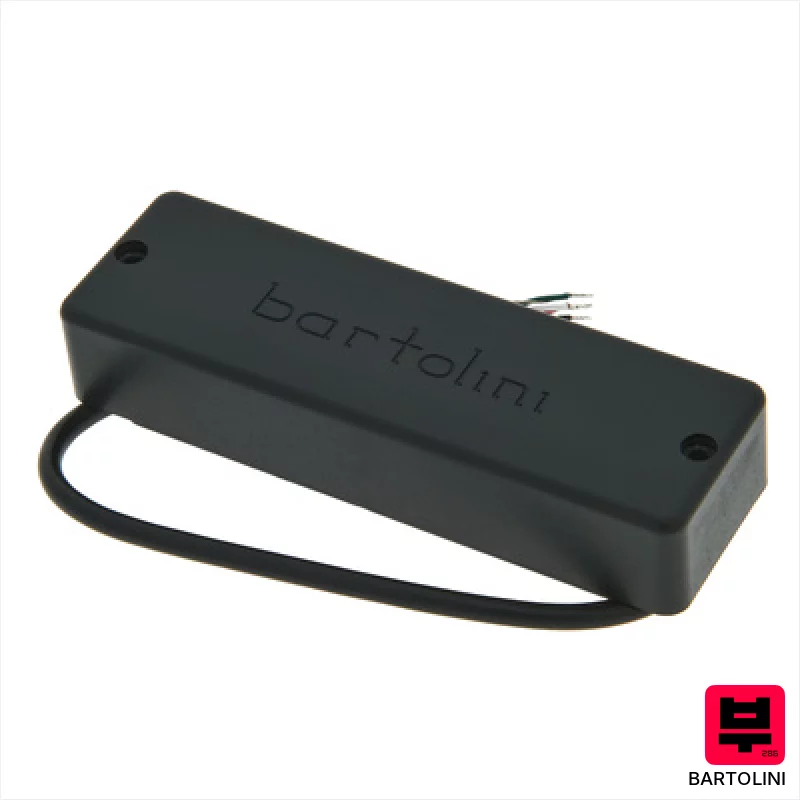
Bartolini 6-string Bass MK Soapbar NB
- • Carbon/brass/ceramic magnet blend delivers a unique tonal character
- • Focused detection area enhances clarity and note definition
- • 4-conductor wiring allows for flexible pickup blending options
- • Soapbar design provides a lower profile for comfortable playing
- • Plastic housing, while functional, may not feel as premium as metal alternatives
- • Passive design limits tonal sculpting compared to active pickups
- • Limited versatility; best suited for classic, defined bass tones
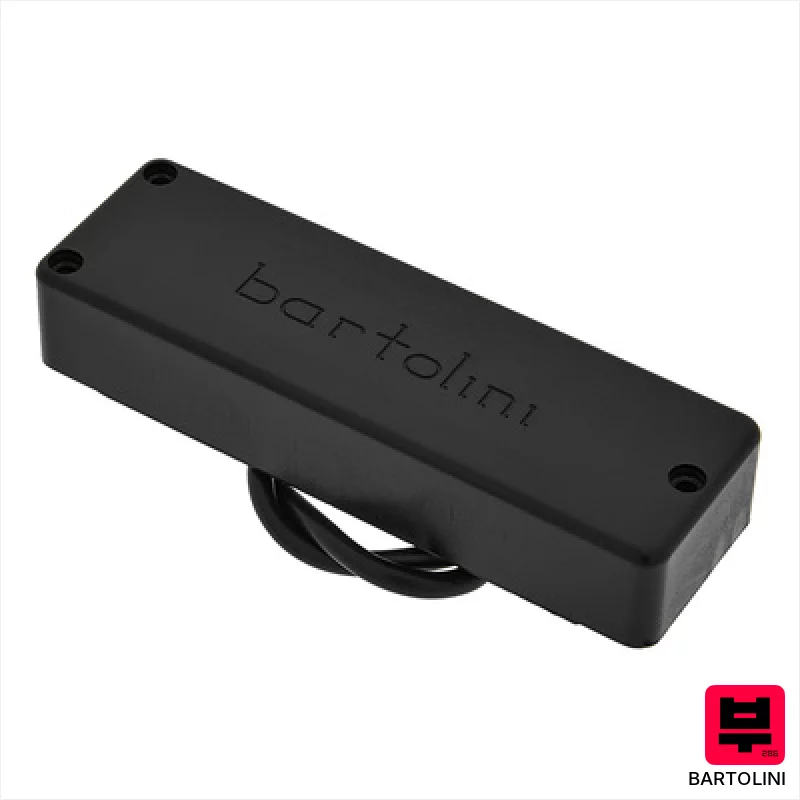
Bartolini 5-string Bass MK Soapbar BB
- • Carbon/brass/ceramic magnet blend delivers unique tonal complexity.
- • Focused detection area provides tight, articulate low-end response.
- • Reversed polarity minimizes unwanted hum and noise effectively.
- • MK-1 format ensures easy drop-in replacement for many popular basses.
- • Plastic housing finish can exhibit minor cosmetic imperfections from machining.
- • Passive design limits tonal shaping compared to active pickups.
- • Limited versatility; excels in classic tones, less suited for extreme genres.
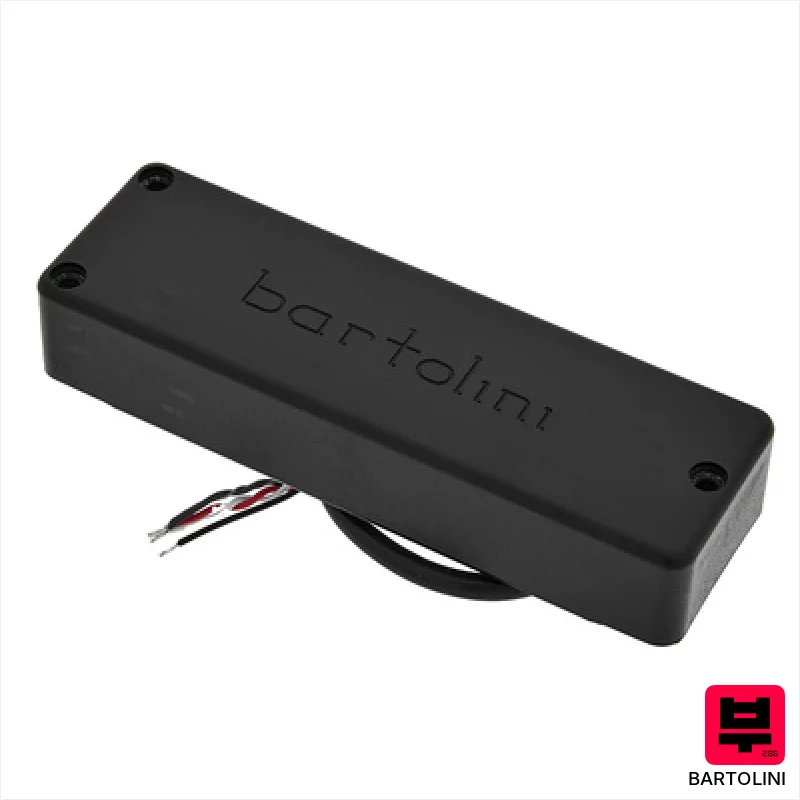
Bartolini 5-string Bass MK Soapbar NB
- • Carbon/brass/ceramic magnet blend delivers a uniquely balanced, articulate tone.
- • The soapbar design offers a tighter, more focused low-end than traditional humbuckers.
- • 4-wire cable with shielding minimizes noise and provides excellent signal clarity.
- • Designed for MK-1 compatibility, a popular format for many common bass brands.
- • The plastic housing, while functional, may feel less premium than metal options.
- • Passive design limits tonal shaping options compared to active pickups.
- • Carbon steel magnet may exhibit slightly more output variation than ceramic alone.
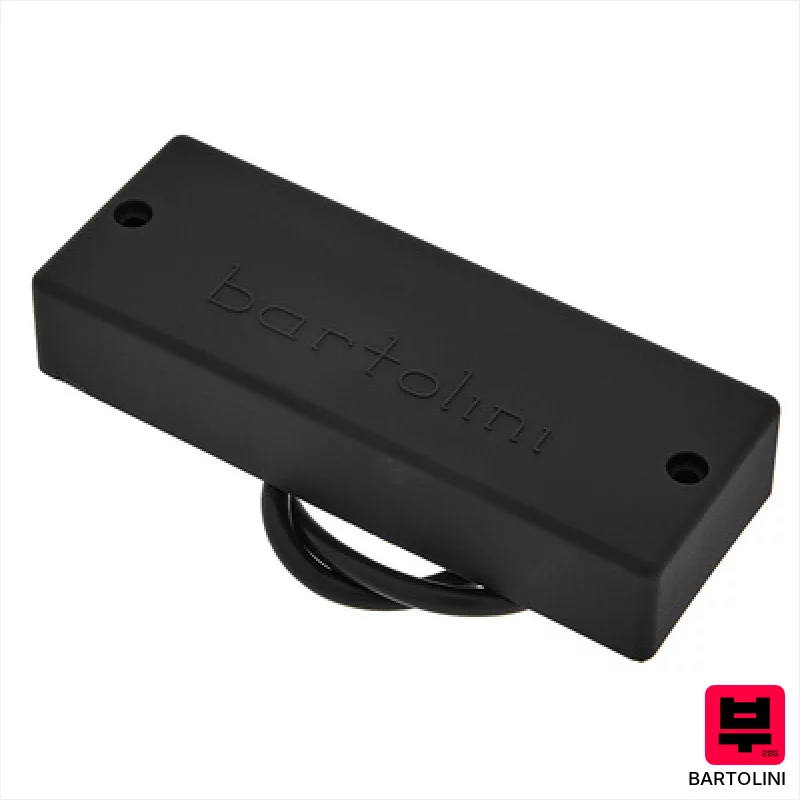
Bartolini 5-string Bass M4 Soapbar BB
- • Carbon/ferrite magnet blend delivers a unique, balanced tonal character.
- • Hum-free design eliminates unwanted noise, crucial for clean recordings.
- • Focused detection area provides tight, articulate low-end response.
- • 4-conductor wiring allows for flexible pickup blending and custom configurations.
- • The plastic housing finish might show minor cosmetic imperfections.
- • Passive design limits tonal shaping options compared to active pickups.
- • Requires careful setup and adjustment to avoid proximity issues with thick strings.
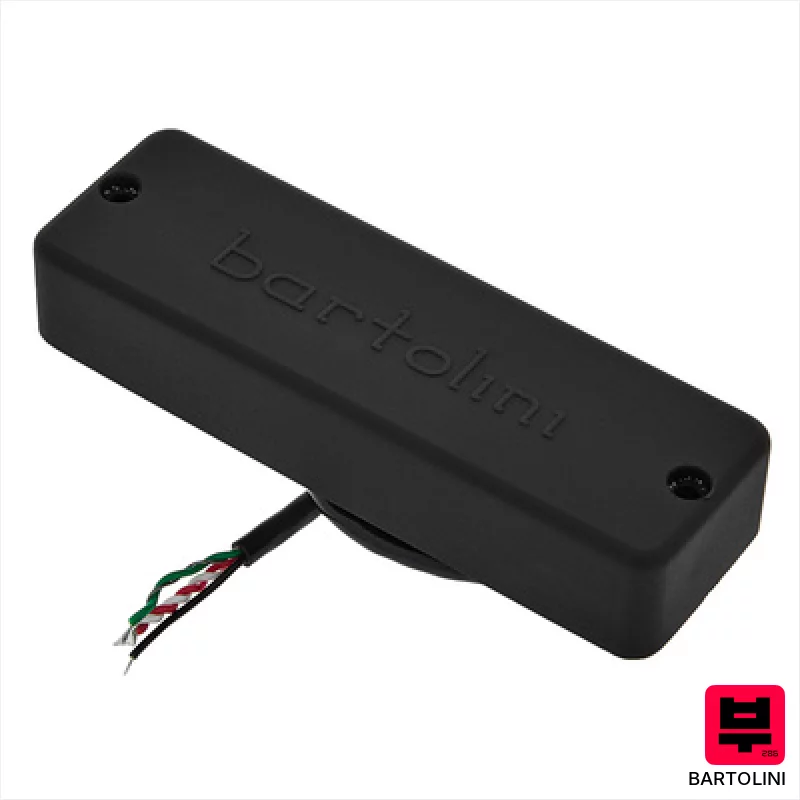
Bartolini 5-string Bass MK Soapbar BB
- • Carbon/brass/ceramic magnet blend delivers a uniquely balanced, articulate tone.
- • Reversed coil polarity minimizes hum and provides excellent noise rejection.
- • Soapbar format fits seamlessly into most 5-string bridge positions.
- • 4-Wire cable ensures exceptional signal clarity and minimal interference.
- • The plastic housing may exhibit minor cosmetic imperfections from production.
- • The sound signature leans towards classic tones, limiting extreme modern genres.
- • Requires separate purchase of mounting hardware (screws and springs).
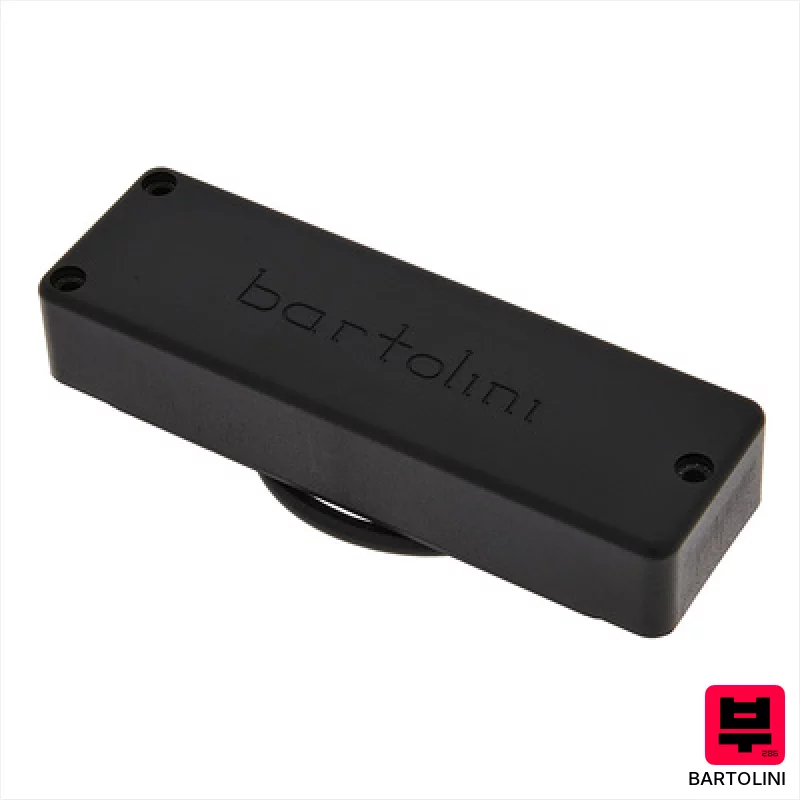
Bartolini 4-Str MK Soapbar Bridge BK
- • Carbon/brass/ceramic magnet blend offers unique tonal complexity.
- • Focused detection area yields tight, articulate low-end response.
- • Reversed coil polarity minimizes hum and improves signal clarity.
- • 4-wire shielded cable ensures minimal noise and optimal signal transfer.
- • Plastic housing imperfections are noticeable, impacting perceived value.
- • Limited versatility; excels in classic tones, less suited for modern genres.
- • Screws and springs not included adds to overall installation cost.
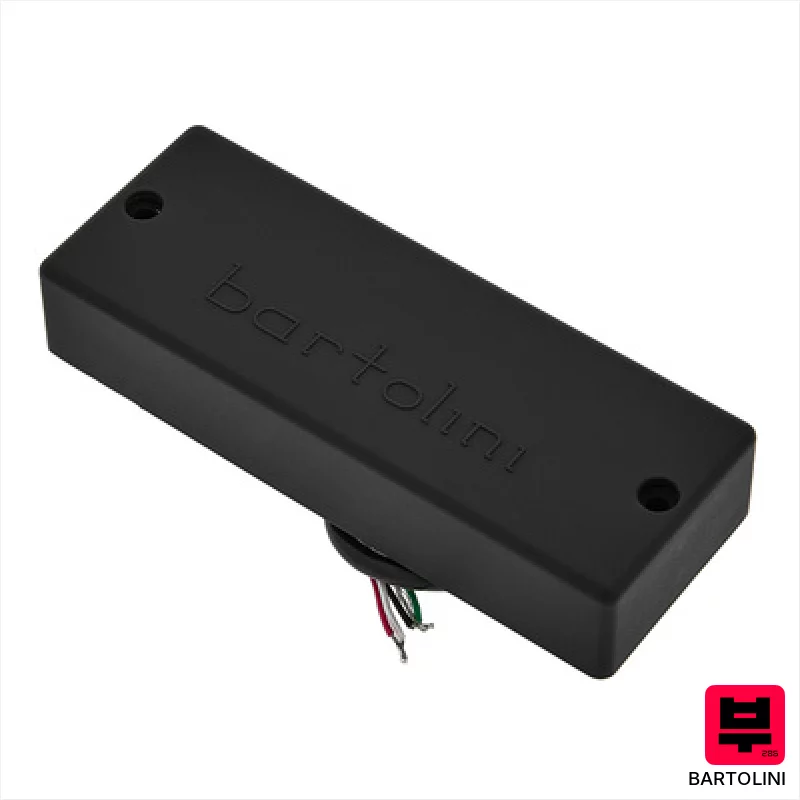
Bartolini 5-Str M4 Soapbar Neck BK
- • Carbon/brass/ceramic magnets offer a unique tonal blend.
- • Hum-free design eliminates unwanted noise, crucial for live work.
- • Focused detection area provides clarity and articulation in the neck position.
- • 4-conductor wiring allows for flexible pickup tapping/splitting options.
- • Plastic housing might feel less premium than metal alternatives.
- • 3.9k Ohm resistance may require preamp for some active bass setups.
- • Limited frequency response compared to higher-output active pickups.
How to Choose the Best Pickups for Basses
Heritage & Voicing
Bartolini's early designs were heavily influenced by active circuitry and a focus on a powerful low-end, often described as having that signature 'punch.' While they've expanded their offerings, that DNA is still present, giving them a distinct character-it's not just another Fender-style pickup.
Active vs. Passive
Bartolini offers both active and passive designs. Active pickups require power (usually 9V) and offer more control over voicing and output, often with onboard EQ. Passive pickups are simpler, more traditional, and generally more forgiving of amp choices.
Output & Dynamics
Bartolini pickups tend to be hotter than many vintage-style options. This means more output, more headroom before breakup, and a more aggressive attack. They respond incredibly well to subtle changes in your playing dynamics - ghost notes really pop, and slaps have a real presence.
Construction & Quality
The build quality is consistently high. You're looking at overwound coils, robust ceramic or alnico magnets, and generally excellent craftsmanship. They're not the cheapest option, but the longevity and reliability are worth the investment.
EQ Integration (Active Models)
The onboard EQ on many Bartolini active pickups is a game changer. It's not just a bass boost; it's a full-range EQ that lets you sculpt your tone precisely - dialing in that fat midrange honk for a Motown feel or tightening up the low-end for a modern metal sound.
Buying Guide
Bartolini pickups aren't a one-size-fits-all solution. If you're running a super-clean, vintage-voiced amp, the hotter output might be overwhelming. Active models require a little more setup and care, but the tonal flexibility is undeniable. Pay attention to the magnet type - alnico generally offers a smoother, more vintage tone, while ceramic delivers more bite and output. Ultimately, it's about finding the voicing that complements your playing style and existing gear.
How This List Is Built
We don't play these instruments — we're a catalog, not a review desk, and we'd rather say so than pretend otherwise. This page ranks 7 pickups for basses from the Thomann catalogue, which is the largest single source of specification data in this category.
Position is computed, not curated. Four signals, in order of weight: how completely the manufacturer documents the instrument (number of published specifications), where it sits in the price range, how specific the model designation is — which filters out generic accessories — and whether a product image exists. The same inputs always produce the same order, so nothing here is shuffled to look fresh.
What this list is good for: narrowing a category down to a shortlist by spec and budget. What it isn't: a substitute for hearing an instrument. Before you buy, read hands-on reviews and, where you can, play it. Full methodology.

