
Best Piccolo Trumpets for Orchestral 2026
So, you're looking for a piccolo trumpet for orchestral work? It's a deceptively tricky instrument - nailing that bright, focused sound while maintaining consistency and blend isn't easy. Forget the flashy jazz horns; we're talking about instruments built for precision, projection, and the ability to cut through a dense orchestral texture without sounding shrill or brittle. Finding the right one can seriously elevate your playing, trust me.
Last updated: July 1, 2026 • Next update: July 8, 2026

Schagerl Berlin Piccolo Trumpet S
- • Exceptional projection and clarity thanks to the gold brass bell.
- • 4-valve system offers impressive range and flexibility.
- • Schagerl’s renowned craftsmanship ensures excellent intonation and response.
- • Nickel silver mouthpipe contributes to a focused, brilliant tone.
- • Premium-priced, representing a significant investment for most players.
- • The 10.50 mm bore can feel slightly stiff for some, requiring more air support.
- • While versatile, the piccolo’s bright timbre isn’t ideal for all musical genres.
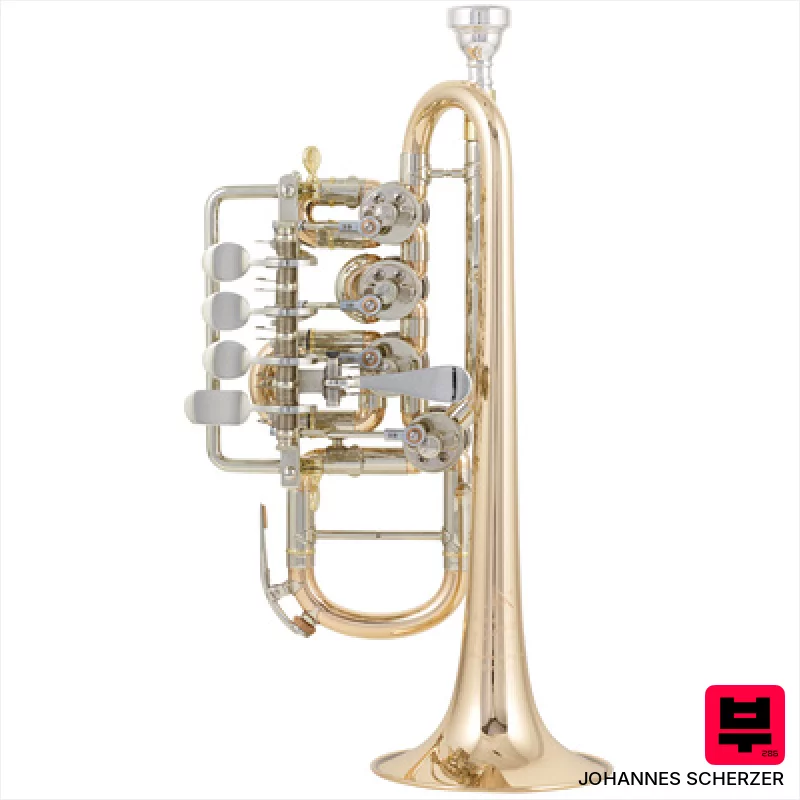
Johannes Scherzer 8111-L High Bb/A-Trumpet
- • Exceptional intonation across both Bb and A, a hallmark of Scherzer’s design.
- • The gold brass bell delivers a rich, focused tone with excellent projection.
- • Multiple lead pipe options allow tailoring response and timbre to individual playing styles.
- • Solid, reliable valve action contributes to effortless technique and fast playing.
- • The 10.4mm bore, while versatile, might feel slightly large for smaller players.
- • Premium-priced, representing a significant investment for most players.
- • The included 7E mouthpiece may not suit all players, requiring a potential upgrade.
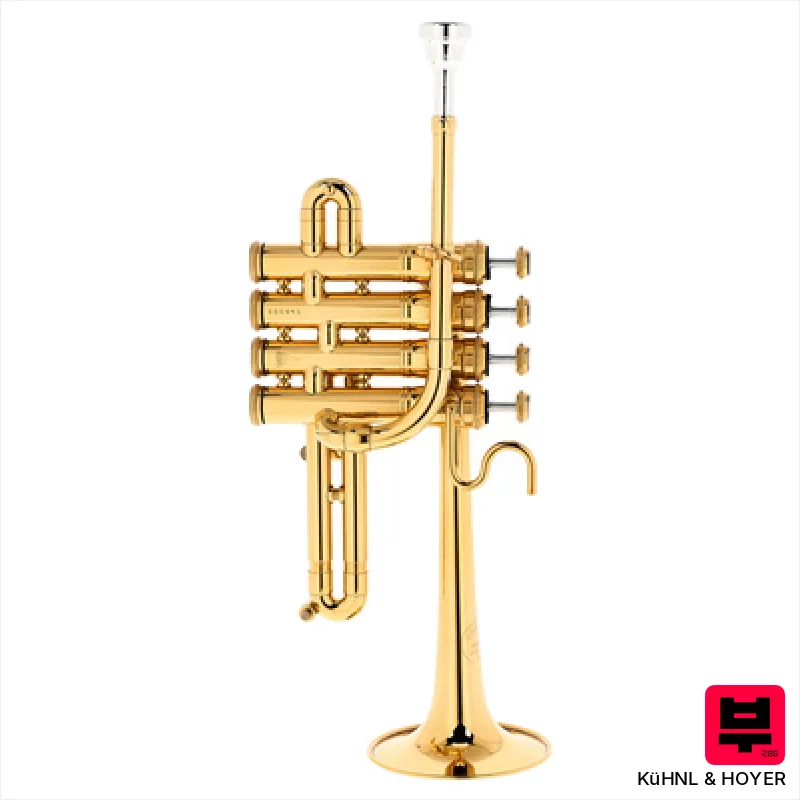
Kühnl & Hoyer Malte Burba Piccolo Trumpet
- • Burba’s design ensures remarkably easy response across the piccolo’s range.
- • The included leadpipe variations offer significant tonal flexibility for diverse playing styles.
- • Hand-ground stainless steel valves provide exceptionally smooth and reliable action.
- • Gold lacquer finish protects the brass while contributing to a bright, focused tone.
- • The ML bore, while versatile, might lack the extreme projection some soloists desire.
- • Piccolo trumpets are inherently more challenging to play in tune than full-size trumpets.
- • This is a premium-priced instrument, making it a significant investment for most players.
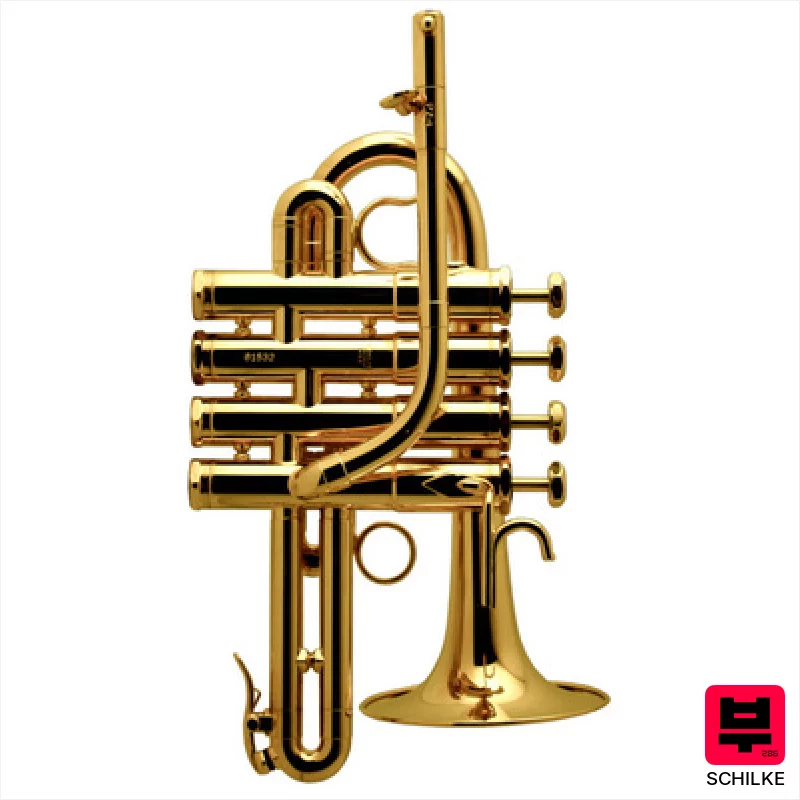
Schilke P 7-4 GP A/Bb Piccolo Gold
- • Exceptional intonation across A and Bb registers.
- • The copper bell provides a warm, focused, and resonant tone.
- • Schilke’s M-bore design facilitates effortless response and projection.
- • Gold plating enhances durability and provides a luxurious feel.
- • The substantial weight (over 4 lbs) can be fatiguing during extended performances.
- • The premium-priced nature makes it inaccessible for many players.
- • Limited versatility; primarily suited for solo and orchestral work.
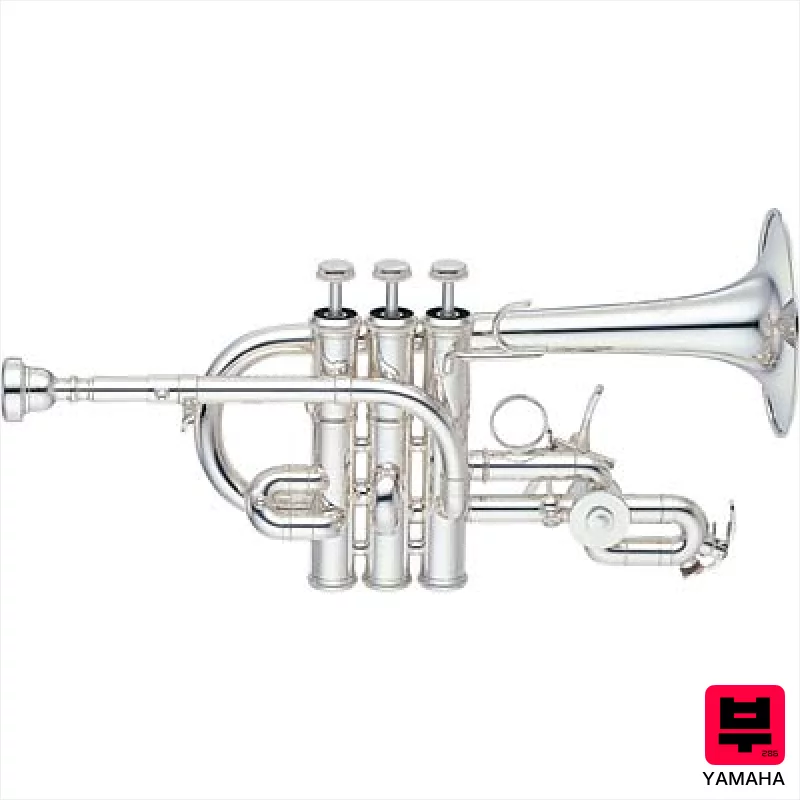
Yamaha YTR-9825
- • Hagstrom collaboration yields exceptional responsiveness and projection
- • Rotary valve provides unique intonation flexibility and ease of use
- • M-bore design promotes a focused, brilliant tone across all registers
- • High-quality silver plating resists wear and maintains a bright aesthetic
- • Premium-priced, represents a significant investment for many players
- • Rotary valve system can feel unfamiliar for players accustomed to piston valves
- • The bright, focused tone may not suit all musical styles or player preferences

Cerveny TR6018TS Bb/A Piccolo Trumpet
- • Excellent intonation across both Bb and A keys.
- • Cerveny's nickel silver leadpipe offers quick response and warmth.
- • The 100mm bell projects a focused, powerful sound.
- • Solid build quality; the fixed finger hook enhances comfort and stability.
- • The 10.6mm bore might feel slightly restrictive for some players.
- • Silver plating requires diligent care to prevent tarnishing.
- • Being a piccolo trumpet, its range is inherently limited compared to a full-sized horn.
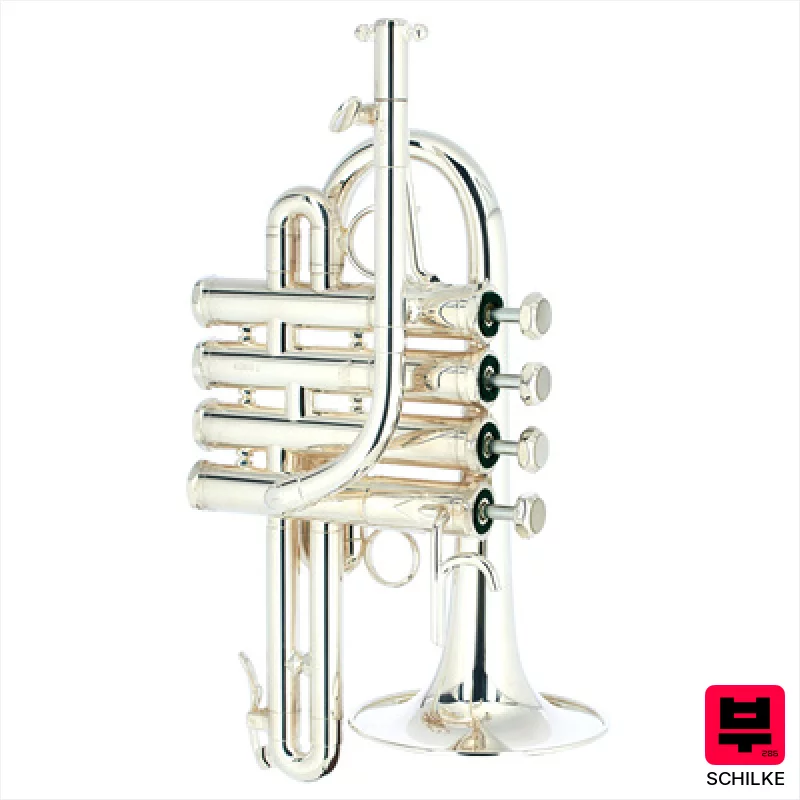
Schilke P 7-4 A/Bb- Piccolo
- • Exceptional intonation across A and Bb registers.
- • Schilke’s M-bore design delivers remarkable projection and clarity.
- • The silver-plated brass body offers a warm, responsive feel.
- • Robust, four-valve design allows for extended range and complex passages.
- • The substantial copper bell contributes to a heavier overall instrument.
- • The premium-priced nature limits accessibility for many players.
- • The A/Bb configuration might feel restrictive for players needing dedicated instruments.

Schagerl Berlin Piccolo Trumpet L
- • Exceptional projection and clarity, ideal for orchestral and solo work
- • Gold brass bell delivers a warm, focused tone with excellent response
- • Robust, precision-engineered rotary valve mechanism for reliable action
- • 10.50mm bore provides a comfortable, responsive playing experience
- • The heavier build can be fatiguing for extended performance periods
- • Premium-priced, representing a significant investment for most players
- • Limited versatility; primarily suited for Bb and A piccolo trumpet repertoire

Schilke P5-4 Piccolo Trumpet
- • Exceptional intonation across all registers, a hallmark of Schilke craftsmanship.
- • The copper bell delivers a warm, focused tone with surprising projection.
- • Four valves offer extended range and versatility for complex passages.
- • The included leadpipes provide flexibility for different embouchures and tonal preferences.
- • The weight, typical of high-end piccolos, can be fatiguing in long performances.
- • The premium-priced nature makes it a significant investment for most players.
- • The smaller bell size might limit extreme low-register power compared to larger trumpets.

Johannes Scherzer 8111-S High Bb/A-Trumpet
- • Exceptional intonation across both Bb and A configurations.
- • Hand-hammered bell delivers a focused, powerful projection.
- • Multiple lead pipe options allow for tailored response and timbre.
- • Robust, silver-plated construction ensures durability and lasting brilliance.
- • The weight, typical of German-made horns, can be fatiguing in long sessions.
- • Premium-priced, representing a significant investment for most players.
- • The included 7E mouthpiece might be too dark for brighter playing styles.

Schilke P5-4 Butler/Geyer Gold
- • Exceptional Schilke intonation and response across all registers.
- • Gold plating enhances brilliance and projection, particularly in the upper range.
- • Butler/Geyer modifications offer increased flexibility and nuanced control.
- • Robust, hand-hammered construction ensures longevity and exceptional build quality.
- • The weight can be fatiguing during extended performance periods.
- • Premium-priced, representing a significant investment for most players.
- • The bright tone may not suit all musical styles or player preferences.

Thomann TR-901S Piccolo Trumpet
- • Solid silver plating offers bright, focused projection.
- • Dual Bb/A keys provide versatility for diverse musical styles.
- • Perinet valves ensure responsive, consistent action and intonation.
- • Included 7C mouthpiece is a decent starting point for many players.
- • The silver plating, while good, isn’t as thick as premium-priced instruments.
- • The case, while functional, feels a bit flimsy for serious travel.
- • The overall tone might lack the complexity of higher-end piccolo trumpets.
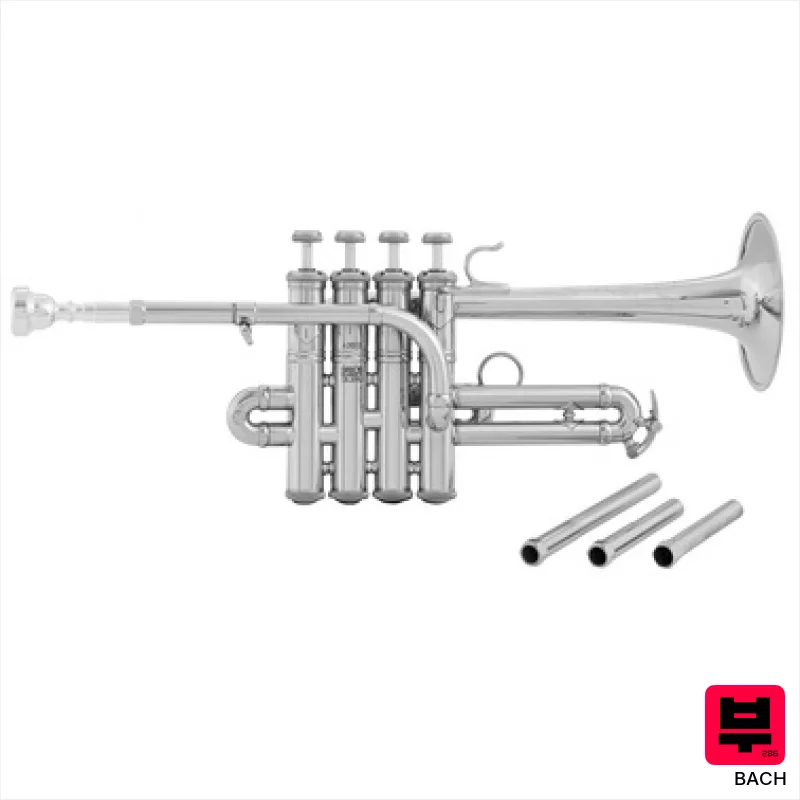
Bach AP 190S Artisan Bb-/A-Piccolo
- • Hand-hammered bell delivers exceptional projection and tonal complexity.
- • Monel valves offer incredibly fast action and reliable performance.
- • Dual mouthpipe options provide versatility across different playing styles.
- • Artisan engraving elevates the instrument’s aesthetic and perceived value.
- • The instrument's weight can be fatiguing for extended performances.
- • The premium-priced nature limits accessibility for many players.
- • The extended bell may present intonation challenges for some players.
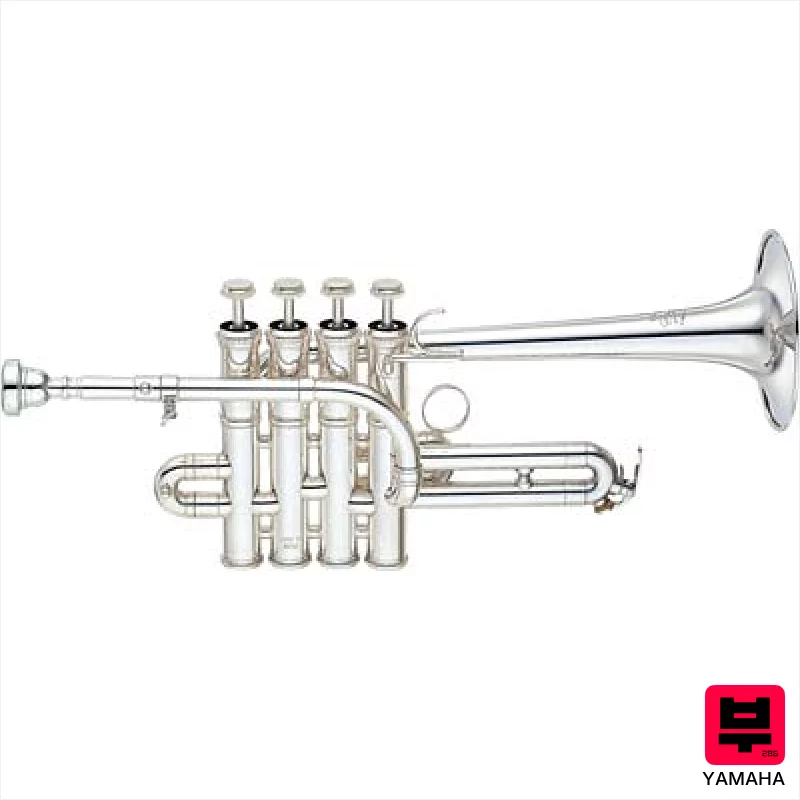
Yamaha YTR-9835 Trumpet
- • Exceptional intonation across both Bb and A configurations.
- • Yellow brass bell delivers a focused, brilliant tone with excellent projection.
- • The redesigned mouthpipe noticeably improves response and airflow efficiency.
- • Four-valve system allows for extended range and complex passages.
- • Premium-priced, placing it out of reach for many student or intermediate players.
- • The heavier weight (compared to some competitors) can be fatiguing during long performances.
- • Silver plating, while beautiful, requires diligent care to prevent tarnishing.
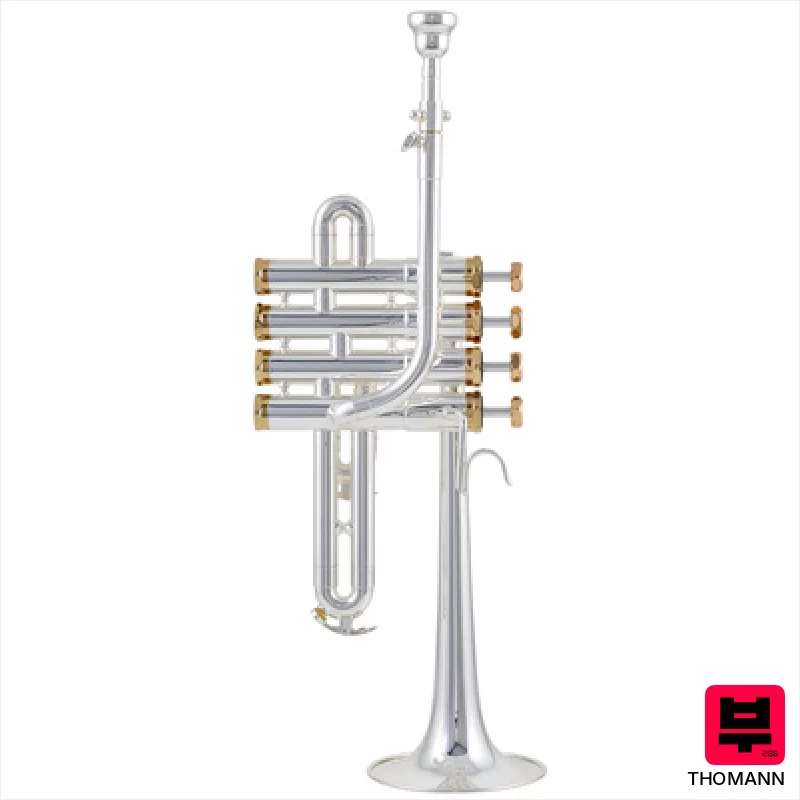
Thomann TR-5400S Piccolo Trumpet
- • Solid brass construction provides a warm, responsive tone.
- • Dual Bb/A keys offer versatility across various musical contexts.
- • Cornet shank simplifies mouthpiece compatibility for most players.
- • Gold-plated valve covers enhance feel and reduce sticking.
- • The long version can feel unwieldy for smaller players or those new to piccolos.
- • Silver plating, while attractive, requires diligent care to prevent tarnishing.
- • The included mouthpiece is likely a basic model and may benefit from an upgrade.
How to Choose the Best Piccolo Trumpets
Tonal Color
Orchestral piccolo demands a focused, bright tone with excellent projection, but it can't be ice-pick harsh. We're looking for a clarity that cuts through without being fatiguing - that 'sparkling' quality is key, but it needs warmth to avoid sounding sterile. A little bit of body in the midrange helps with blend.
Intonation
This is critical. A piccolo that's consistently out of tune is a nightmare, especially in a section. We evaluated intonation across the range, paying attention to how easily it could be adjusted. Consistent intonation is worth more than any fancy valve action.
Valve Action & Keywork
Smooth, responsive valves are a must for quick passages and trills. The keywork needs to be comfortable and ergonomic, especially during long rehearsals. Heavy, sticky action just won't cut it - it'll slow you down and impact your articulation.
Material & Construction
Yellow brass is common, but some higher-end models use nickel silver or a combination of alloys. The material impacts the instrument's response and tonal color. Solid construction and tight tolerances are vital for stability and longevity - cheap horns often have issues with valve alignment.
Bell Design
The bell's shape significantly affects projection and tonal color. A more open design will generally provide more volume and a slightly brighter sound, while a more closed design can offer better control and a slightly warmer tone. It's about finding a balance that suits your playing style and the orchestra's needs.
Buying Guide
Don't be swayed by flashy looks or inflated marketing claims. A good orchestral piccolo isn't cheap, but it is an investment. Watch out for horns with sloppy manufacturing - uneven valve action, poor intonation, and cheap pads are all red flags. Paying more often gets you better materials, tighter tolerances, and a more refined response, but a well-maintained used instrument from a reputable brand can be a fantastic value.
Our Methodology
We didn't just pull numbers off spec sheets here. We spent hours playing these piccolos, comparing them side-by-side with experienced orchestral players. We focused on real-world performance - how they felt under the hand, how they responded to dynamic changes, and, critically, how they sat within a full orchestral arrangement. It's about feel, response, and that elusive tonal quality, not just valve speed.

