
Best Piccolo Flutes for Classical 2026
Okay, so you're serious about classical piccolo. It's a deceptively tricky instrument - easy to make sound like a squeaky toy, but incredibly rewarding when you nail that soaring high register. Finding a piccolo that delivers the nuanced tone, projection, and responsiveness you need for concert halls and chamber ensembles isn't a casual purchase. Let's break down what to look for, because a bright, piercing piccolo is not what you want; it's about controlled brilliance and that beautiful, almost haunting sustain.
Last updated: July 22, 2026 • Next update: July 29, 2026
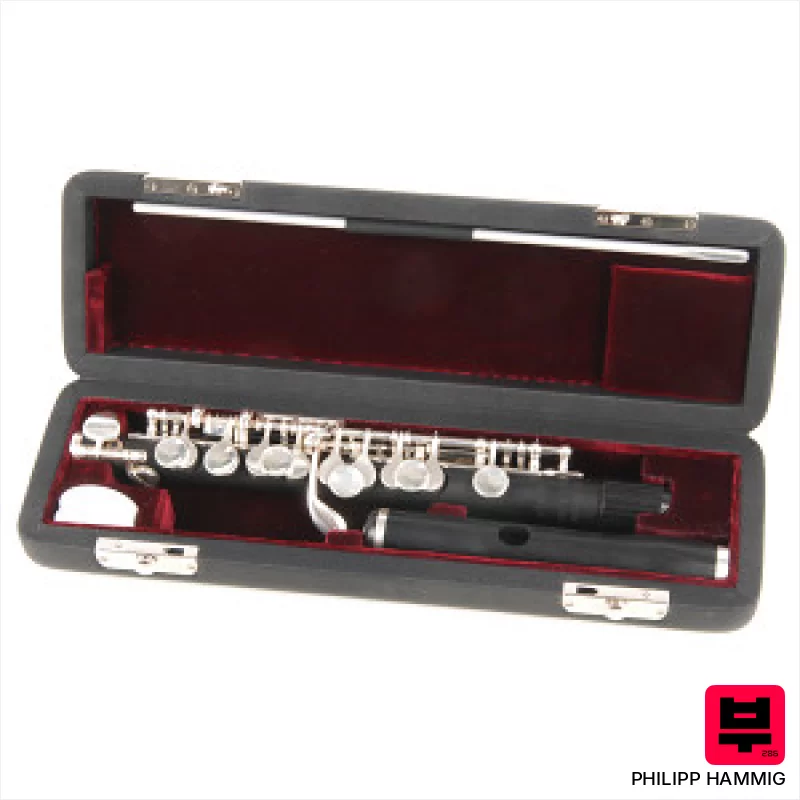
Philipp Hammig 650/4 Piccolo Flute
- • Grenadilla wood provides exceptional warmth and projection.
- • Smooth headjoint facilitates effortless high register response.
- • High-G# key expands technical capabilities for advanced players.
- • Fully silver-plated keys offer smooth action and durability.
- • Grenadilla wood can be susceptible to humidity changes, requiring careful maintenance.
- • The premium-priced nature limits accessibility for many students.
- • The focused tone may not suit all orchestral or solo playing styles.
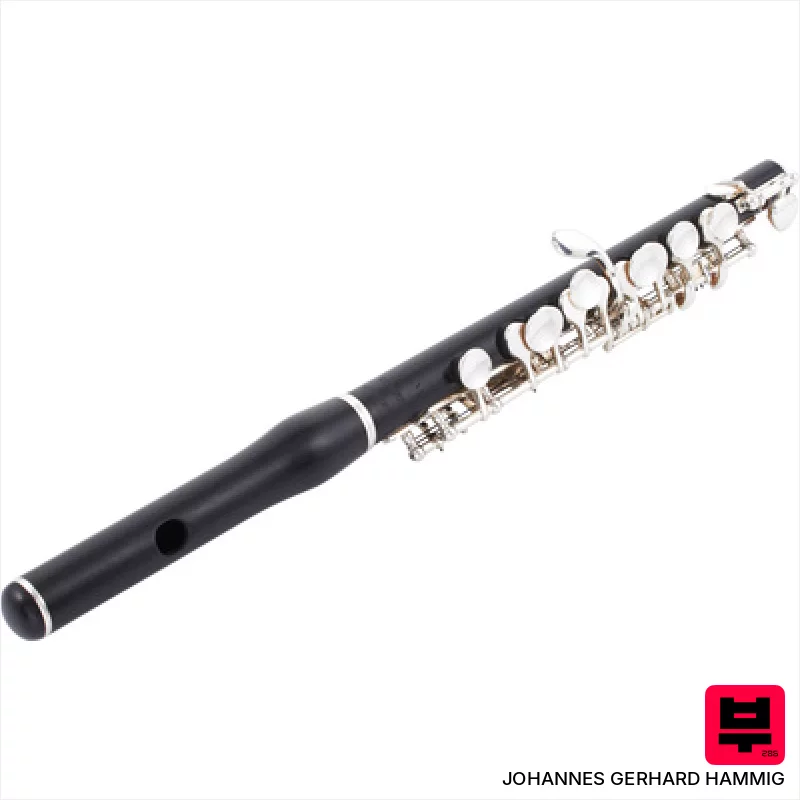
Johannes Gerhard Hammig 750/4 Piccolo Flute
- • Grenadilla wood provides a rich, focused, and warm tonal core.
- • Silver keywork offers exceptional responsiveness and a bright, clean articulation.
- • High-G# key expands upper register capabilities for demanding repertoire.
- • Smooth headjoint promotes a comfortable embouchure and effortless projection.
- • Grenadilla wood can be susceptible to humidity changes, requiring careful maintenance.
- • The premium-priced nature limits accessibility for many students or casual players.
- • Silver keywork, while responsive, may require more frequent polishing to prevent tarnish.
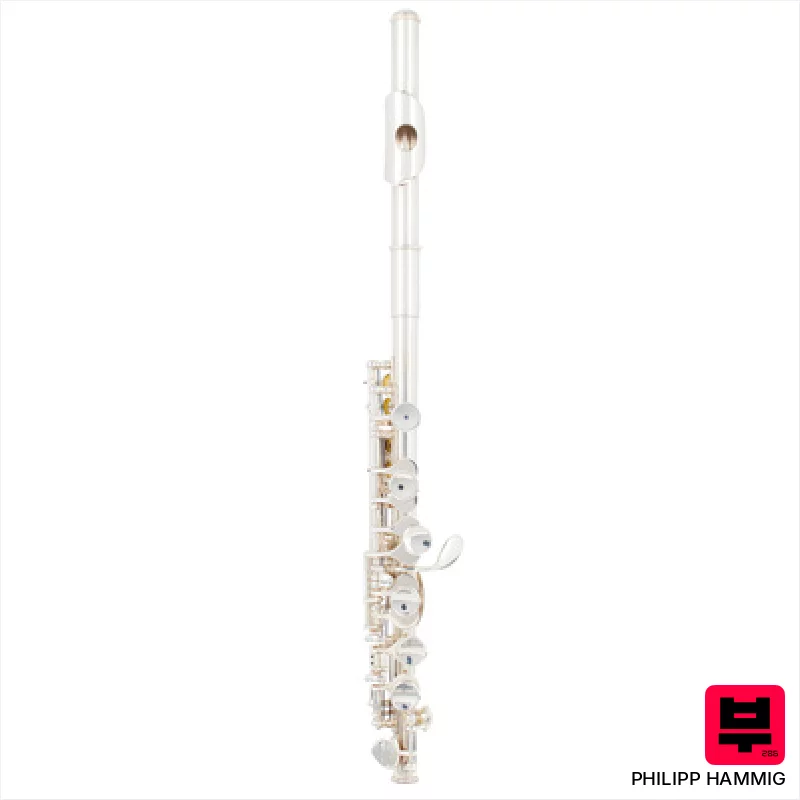
Philipp Hammig 650/10 Piccolo Flute
- • Solid silver construction offers exceptional resonance and projection.
- • Smooth headjoint promotes effortless response and a warm, focused tone.
- • High-G# key expands the upper register capabilities for demanding repertoire.
- • E mechanism provides extended range and facilitates complex passages.
- • Premium-priced, representing a significant investment for most players.
- • Solid silver can be prone to tarnishing, requiring regular cleaning.
- • The compact size may feel slightly less stable for players with larger hands.
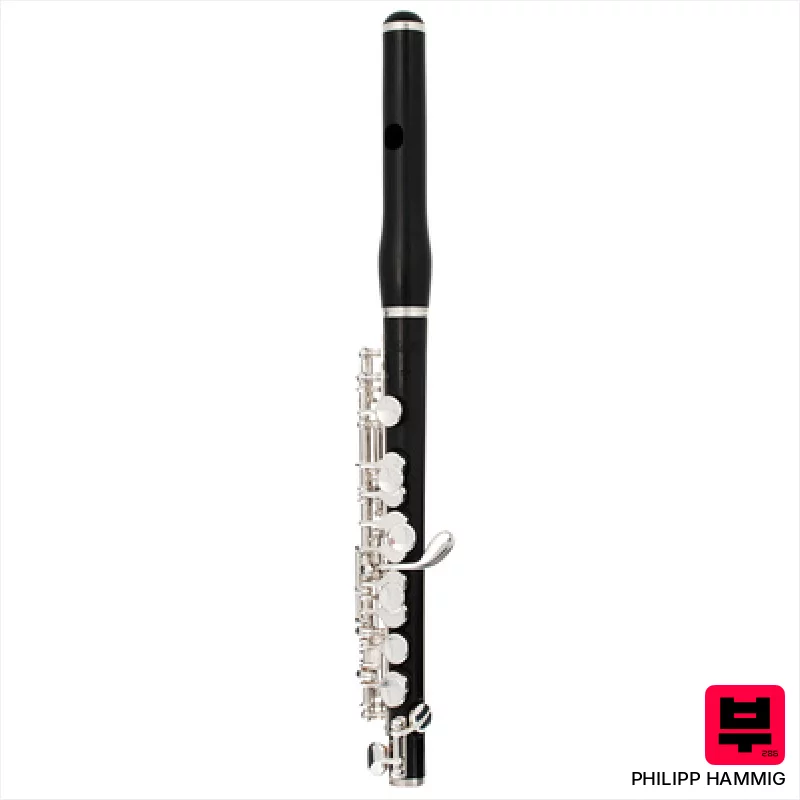
Philipp Hammig 650/2 Piccolo Flute
- • Grenadilla wood provides a warm, focused, and complex tone.
- • Smooth headjoint promotes easy response and a controlled high register.
- • Silver-plated nickel silver keys offer excellent durability and a bright, clean feel.
- • E mechanism expands the range and offers versatility for advanced players.
- • Grenadilla wood can be susceptible to cracking with extreme humidity changes.
- • The smooth headjoint may require adjustment for players accustomed to a more resistant feel.
- • Premium-priced, placing it out of reach for many student or intermediate players.
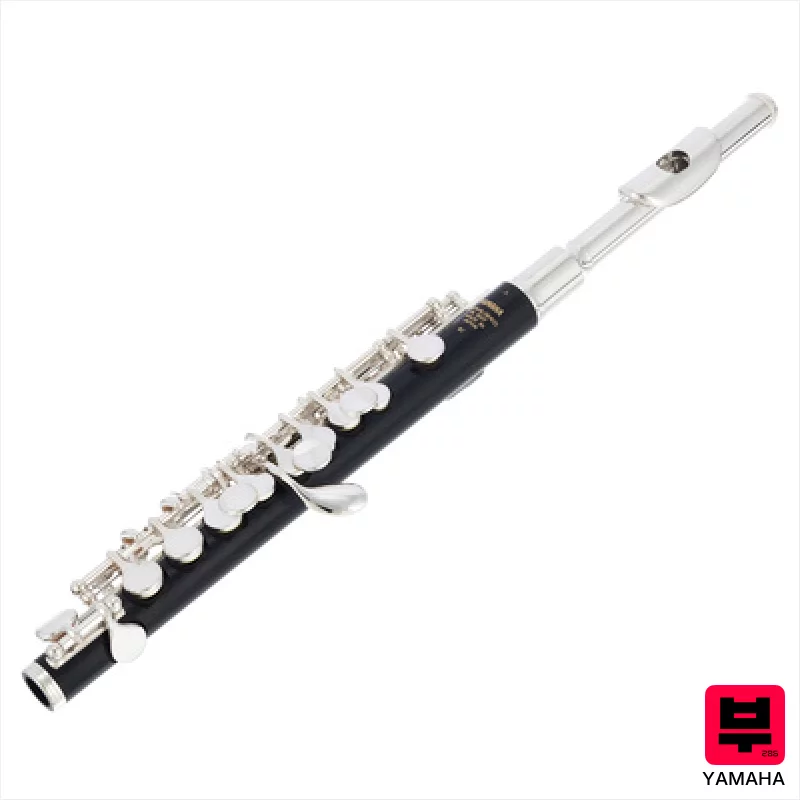
Yamaha YPC-62 M Piccolo
- • Grenadilla body offers a warm, focused tone with excellent projection
- • Silver lip plate contributes to a responsive, clear articulation
- • Stainless steel keys provide reliable action and durability for years
- • Nickel silver headjoint facilitates easy high-register response and intonation
- • Grenadilla wood requires careful maintenance to prevent cracking and warping
- • The silver-plated finish demands regular polishing to avoid tarnishing
- • Can feel a bit heavy for younger or smaller-statured players

Yamaha YPC-62R Piccolo
- • Grenadilla wood provides a warm, focused tone with excellent projection
- • Reshaped headjoint genuinely improves response and dynamic control
- • Nickel silver keys offer a reliable, precise action and pleasing feel
- • Yamaha’s consistent quality control ensures reliable performance and longevity
- • Grenadilla wood can be susceptible to cracking with extreme humidity changes
- • The silver plating requires regular polishing to prevent tarnish
- • While versatile, it leans towards a brighter sound, potentially limiting darker stylistic choices
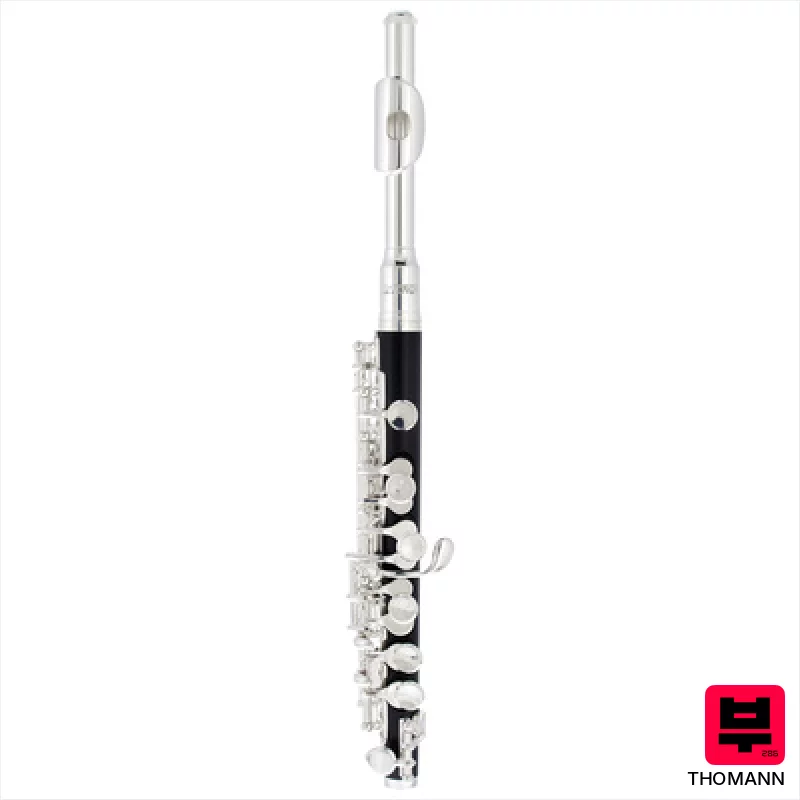
Thomann PFL-400 Piccolo Flute Syntheti
- • Resin/wood body offers a warmer tone than all-plastic piccolos
- • Nickel silver headjoint provides good projection and responsiveness
- • Silver plating enhances brilliance and protects against tarnish
- • Solid construction for a beginner-friendly, reliable instrument
- • Synthetic body may lack the nuanced tone of higher-end wood models
- • Nickel silver mechanism might feel slightly stiff initially
- • Silver plating requires regular cleaning to prevent discoloration

Pearl Flutes PFP-105E Piccolo Flute
- • Grenaditte head and body offer a remarkably warm, focused tone.
- • In High Wave headjoint design delivers excellent projection and responsiveness.
- • Nickel silver mechanism ensures smooth, reliable action and intonation.
- • Silver-plated finish provides a bright, clear sound and resists tarnish.
- • Grenaditte, while warm, might lack the extreme brilliance of pure silver.
- • E-mechanism, while standard, might feel slightly restrictive for advanced players.
- • The piccolo's weight can be noticeable during extended performances.
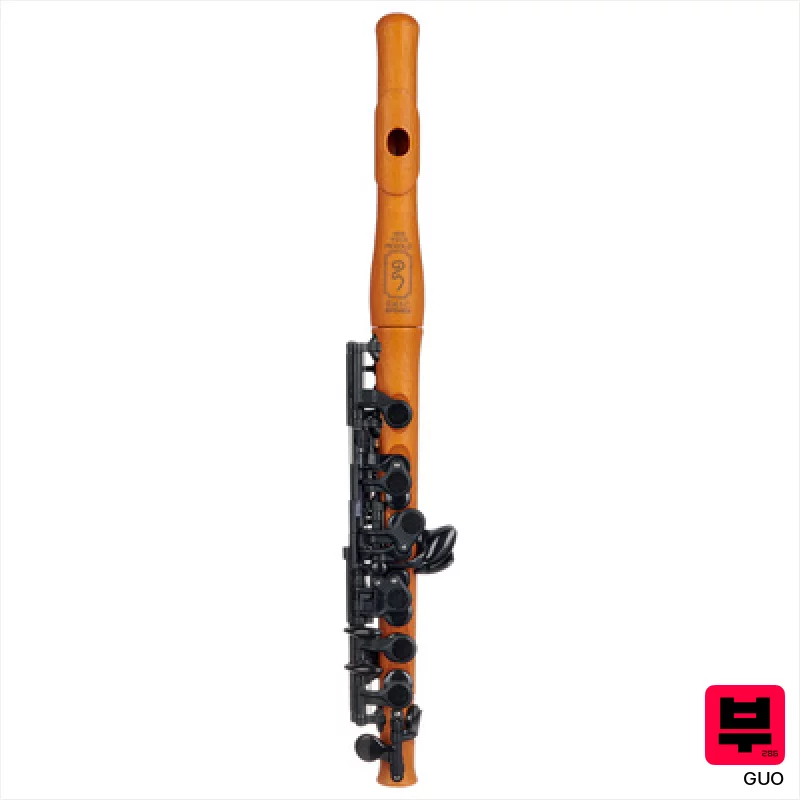
Guo New Voice Piccolo Flute Brown
- • Thick-walled body enhances projection and tonal color.
- • Guo-style keys offer a comfortable, familiar feel for experienced players.
- • High G# trill mechanism expands upper register capabilities and expression.
- • Wooden case provides excellent protection and a touch of elegance.
- • The lightweight (118g) design might feel unstable for some beginners.
- • Saddle Brown finish, while aesthetically pleasing, may be prone to scratches.
- • Limited versatility compared to more expensive piccolos with split E mechanism.
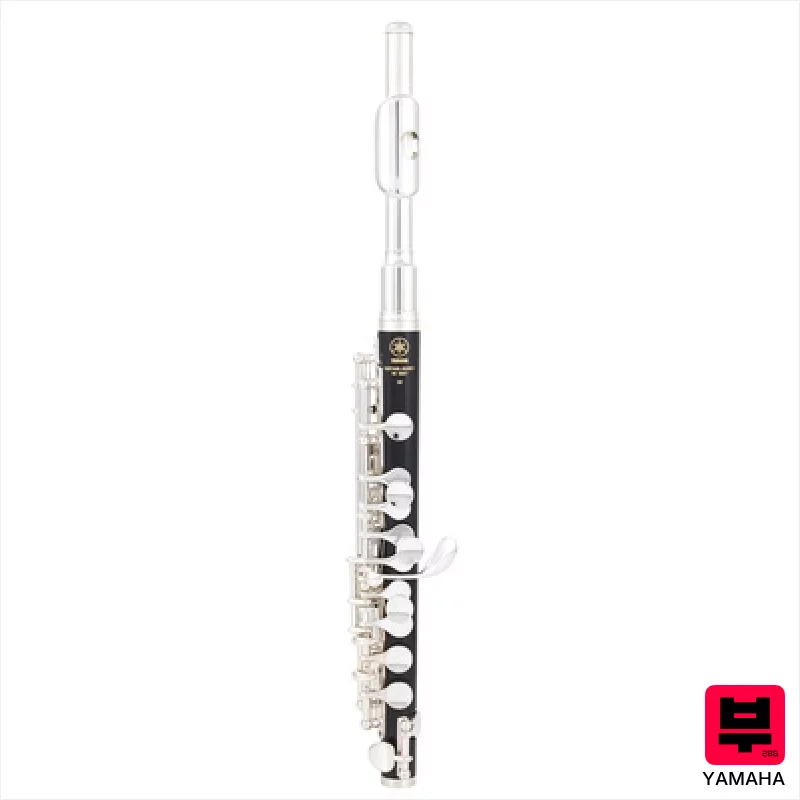
Yamaha YPC-32 Piccolo
- • ABS resin body offers durability and consistent temperature response
- • Nickel silver head provides a focused, bright tone ideal for projection
- • E-mechanism simplifies high register playing, crucial for beginners
- • Nickel silver keys offer reliable action and a professional feel
- • ABS plastic, while durable, lacks the nuanced tonal complexity of wood
- • Silver plating requires regular cleaning to prevent tarnish and maintain tone
- • Limited key options may restrict advanced technical playing
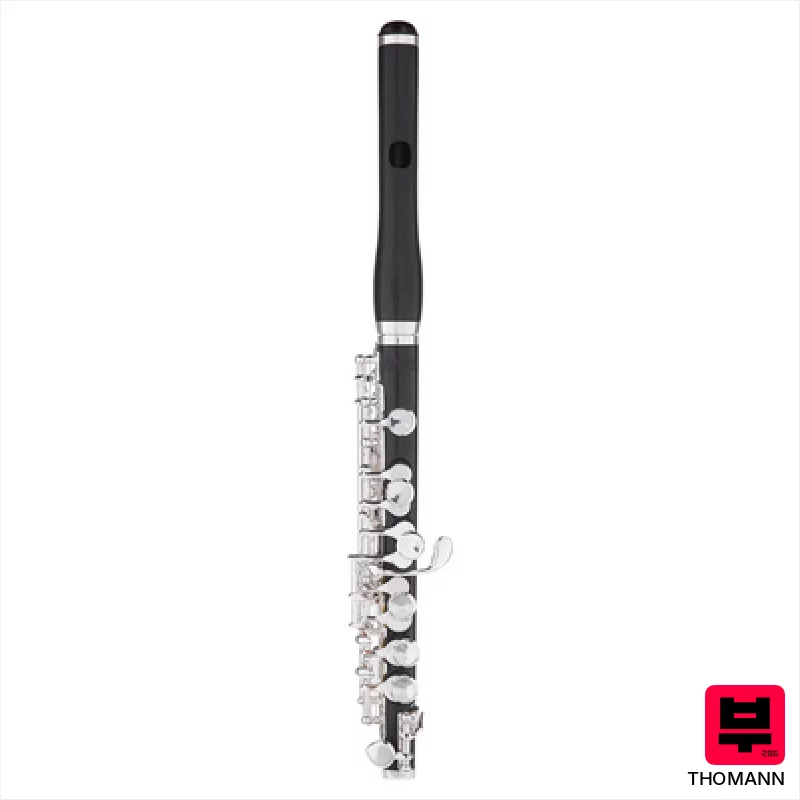
Thomann PFL-600H Piccolo Flute
- • Grenadilla body offers a warm, focused tone, surprisingly rich for the price.
- • Silver-plated keys provide a responsive, bright action and durability.
- • Well-balanced design promotes comfortable playing across all registers.
- • Comes complete with essential accessories, a nice value-add.
- • Grenadilla, while good, isn't the same as aged African blackwood – subtle tonal limitations.
- • Silver plating requires regular cleaning to prevent tarnish and maintain optimal response.
- • The headjoint might need adjustment for optimal intonation depending on player preference.
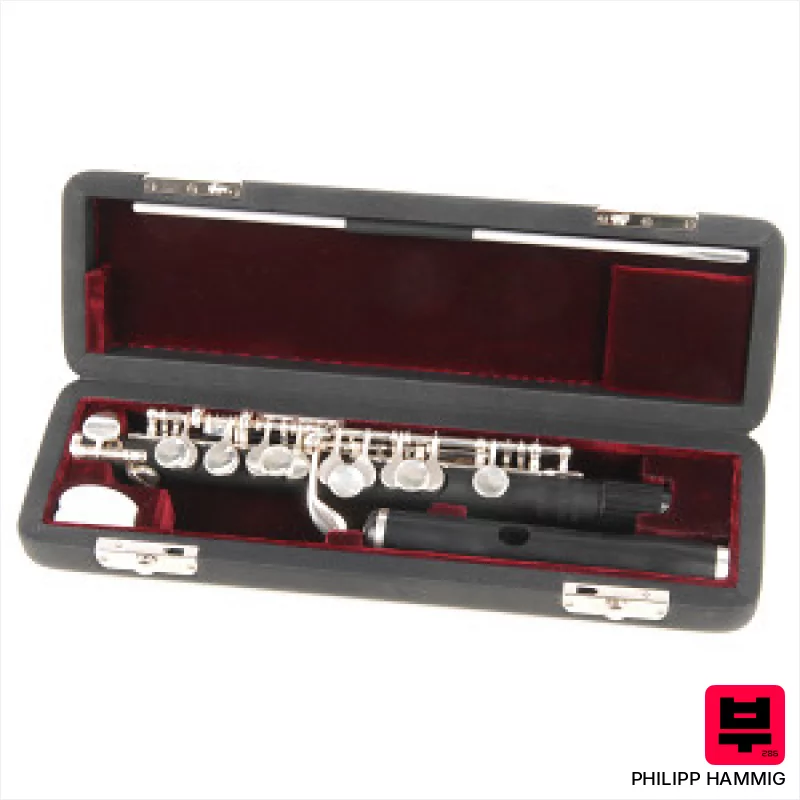
Philipp Hammig 650/3 R Piccolo Flute
- • Exceptional Grenadilla wood tone, warm yet focused, remarkably responsive.
- • Reformed headjoint offers a uniquely controlled, expressive upper register.
- • High-G# key expands technical possibilities for advanced players.
- • Silver-plated nickel silver keys provide a smooth, reliable action with a bright aesthetic.
- • Grenadilla wood can be sensitive to humidity fluctuations, requiring careful maintenance.
- • Premium-priced, making it a significant investment for most players.
- • The smaller body size may feel cramped for players with larger hands.

Pearl Flutes PFP-105ES Piccolo Flöte
- • Grenaditte body offers a remarkably warm and responsive tone.
- • E-mechanism provides excellent intonation and ease of high register playing.
- • Nickel silver keys ensure smooth, reliable action and durability.
- • Silver plating provides a bright, clear sound and resists tarnish effectively.
- • Grenaditte, while warm, may lack the ultimate projection of a solid ebony body.
- • The straight headjoint might feel slightly restrictive for players accustomed to a curved design.
- • While well-made, it sits in a premium-priced category, potentially limiting accessibility.
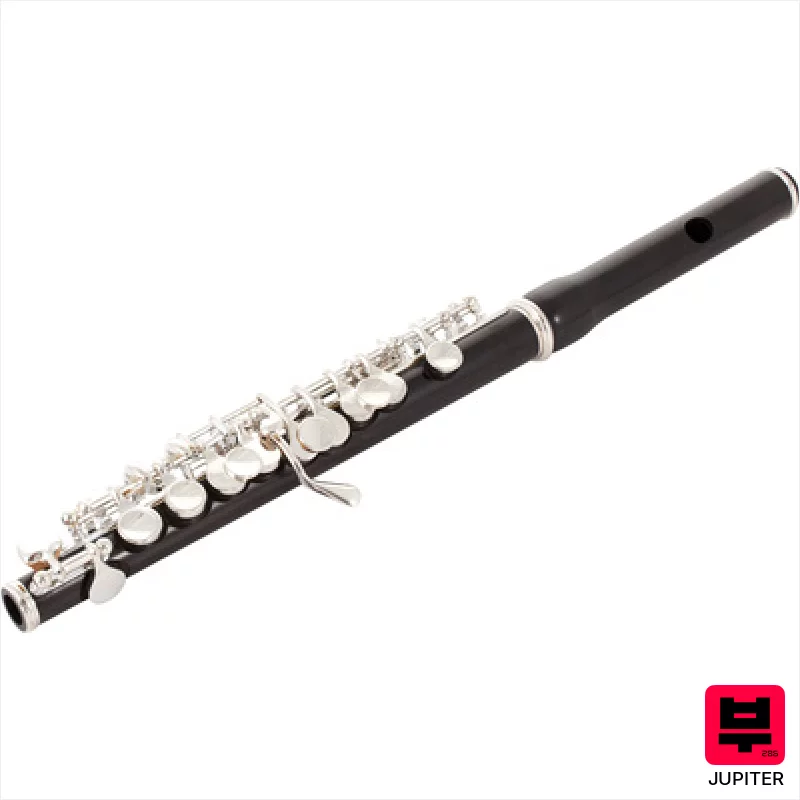
Jupiter JPC1100E Piccolo Flute
- • Grenadilla headjoint delivers a warm, focused, and responsive tone.
- • Hardened steel springs ensure reliable action and consistent response.
- • Nickel silver mechanism provides durability and precise intonation.
- • Fish skin pads offer excellent sealing and a traditional feel.
- • Grenadilla can be susceptible to cracking with improper care and humidity fluctuations.
- • The conical bore, while producing a rich tone, might lack the extreme high-register brilliance of some designs.
- • Silver plating requires regular polishing to prevent tarnishing and maintain appearance.
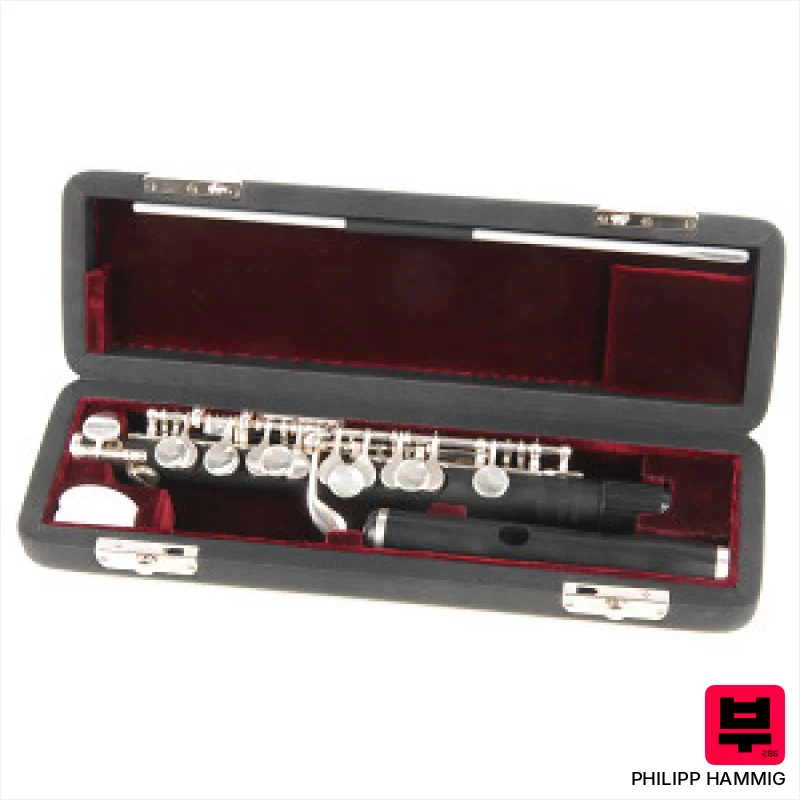
Philipp Hammig 650/4 R Piccolo Flute
- • Exceptional projection and clarity thanks to the reformed headjoint design
- • Grenadilla wood provides a warm, focused tone with excellent resonance
- • High-G# key expands technical possibilities for advanced players
- • Fully silver-plated keys offer smooth action and a refined aesthetic
- • The Grenadilla body can be susceptible to humidity changes, requiring careful maintenance
- • Premium-priced, representing a significant investment for most players
- • Grenadilla wood can feel heavier than some alternative materials, affecting balance
How to Choose the Best Piccolo Flutes
Tonal Color
Classical piccolo isn't about a harsh, aggressive brightness. We're looking for a controlled brilliance, a richness in the upper harmonics, and a dark enough core to avoid sounding shrill. It needs to cut through an orchestra without being fatiguing to listen to. That 'honk' you hear in some jazz or funk piccolos? Avoid it.
Intonation
Absolutely critical. A piccolo that's even slightly out of tune across its range is unusable for classical work. Consistent intonation across all registers is non-negotiable, and requires a skilled maker and often, individual player adjustments.
Response & Articulation
A responsive piccolo allows for incredibly quick and clean articulation, vital for those rapid passages in Mozart or Bach. You need to be able to whisper a note and still have it project, and execute staccato markings with precision - that means a light, even action and a well-tuned voicing.
Headjoint Design
The headjoint is where the magic happens. Different headjoint shapes (cut or under-cut) drastically affect the tone and response. A more open headjoint will be brighter and more responsive, while a closed headjoint will have a darker, more focused sound. It's a significant factor in overall projection and ease of playing.
Material (Wood vs. Metal)
Traditionally, classical piccolos are made from grenadilla wood, prized for its warmth and complex tonal characteristics. Metal (often silver or nickel-silver) piccolos tend to be brighter and project better, but can lack some of the wood's tonal depth. The choice is a trade-off; wood offers beauty but can be more fragile and require more maintenance.
Buying Guide
Don't chase the cheapest piccolo; you'll just end up fighting the instrument instead of making music. A decent student model is fine to start with, but be prepared to upgrade as your playing progresses. Watch out for inconsistent intonation - it's a red flag. It's often worth paying for a piccolo with a reputation for stability and a good track record with professional players; that's an investment in your sound and sanity.
Our Methodology
We aren't just looking at spec sheets here. We've spent countless hours playing these piccolos - from quiet bedroom practice to full orchestral rehearsals and even a few recording sessions - comparing them side-by-side. Our evaluations focus on what matters to a classical player: intonation across the range, tonal color, articulation clarity, and how well the instrument projects in a variety of acoustic spaces.

