
Best Piccolo Flutes for Beginner 2026
So, you're looking to add a piccolo to your flute arsenal? Smart move - that piercing high-end can really cut through a band or add some serious sparkle to a recording. But let's be real, a cheap piccolo can be a nightmare - sharp intonation, a squeaky mess, and a learning curve steeper than a cliff face. This isn't about the flashiest, most expensive instruments; it's about finding a piccolo that actually lets you learn and enjoy playing without wanting to chuck it across the rehearsal space.
Last updated: September 28, 2026

Startone SPF-100 Piccolo Flute
- • Solid nickel silver construction offers good durability and resonance.
- • Silver-plating provides a bright, focused tone suitable for various genres.
- • E mechanism is standard and functional for beginner to intermediate players.
- • Includes case and cleaning rod, a complete starter package.
- • Nickel silver can feel a bit cold and heavy compared to silver.
- • E mechanism limits advanced technical capabilities for experienced players.
- • Silver plating requires regular polishing to prevent tarnish and maintain tone.

Thomann PFL-200 Piccolo Flute
- • Nickel silver head offers a brighter, more responsive tone than basic brass.
- • Silver-plated keys provide smoother action and a more professional feel.
- • Composite body dampens vibrations, improving intonation and overall playability.
- • Comes with a case and cleaning rod, a complete starter package for beginners.
- • Silver plating requires regular cleaning to prevent tarnish and maintain tone.
- • Composite body, while good for intonation, lacks the resonance of all-metal construction.
- • Nickel silver head may be slightly harder to blend with a darker flute tone for advanced players.
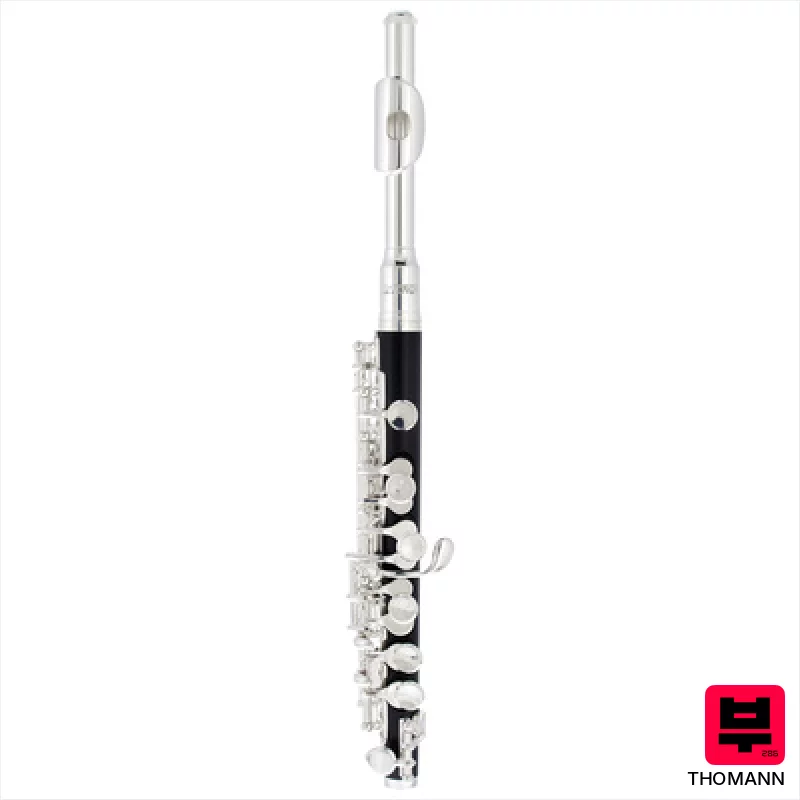
Thomann PFL-400 Piccolo Flute Syntheti
- • Resin/wood body offers a warmer tone than all-plastic piccolos
- • Nickel silver headjoint provides good projection and responsiveness
- • Silver plating enhances brilliance and protects against tarnish
- • Solid construction for a beginner-friendly, reliable instrument
- • Synthetic body may lack the nuanced tone of higher-end wood models
- • Nickel silver mechanism might feel slightly stiff initially
- • Silver plating requires regular cleaning to prevent discoloration
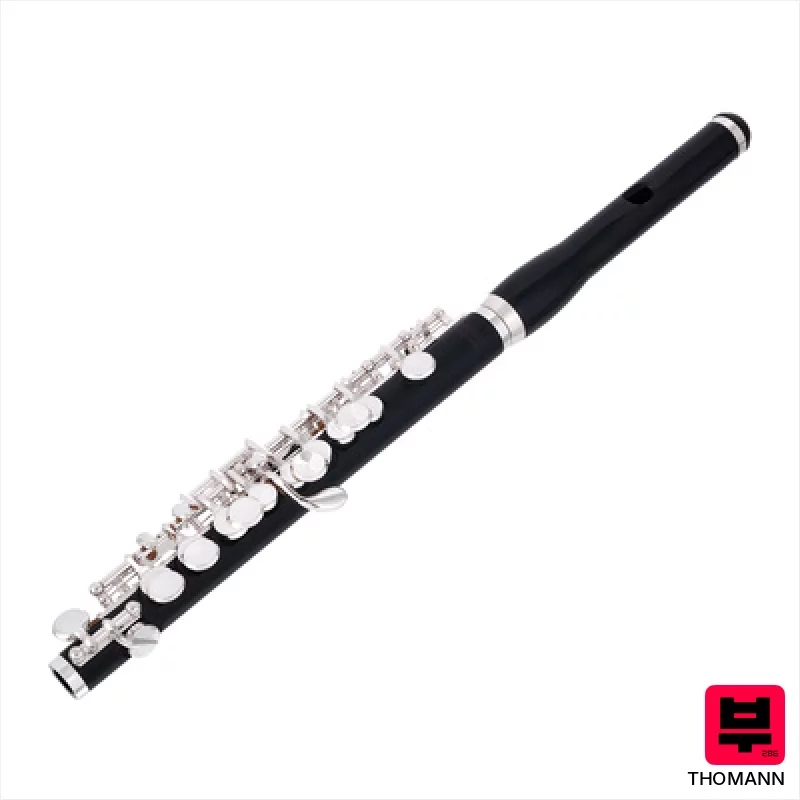
Thomann PFL-400H Piccolo Flute Synthet
- • Resin/wood blend offers a surprisingly warm tone for a synthetic piccolo
- • Silver-plated keys provide decent responsiveness and a brighter edge
- • Lightweight construction makes extended playing more comfortable
- • Includes accessories like a case and cleaning rod - good value
- • The resin/wood composite might lack the projection of all-wood models
- • Silver plating can tarnish relatively quickly with regular use
- • Key mechanism, while functional, may not offer the precision of higher-end piccolos
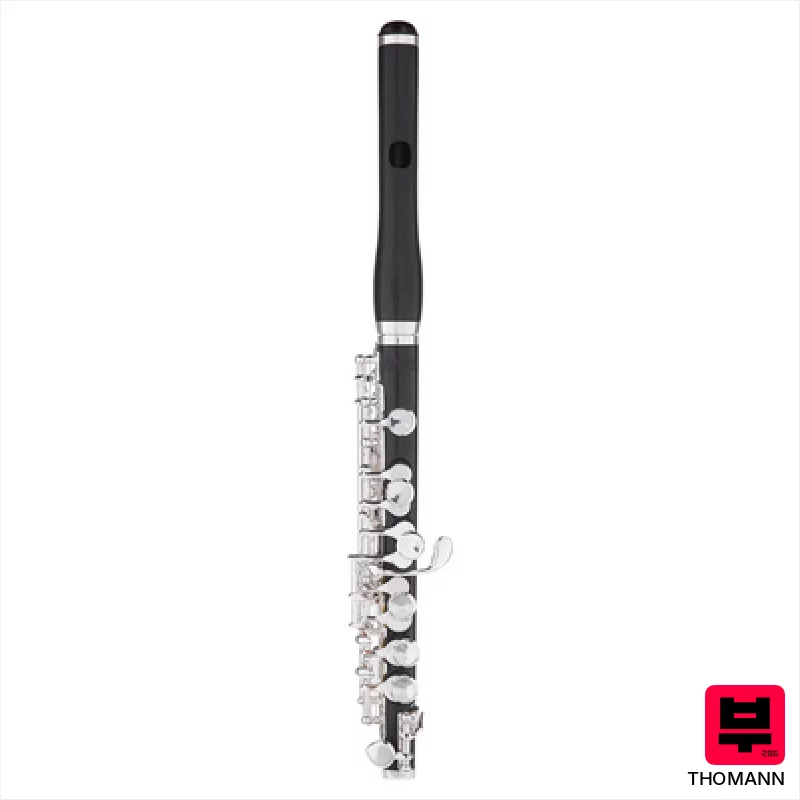
Thomann PFL-600H Piccolo Flute
- • Grenadilla body offers a warm, focused tone, surprisingly rich for the price.
- • Silver-plated keys provide a responsive, bright action and durability.
- • Well-balanced design promotes comfortable playing across all registers.
- • Comes complete with essential accessories, a nice value-add.
- • Grenadilla, while good, isn't the same as aged African blackwood – subtle tonal limitations.
- • Silver plating requires regular cleaning to prevent tarnish and maintain optimal response.
- • The headjoint might need adjustment for optimal intonation depending on player preference.
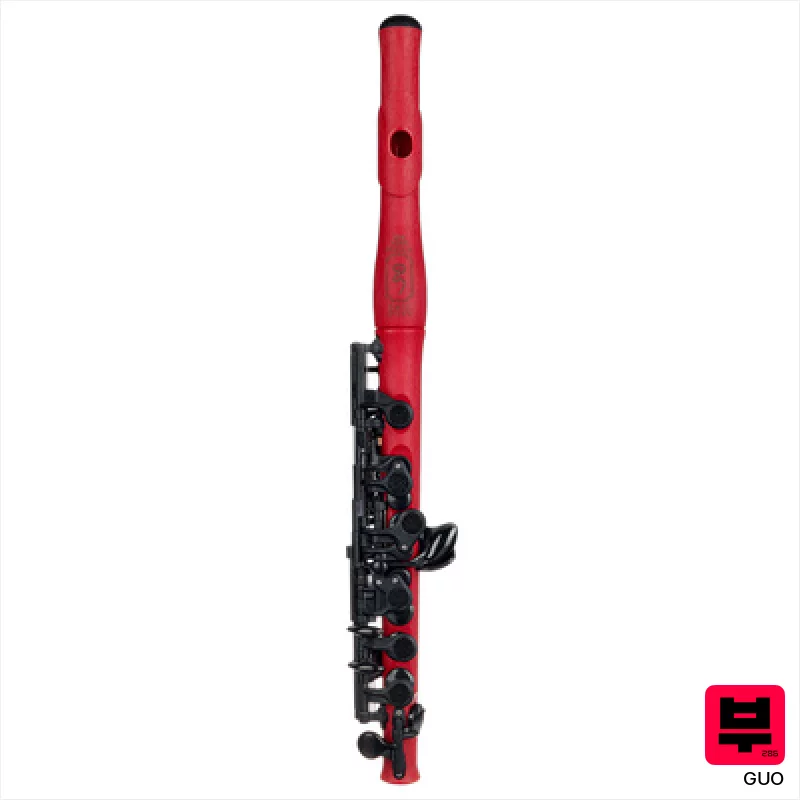
Guo New Voice Piccolo Flute Cherry
- • Cherry wood body provides a warm, focused tone characteristic of the material.
- • Thick-walled design enhances projection and responsiveness across the range.
- • High G# trill mechanism improves agility and facilitates complex passages.
- • Guo-style keys offer a comfortable and familiar feel for experienced flutists.
- • Cherry wood can be more susceptible to humidity changes than silver or other metals.
- • The lighter weight (118g) might feel unstable for some players accustomed to heavier piccolos.
- • The 'New Voice' headjoint design may not appeal to players seeking a more traditional, bright tone.
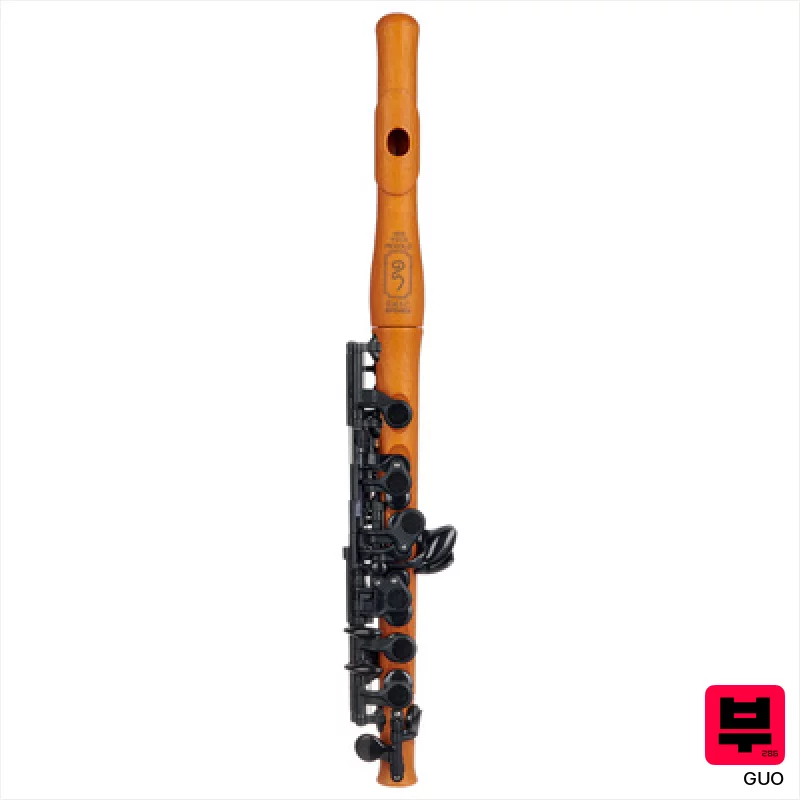
Guo New Voice Piccolo Flute Brown
- • Thick-walled body enhances projection and tonal color.
- • Guo-style keys offer a comfortable, familiar feel for experienced players.
- • High G# trill mechanism expands upper register capabilities and expression.
- • Wooden case provides excellent protection and a touch of elegance.
- • The lightweight (118g) design might feel unstable for some beginners.
- • Saddle Brown finish, while aesthetically pleasing, may be prone to scratches.
- • Limited versatility compared to more expensive piccolos with split E mechanism.
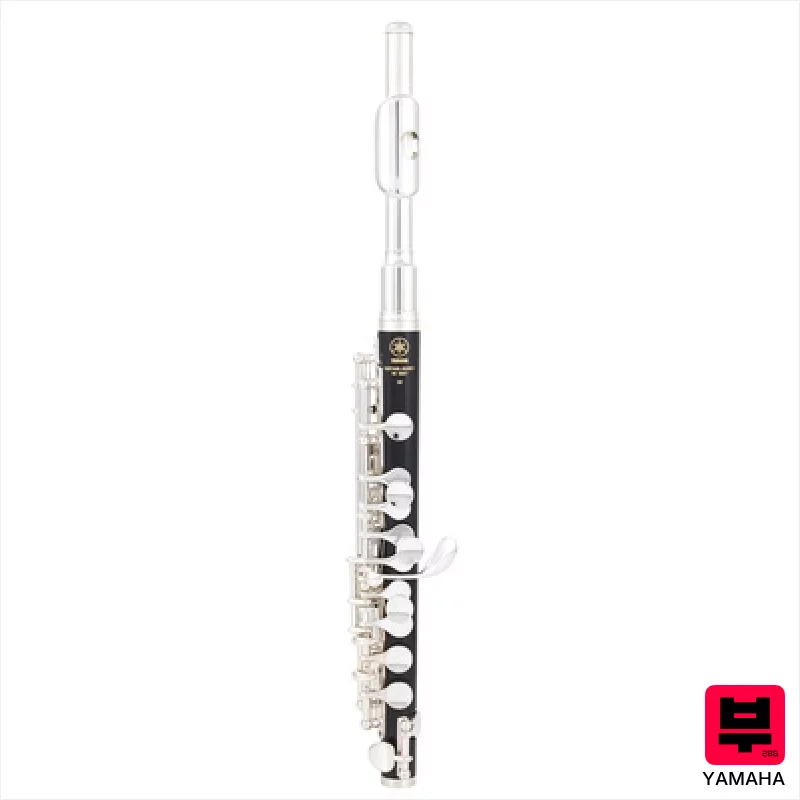
Yamaha YPC-32 Piccolo
- • ABS resin body offers durability and consistent temperature response
- • Nickel silver head provides a focused, bright tone ideal for projection
- • E-mechanism simplifies high register playing, crucial for beginners
- • Nickel silver keys offer reliable action and a professional feel
- • ABS plastic, while durable, lacks the nuanced tonal complexity of wood
- • Silver plating requires regular cleaning to prevent tarnish and maintain tone
- • Limited key options may restrict advanced technical playing
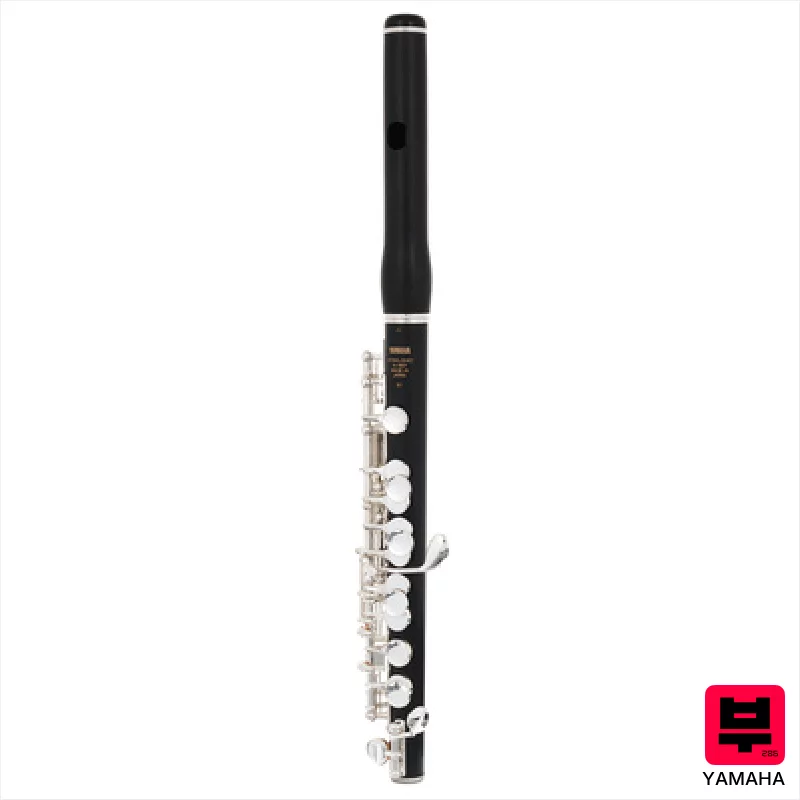
Yamaha YPC-91 Piccolo
- • Grenadilla wood body delivers exceptional warmth and projection.
- • Silver keywork offers smooth, responsive action and beautiful aesthetics.
- • Undercut tone holes enhance intonation and responsiveness across registers.
- • Masterclass construction guarantees consistent quality and professional-level performance.
- • Grenadilla wood is susceptible to humidity changes, requiring careful maintenance.
- • The piccolo’s weight, typical of grenadilla instruments, may fatigue some players.
- • High-end piccolo; represents a significant investment for most players.
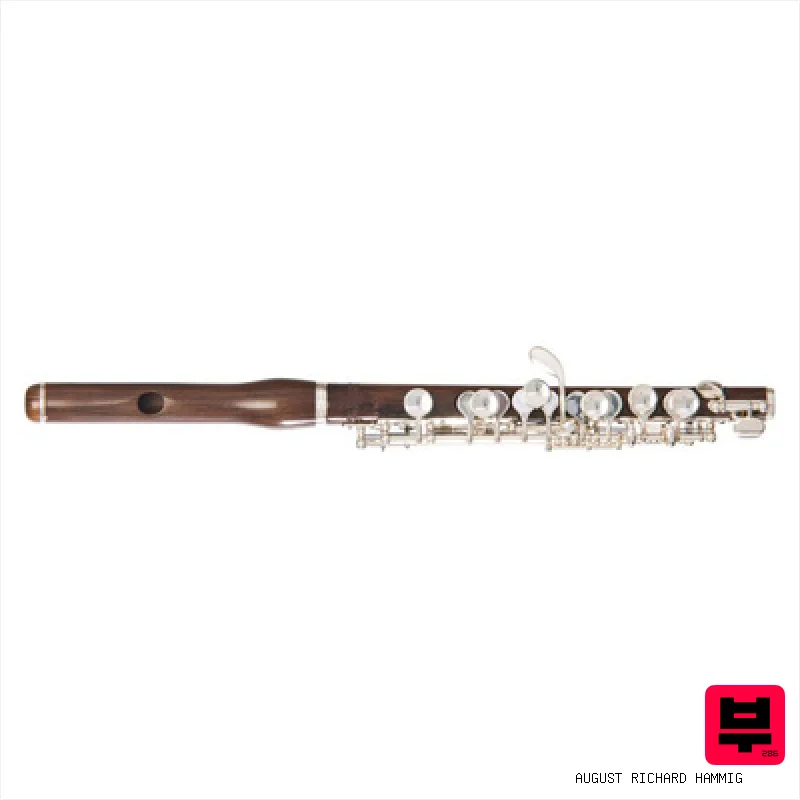
August Richard Hammig 40115/3 Piccolo Flute
- • Smooth headjoint design for easy high notes
- • Cocos wood body offers rich dark resonance
- • Silver-plated nickel silver keys stay bright
- • E mechanism allows quick key changes
- • No specific weight listed for handling feel
- • Case included but no internal padding noted
- • High-G# key is unusual for standard pitch
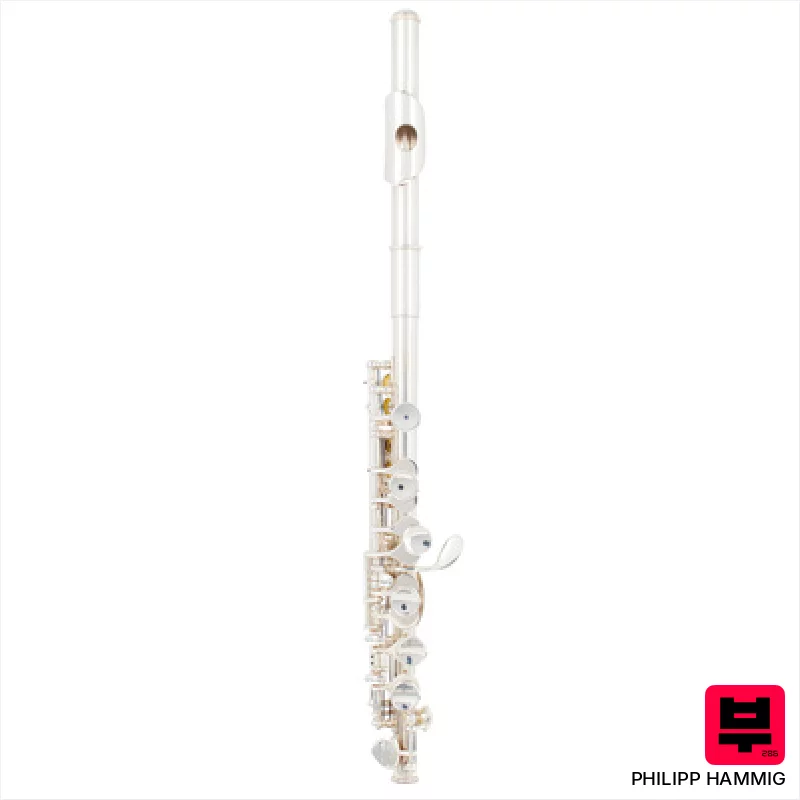
Philipp Hammig 650/10 Piccolo Flute
- • Solid silver construction offers exceptional resonance and projection.
- • Smooth headjoint promotes effortless response and a warm, focused tone.
- • High-G# key expands the upper register capabilities for demanding repertoire.
- • E mechanism provides extended range and facilitates complex passages.
- • Premium-priced, representing a significant investment for most players.
- • Solid silver can be prone to tarnishing, requiring regular cleaning.
- • The compact size may feel slightly less stable for players with larger hands.
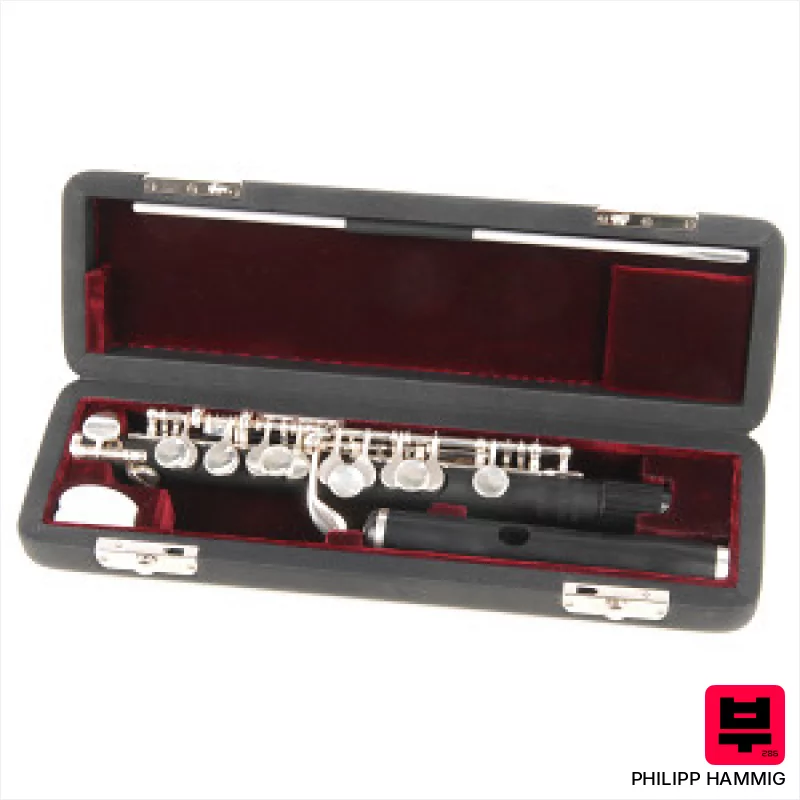
Philipp Hammig 650/3 R Piccolo Flute
- • Exceptional Grenadilla wood tone, warm yet focused, remarkably responsive.
- • Reformed headjoint offers a uniquely controlled, expressive upper register.
- • High-G# key expands technical possibilities for advanced players.
- • Silver-plated nickel silver keys provide a smooth, reliable action with a bright aesthetic.
- • Grenadilla wood can be sensitive to humidity fluctuations, requiring careful maintenance.
- • Premium-priced, making it a significant investment for most players.
- • The smaller body size may feel cramped for players with larger hands.
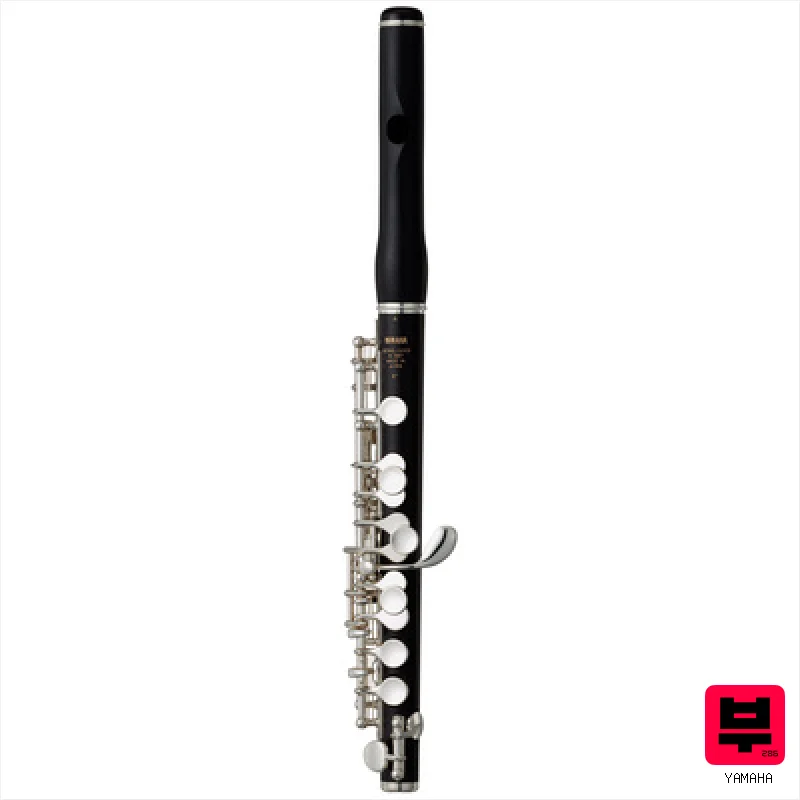
Yamaha YPC-87R Piccolo
- • Sterling silver keys ensure smooth action
- • Grenadilla wood body offers deep resonance
- • Thicker walls create a bright tone
- • Excellent control in high register
- • Less cheerful character limits joy
- • Narrow bore may restrict volume
- • No weight or finish details given
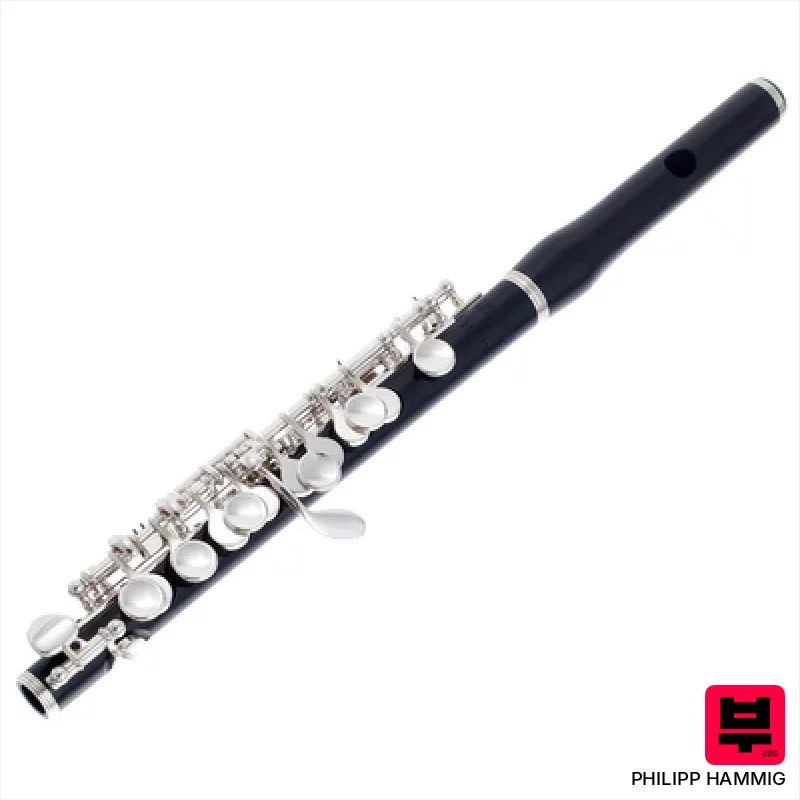
Philipp Hammig 650/3 Piccolo Flute
- • Grenadilla wood provides a warm, complex tonal color.
- • High-G# key expands upper register possibilities significantly.
- • Smooth headjoint offers exceptional responsiveness and intonation.
- • Silver-plated nickel silver keys ensure reliable action and durability.
- • Grenadilla wood can be susceptible to cracking with humidity changes.
- • The E mechanism, while useful, adds complexity for beginners.
- • Premium-priced, limiting accessibility for student players.
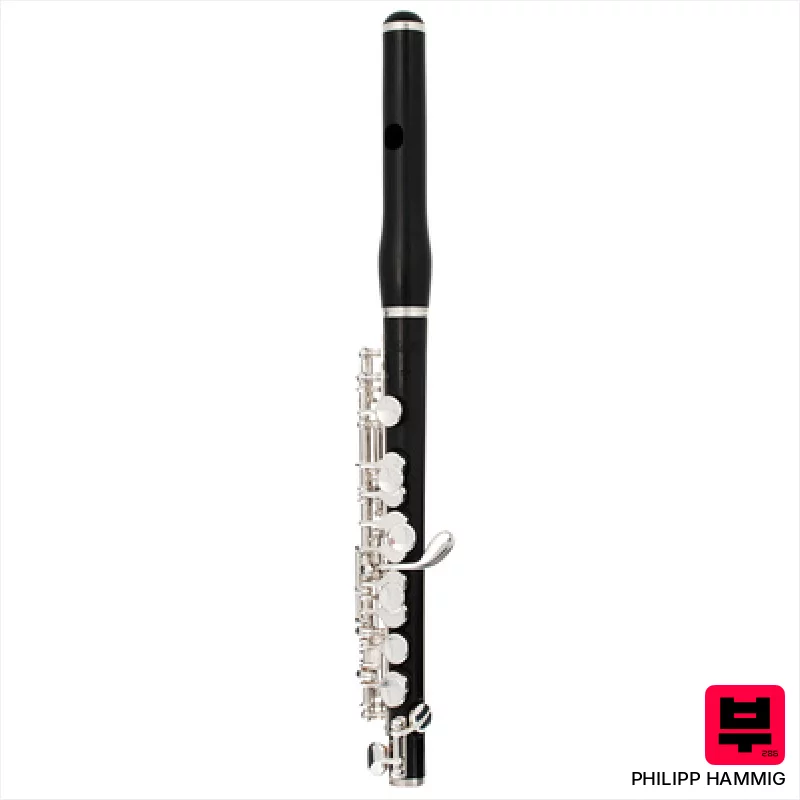
Philipp Hammig 650/2 Piccolo Flute
- • Grenadilla wood provides a warm, focused, and complex tone.
- • Smooth headjoint promotes easy response and a controlled high register.
- • Silver-plated nickel silver keys offer excellent durability and a bright, clean feel.
- • E mechanism expands the range and offers versatility for advanced players.
- • Grenadilla wood can be susceptible to cracking with extreme humidity changes.
- • The smooth headjoint may require adjustment for players accustomed to a more resistant feel.
- • Premium-priced, placing it out of reach for many student or intermediate players.
Every piccolo flutes that matches
25 models match this page. The 15 above are covered in detail; the rest are listed here with their published specifications.
| # | Model | Specifications | Price |
|---|---|---|---|
| 16 | Yamaha YPC-82 Piccolo | not published | $4,331 |
| 17 | Yamaha YPC-81 Piccolo | not published | $3,944 |
| 18 | Yamaha YPC-62R Piccolo | not published | $2,241 |
| 19 | Yamaha YPC-62 M Piccolo | not published | $2,086 |
| 20 | Yamaha YPC-62 Piccolo | not published | $1,936 |
| 21 | Pearl Flutes PFP-165E Piccolo Flute | not published | $1,912 |
| 22 | Jupiter JPC1100E Piccolo Flute | not published | $1,675 |
| 23 | Pearl Flutes PFP-105ES Piccolo Flöte | not published | $1,480 |
| 24 | Pearl Flutes PFP-105E Piccolo Flute | not published | $1,458 |
| 25 | Guo Grenaditte Piccolo Flute | not published | $1,424 |
Piccolo Flutes by the numbers
Measured across all 25 models in this category, so «wide», «short» or «expensive» mean something you can check.
How to Choose the Best Piccolo Flutes
Playability
This is king. A beginner needs an action that's comfortable and forgiving - too high, and you'll fight the instrument; too low, and you'll get squeaks and air noise. The neck profile matters too - a comfortable grip makes a world of difference when you're building finger strength.
Intonation
Seriously, a piccolo that's consistently sharp or flat is unusable. Beginners don't have the ear training to compensate, and it'll build bad habits. Look for models with a reputation for decent intonation out of the box.
Material (Headjoint vs. Body)
Most beginner piccolos have a composite body and a standard headjoint. A silver headjoint will offer a slightly richer tone, but it's not essential at this stage and usually increases the price significantly. Focus on playability first.
Key Mechanism and Response
A well-designed key mechanism allows for clean articulation - a must for playing fast passages and intricate ornamentation. The overall response should be relatively even across the range, avoiding those dead spots that plague cheaper instruments.
Durability
Let's face it, student instruments get knocked around. A sturdy construction and reliable pads are essential for surviving gigging and the general wear and tear of a beginner's learning process. Cheap plastic can crack; flimsy pads leak air.
Buying Guide
Don't chase the 'cheap' - it almost always backfires. A slightly more expensive instrument with better intonation and playability will be far more rewarding. Pay attention to pad quality - they're the first things to go. And seriously, try before you buy if possible. A piccolo's feel is incredibly personal - what works for one player might be a struggle for another.
How This List Is Built
We don't play these instruments — we're a catalog, not a review desk, and we'd rather say so than pretend otherwise. This page covers 25 piccolo flutes from the Thomann catalogue, which is the largest single source of specification data in this category: 15 in detail, the rest listed with their specifications.
Position is computed, not curated. We parse the manufacturer's own description into actual values — nut width, scale, fret count, fingerboard radius, size, alloy — and rank on them: how many specifications a model has published, how many of them are measurable numbers, and how precisely it meets this page's criterion. A product image adds a little. Price is not a ranking signal: it tells you nothing about whether a neck fits your hand. The same inputs always produce the same order, so nothing here is shuffled to look fresh.
What this list is good for: narrowing a category down to a shortlist by spec and budget. What it isn't: a substitute for hearing an instrument. Before you buy, read hands-on reviews and, where you can, play it. Full methodology.

