
Best Pedalboard Amps Under $300 2026
Alright, so you need a pedalboard amp but your wallet's looking a little thin? Been there. It's tough finding something that doesn't sound like garbage and can handle a gig, even at the lower end of the price spectrum. This list is about finding the best bang-for-your-buck pedalboard amps under $300 - we're not chasing miracles, but we are hunting for usable, reliable tone.
Last updated: April 11, 2026
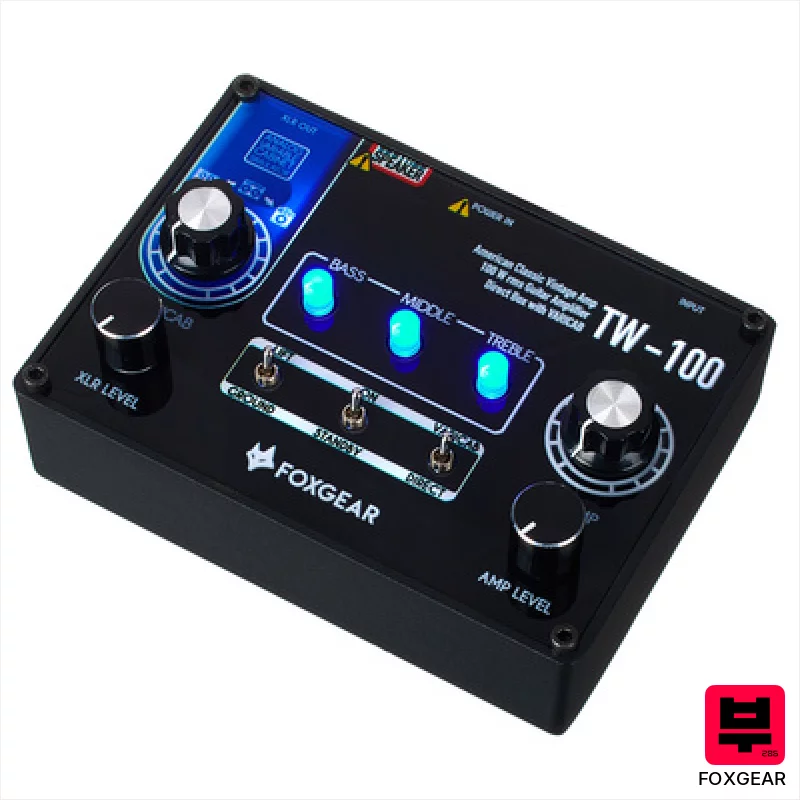
Foxgear TW-100 American Classic Clean
- • Delivers a surprisingly authentic American clean tone, very Fender-esque.
- • Compact size and weight make it exceptionally portable for a 100W amp.
- • Integrated cabinet simulation provides usable DI output for recording and live use.
- • The variable cabinet simulation allows tailoring the speaker response for different scenarios.
- • The plastic enclosure feels a bit cheap, impacting perceived build quality.
- • Limited tonal versatility beyond the clean American voicing; lacks gain stages.
- • Power supply dependency restricts operation without the included adapter.
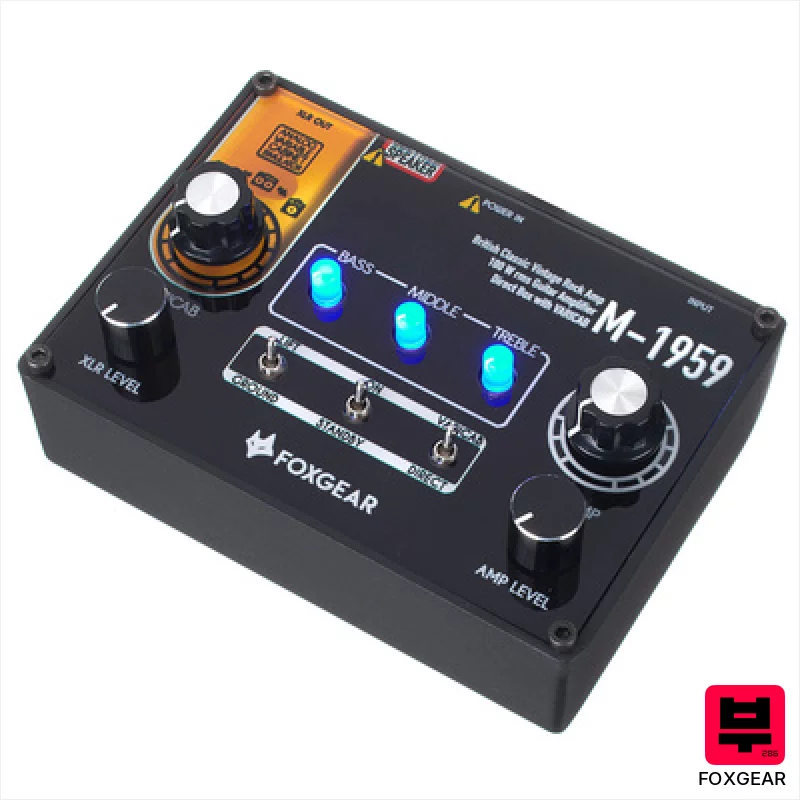
Foxgear HW-1959 British Classic Rock
- • Delivers a surprisingly authentic British amp tone for the price.
- • Compact size makes it ideal for pedalboards and small practice spaces.
- • The variable cabinet simulation offers decent tonal shaping flexibility.
- • Direct XLR output is genuinely useful for recording and live applications.
- • Build quality feels a little plasticky, not quite road-ready.
- • 100W rating is likely peak; sustained volume limited by size.
- • EQ section is basic; lacks nuanced tonal control.
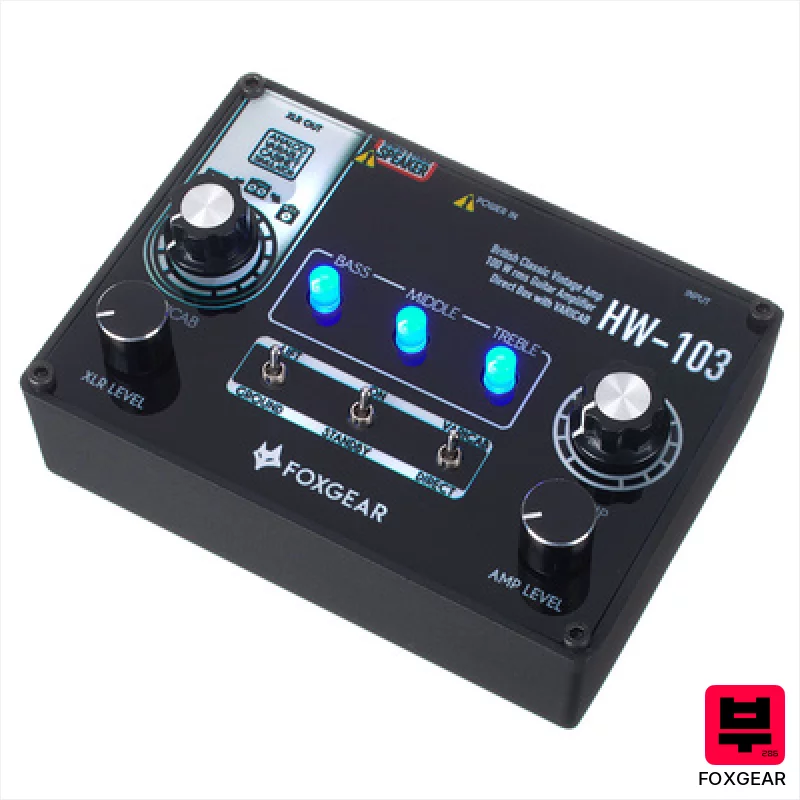
Foxgear HW-103 British Clean Pedal
- • Authentic British clean tone, surprisingly articulate and dynamic
- • Compact floor format is ideal for small spaces and pedalboards
- • Built-in cabinet simulation provides usable DI output for recording
- • Solid construction feels durable for gigging, despite the size
- • 100W output might be limited for very loud stage environments
- • Tone shaping is somewhat basic; lacks advanced EQ options
- • Speaker output jack lacks speaker protection circuitry – be careful
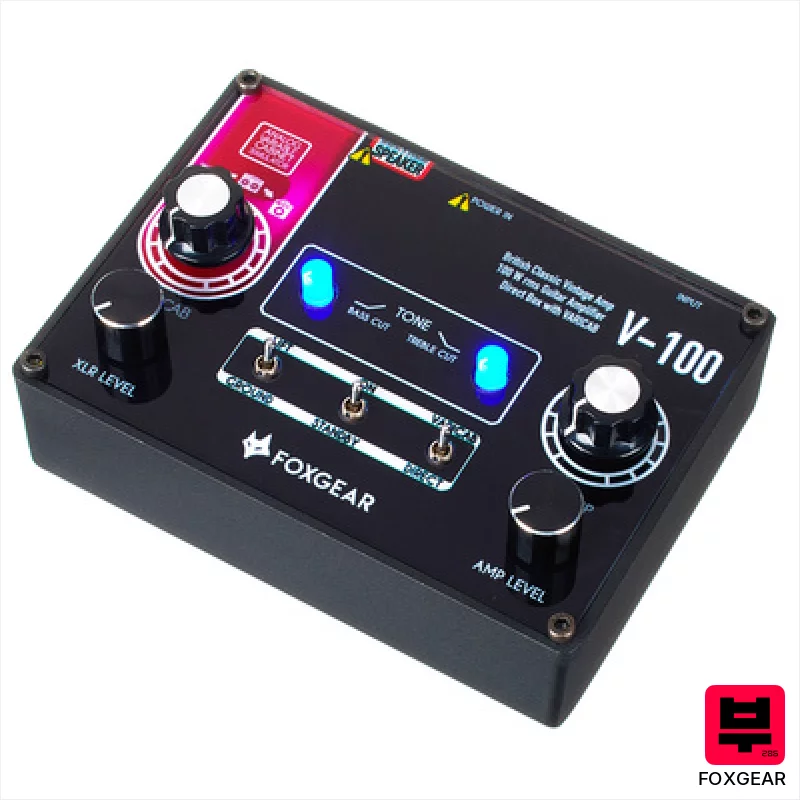
Foxgear V-100 British Classic
- • Delivers a surprisingly authentic British amp voicing for its size and price.
- • The variable cabinet simulation offers decent tonal shaping without external speakers.
- • Compact and lightweight design makes it ideal for pedalboard integration and travel.
- • Balanced XLR DI output provides clean, usable signal for recording and live use.
- • 100W output is more suited for practice and smaller gigs; lacks headroom for loud stages.
- • Plastic enclosure feels a little budget-oriented; lacks the robustness of metal alternatives.
- • EQ controls are basic; limited tonal sculpting beyond the core British sound.
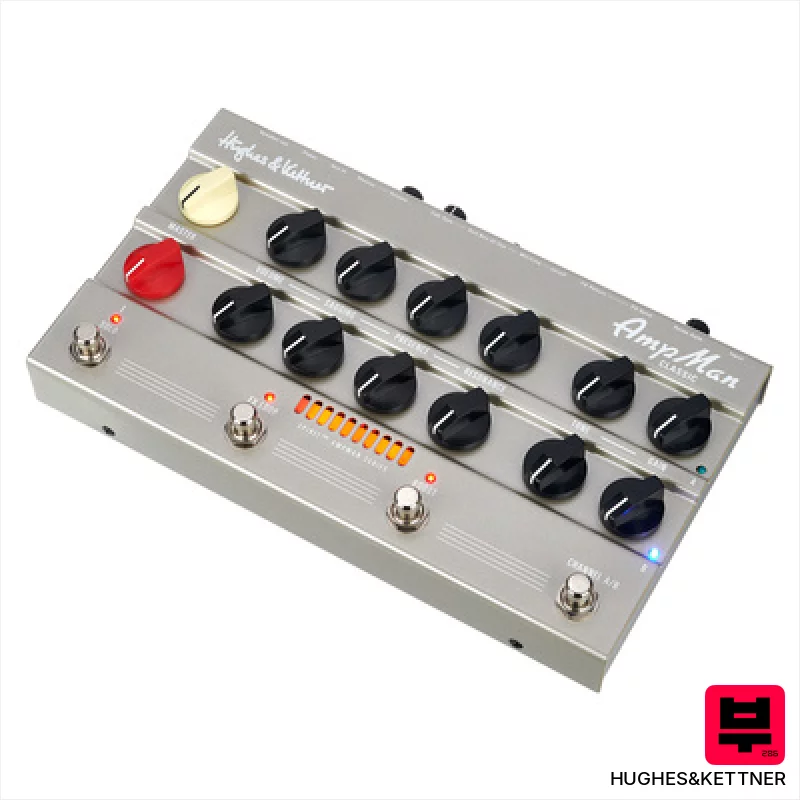
Hughes&Kettner Spirit AmpMan Classic
- • Spirit Tone Generator delivers surprisingly authentic vintage amp tones
- • Red Box AE+ provides excellent speaker emulations for recording or direct use
- • Independent channels offer versatility for clean and distorted sounds
- • Compact size and headphone output suit practice and quiet recording
- • Build quality feels a little plasticky given the feature set
- • Limited wattage might struggle for louder band rehearsals or gigs
- • Tone shaping options, while decent, aren't as extensive as a full-sized amp

Hughes&Kettner Spirit AmpMan Modern
- • Spirit Tone Generator delivers surprisingly authentic amp tones for its size
- • Dual channels offer excellent versatility, from clean blues to modern high-gain
- • Integrated RED BOX AE+ provides convenient recording options with diverse speaker emulations
- • IDB noise gate effectively tames high-gain sounds without overly squashing dynamics
- • Physical size might be limiting for some pedalboard configurations
- • While versatile, channel sculpting lacks the depth of a full-sized amp
- • Build quality feels adequate for the price point, but not premium
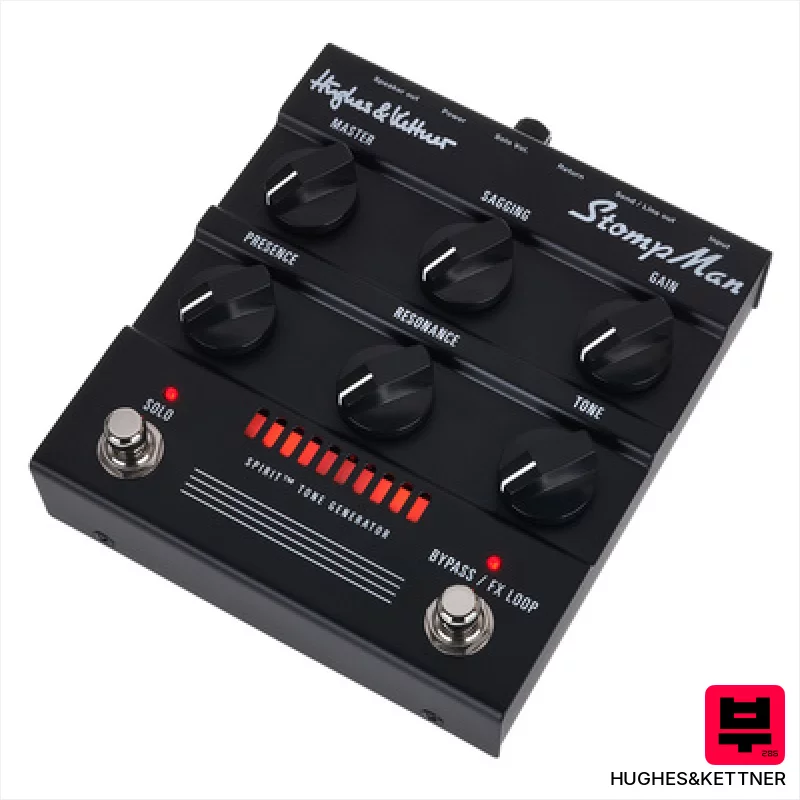
Hughes&Kettner StompMan
- • Analog Spirit Tone Generator delivers surprisingly warm, responsive tones.
- • Compact size makes it ideal for pedalboard integration and travel.
- • Adjustable 'Sagging' control adds dynamic response and feel.
- • Serial FX loop allows for easy integration of external effects.
- • Limited to a single channel, restricting tonal versatility.
- • Lacks a speaker output, requiring an external speaker or cabinet.
- • Small size means fewer physical controls, potentially less intuitive.
How to Choose the Best Pedalboard Amps
Clean Headroom
Pedalboard amps are small, so headroom is always a challenge. We're looking for something that stays relatively clean at lower volumes but can get to usable breakup without sounding fizzy or brittle.
Speaker Quality
This is huge. A cheap speaker will ruin even a decent amp. We're listening for clarity, articulation, and whether the speaker adds any unwanted color or muddiness.
EQ Flexibility
A usable EQ section is essential for dialing in a good sound in different environments. We want more than just basic bass, mid, and treble - a presence control or a mid-sweep is a serious plus.
Connectivity
Aux input for backing tracks? Headphone out for silent practice? Multiple speaker outputs for expansion? These small details make a big difference in versatility.
Build Quality & Reliability
Pedalboard gear gets abused. We're looking for something that feels solid and isn't going to fall apart after a few gigs. Cheap components often mean early failure.
Buying Guide
Let's be realistic: under $300, you're making compromises. Don't expect a boutique amp's tone or build quality. The biggest trade-off is usually speaker quality; that's where you'll hear the most noticeable difference. Focus on finding something with a decent EQ section and solid connectivity - those features will give you the most flexibility to shape your sound and adapt to different situations. And for the love of all that is holy, check the reviews for reliability - a dead amp is useless, no matter how good it sounds when it's working.
How This List Is Built
We don't play these instruments — we're a catalog, not a review desk, and we'd rather say so than pretend otherwise. This page ranks 7 pedalboard amps from the Thomann catalogue, which is the largest single source of specification data in this category.
Position is computed, not curated. Four signals, in order of weight: how completely the manufacturer documents the instrument (number of published specifications), where it sits in the price range, how specific the model designation is — which filters out generic accessories — and whether a product image exists. The same inputs always produce the same order, so nothing here is shuffled to look fresh.
What this list is good for: narrowing a category down to a shortlist by spec and budget. What it isn't: a substitute for hearing an instrument. Before you buy, read hands-on reviews and, where you can, play it. Full methodology.

