AudioFu Chart · October 2026
Best Other Saxophones for Advanced 2026
The top pick is Thomann TBB-150S Bass Saxophone ($3,930). Emeo MK1 Digital Sax Black Nickel gives you the most for the money at $2,020. Selmer SE-SO2L Sopranino Sax leads the high end. Ranked by the AudioFu Index from 27 models across 6 brands, prices checked every night.
Last updated: October 22, 2026
Top 10
Full detail for the 10 highest AudioFu Index scores. Every other model is listed below.
-
- Weight8.6 kg
The Thomann TBB-150S is a surprisingly capable entry into the world of baritone saxophones. The brass body delivers a rich, full sound that's perfect for jazz ensembles, orchestral work, or adding a serious low-end thump to your sound. It's a solid instrument for students and semi-pros looking for a premium-priced, playable bass sax.
Pros
- Solid brass construction provides a warm, resonant low-end tone.
- Adjustable thumb rest offers improved ergonomics and comfort for extended playing.
- Silver-plated finish enhances brilliance and protects against tarnish.
Cons
- The 8.6 kg weight makes it challenging for less experienced or smaller players.
- Limited keywork (Low Bb to High F#) restricts high-register capabilities.
63AudioFu
IndexStableno change since Aug 17Aug 17$3,930 now$3,930€3,498 at Thomann · in stockCheck price ↗ -
Rampone & Cazzani R1 Jazz Eb-Sopranino straight
Not on Reverb yet3 finishes at Thomann
This Italian sax plays very straight and stays in tune well. It has no lacquer so it vibrates nicely, but you can't change the mouthpiece on it. The hand-hammered build gives it a warm sound.
Pros
- Hand-hammered for unique tone character
- No lacquer for better vibration
- Very stable intonation performance
Cons
- No removable mouthpiece receiver
- Silver plating may wear faster
42AudioFu
IndexStableno change since Aug 17Aug 17$7,189 now$7,189€6,399 at Thomann · in stockCheck price ↗ -
This Selmer Sopranino comes ready to play with its matching mouthpiece and fast keys. The lacquer finish gives it a classic look and smooth sound. It suits advanced players who want a compact, straight design.
Pros
- Handmade anniversary engraving adds special character
- Lacquer finish provides a smooth, warm tone
- Super Action 80 II Series offers fast response
Cons
- High F# key may complicate some players
- No weight information is provided in description
38AudioFu
IndexStableno change since Aug 17Aug 17$14,377 now$14,377€12,798 at Thomann · in stockCheck price ↗ -
The SA80/II is Selmer's flagship bass sax—it’s a serious instrument for the dedicated professional. The build is impeccable, and the tone is genuinely impressive, offering a rich, full sound that's perfect for orchestral work, jazz, and experimental music. It's an investment, but if you need that authentic Selmer bass sax sound, this is it.
Pros
- Exceptional Selmer build quality, robust and reliable for stage and studio.
- Gold lacquer finish provides a warm, resonant, and focused tone.
- High F# key expands range and offers unique tonal possibilities.
Cons
- The sheer size and weight demand significant physical strength and stamina.
- Bass saxophones are inherently less versatile than their smaller counterparts.
33AudioFu
IndexStableno change since Aug 17Aug 17$32,352 now$32,352€28,798 at Thomann · in stockCheck price ↗ -
- Weight1.7 kg
This digital sax feels like a real instrument but packs twenty sounds inside. It works alone or connects to your computer via Bluetooth or USB-C. Great for beginners who want a vintage look without carrying a full brass sax. The battery life is short, and the Android support is limited. Still, the light weight and durable build make it easy to move around.
Pros
- Authentic saxophone mechanism for real feel
- 20 built-in sounds in one device
- Plays standalone without a computer
Cons
- Battery lasts only about 6 hours
- Respiro Lite licence fails on Android
50AudioFu
IndexStableno change since Aug 17Aug 17$2,245 now$2,245€1,998 at Thomann · in stockCheck price ↗ -
- Weight1.7 kg
This digital sax feels real thanks to genuine springs and pads. It plays twenty different sounds controlled by your breath. The black nickel finish looks professional and it weighs just under two kilos. It works well with your computer via USB but forgets Android phones. Great for students needing a quiet practice tool.
Pros
- Authentic springs and pads give a true playing feel
- Built-in sound module offers 20 distinct sounds
- Breath control sensor reacts to air pressure level
Cons
- Battery life lasts only about 6 hours
- Licence does not work on Android devices
50AudioFu
IndexStableno change since Aug 17Aug 17$2,245 now$2,245€1,998 at Thomann · in stockCheck price ↗ -
- Weight1.7 kg
This instrument feels real because it uses actual saxophone springs and pads. It plays twenty different sounds directly without needing a computer. The air pressure sensor makes your breath control the volume. It is a great option for beginners or those wanting a portable practice tool.
Pros
- Authentic springs and pads give a true playing feel
- Standalone instrument with built-in 20 distinct sound modules
- Breath control sensor responds to air pressure levels
Cons
- Does not function with Android operating systems
- Missing specific material specifications in description
50AudioFu
IndexStableno change since Aug 17Aug 17$2,245 now$2,245€1,998 at Thomann · in stockCheck price ↗ -
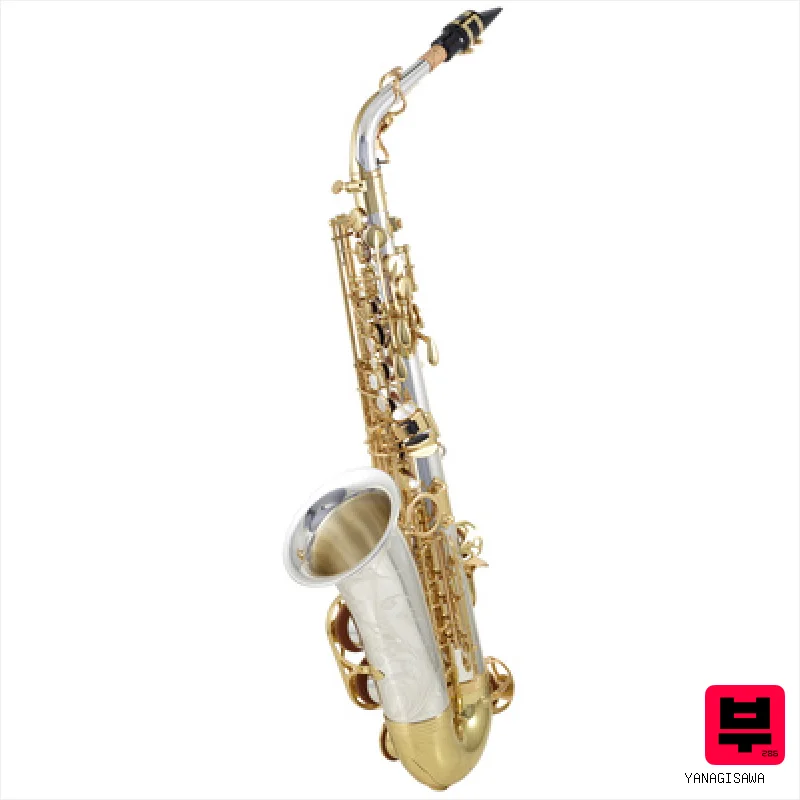
The SN-981 is Yanagisawa’s top-tier sopranino, and it shows. The refined brass body delivers a uniquely vocal tone, and the keywork is simply superb—it’s responsive and feels incredibly natural. This is for the serious saxophonist looking for a premium instrument with exceptional projection and a truly professional feel.
Pros
- Refined brass construction yields a remarkably warm, complex tone.
- High E key significantly expands the instrument's upper register accessibility.
- Yanagisawa’s renowned keywork provides exceptional smoothness and precision.
Cons
- Sopranino saxophones are inherently challenging to master, requiring considerable embouchure control.
- The instrument's size and weight can be fatiguing for extended playing sessions.
31AudioFu
IndexStableno change since Aug 17Aug 17$3,987 now$3,987€3,549 at Thomann · in stockCheck price ↗ -
This Thomann TSI Custom Line Sopranino is a surprisingly capable instrument, offering a good foundation for exploring the unique world of the sopranino. It's a great starting point for serious students or experienced saxophonists looking to add this niche voice to their arsenal, delivering a warm and expressive tone without the premium-priced tag of some established brands.
Pros
- Solid brass construction yields a warm, resonant, and focused tone.
- Gold lacquer finish provides excellent protection and a professional aesthetic.
- Custom Line keywork offers surprisingly smooth and responsive action for the price point.
Cons
- Sopranino saxophones are inherently challenging to play in tune; requires skilled embouchure.
- The instrument's smaller size and weight can feel unwieldy for some players.
36AudioFu
IndexStableno change since Aug 17Aug 17$2,132 now$2,132€1,898 at Thomann · in stockCheck price ↗ -
- Weight1.7 kg
The Emeo is a really interesting proposition for sax players looking to explore digital sounds without completely abandoning the feel of a traditional instrument. It's surprisingly well-built with a solid mechanism, and the software integration is a big draw for recording artists. It’s a great option for those wanting a versatile practice tool or a unique stage presence, but don't expect it to perfectly replicate the raw character of an acoustic horn.
Pros
- Black nickel finish provides a premium aesthetic and resists fingerprints well.
- The 'authentic' saxophone mechanism offers familiar keywork for traditional players.
- Bluetooth and USB-C connectivity allow for seamless DAW integration and recording.
Cons
- The Respiro Lite software limitation excludes Android users, a significant restriction.
- At 1.7kg, it's noticeably heavier than a typical alto sax, impacting portability.
59AudioFu
IndexStableno change since Aug 17Aug 17$2,020 now$2,020€1,798 at Thomann · in stockCheck price ↗
All 27 other saxophones
Same index, same nightly prices — compact. Colour options of one model share a row. Tap a photo to zoom.
- 11
Nuvo jSAX Saxophone white-green 2.0Nuvo42↓ 8.1%$102€91$102€91Check ↗
- 12
Nuvo jSAX Saxophone white-pink 2.0Nuvo41↓ 6.1%$103€92$103€92Check ↗
- 13
Thomann CMS-600 L C- Melody SaxThomann · 2 finishes41Stable$1,009€898$1,009€898Check ↗
- 14
Nuvo Mouthpiece for jSax 2.0 blackNuvo38Stable$25€22$25€22Check ↗
- 15
Nuvo Mouthpiece for jSax 2.0 w-pNuvo38Stable$25€22$25€22Check ↗
- 16
Nuvo Mouthpiece for jSax 2.0 w-gNuvo38Stable$25€22$25€22Check ↗
- 17
Nuvo Mouthpiece for jSax 2.0 w-bNuvo38Stable$25€22$25€22Check ↗
- 18
Nuvo jSAX Saxophone black-pink 2.0Nuvo38Stable$94€84$94€84Check ↗
- 19
Nuvo jSAX Saxophone black-green 2.0Nuvo38Stable$100€89$100€89Check ↗
- 20
Nuvo jSAX Saxophone black-blue 2.0Nuvo38Stable$103€92$103€92Check ↗
- 21
Nuvo jSAX Saxophone white-blue 2.0Nuvo38Stable$104€93$104€93Check ↗
- 22
Nuvo jSAX Saxophone black 2.0Nuvo37↑ 2.1%$110€98$110€98Check ↗
- 23
Thomann Piccolino Kids Saxophone in BbThomann36Stable$313€279$313€279Check ↗
- 24
Thomann TSI-350 Sopranino SaxophoneThomann36Stable$617€549$617€549Check ↗
- 25
Nuvo Kit Straighten Your jSax w/gNuvo · 2 finishes26Stable$20€18$20€18Check ↗
- 26
Nuvo Kit Straighten Your jSax w/pNuvo23Stable$20€18$20€18Check ↗
- 27
Nuvo Kit Straighten Your jSax blackNuvo23Stable$20€18$20€18Check ↗
Other Saxophones by the numbers
Measured across all 37 models we track, not a sample.
Median $1,066 — half of all other saxophones here cost less.
median of 9 models · 1.7 kg–8.6 kg
How to choose the best other saxophones
Response & Articulation
Advanced players need immediate, nuanced response across the range. Sloppy action or a sluggish reed response will kill your phrasing and make complex passages feel like a fight. It's not just about notes; it's about the way those notes are produced.
Timbral Palette
Forget 'bright' or 'dark' - we're talking about the subtle shifts in overtone series. Can you coax a fat midrange honk out of it? Can you get a breathy whisper or a screaming edge? A wider palette gives you more expressive options.
Ergonomics & Neck Profile
Comfort matters, especially during long gigs. An awkward neck profile or poor key placement can lead to fatigue and limit your dexterity. Consider the overall balance and how it sits in your hands.
Intonation & Adjustment
A horn that's consistently sharp or flat across the range is a nightmare. Advanced players need a horn that can be tweaked and adjusted - a responsive neck, adjustable baffle, and ease of pad seating are critical.
Headroom & Breakup
Can the horn handle the dynamics of a live performance without completely falling apart? A good horn will offer headroom for expressive playing and a controlled breakup when pushed, rather than just a harsh, unpleasant squeal.
Buying guide
Okay, so you're not just blowing scales anymore. You're chasing that elusive blend of growl and clarity, pushing your phrasing, and really digging into the nuances of your tone. The standard alto or tenor just isn't cutting it anymore. This isn't about a beginner horn; it's about finding a saxophone that can actually respond to the demands of a serious player - something that lets you dial in the exact character you're after, whether it's a smoky baritone vibe or a searing soprano edge.
Don't chase the 'rare' or 'vintage' just for bragging rights. Many older horns need significant work to play reliably. While a Selmer Mark VI is the gold standard, be prepared to pay a premium and potentially for extensive repairs.
Look for horns with adjustable features - a good neck profile, a responsive baffle, and pads that can be easily replaced. Be wary of horns that promise 'vintage tone' at a fraction of the price; they almost always cut corners somewhere, usually in the metal quality or key mechanism.
How the AudioFu Index works
Five measured signals and nothing else — no stars from strangers, no “tested by experts” we didn’t do. The weights are fixed and public. We don’t play these instruments; we measure the market around them.
This chart covers 37 other saxophones from the Thomann catalogue. Before you buy, read hands-on reviews and, where you can, play it. Full methodology.
AudioFu earns a commission when you buy through our Thomann links. It never changes the order — the index does.
- Demand40%
How many of this exact model are for sale on Reverb right now — what musicians actually buy and resell.
- Lineup20%
How many finishes Thomann stocks — makers expand the models that sell.
- Price15%
Where the price has moved since we started tracking in August.
- Specs15%
How completely the maker documents it.
- Maker10%
How deep the brand’s range is in this category.
Questions
I've heard Selmer Series III horns are a good alternative to a Mark VI. Are they really that different?
They're closer than a Mark VI and a modern horn, but the Series III has a slightly more modern feel - a bit more resistance and a brighter edge. They can be a fantastic value if you find a well-maintained one, but don't expect the same effortless response as a Mark VI.
What about Yamaha Custom Z saxophones? Are they worth the hype?
Yamaha Custom Z horns are exceptionally well-made and consistent, but they tend to be a bit 'clean' - lacking that raw, unpredictable character some players crave. They're excellent for recording where a controlled, professional tone is needed, but might feel a bit sterile for gritty blues or jazz.
I'm considering a baritone saxophone. What should I look for?
Baris are beasts. Pay close attention to the low-end thump and how it projects. They require a lot of air support, so make sure the action isn't too high, and the horn feels balanced. A good baritone shouldn't just be loud; it should be authoritative.
What's the deal with saxophone pickups? Do I need one?
Pickups aren't just for stage volume; they fundamentally alter the tone. A good pickup can capture the nuances of your playing, but a bad one will sound brittle and artificial. Experiment with different pickup voicings to find one that complements your horn and playing style.
I'm having trouble cutting through the mix with my current horn. What can I do?
It's rarely just the horn. Check your embouchure, reed strength, and microphone placement. However, a horn with a more projecting tone and a responsive baffle will definitely help. Consider a horn with a slightly brighter, more focused sound.