
Best Multitrack Compact Studios for Mobile Studio 2026
So, you're chasing the mobile studio dream - ditching the studio lease and capturing gigs, rehearsals, and inspiration wherever you go. It's awesome, but slapping a mic on a PA and hoping for the best just won't cut it. A good multitrack compact studio is your secret weapon, letting you dial in a decent signal-to-noise ratio and capture performances with some nuance. Let's break down what actually works for the gigging musician.
Last updated: July 15, 2026 • Next update: July 22, 2026
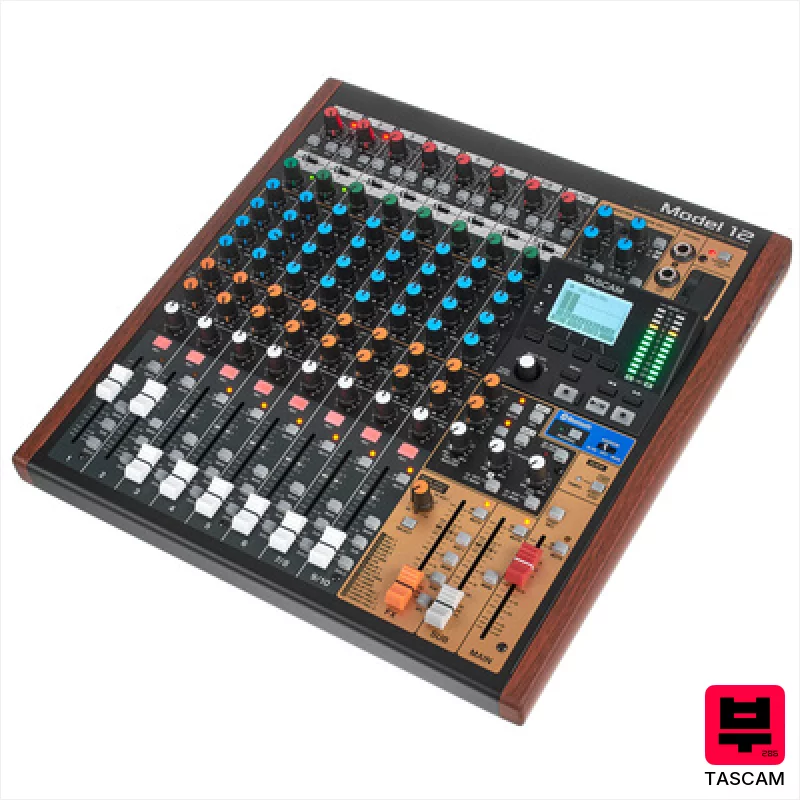
Tascam Model 12
- • Excellent preamps deliver clean, usable gain for dynamic sources
- • Compact footprint belies its 12-track recording capability
- • Intuitive one-button compressor simplifies gain staging for beginners
- • Built-in effects processor adds creative flexibility without external gear
- • Limited routing options compared to dedicated mixing consoles
- • SD card reliance can be a point of failure, consider redundancy
- • Lack of dedicated monitor outputs restricts advanced headphone setups
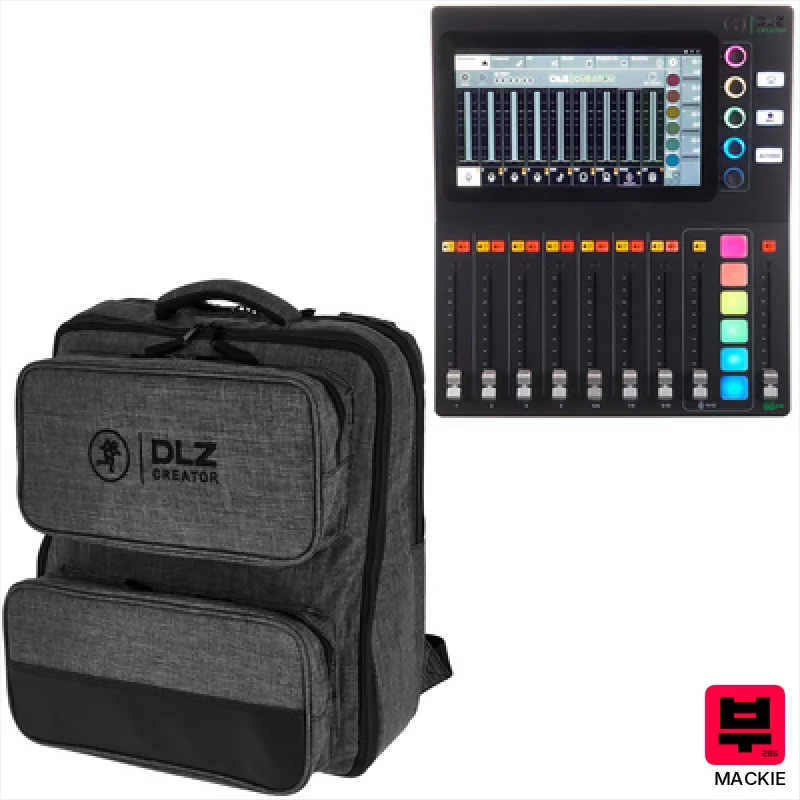
Mackie DLZ Creator Bag Bundle
- • Onyx preamps deliver surprisingly clean, low-noise recording capabilities.
- • Intuitive touchscreen interface streamlines workflow for quick adjustments.
- • Smart knobs offer flexible control over multiple parameters simultaneously.
- • Integrated Bluetooth 5.0 simplifies mobile device connection and streaming.
- • Limited track count might restrict complex, layered recording projects.
- • Storage media (SD card/USB) is not included, adding to the overall cost.
- • The Creator Bag, while functional, feels a bit basic for the premium price.
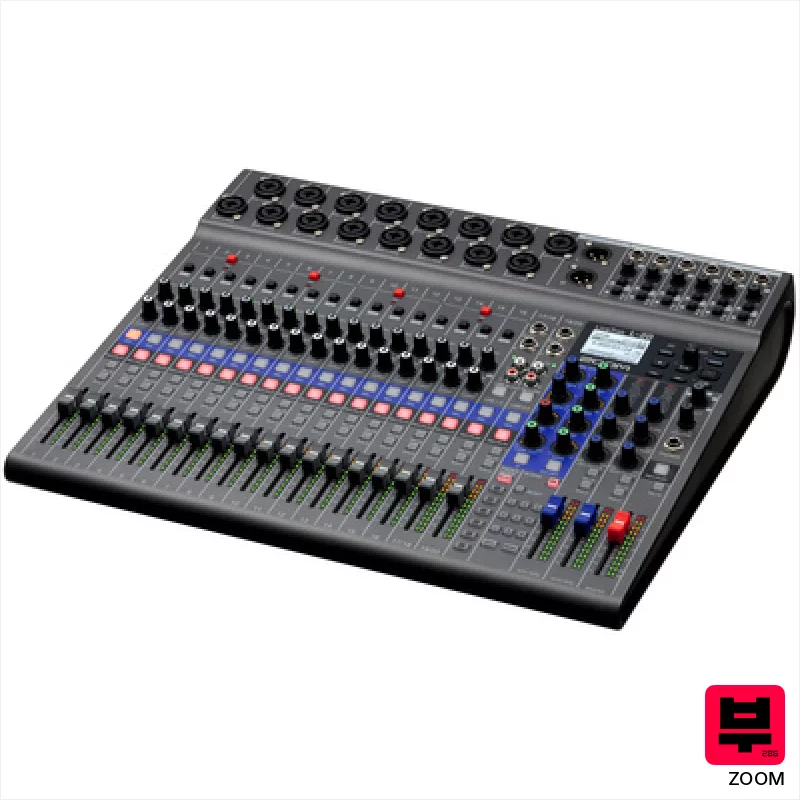
Zoom LiveTrak L-20
- • 22-track simultaneous recording provides immense flexibility for complex projects
- • Individual channel compressors offer surprisingly effective gain control on the fly
- • Hi-Z connectors on channels 1 & 2 are genuinely useful for direct instruments
- • The memory function for mixer scenes streamlines live recording workflows
- • Build quality feels plasticky for a device in this price bracket – not rock-solid
- • The single-knob compressor is limiting for nuanced dynamic control
- • Workflow can be a bit clunky initially, requiring a learning curve
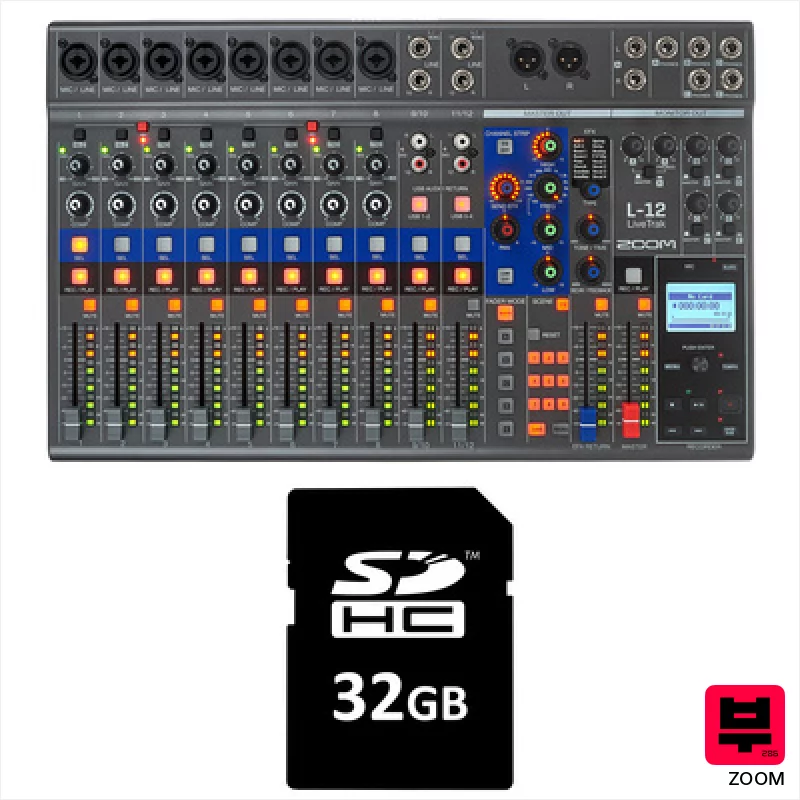
Zoom LiveTrak L-12 Card Bundle
- • 12 discrete channels offer flexible recording options for complex setups
- • Phantom power on XLR inputs supports condenser mics directly
- • Integrated compressor simplifies vocal and instrument tracking
- • Multiple headphone outputs cater to band rehearsals and podcasting
- • The preamps, while usable, won't rival high-end studio gear
- • Menu navigation can feel slightly clunky and less intuitive
- • The plastic chassis feels less robust than a dedicated rackmount unit
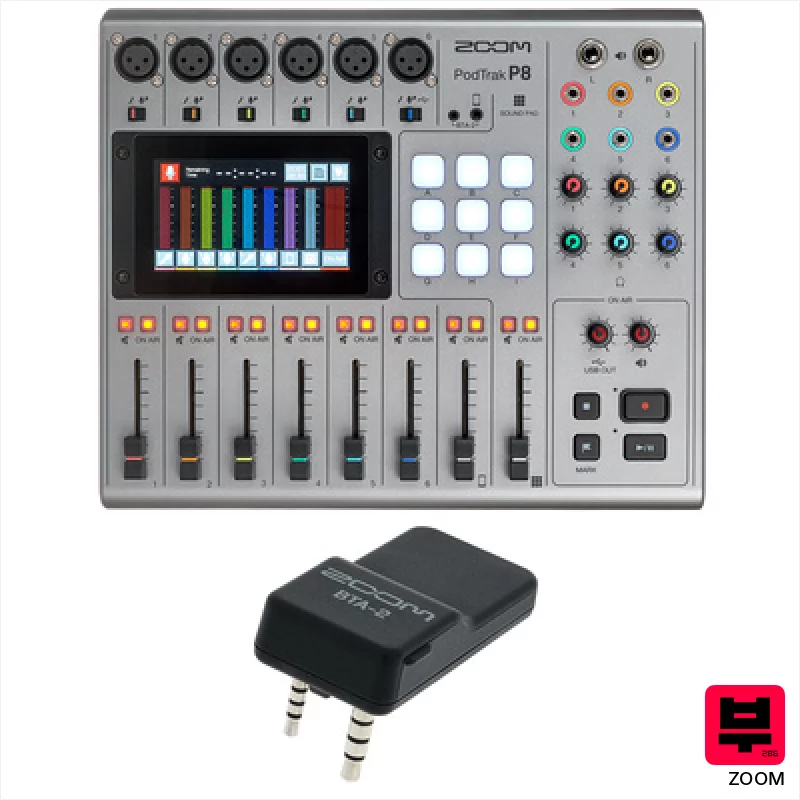
Zoom PodTrak P8 BTA-2 Bundle
- • Six XLR inputs offer professional mic connectivity and flexibility.
- • Individual headphone mixes are a huge boon for multi-host podcasts.
- • Mix-minus functionality significantly simplifies remote interview recording.
- • Assignable sound pads add a layer of production flair and immediacy.
- • The LCD screen, while color, isn't the brightest in low-light environments.
- • Workflow can feel a little clunky compared to dedicated DAW software.
- • Limited effects processing compared to full-fledged recording interfaces.
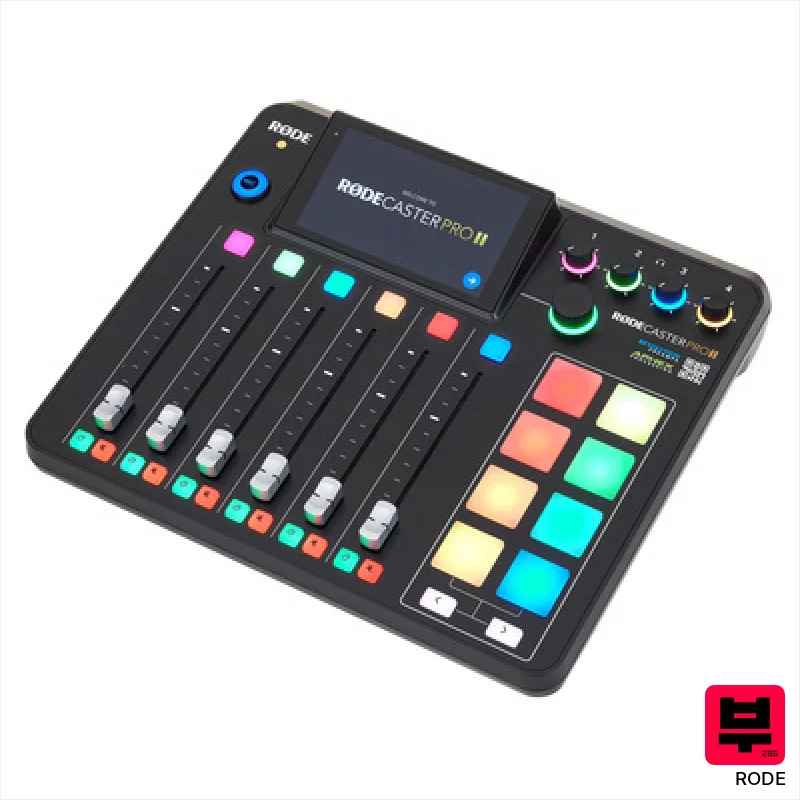
Rode Rodecaster Pro II
- • Revolution preamps deliver exceptionally clean gain with minimal noise floor.
- • Smart pads offer incredible flexibility for triggering samples and complex workflows.
- • Dual USB interface simplifies multi-platform recording and collaboration workflows.
- • Bluetooth connectivity provides seamless integration for remote guests and monitoring.
- • The unit's physical footprint is substantial; desk space is a consideration.
- • The learning curve for advanced features like vision switching can be steep.
- • Limited onboard effects compared to dedicated DAW plugin suites.
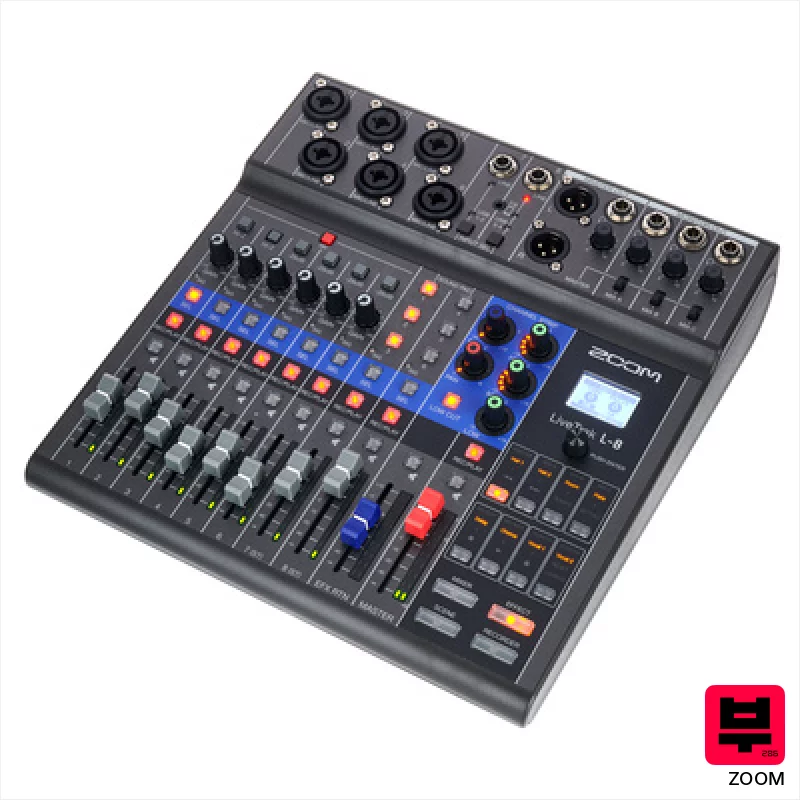
Zoom LiveTrak L-8
- • Flexible combo jacks handle mics, instruments, and line signals
- • Mix-minus functionality is genuinely useful for remote interviews
- • Assignable sound pads streamline podcast production workflow
- • Solid build quality; feels robust for its compact size
- • Limited dynamic range compared to dedicated studio interfaces
- • Phantom power can be noisy with lower-quality microphones
- • Channel 7/8 line-in jacks are a bit cramped and awkward
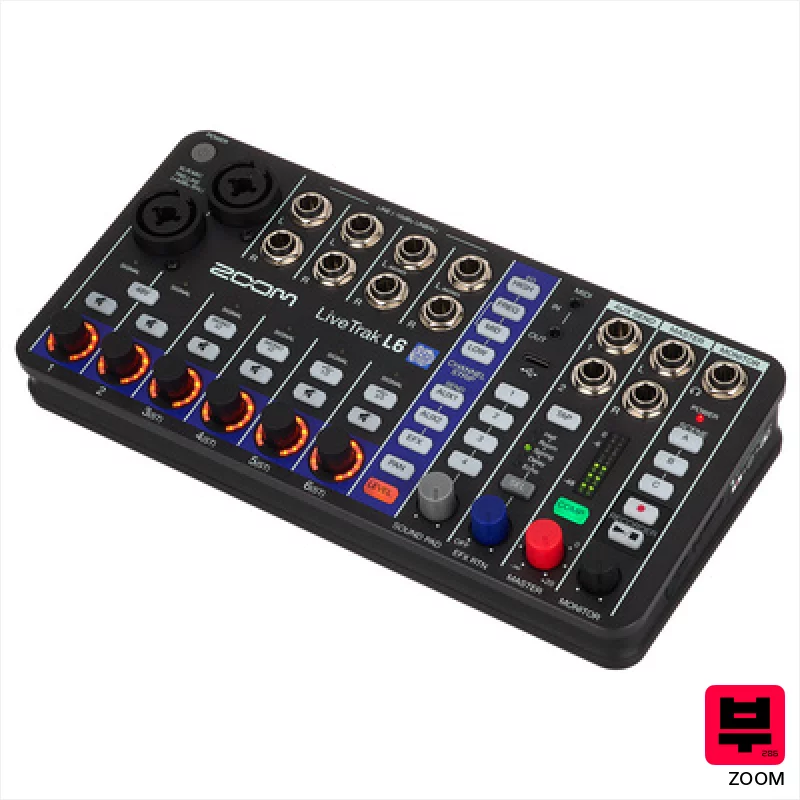
Zoom LiveTrak L-6
- • Flexible I/O caters to diverse recording setups, from podcasting to band tracking.
- • 32-bit float recording offers incredible dynamic range and headroom.
- • Sound pads provide creative looping capabilities for live performance or production.
- • Compact size and battery power offer portability for location recording.
- • Limited EQ control compared to dedicated mixing consoles.
- • Build quality feels plasticky; not as robust as higher-end rack units.
- • Phantom power delivery may be insufficient for some high-powered microphones.
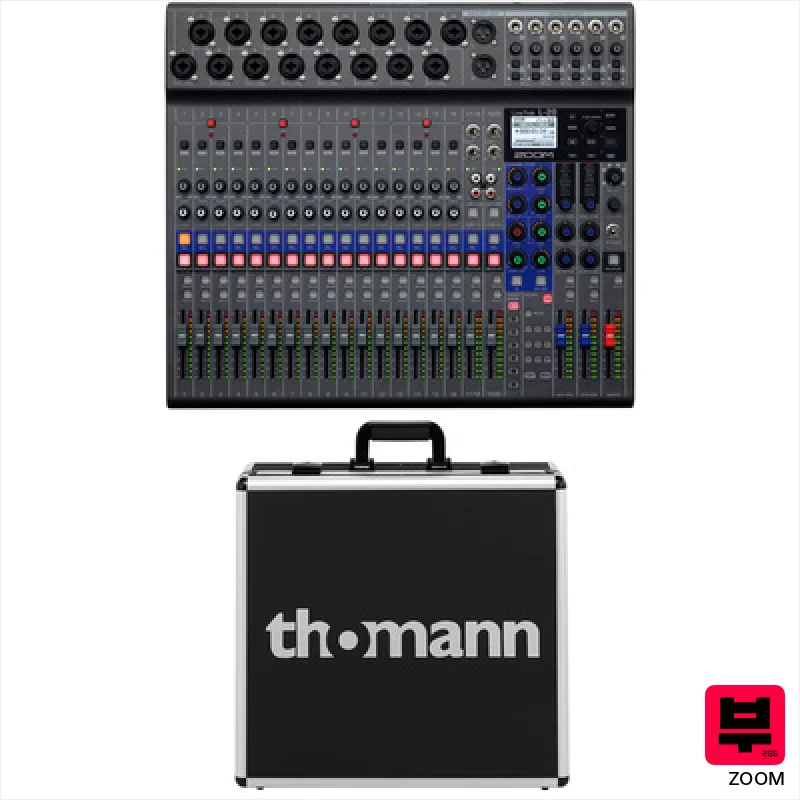
Zoom LiveTrak L-20 Case Bundle
- • Excellent channel count for complex podcasting/interview setups.
- • The included case provides robust protection for transport.
- • Intuitive single-knob compression simplifies gain staging.
- • Hi-Z connectors on channels 1 & 2 offer flexibility for instruments.
- • Limited dynamic range compared to dedicated studio consoles.
- • The single-knob compressor lacks nuanced control for advanced users.
- • Phantom power can be noisy with certain microphones and cables.

Rode Podcast und Streamer Bundle
- • Revolution preamps deliver exceptionally clean gain for dynamic vocal sources.
- • Smart Pads offer unparalleled workflow flexibility for complex productions.
- • Dual USB interface simplifies multi-platform recording and streaming setups.
- • Bluetooth connectivity provides convenient wireless monitoring for collaborators.
- • The learning curve can be steep for users unfamiliar with mixing consoles.
- • Size and weight make portability somewhat limited for mobile creators.
- • Price point positions it as a premium investment for serious content creators.

Tascam DP-24 SD
- • 19 faders provide intuitive, tactile control over tracks.
- • Built-in effects offer a surprising level of polish for a compact recorder.
- • Virtual tracks simplify comping and alternate takes – a huge time saver.
- • Compact form factor enables portable recording anywhere.
- • Limited connectivity compared to full-fledged DAW setups.
- • SD card reliance can be a point of failure; invest in quality cards.
- • Dynamic effects are decent, but not a replacement for dedicated plugins.
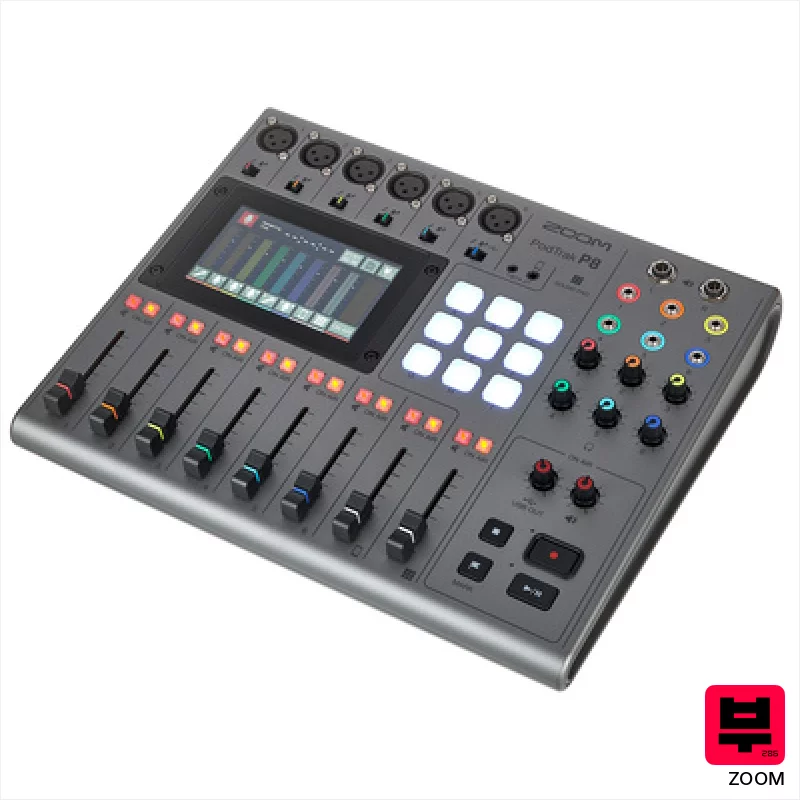
Zoom PodTrak P8
- • Six XLR inputs offer flexible mic configurations for complex setups
- • Independent headphone mixes reduce latency and improve workflow for guests
- • Mix-minus functionality is genuinely effective for remote interviews
- • Assignable sound pads add creative flair and production shortcuts
- • Build quality feels a little plasticky for the price point
- • Limited editing capabilities compared to full DAW software
- • Requires external Bluetooth adapter for phone interview integration
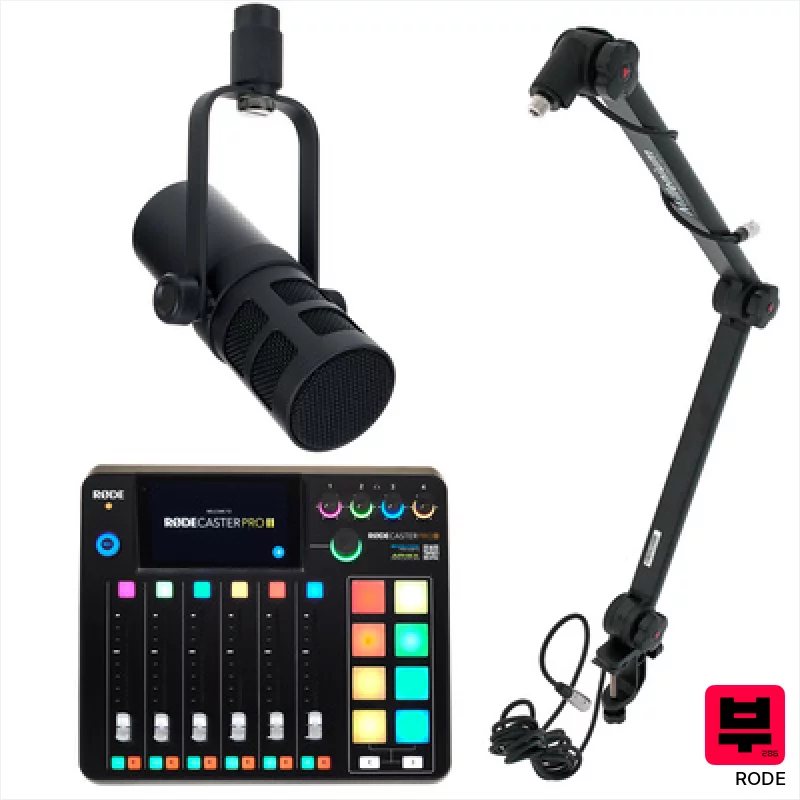
Rode Rodecaster Pro II Mic Bundle1
- • Revolution preamps deliver exceptionally clean gain with minimal noise floor.
- • SMART pads offer incredible flexibility for triggering complex audio sequences.
- • Dual USB interface simplifies multi-platform recording and streaming workflows.
- • Bluetooth connectivity allows for easy remote monitoring and guest call-ins.
- • The learning curve is steep for users unfamiliar with digital mixing consoles.
- • Physical footprint is relatively large, demanding significant desk space.
- • Limited expandability; future upgrades might be constrained by the hardware.
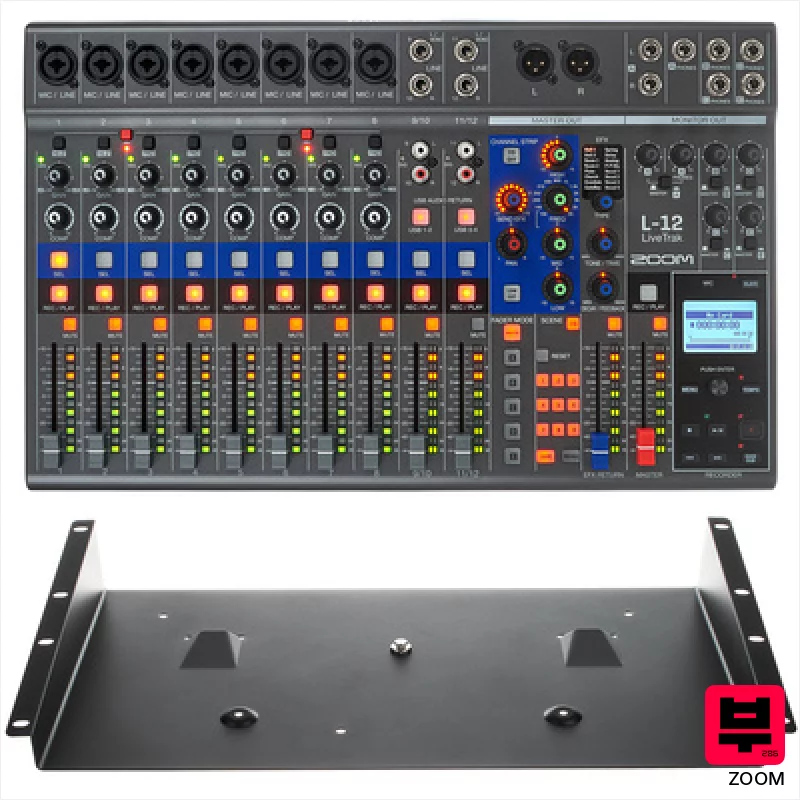
Zoom LiveTrak L-12 Rack-Kit Bundle
- • 12 discrete channels offer incredible routing flexibility for complex setups
- • Phantom power on the first 8 channels supports condenser mics directly
- • Integrated compressor on channels 1-8 simplifies gain staging and dynamics
- • Rack-mountable design improves stability and integration in studio environments
- • The preamps, while decent, won’t rival high-end dedicated units
- • Menu navigation can feel a bit clunky compared to more modern interfaces
- • The bundled software might feel limiting for experienced post-production workflows
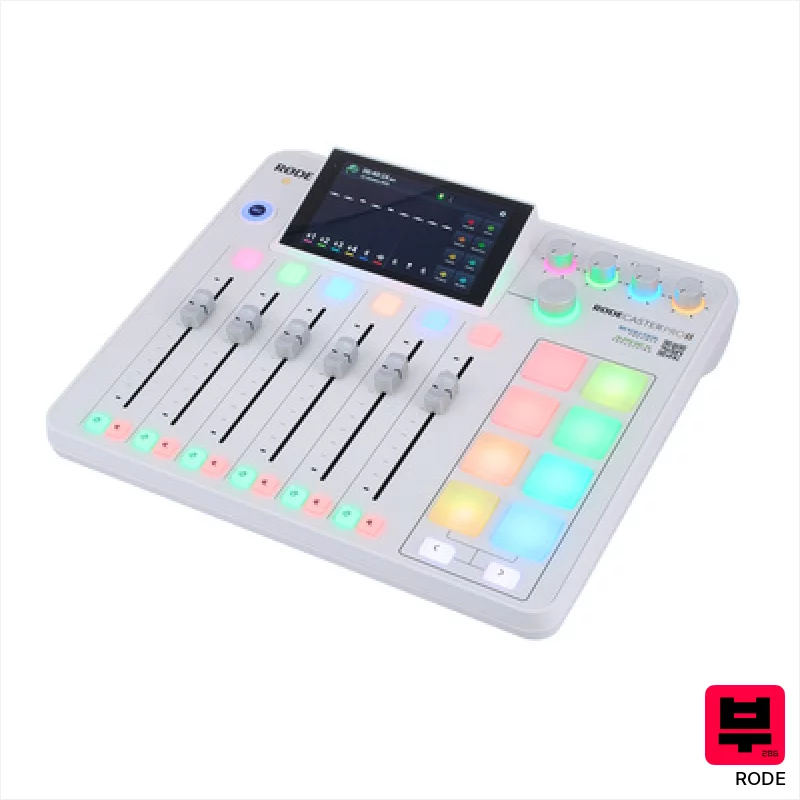
Rode Rodecaster Pro II W
- • Excellent Revolution preamps deliver remarkably clean, low-noise audio capture.
- • Flexible SMART Pads dramatically streamline workflows for complex productions.
- • Intuitive touchscreen interface simplifies mixing and routing complexities.
- • Dual USB connectivity allows for recording to multiple devices simultaneously.
- • The physical fader travel feels a bit short and less precise than high-end analog mixers.
- • Limited effects processing compared to dedicated DAW plugins; more for basic needs.
- • Size and weight make it less portable than some smaller audio interfaces.
How to Choose the Best Multitrack Compact Studios
Preamp Quality
Cheap preamps sound brittle and lack headroom. You want something that handles a loud snare drum without clipping, and adds a little warmth - that subtle saturation that makes a track sit better. A harsh, ice-picky top end is a dealbreaker.
Dynamic Range
This isn't just about decibels; it's about capturing the quietest nuances alongside the powerful peaks. A low noise floor and good dynamic range prevents your recordings from sounding muddy or lifeless. Mobile environments are noisy, so you need every bit of headroom you can get.
Portability & Durability
Let's be honest, you're going to be tossing this around. A rugged build, compact size, and decent battery life are non-negotiable. A flimsy plastic case that cracks after a few gigs? No thanks.
File Formats & Connectivity
You need more than just WAV files. Being able to record directly to SD cards is crucial for mobility. USB connectivity for direct to computer recording is a must, and XLR inputs are essential for connecting mics properly. MIDI I/O is a bonus for syncing with external gear.
Ease of Use
A complicated menu system isn't going to cut it when you're trying to quickly capture a spontaneous jam. Intuitive controls, clear displays, and a straightforward workflow are vital. You don't want to spend more time navigating menus than you do recording.
Buying Guide
Don't expect miracles at the budget end. You'll be making compromises - often on preamp quality or dynamic range. Paying a bit more for a unit with better preamps and a more robust build will save you headaches down the road. Think about your typical recording scenario: band rehearsals need more inputs and a wider dynamic range than solo acoustic tracking, so choose accordingly.
Our Methodology
We're not looking at spec sheets here. We've spent weeks putting these units through their paces - recording drums in a rehearsal space, tracking vocals in a van, even capturing a blues jam in a noisy coffee shop. We A/B'd against professional studio recorders to see how they stack up, focusing on the practicalities of a mobile setup: ease of use, durability, and most importantly, how the recordings sound in the mix.

