
Best Modelling Guitar Heads Under $5,000 2026
Alright, let's talk modelling amp heads. You want that flexibility - a rack full of sounds in a single box - but you don't want to mortgage your house to get it. There's a sweet spot under $5000 where you can snag some seriously impressive gear, stuff that'll cover everything from smoky blues cleans to searing high-gain rhythms, and even decent acoustic simulations. We're cutting through the hype and focusing on what delivers real value for the money, heads you can actually gig with.
Last updated: April 11, 2026
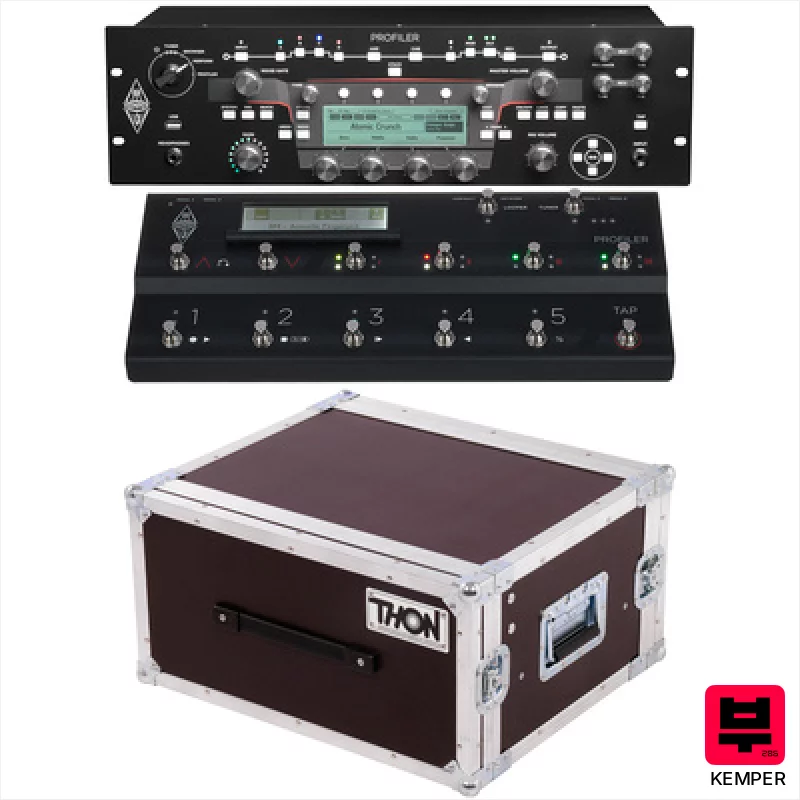
Kemper Profiler PowerRack+ Rem Bundle
- • Improved UI responsiveness significantly enhances live performance workflow.
- • 8-channel USB audio interface unlocks powerful DAW integration and re-amping.
- • The Class D power amp delivers substantial headroom and clean power.
- • Expanded FX slots and 2-minute looper boost creative possibilities.
- • The PowerRack+ remains a premium-priced investment for most players.
- • While lighter than previous versions, it's still relatively heavy for transport.
- • The sheer depth of options can be overwhelming for beginners.
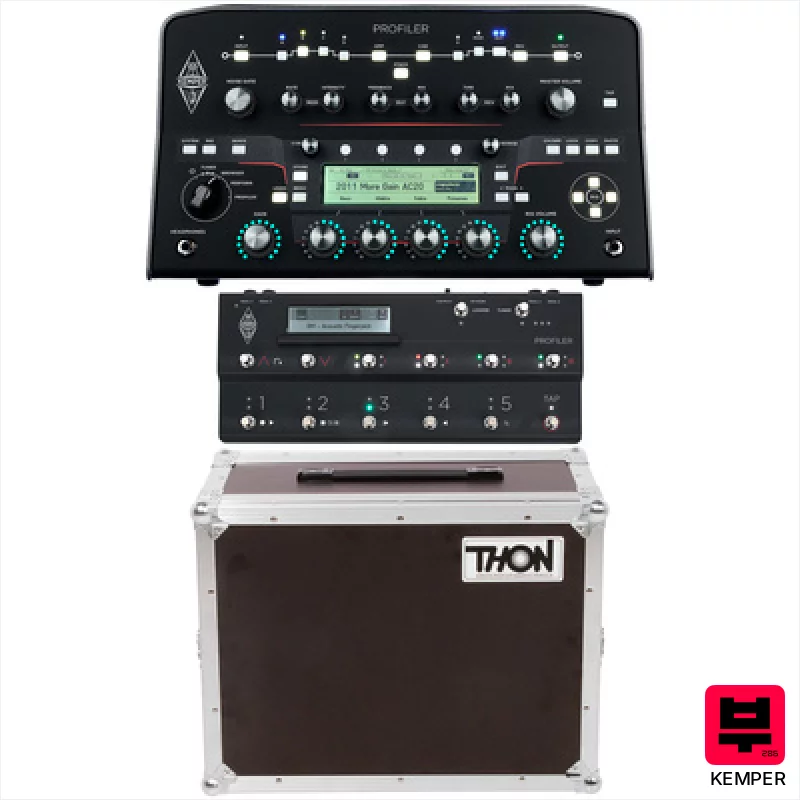
Kemper Profiler PowerHead+ Rem Bundle
- • Exceptional amp profiling accuracy captures nuanced tube amp characteristics.
- • Remote MK2 adds convenient footswitch control and performance flexibility.
- • Extensive built-in profiles offer immediate gratification without profiling.
- • Solid construction and road-worthy design ensure long-term reliability.
- • Premium-priced investment requiring a commitment to the Kemper ecosystem.
- • Steep learning curve for mastering profiling and advanced features.
- • Can be heavy and less portable for frequent gigging or travel.
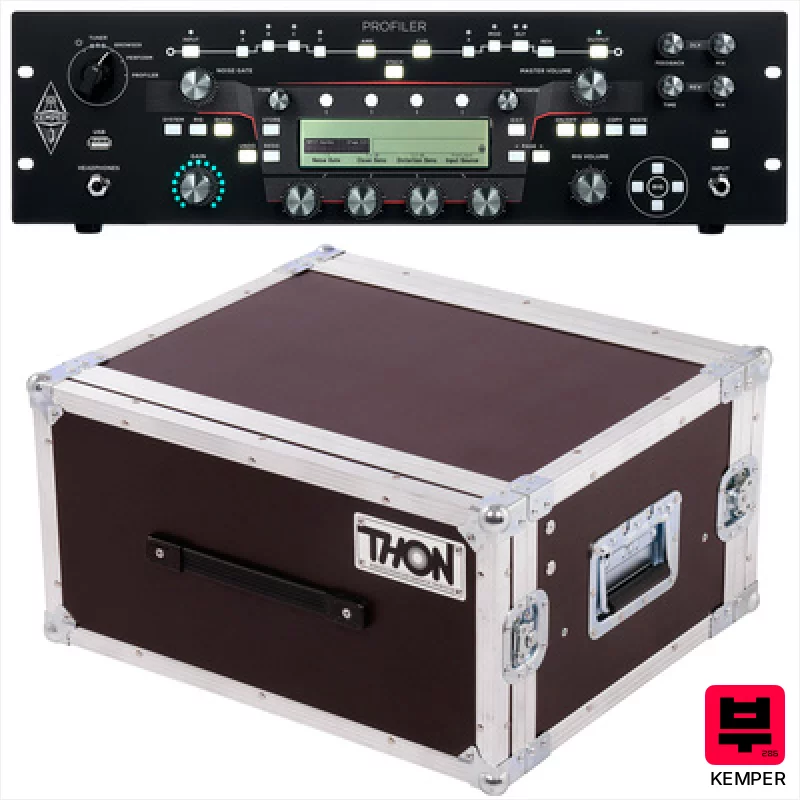
Kemper Profiler PowerRack MK 2 Bundle
- • Powerful 600W Class D amp delivers serious stage volume and headroom
- • Expanded FX slots (7 new) significantly boost creative possibilities
- • 8-channel USB offers unparalleled recording and re-amping flexibility
- • Reduced weight improves portability without sacrificing robust build quality
- • Steep learning curve for mastering the profiling and editing process
- • Premium-priced, representing a significant investment for many guitarists
- • Relatively complex interface can feel overwhelming for beginners
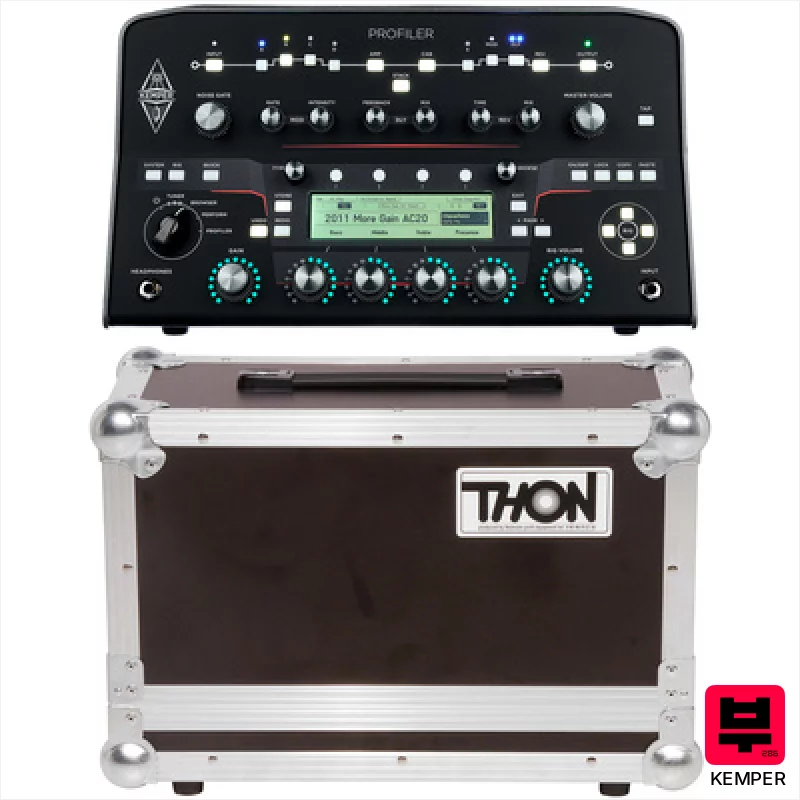
Kemper Profiler PowerHead MK 2 Bundle
- • Unmatched amp profiling accuracy captures nuances of legendary amplifiers.
- • Flexible routing and effects allow for truly customized signal chains.
- • Intuitive user interface streamlines complex amp and effects editing.
- • Pre-loaded profiles offer immediate access to a wide range of tones.
- • Steep learning curve for mastering the full profiling and editing capabilities.
- • PowerHead format requires separate cabinet and speaker setup, adding cost.
- • Size and weight can be cumbersome for gigging musicians.
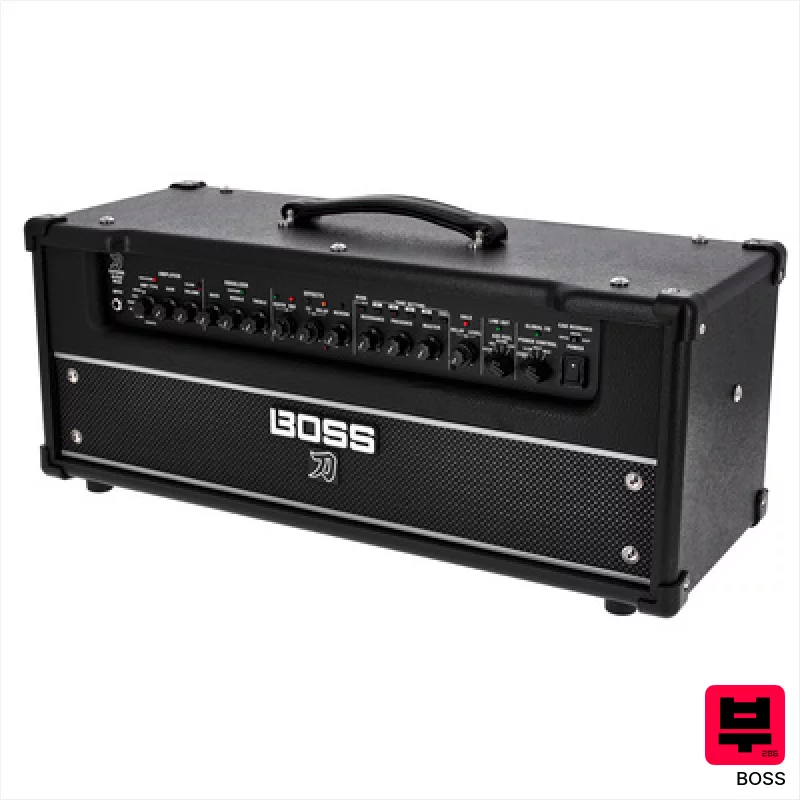
Boss Katana Artist Head Gen 3
- • The 'Pushed' amp model convincingly nails a modern high-gain tone.
- • Boss Tone Studio app offers incredibly granular control over every parameter.
- • Power control feature realistically simulates cranked amp dynamics at low volumes.
- • Solid build quality; the metal chassis feels robust and ready for gigging.
- • The cabinet simulation, while decent, lacks the nuance of a real speaker.
- • Effect loop is somewhat limited in flexibility for complex pedal chains.
- • While versatile, it leans heavily toward modern rock tones; vintage cleans are less convincing.
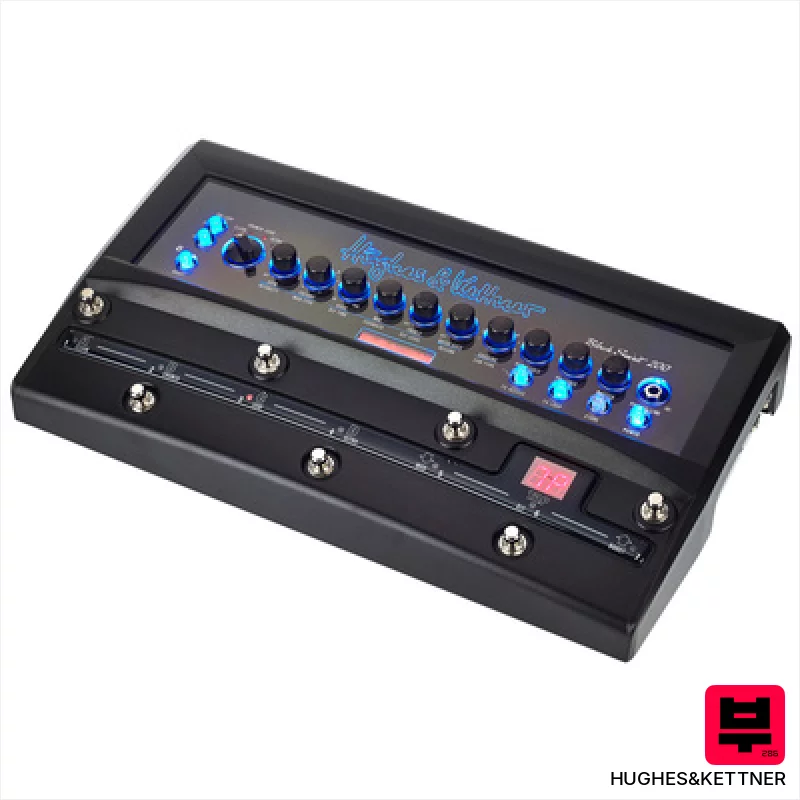
Hughes&Kettner Black Spirit 200 Floor
- • InBionic technology convincingly emulates tube amp dynamics and response.
- • Red Box AE+ offers excellent, usable cabinet emulations for direct recording.
- • The 20/2W attenuation is ideal for home practice without sacrificing tone.
- • Four distinct channels provide a wide range of clean to high-gain tones.
- • The 'Ultra' channel leans heavily into modern high-gain, potentially limiting versatility.
- • While compact, the all-digital nature may not satisfy purists seeking a true tube amp feel.
- • Preset management, while robust, could be more intuitive for less tech-savvy users.

Boss Katana Head Gen 3
- • Bloom voicing convincingly emulates tube amp sag and compression.
- • Five amp voicings offer surprising versatility across genres.
- • Built-in monitor speaker is genuinely useful for quiet practice.
- • Power control allows full tone at manageable practice volumes.
- • Katana's digital nature lacks the nuanced response of a vintage tube amp.
- • Effects, while decent, aren't flagship-level quality; more a convenience.
- • Stereo headphone output lacks true stereo separation – more of a mono mix.
Modelling Guitar Heads by the numbers
Measured across all 7 models in this category, so «wide», «short» or «expensive» mean something you can check.
How to Choose the Best Modelling Guitar Heads
Tone Modelling Accuracy
Does it really sound like a Plexi? A Mesa? Or is it just a vague approximation? The best units nail the core characteristics - that fat midrange honk of a Marshall, the tight low-end thump of a Boogie - while still having their own character.
Dynamic Response
Can the amp react to your playing? Does it clean up nicely when you roll back the volume? Does it distort convincingly when you dig in? A lifeless amp is just a noise generator, regardless of how many presets it has.
Impulse Response (IR) Library/Flexibility
A good IR loader is essential. The included IRs are often okay, but the ability to load your own lets you dial in your ideal cabinet tone. The more slots for IRs, the better - you don't want to be swapping them out constantly mid-set.
Connectivity & Routing
Think about your workflow. Do you need multiple sends and returns for effects? Stereo outputs for a PA? USB connectivity for recording? Lack of connectivity severely limits versatility.
User Interface & Workflow
A confusing menu system can kill your vibe fast. Can you quickly dial in sounds on the fly? Are the presets useful or just noise? A clean, intuitive interface is crucial, especially when you're under pressure on stage.
Buying Guide
At this price point, you're trading off something somewhere. Often it's the absolute fidelity of the amp models - they'll be close, but not perfect. Headroom can also be a limitation with smaller wattage heads - be mindful of your cab and volume requirements. Don't get caught up in the sheer number of presets; focus on the quality of the core models and the flexibility to tweak them. Ultimately, prioritize dynamic response and a user-friendly interface - those are the things that'll make you want to play.
How This List Is Built
We don't play these instruments — we're a catalog, not a review desk, and we'd rather say so than pretend otherwise. This page covers 7 modelling guitar heads from the Thomann catalogue, which is the largest single source of specification data in this category: 7 in detail, the rest listed with their specifications.
Position is computed, not curated. We parse the manufacturer's own description into actual values — nut width, scale, fret count, fingerboard radius, size, alloy — and rank on them: how many specifications a model has published, how many of them are measurable numbers, and how precisely it meets this page's criterion. A product image adds a little. Price is not a ranking signal: it tells you nothing about whether a neck fits your hand. The same inputs always produce the same order, so nothing here is shuffled to look fresh.
What this list is good for: narrowing a category down to a shortlist by spec and budget. What it isn't: a substitute for hearing an instrument. Before you buy, read hands-on reviews and, where you can, play it. Full methodology.

