
Best Modelling Guitar Heads for Advanced 2026
So, you've spent years chasing that perfect tube amp tone, but the realities of gigging and recording - noise restrictions, portability, budget - have you eyeing modelers. It's a smart move, but not all modelers treat serious players with respect. This isn't a list for bedroom beginners; we're talking heads that offer nuanced response, tweakability deep enough to satisfy a tone obsessive, and a dynamic range that doesn't choke your playing. Let's cut through the hype and find you a modeler that actually inspires you.
Last updated: April 11, 2026
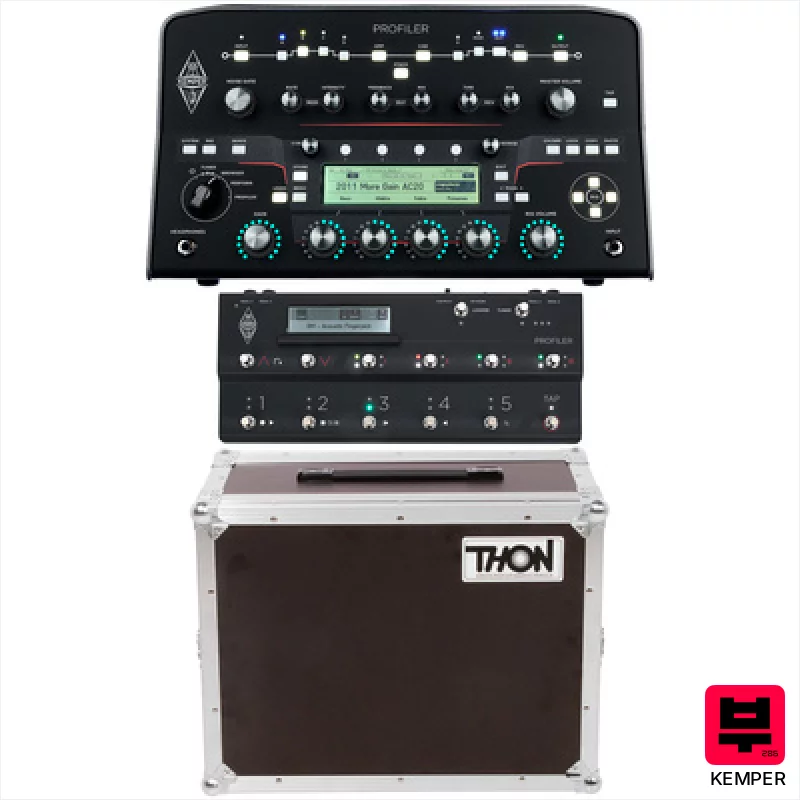
Kemper Profiler PowerHead+ Rem Bundle
- • Exceptional amp profiling accuracy captures nuanced tube amp characteristics.
- • Remote MK2 adds convenient footswitch control and performance flexibility.
- • Extensive built-in profiles offer immediate gratification without profiling.
- • Solid construction and road-worthy design ensure long-term reliability.
- • Premium-priced investment requiring a commitment to the Kemper ecosystem.
- • Steep learning curve for mastering profiling and advanced features.
- • Can be heavy and less portable for frequent gigging or travel.
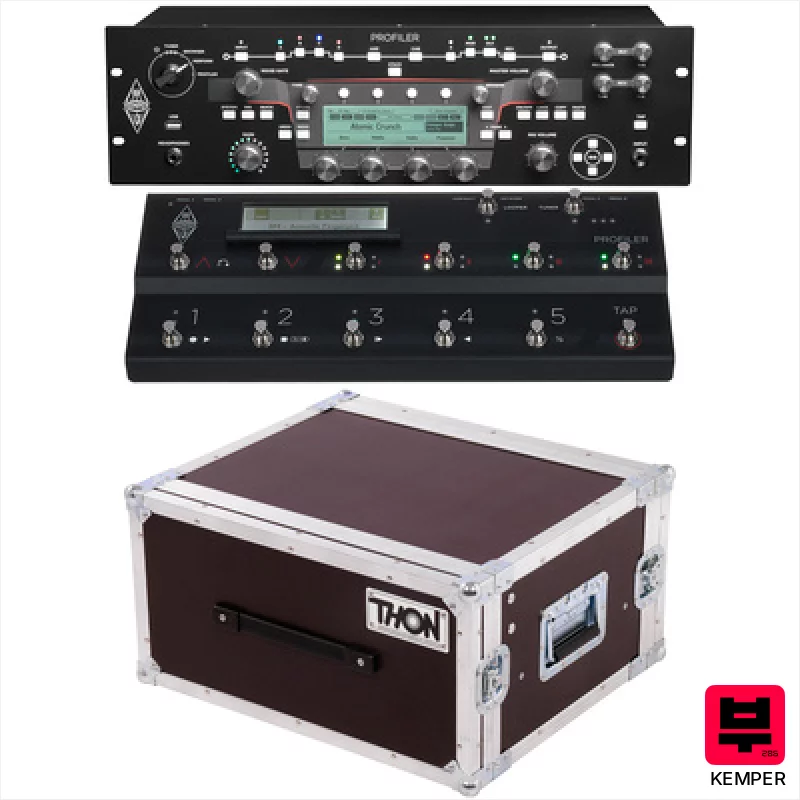
Kemper Profiler PowerRack+ Rem Bundle
- • Improved UI responsiveness significantly enhances live performance workflow.
- • 8-channel USB audio interface unlocks powerful DAW integration and re-amping.
- • The Class D power amp delivers substantial headroom and clean power.
- • Expanded FX slots and 2-minute looper boost creative possibilities.
- • The PowerRack+ remains a premium-priced investment for most players.
- • While lighter than previous versions, it's still relatively heavy for transport.
- • The sheer depth of options can be overwhelming for beginners.
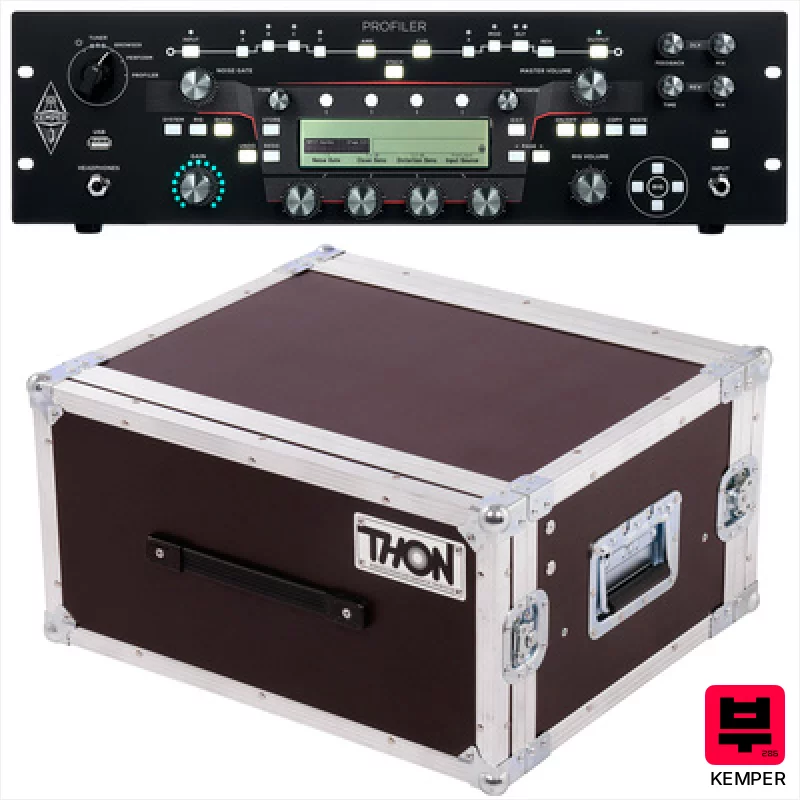
Kemper Profiler PowerRack MK 2 Bundle
- • Powerful 600W Class D amp delivers serious stage volume and headroom
- • Expanded FX slots (7 new) significantly boost creative possibilities
- • 8-channel USB offers unparalleled recording and re-amping flexibility
- • Reduced weight improves portability without sacrificing robust build quality
- • Steep learning curve for mastering the profiling and editing process
- • Premium-priced, representing a significant investment for many guitarists
- • Relatively complex interface can feel overwhelming for beginners
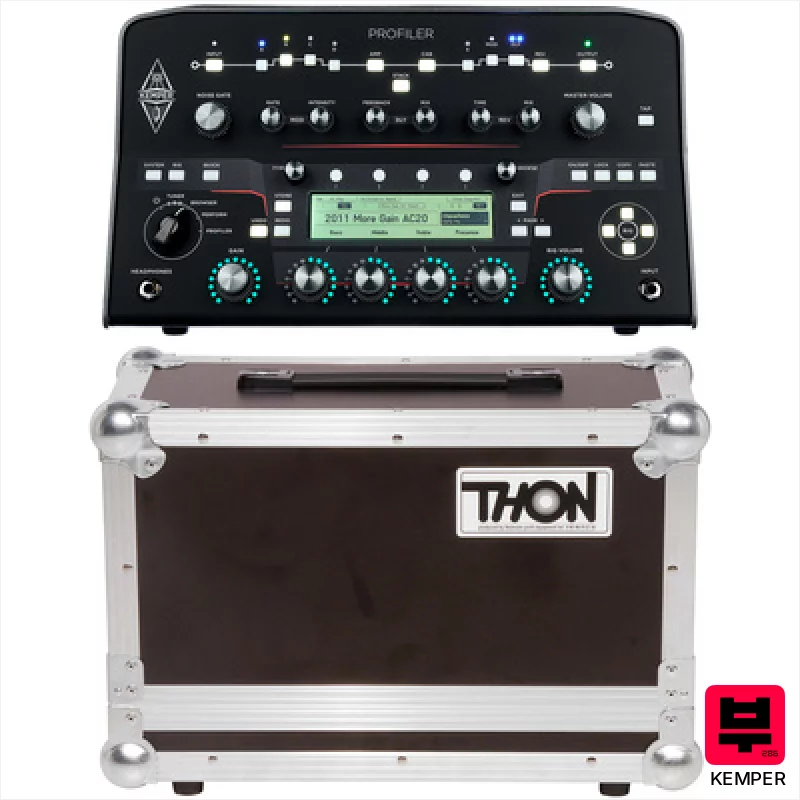
Kemper Profiler PowerHead MK 2 Bundle
- • Unmatched amp profiling accuracy captures nuances of legendary amplifiers.
- • Flexible routing and effects allow for truly customized signal chains.
- • Intuitive user interface streamlines complex amp and effects editing.
- • Pre-loaded profiles offer immediate access to a wide range of tones.
- • Steep learning curve for mastering the full profiling and editing capabilities.
- • PowerHead format requires separate cabinet and speaker setup, adding cost.
- • Size and weight can be cumbersome for gigging musicians.
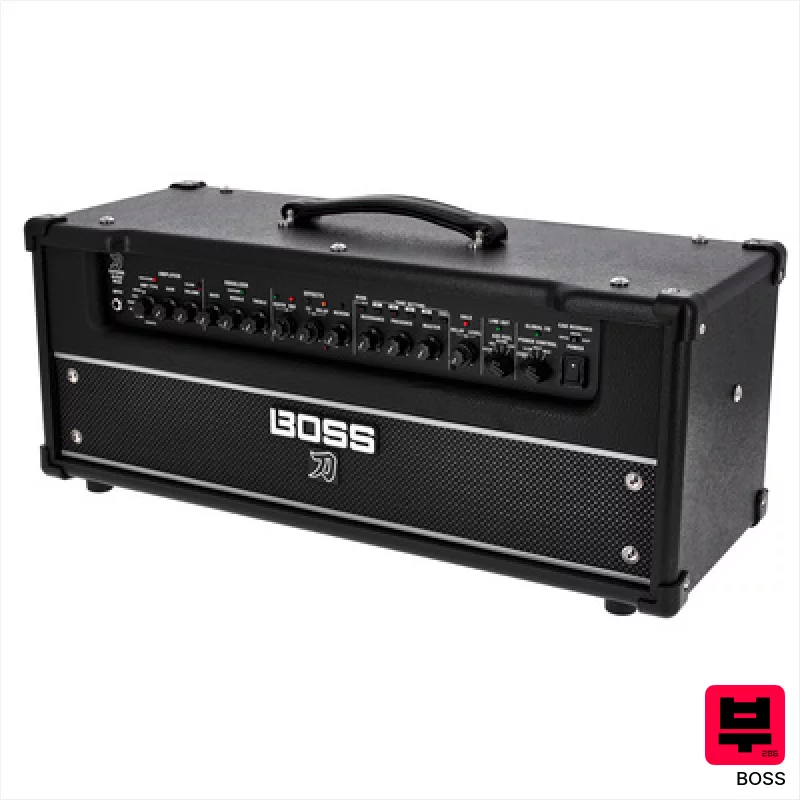
Boss Katana Artist Head Gen 3
- • The 'Pushed' amp model convincingly nails a modern high-gain tone.
- • Boss Tone Studio app offers incredibly granular control over every parameter.
- • Power control feature realistically simulates cranked amp dynamics at low volumes.
- • Solid build quality; the metal chassis feels robust and ready for gigging.
- • The cabinet simulation, while decent, lacks the nuance of a real speaker.
- • Effect loop is somewhat limited in flexibility for complex pedal chains.
- • While versatile, it leans heavily toward modern rock tones; vintage cleans are less convincing.
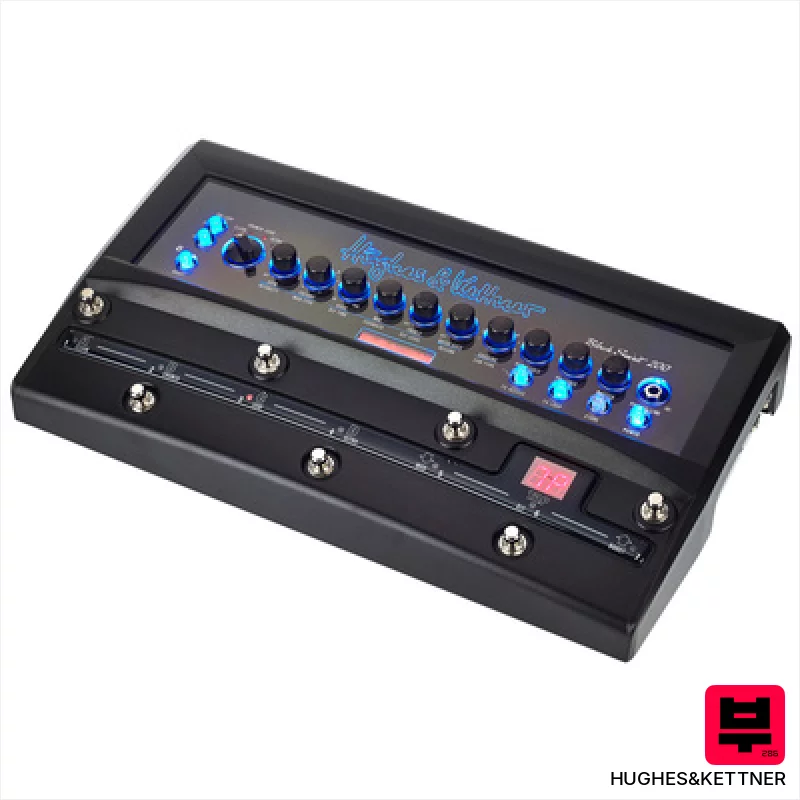
Hughes&Kettner Black Spirit 200 Floor
- • InBionic technology convincingly emulates tube amp dynamics and response.
- • Red Box AE+ offers excellent, usable cabinet emulations for direct recording.
- • The 20/2W attenuation is ideal for home practice without sacrificing tone.
- • Four distinct channels provide a wide range of clean to high-gain tones.
- • The 'Ultra' channel leans heavily into modern high-gain, potentially limiting versatility.
- • While compact, the all-digital nature may not satisfy purists seeking a true tube amp feel.
- • Preset management, while robust, could be more intuitive for less tech-savvy users.

Boss Katana Head Gen 3
- • Bloom voicing convincingly emulates tube amp sag and compression.
- • Five amp voicings offer surprising versatility across genres.
- • Built-in monitor speaker is genuinely useful for quiet practice.
- • Power control allows full tone at manageable practice volumes.
- • Katana's digital nature lacks the nuanced response of a vintage tube amp.
- • Effects, while decent, aren't flagship-level quality; more a convenience.
- • Stereo headphone output lacks true stereo separation – more of a mono mix.
How to Choose the Best Modelling Guitar Heads
Dynamic Response
A modeler that flattens your playing feels like a betrayal. We're looking for articulation and sensitivity, especially when digging into overdrive - a nuanced breakup, not just a wall of noise. Does it respond to subtle pick pressure changes? Does it breathe?
Impulse Response (IR) Flexibility
The amp head is only half the story. A limited selection of IRs will leave you sounding generic. True advanced players need the ability to load their own, experiment with different cabinet tones, and really dial in a unique sound.
EQ and Routing Options
Beyond basic bass, mid, treble, we want granular control. Parametric EQ, serial/parallel effects loops, multiple outputs for direct recording - the more options, the more sculpting you can do to get that specific tone you're after.
Noise Floor and Headroom
A quiet, clean platform is essential. A noisy preamp section or limited headroom will muddy your tone and make mixing a nightmare. We listen for that low-end thump and how well it translates to a mix.
Playability & Latency
The feel of the controls and the latency of the digital processing are critical. Stiff knobs, a sluggish response, or noticeable delay will kill your mojo and make playing a chore.
Buying Guide
Don't fall for the 'it sounds just like a vintage Marshall' claim. Modelers excel at providing a palette of tones, but nailing a specific amp is tough. Expect trade-offs - some will have incredible cleans but lackluster high-gain, others the reverse. Spend the extra money on a unit with a flexible IR loader and a responsive, tactile feel. And remember, a great modeler won't make you a better player; it'll just give you more sonic options to explore.
How This List Is Built
We don't play these instruments — we're a catalog, not a review desk, and we'd rather say so than pretend otherwise. This page ranks 7 modelling guitar heads from the Thomann catalogue, which is the largest single source of specification data in this category.
Position is computed, not curated. Four signals, in order of weight: how completely the manufacturer documents the instrument (number of published specifications), where it sits in the price range, how specific the model designation is — which filters out generic accessories — and whether a product image exists. The same inputs always produce the same order, so nothing here is shuffled to look fresh.
What this list is good for: narrowing a category down to a shortlist by spec and budget. What it isn't: a substitute for hearing an instrument. Before you buy, read hands-on reviews and, where you can, play it. Full methodology.

