
Best Modelling Guitar Combos for Modern Players 2026
Alright, so you're a modern player - that means you're not just sticking to one genre. You want a combo that can nail crunchy rhythm tones for a rock set, then switch to clean, glassy sounds for a funk gig, and maybe even dial in some subtle overdrive for a blues jam. Modelling amps have come a long way, but not all of them are created equal. Let's break down the best ones for players who need versatility and don't want to haul a stack around.
Last updated: July 22, 2026 • Next update: July 29, 2026
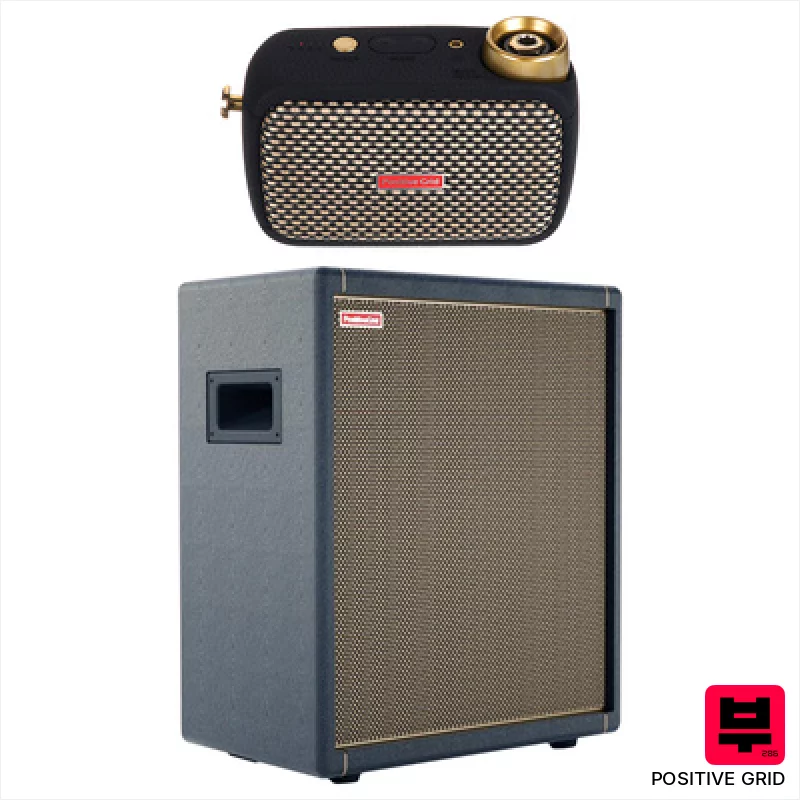
Positive Grid Spark Go BK Bundle
- • Spark CAB delivers substantial, clean power for small gigs.
- • MDF cabinet construction provides surprising rigidity for its size.
- • Flat-response speaker ensures accurate amp modeling reproduction.
- • Ground lift eliminates hum, crucial for quieter environments.
- • The MDF cabinet, while rigid, isn't as durable as plywood.
- • Limited physical EQ controls necessitate reliance on the app.
- • 140W is adequate, but lacks headroom for truly loud stages.
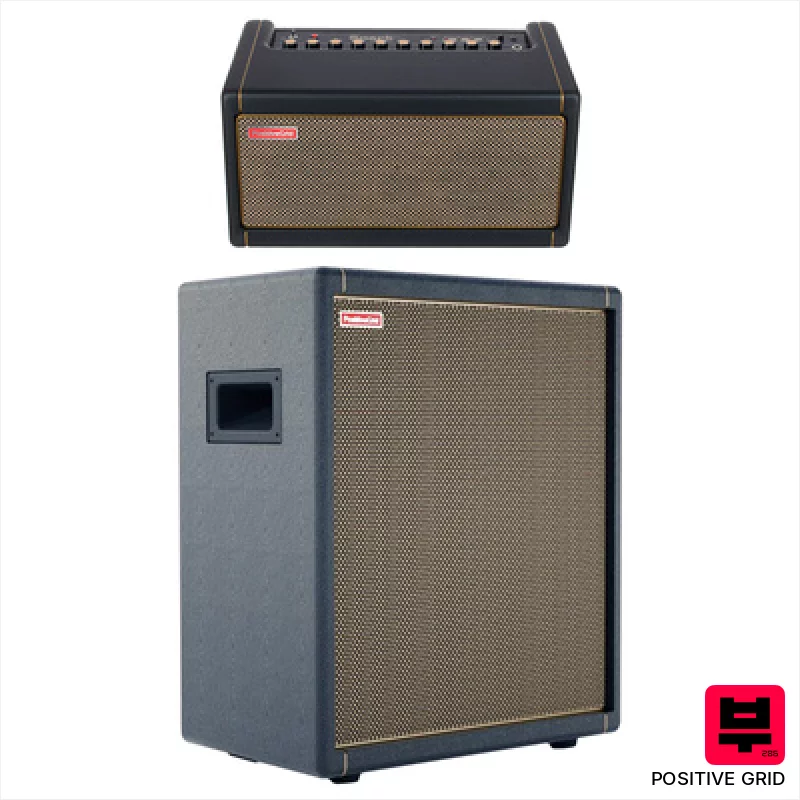
Positive Grid Spark 40 BK Bundle
- • Spark CAB expands sonic range, offering genuine full-frequency response.
- • MDF cabinet construction provides surprising rigidity for its size.
- • Ground lift eliminates hum, crucial for quieter recording environments.
- • Versatile connectivity (XLR, USB-C) expands usage beyond amp duties.
- • The MDF cabinet, while rigid, isn't as acoustically inert as premium plywood.
- • 140W is sufficient for practice/small gigs, but lacks serious stage volume.
- • Spark's amp models, while good, aren't a substitute for high-end boutique amps.
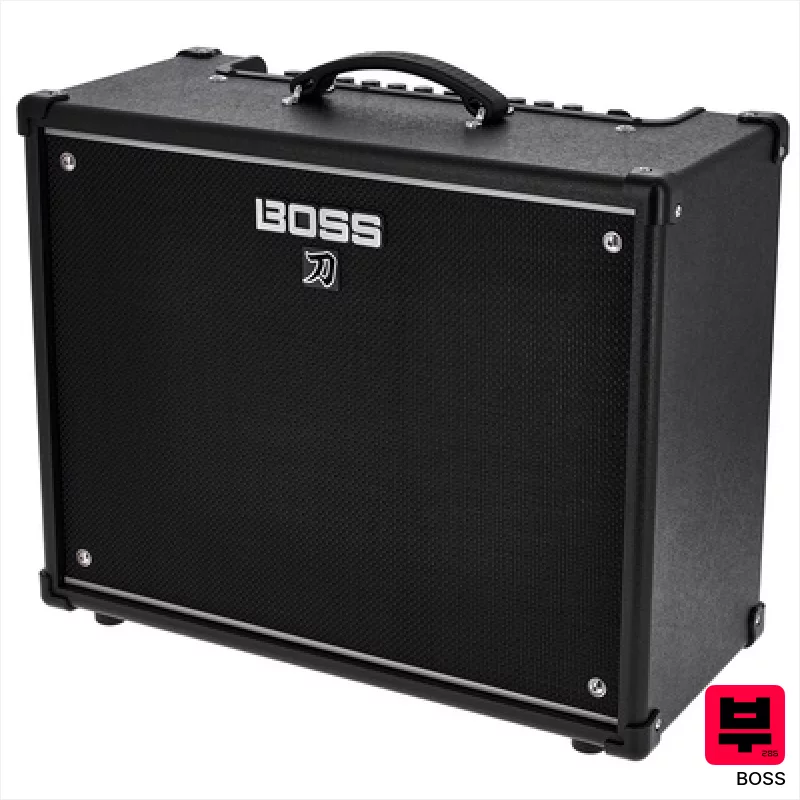
Boss Katana 100 Gen 3
- • Excellent value; delivers a surprising amount of tonal versatility for the price.
- • The 'Brown' amp model convincingly emulates a British combo with genuine character.
- • Boss’s Power Control feature allows for realistically scaled volumes for home practice.
- • Cab Resonance settings significantly alter the speaker's perceived response and feel.
- • The Celestion speaker, while decent, isn't a high-end audiophile component.
- • Effect loop routing is limited; more flexibility would be beneficial for advanced users.
- • The overall build feels a bit plasticky; lacks the premium heft of higher-end amps.
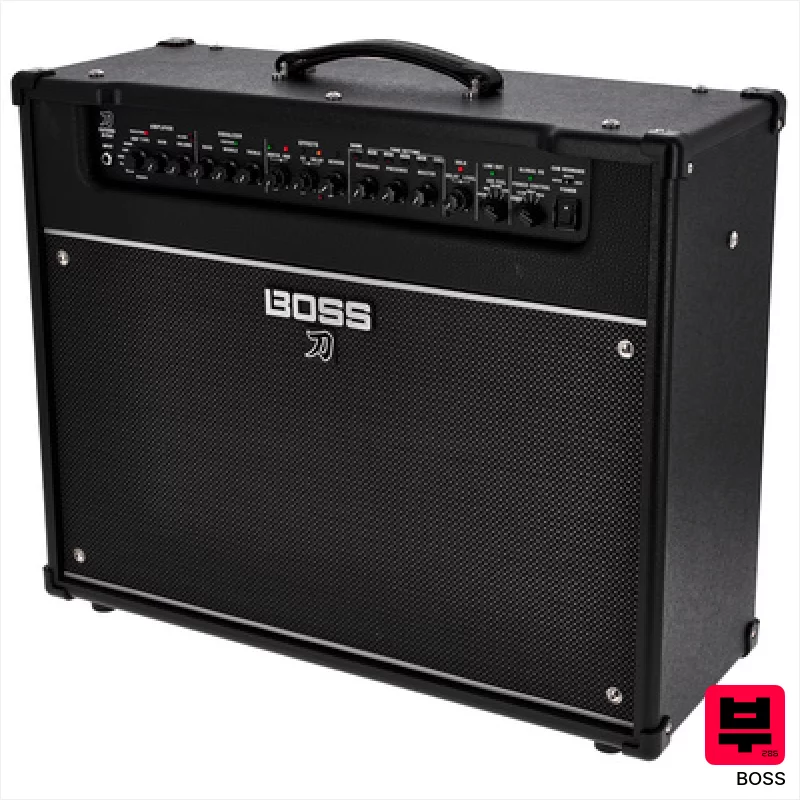
Boss Katana Artist Gen 3
- • Pushed amp model delivers genuinely responsive, high-gain tones.
- • Boss Tone Studio app offers deep customization and tonal sculpting.
- • Solo section provides a useful boost with built-in delay.
- • Excellent value; a lot of amp and effects for the price.
- • 12” speaker can feel a bit constrained at higher volumes.
- • While versatile, it's not a substitute for a truly high-end tube amp.
- • The 'Deep' cabinet setting can sound muddy with certain amp models.

Boss Katana 100/212 Gen 3
- • Excellent amp models convincingly emulate classic Boss and Mesa tones.
- • The dual 12” speakers deliver a surprisingly full and powerful low-end response.
- • New voicing options significantly expand tonal possibilities beyond previous Katana iterations.
- • USB connectivity and room response adjustments are genuinely useful for recording.
- • The overall build quality, while decent, uses primarily MDF and feels somewhat lightweight.
- • Modulation effects, while present, lack the depth and complexity of dedicated units.
- • The 'Contour' feature can sometimes introduce a harsh mid-range boost.
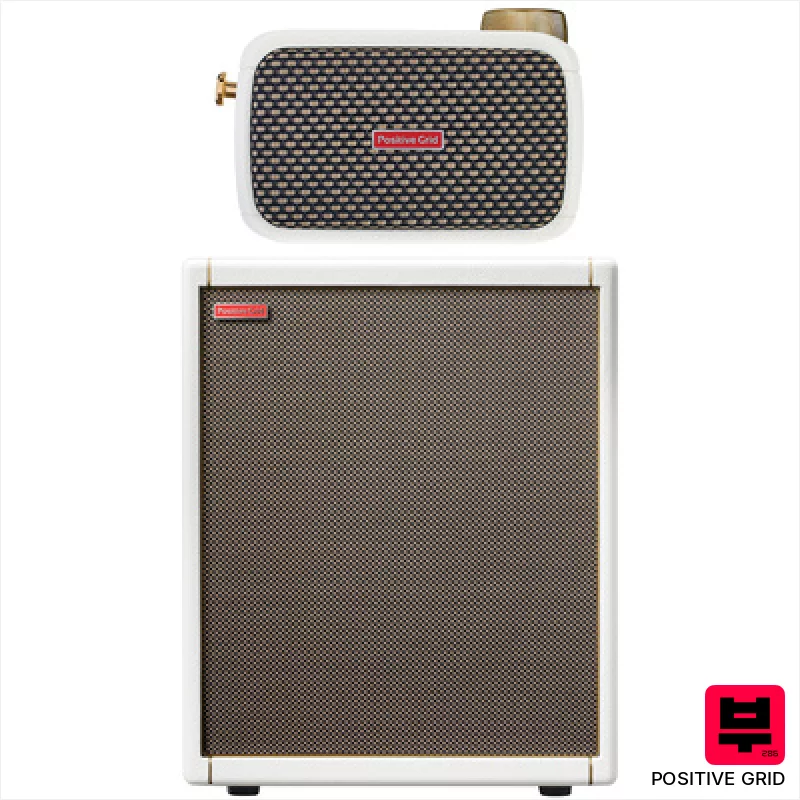
Positive Grid Spark Go PW Bundle
- • Spark CAB PW offers a flat frequency response for accurate monitoring.
- • MDF construction provides a surprisingly sturdy and resonant cabinet.
- • Ground lift eliminates hum, crucial for stage or studio use.
- • Versatile connectivity – XLR, combo jacks, USB-C – expands usage.
- • The MDF cabinet, while sturdy, isn't as premium as all-birch construction.
- • 10” woofer/tweeter setup limits true low-end extension for bass-heavy genres.
- • Spark Go amp itself (not included in bundle) is limited in power for larger venues.
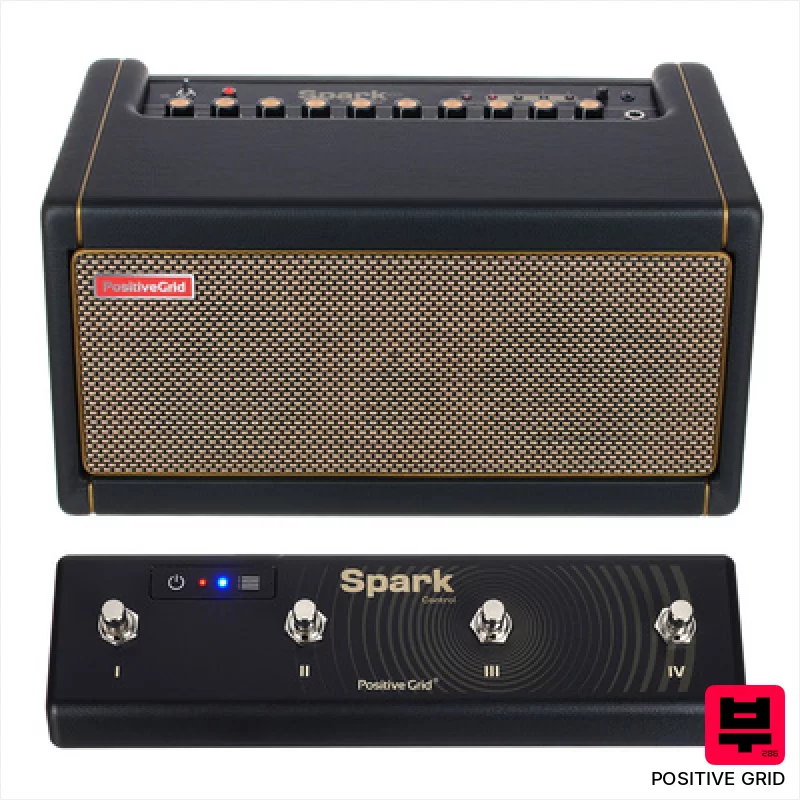
Positive Grid Spark 40 BK Bundle
- • Excellent app integration provides vast sound library and learning tools.
- • Smart Jam feature is genuinely useful for practicing and improvising.
- • Compact size and bass reflex design offer surprising low-end response.
- • Versatile enough for acoustic, electric guitar, and even bass practice.
- • 40 watts may be limiting for gigging or loud band rehearsals.
- • Plastic enclosure feels somewhat budget-oriented, lacking premium feel.
- • App reliance means functionality is tied to Positive Grid's ongoing support.

Boss Katana 50 Gen 3
- • Enhanced Tube Logic convincingly emulates valve amp saturation and response.
- • The new Pushed-Type amp voicing delivers a genuinely aggressive, high-gain tone.
- • BOSS Tone Studio app offers deep customization and a streamlined workflow.
- • Versatile effects section provides a wide palette of usable, quality sounds.
- • The 12” speaker, while decent, lacks the low-end extension of larger designs.
- • The plastic cabinet feels somewhat less robust than all-metal alternatives.
- • While improved, the clean channel can still sound a bit sterile at higher gain settings.
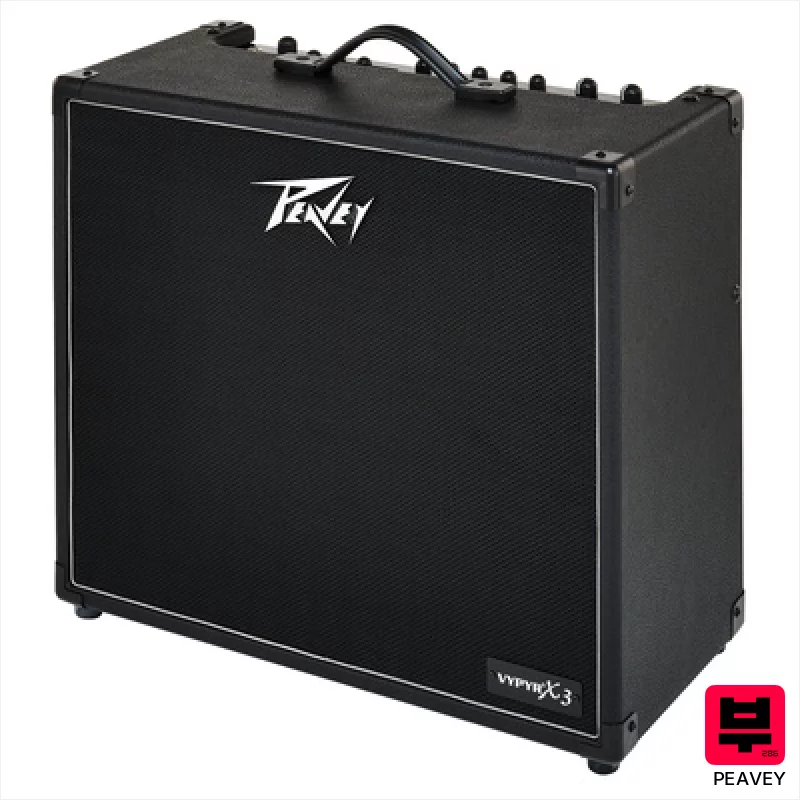
Peavey Vypyr X3
- • TransTube preamp delivers a surprisingly authentic, warm tube-like distortion.
- • The 12” speaker handles a wide range of tones with decent clarity.
- • Built-in looper is genuinely useful for practice and songwriting.
- • Bluetooth connectivity adds modern convenience for backing tracks and streaming.
- • Plastic enclosure feels a bit cheap compared to all-metal alternatives.
- • The sheer number of options can be overwhelming for beginners.
- • Bass response, while present, isn't as tight or defined as dedicated bass amps.
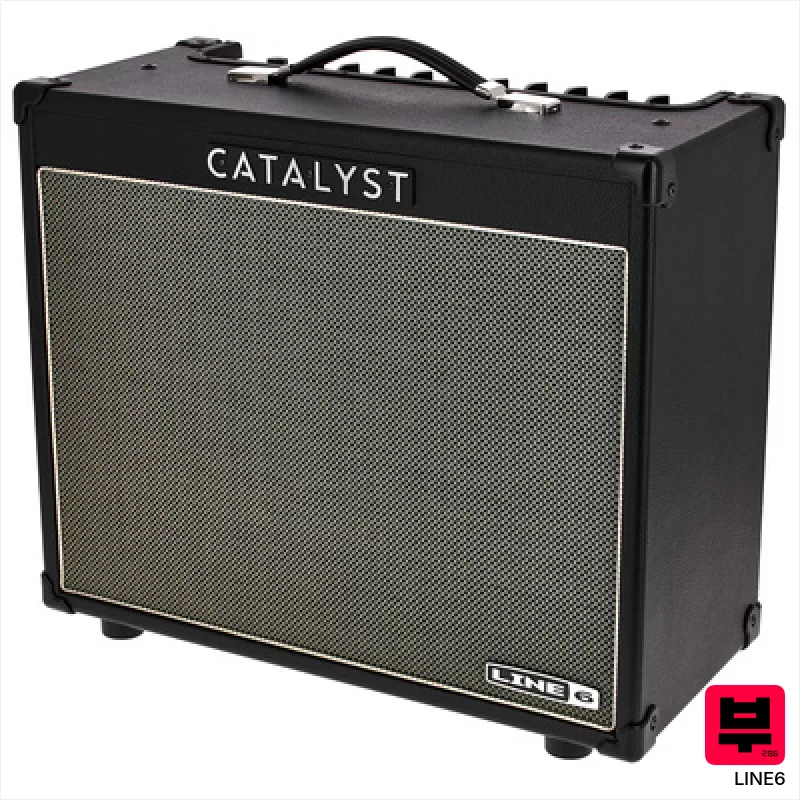
Line6 Catalyst CX 100
- • Excellent value: delivers a surprising amount of features for its class.
- • Line 6’s amp modeling is genuinely impressive, nailing classic tones well.
- • The 12” speaker provides a full, surprisingly robust sound at moderate volumes.
- • USB-C audio interface is a huge bonus for recording and silent practice.
- • Catalyst's effects, while decent, aren't as nuanced as dedicated pedals.
- • Build quality feels a little plasticky; not a gig-ready tank.
- • Limited EQ control per channel restricts fine-tuning amp models.

Nux Mighty 40 MKII
- • Excellent value for money modelling amp, surprisingly realistic 'white box' algorithms
- • Flexible routing allows creative signal chains and custom tones
- • Built-in looper with drum machine is genuinely useful for practice
- • NBT-1 Bluetooth module adds convenient audio streaming and MIDI control
- • 10” speaker limits low-end extension at higher volumes; feels a bit thin.
- • Plastic enclosure feels somewhat budget-oriented, lacks premium heft.
- • Preset limitations; more complex sounds may require tweaking and multiple patches.
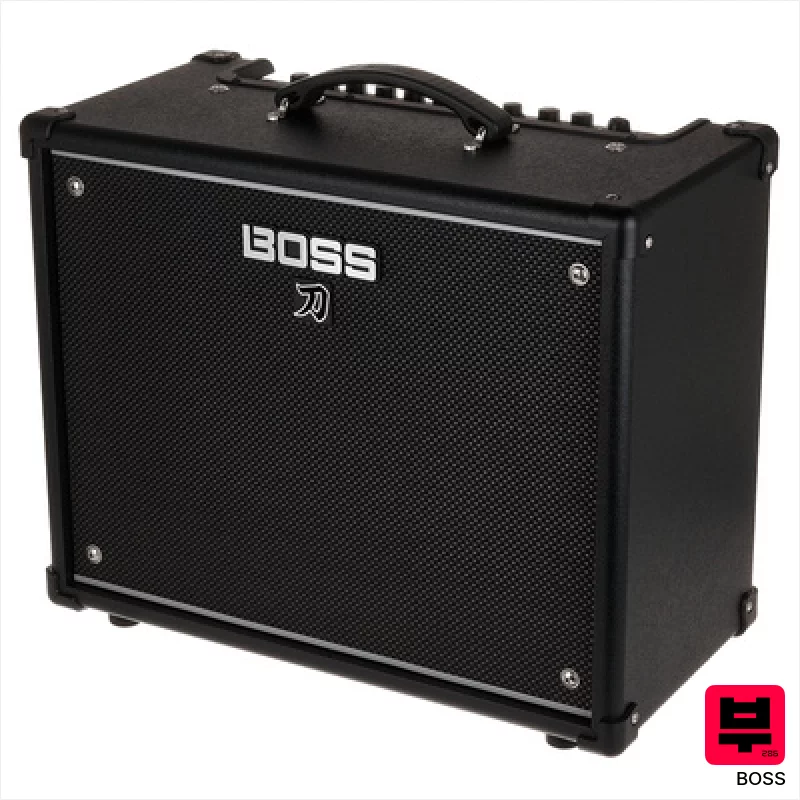
Boss Katana 50 EX Gen 3
- • Excellent 'Brown' amp voicings convincingly emulate tube saturation.
- • Tone Studio app provides deep customization beyond physical controls.
- • Versatile effects section offers usable delays, reverbs, and modulations.
- • Power control genuinely replicates cranked amp feel at lower volumes.
- • 12” speaker lacks ultimate low-end extension for heavier genres.
- • While improved, the cabinet’s plastic construction feels somewhat budget-oriented.
- • Footswitch functionality, while present, can feel slightly limited.

Nux Mighty 60 MKII
- • Excellent value for a modelling amp with comprehensive effects
- • TS/AC White Box algorithm convincingly emulates analog warmth
- • The 12-inch speaker provides surprisingly full and robust tones
- • Mighty App simplifies editing and expands preset customization options
- • Build quality feels a bit plasticky for extended gigging use
- • Limited wattage restricts headroom at higher volumes, best for practice/small rooms
- • Effect routing, while flexible, can become complex for beginners
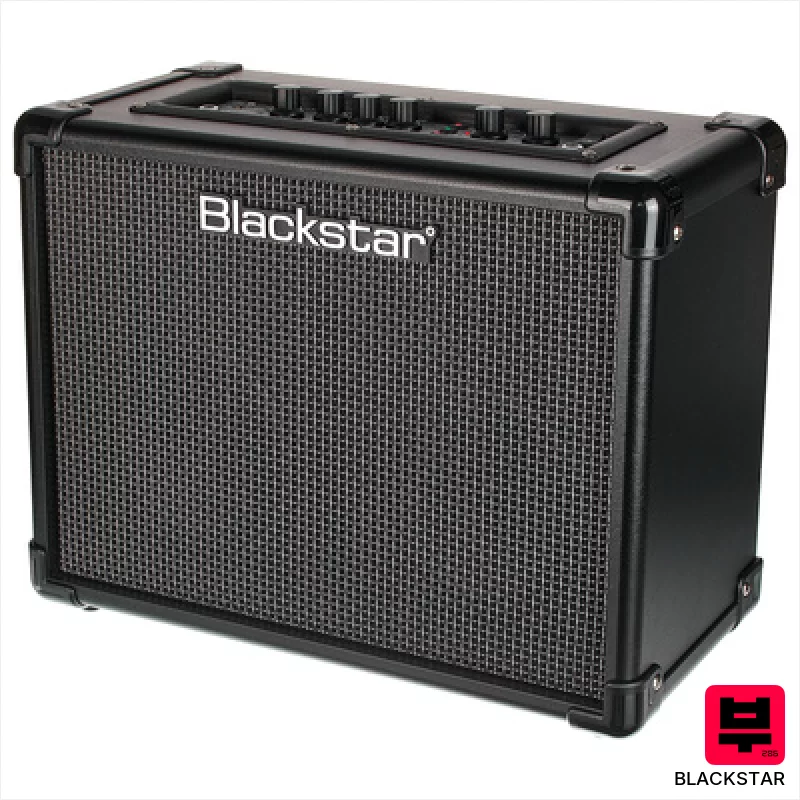
Blackstar ID:Core 20 V4
- • Excellent value, offering a surprising range of tones for the price.
- • The ISF control genuinely shapes the Blackstar voicing effectively.
- • Compact size and 1-watt mode make it ideal for practice and quiet playing.
- • USB-C connectivity provides seamless integration with recording software and streaming.
- • 5” speakers lack low-end response, particularly noticeable with heavier genres.
- • Build quality, while decent, feels a little plasticky for more serious players.
- • Limited headroom; cleans start to break up fairly quickly at higher volumes.
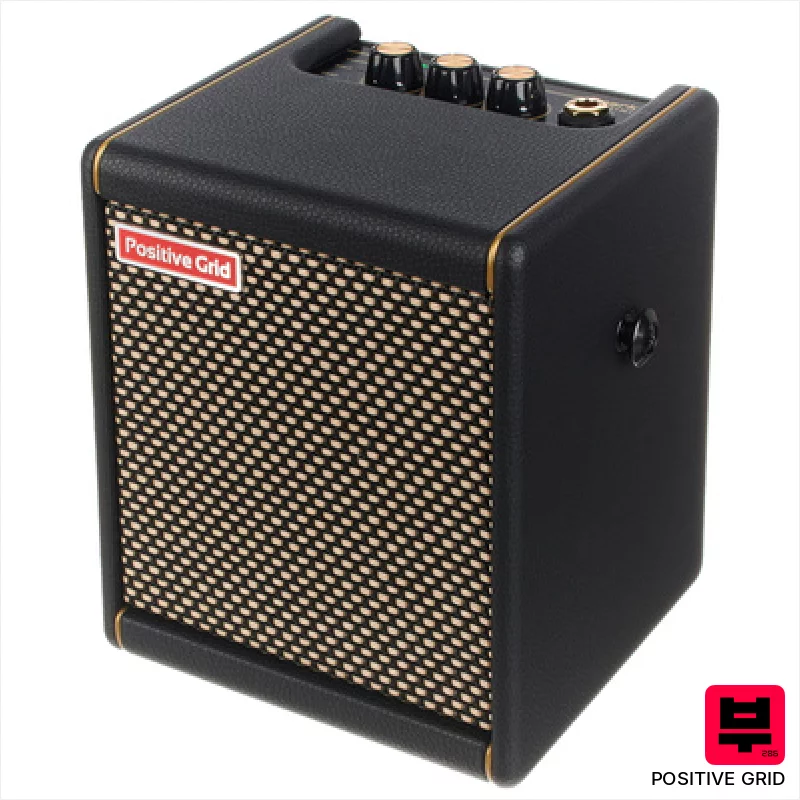
Positive Grid Spark Mini BK
- • Excellent portability thanks to integrated battery and compact design.
- • Smart Jam feature is genuinely useful for practice and inspiration.
- • Positive Grid's app provides a vast and constantly expanding sound library.
- • Passive radiator design delivers surprisingly full low-end for its size.
- • 10 watts is limiting for gigging or loud practice sessions.
- • 2” speakers lack the headroom for serious volume or bass response.
- • The plastic enclosure feels a bit budget-oriented despite the clever design.
How to Choose the Best Modelling Guitar Combos
Tonal Palette
It's not just about having a bunch of amp models; it's about the quality of those models. Do they capture the nuances of a Plexi's sag, or a Vox AC30's chime? Cheap modelling often sounds sterile and lifeless, lacking that crucial midrange honk.
Speaker Quality
A killer amp model is wasted on a muddy speaker. A decent 12" Celestion-style speaker is a minimum; anything less and you're losing a lot of articulation and low-end definition. Listen for how the speaker handles both clean and distorted tones.
Effects Integration
Built-in effects are convenient, but are they good? Reverb that sounds like a tin can, or chorus that's overly fizzy - these can ruin a perfectly good tone. Seamless integration and quality processing are key.
Connectivity & Impulse Responses
Modern recording relies on impulse responses (IRs). Does the combo offer a decent IR loader? Also, consider aux inputs for backing tracks during practice and balanced outputs for live sound reinforcement.
User Interface & Workflow
How easy is it to dial in sounds quickly? Clunky menus and confusing layouts kill your vibe. A clear, intuitive interface and responsive controls are essential for gigging.
Buying Guide
Modelling combos have gotten seriously good, but they're still a compromise. You're trading portability and convenience for some of the magic of a real tube amp. Don't expect to perfectly replicate a vintage Marshall - the goal is to get close while having a ton of options. Pay attention to the speaker - that's where a lot of combos cut corners. And seriously, try before you buy if you can; what sounds great in a YouTube demo might not work with your guitars and playing style.
Our Methodology
We're not just looking at spec sheets here. We've spent countless hours playing these combos through various guitars - from high-output humbucker monsters to delicate single-coils - and A/B'd them against real tube amps. The real test is whether they cut through a rehearsal band setting and sound decent recorded, not just in a sterile studio environment.

