
Best Modelling Guitar Combos for Home Recording 2026
So, you're looking to ditch the frustrating headphone setup and finally get some decent amp tones in your home recording space? Modelling combos have come a long way, but not all of them are created equal, especially when you're trying to capture a vibe that translates well to a DAW. This isn't about chasing the latest buzzword - it's about finding a combo that gives you usable tones, flexibility, and enough headroom to actually record something decent without clipping your interface. Let's dive in.
Last updated: July 22, 2026 • Next update: July 29, 2026
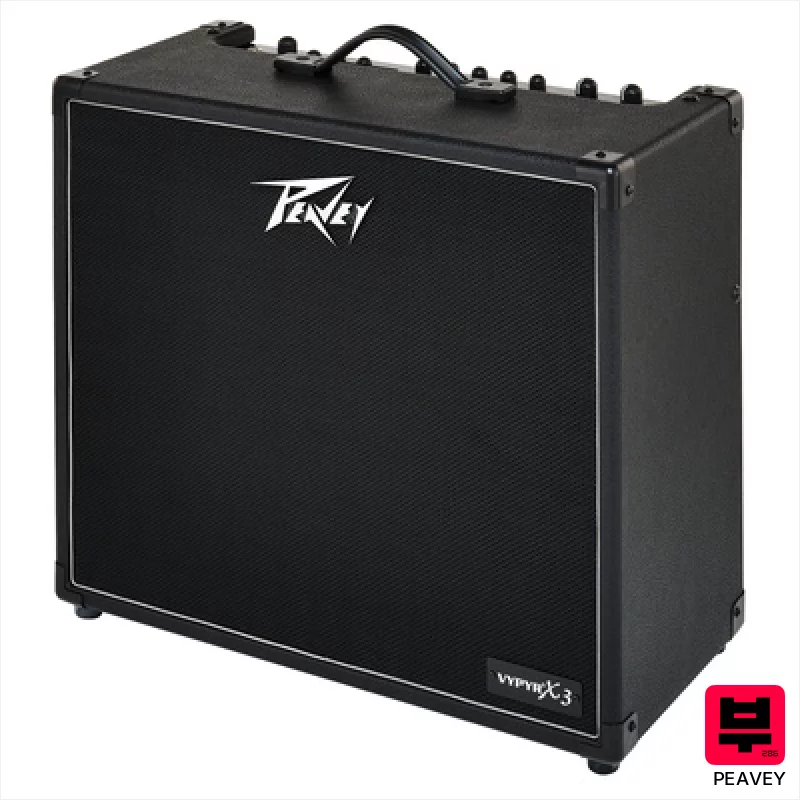
Peavey Vypyr X3
- • TransTube preamp delivers a surprisingly authentic, warm tube-like distortion.
- • The 12” speaker handles a wide range of tones with decent clarity.
- • Built-in looper is genuinely useful for practice and songwriting.
- • Bluetooth connectivity adds modern convenience for backing tracks and streaming.
- • Plastic enclosure feels a bit cheap compared to all-metal alternatives.
- • The sheer number of options can be overwhelming for beginners.
- • Bass response, while present, isn't as tight or defined as dedicated bass amps.
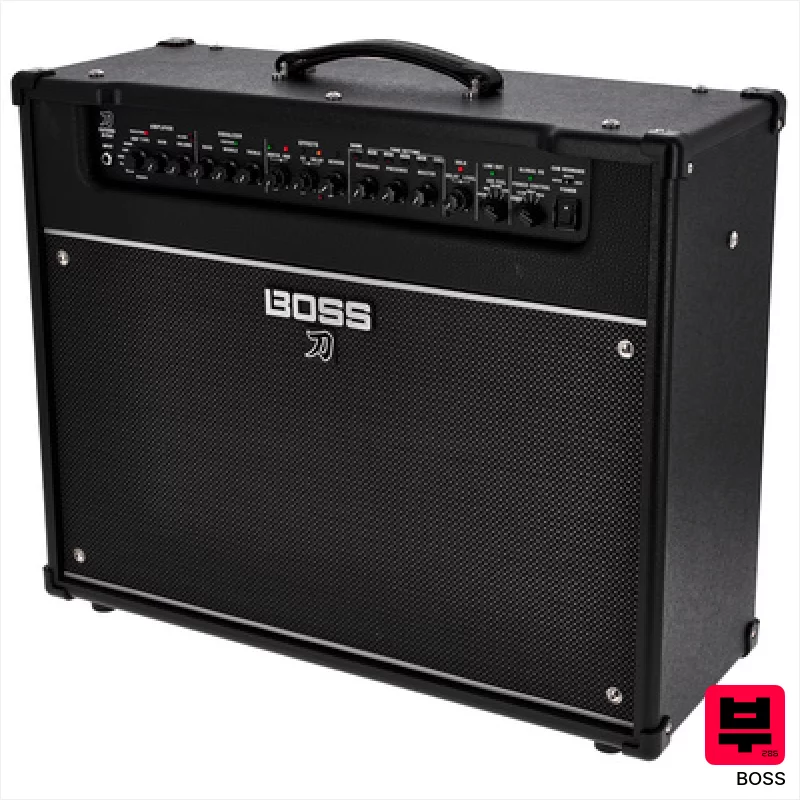
Boss Katana Artist Gen 3
- • Pushed amp model delivers genuinely responsive, high-gain tones.
- • Boss Tone Studio app offers deep customization and tonal sculpting.
- • Solo section provides a useful boost with built-in delay.
- • Excellent value; a lot of amp and effects for the price.
- • 12” speaker can feel a bit constrained at higher volumes.
- • While versatile, it's not a substitute for a truly high-end tube amp.
- • The 'Deep' cabinet setting can sound muddy with certain amp models.
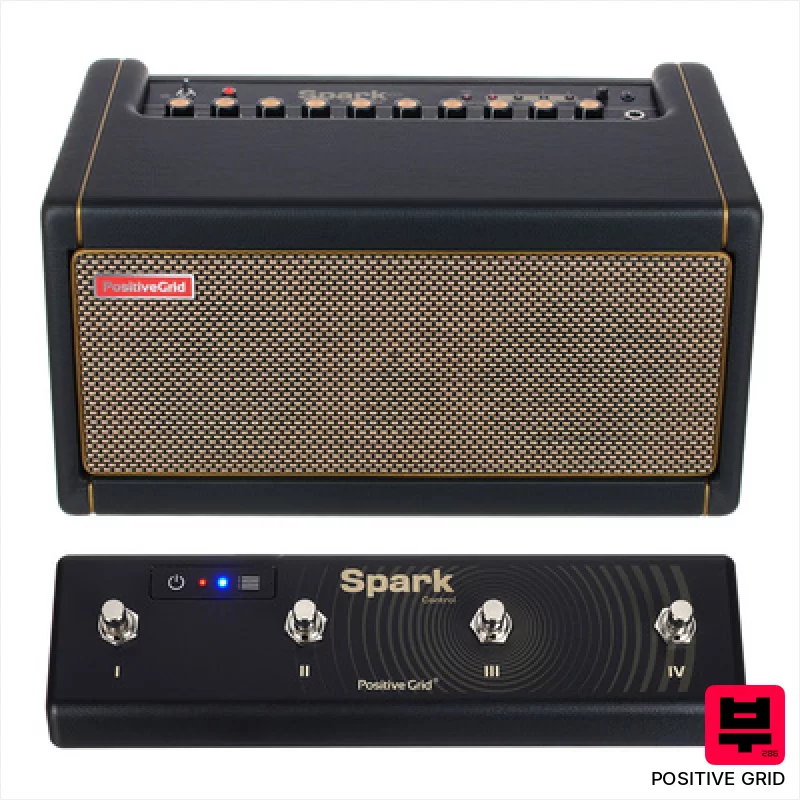
Positive Grid Spark 40 BK Bundle
- • Excellent app integration provides vast sound library and learning tools.
- • Smart Jam feature is genuinely useful for practicing and improvising.
- • Compact size and bass reflex design offer surprising low-end response.
- • Versatile enough for acoustic, electric guitar, and even bass practice.
- • 40 watts may be limiting for gigging or loud band rehearsals.
- • Plastic enclosure feels somewhat budget-oriented, lacking premium feel.
- • App reliance means functionality is tied to Positive Grid's ongoing support.
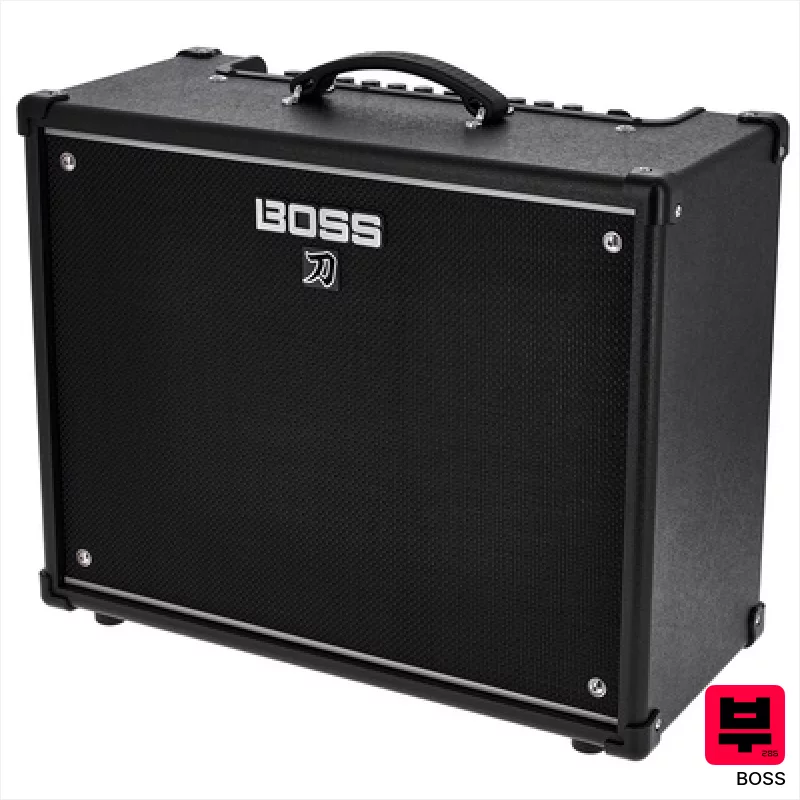
Boss Katana 100 Gen 3
- • Excellent value; delivers a surprising amount of tonal versatility for the price.
- • The 'Brown' amp model convincingly emulates a British combo with genuine character.
- • Boss’s Power Control feature allows for realistically scaled volumes for home practice.
- • Cab Resonance settings significantly alter the speaker's perceived response and feel.
- • The Celestion speaker, while decent, isn't a high-end audiophile component.
- • Effect loop routing is limited; more flexibility would be beneficial for advanced users.
- • The overall build feels a bit plasticky; lacks the premium heft of higher-end amps.
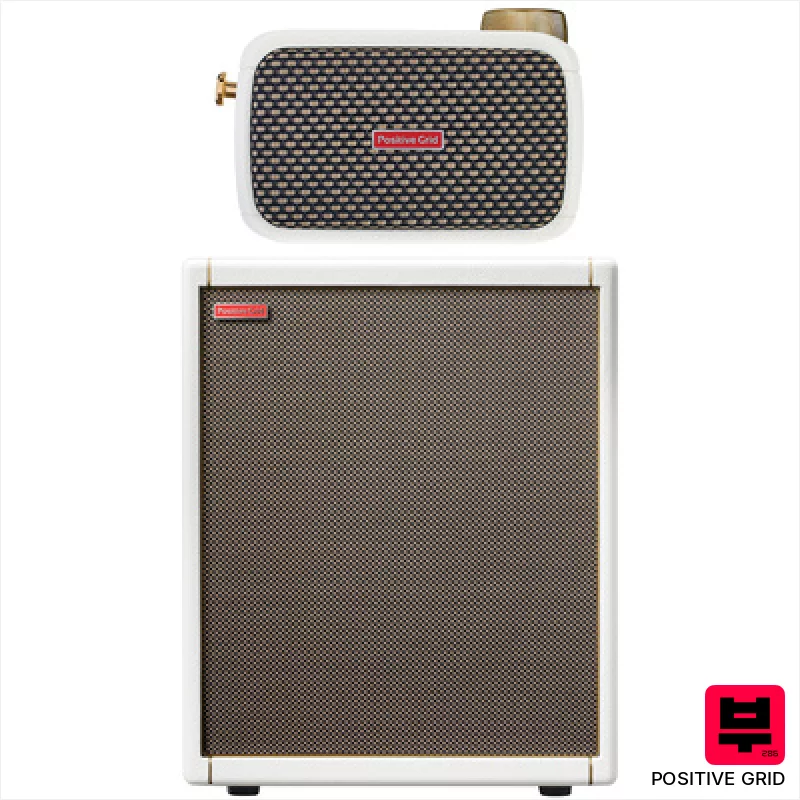
Positive Grid Spark Go PW Bundle
- • Spark CAB PW offers a flat frequency response for accurate monitoring.
- • MDF construction provides a surprisingly sturdy and resonant cabinet.
- • Ground lift eliminates hum, crucial for stage or studio use.
- • Versatile connectivity – XLR, combo jacks, USB-C – expands usage.
- • The MDF cabinet, while sturdy, isn't as premium as all-birch construction.
- • 10” woofer/tweeter setup limits true low-end extension for bass-heavy genres.
- • Spark Go amp itself (not included in bundle) is limited in power for larger venues.

Boss Katana 100/212 Gen 3
- • Excellent amp models convincingly emulate classic Boss and Mesa tones.
- • The dual 12” speakers deliver a surprisingly full and powerful low-end response.
- • New voicing options significantly expand tonal possibilities beyond previous Katana iterations.
- • USB connectivity and room response adjustments are genuinely useful for recording.
- • The overall build quality, while decent, uses primarily MDF and feels somewhat lightweight.
- • Modulation effects, while present, lack the depth and complexity of dedicated units.
- • The 'Contour' feature can sometimes introduce a harsh mid-range boost.

Positive Grid Spark 40 PW
- • Smart Jam is surprisingly effective for practice and inspiration.
- • Compact size makes it ideal for small spaces or travel.
- • Onboard controls offer basic amp shaping without needing the app constantly.
- • Decent acoustic guitar response, a pleasant surprise for a combo amp.
- • 4” speakers lack serious low-end extension; bass response is limited.
- • Relies heavily on the app for full functionality; can feel restrictive.
- • Plastic cabinet construction feels less robust than a traditional amp.
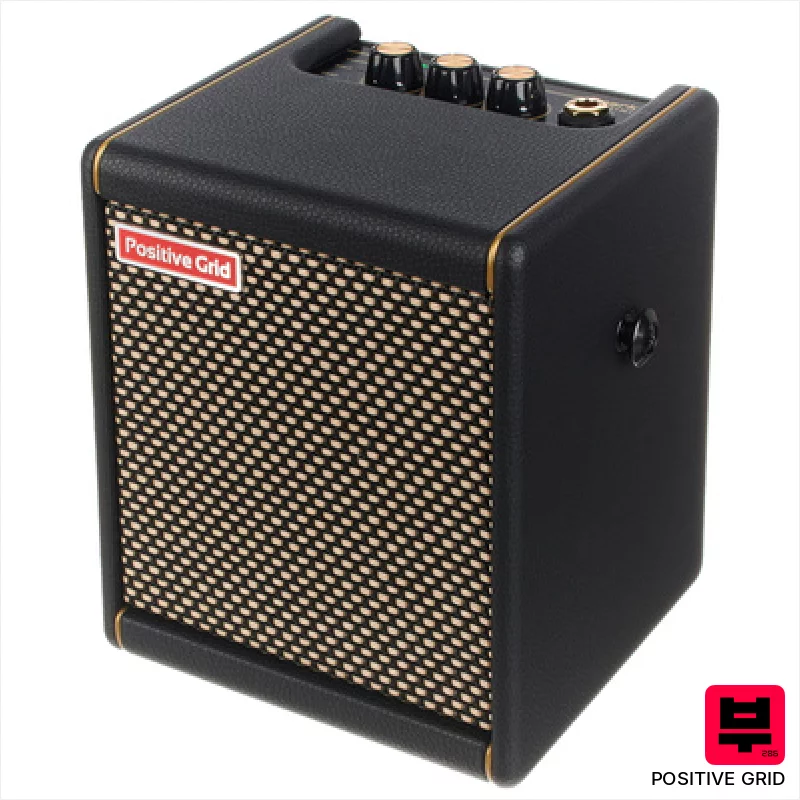
Positive Grid Spark Mini BK
- • Excellent portability thanks to integrated battery and compact design.
- • Smart Jam feature is genuinely useful for practice and inspiration.
- • Positive Grid's app provides a vast and constantly expanding sound library.
- • Passive radiator design delivers surprisingly full low-end for its size.
- • 10 watts is limiting for gigging or loud practice sessions.
- • 2” speakers lack the headroom for serious volume or bass response.
- • The plastic enclosure feels a bit budget-oriented despite the clever design.
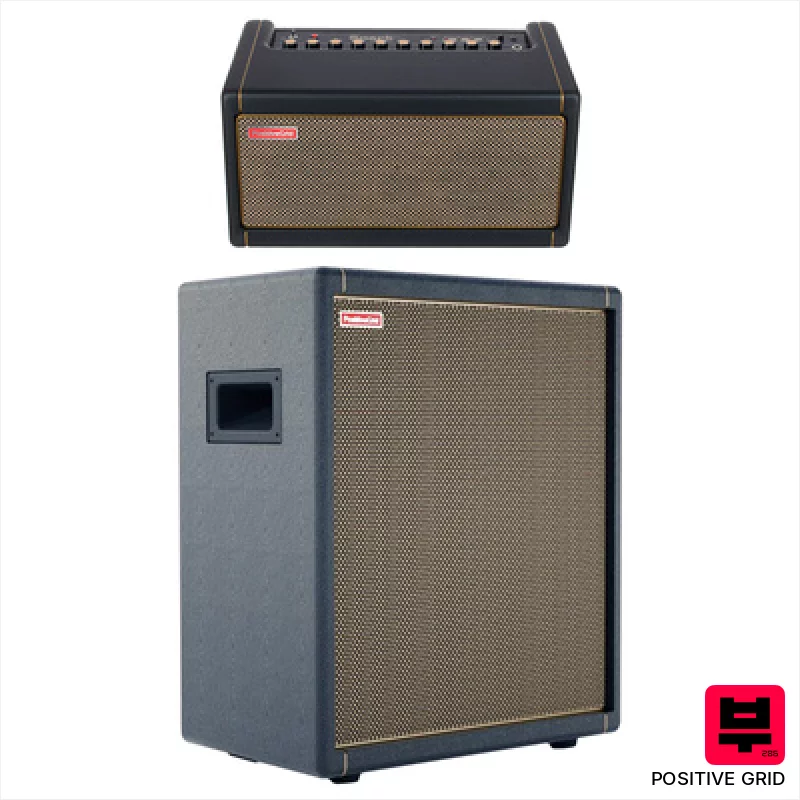
Positive Grid Spark 40 BK Bundle
- • Spark CAB expands sonic range, offering genuine full-frequency response.
- • MDF cabinet construction provides surprising rigidity for its size.
- • Ground lift eliminates hum, crucial for quieter recording environments.
- • Versatile connectivity (XLR, USB-C) expands usage beyond amp duties.
- • The MDF cabinet, while rigid, isn't as acoustically inert as premium plywood.
- • 140W is sufficient for practice/small gigs, but lacks serious stage volume.
- • Spark's amp models, while good, aren't a substitute for high-end boutique amps.
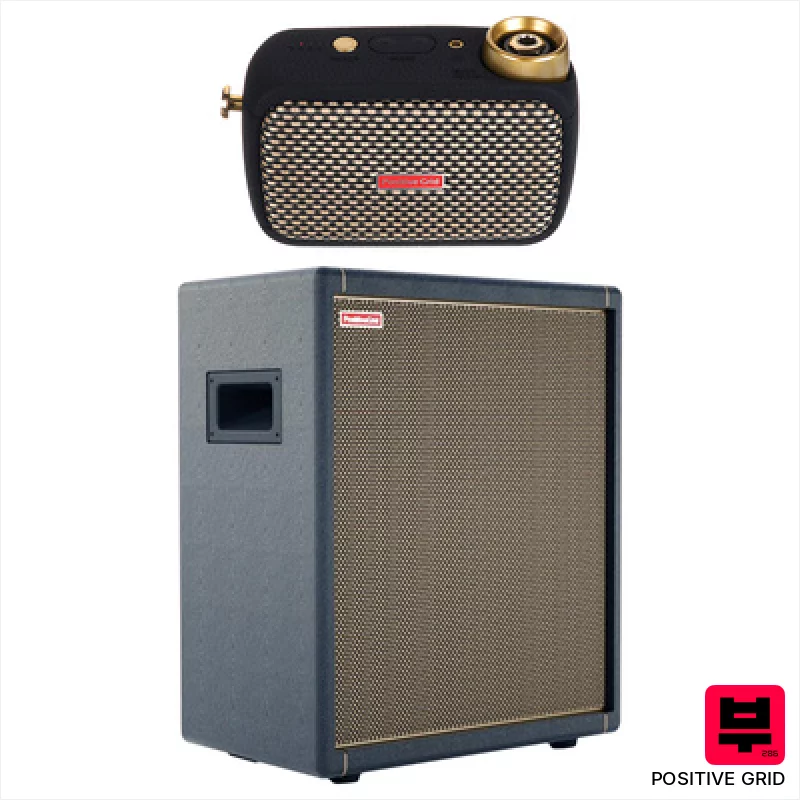
Positive Grid Spark Go BK Bundle
- • Spark CAB delivers substantial, clean power for small gigs.
- • MDF cabinet construction provides surprising rigidity for its size.
- • Flat-response speaker ensures accurate amp modeling reproduction.
- • Ground lift eliminates hum, crucial for quieter environments.
- • The MDF cabinet, while rigid, isn't as durable as plywood.
- • Limited physical EQ controls necessitate reliance on the app.
- • 140W is adequate, but lacks headroom for truly loud stages.
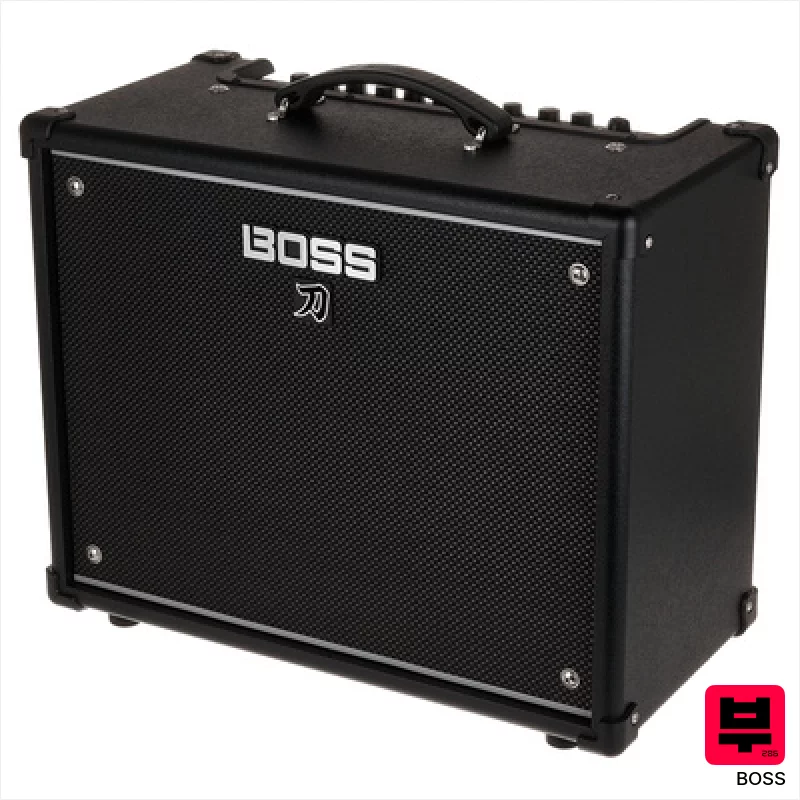
Boss Katana 50 EX Gen 3
- • Excellent 'Brown' amp voicings convincingly emulate tube saturation.
- • Tone Studio app provides deep customization beyond physical controls.
- • Versatile effects section offers usable delays, reverbs, and modulations.
- • Power control genuinely replicates cranked amp feel at lower volumes.
- • 12” speaker lacks ultimate low-end extension for heavier genres.
- • While improved, the cabinet’s plastic construction feels somewhat budget-oriented.
- • Footswitch functionality, while present, can feel slightly limited.
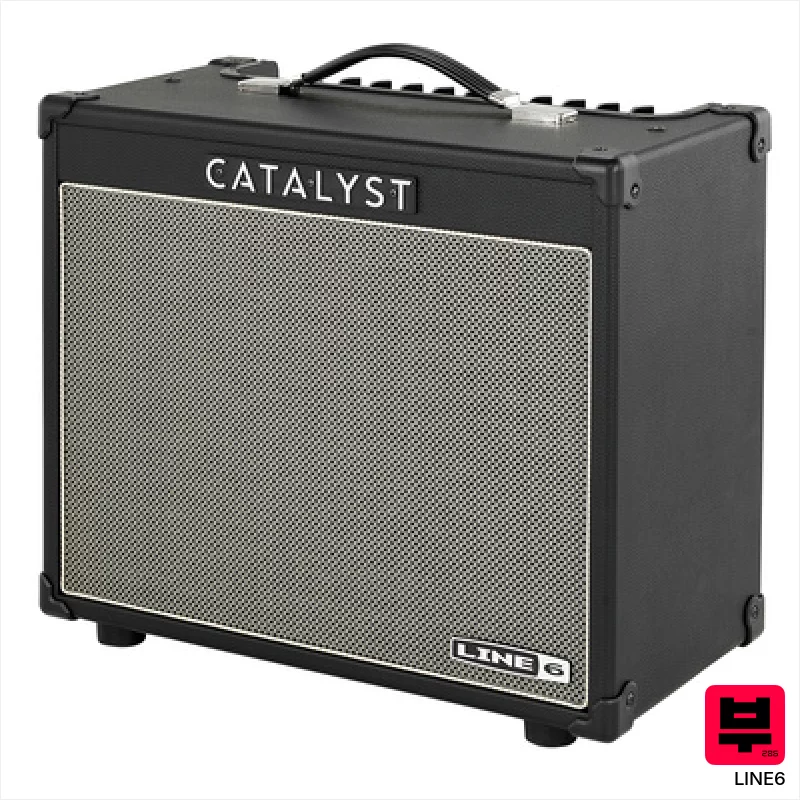
Line6 Catalyst CX 60
- • Excellent value for money, offering a huge range of tones.
- • The 12” speaker delivers a surprisingly full and warm low-end response.
- • Line 6's amp modeling is generally very accurate, especially for classic rock tones.
- • The integrated 4-channel audio interface is a serious bonus for recording.
- • The speaker, while good, isn’t a high-end Celestion or Jensen – some clarity is lost at high volumes.
- • The effects, while numerous, aren't as nuanced or inspiring as dedicated pedals.
- • The build quality, while decent, uses primarily MDF and feels a little lightweight for transport.
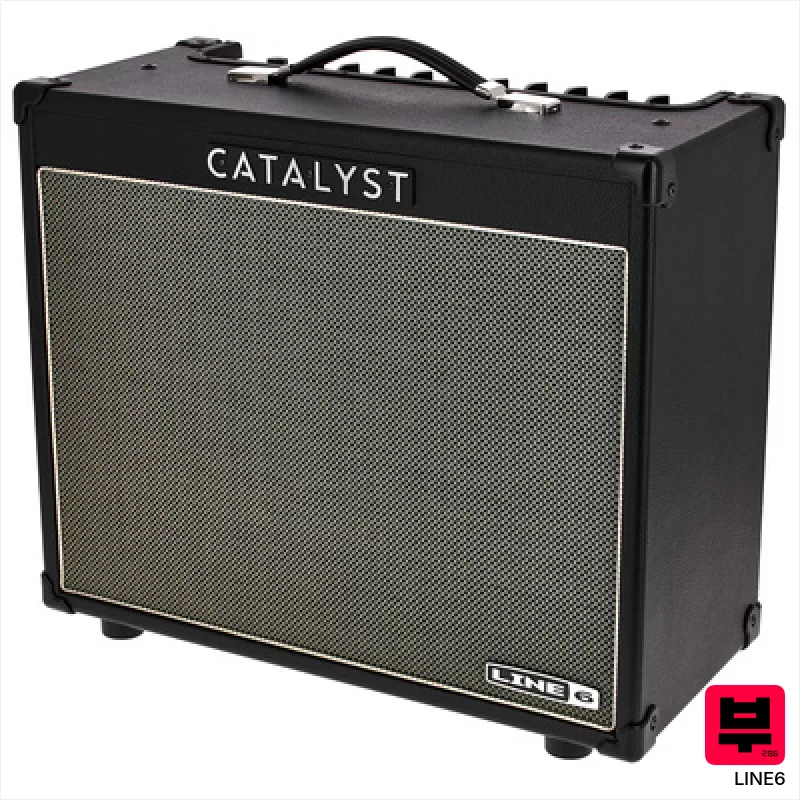
Line6 Catalyst CX 100
- • Excellent value: delivers a surprising amount of features for its class.
- • Line 6’s amp modeling is genuinely impressive, nailing classic tones well.
- • The 12” speaker provides a full, surprisingly robust sound at moderate volumes.
- • USB-C audio interface is a huge bonus for recording and silent practice.
- • Catalyst's effects, while decent, aren't as nuanced as dedicated pedals.
- • Build quality feels a little plasticky; not a gig-ready tank.
- • Limited EQ control per channel restricts fine-tuning amp models.
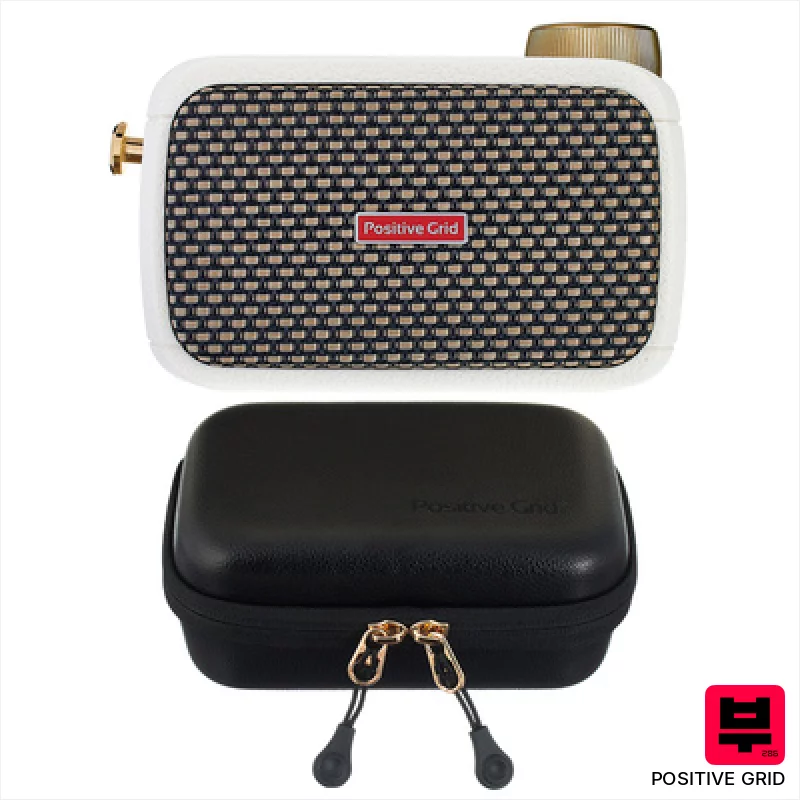
Positive Grid Spark Go PW Bundle
- • Surprisingly full sound for its size thanks to the passive radiator.
- • Spark app integration provides a vast and constantly updated tonal palette.
- • Excellent portability – truly a grab-and-go practice amp.
- • Smart Jam feature is legitimately useful for practicing and improvising.
- • 5 watts is sufficient for practice, but not gig-worthy; lacks headroom.
- • Build quality feels somewhat plasticky; not a premium, robust feel.
- • Limited physical controls can be restrictive for advanced tweaking.
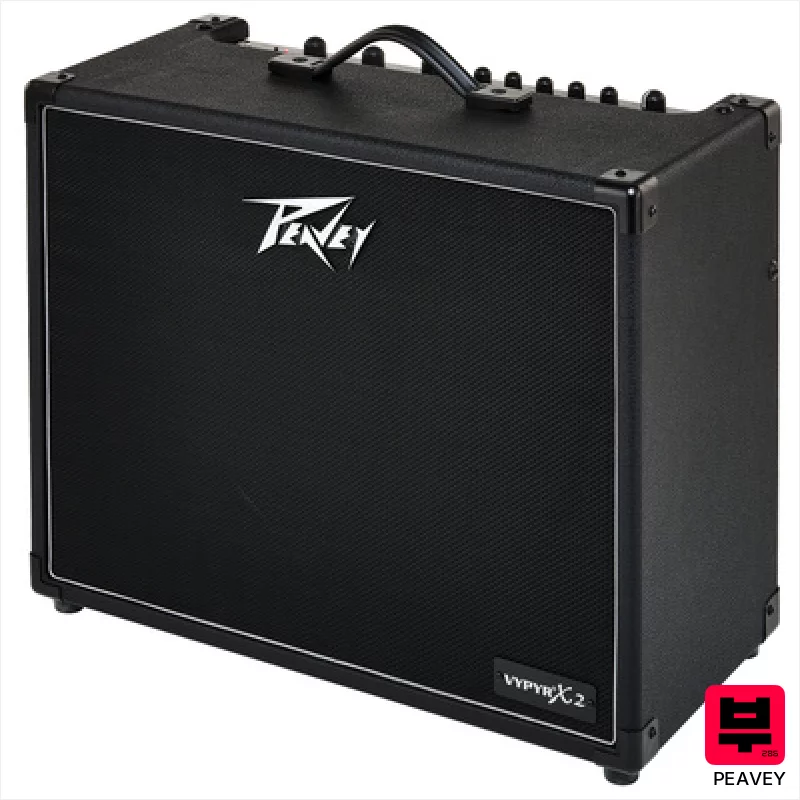
Peavey Vypyr X2
- • TransTube preamp delivers surprisingly authentic, warm tube-like saturation.
- • Versatile amp models cover a wide range of genres, from clean to high-gain.
- • Built-in effects offer decent quality for practice and casual playing.
- • Bluetooth connectivity adds convenience for backing tracks and jamming along.
- • The 12” speaker limits low-end response, especially at lower volumes.
- • Plastic enclosure feels less robust than amps with metal chassis.
- • Looper functionality is basic, lacking advanced features found in dedicated units.
How to Choose the Best Modelling Guitar Combos
Tone Quality
This isn't just about having a Marshall or a Fender model. It's about the character of those models - do they have that fat midrange honk you're after, or are they just thin and brittle? We're looking for models with realistic responsiveness and nuanced breakup.
Impulse Responses (IRs)
A killer amp model is useless without good cab sims. Bad IRs sound boxy and lifeless. The best modelling combos offer a selection of quality IRs, or even the ability to load your own, which is a massive advantage for dialing in a truly authentic tone.
Connectivity & Features
Direct outputs are a must for recording, obviously. But look for USB audio interfaces built in, MIDI control for deeper editing, and headphone jacks for late-night practice. A decent noise floor is also key - hiss in the background is a recording killer.
Versatility
Can it cover your needs? If you're a blues player, a combo heavy on high-gain metal models isn't going to cut it. Think about the genres you play and ensure the combo offers a good range of tones to suit them.
Dynamic Response & Feel
A modelling amp is only as good as how it feels to play. Does it react to your picking dynamics? Does it have a natural compression when you dig in? A lifeless amp will kill your articulation and make your recordings sound sterile.
Buying Guide
Modelling combos are great, but remember, they're still compromises. The cheaper ones often skimp on the IRs, resulting in a 'cardboard box' sound. Don't be fooled by a massive list of amp models - a few good models are better than a hundred mediocre ones. Invest in a decent pair of studio monitors to truly hear what you're recording; a bad amp into a bad speaker into a bad monitor is a recipe for frustration.
Our Methodology
We're not looking at spec sheets here. Our evaluations are based on hands-on playing, A/B comparisons against real amps (where possible), and critically, how these combos translate through a typical home recording setup - interface, DAW, monitors. We're listening for the nuances: how the breakup feels, how the dynamics respond, and whether the tones cut through a mix or just muddy up the low-end. It's about what sounds good, not what a press release says.

