
Best MIDI Footswitches for Multi Device Control 2026
So, you're wrestling with a signal chain that's longer than your amp's power cable? Switching between multiple amp models, effects, and even loopers can be a real headache if you're stuck stomping on a pile of individual pedals. MIDI footswitches are the solution, but not all of them are created equal - especially when it comes to truly controlling multiple devices simultaneously. Let's break down what to look for to actually improve your live and studio workflow.
Last updated: July 22, 2026 • Next update: July 29, 2026
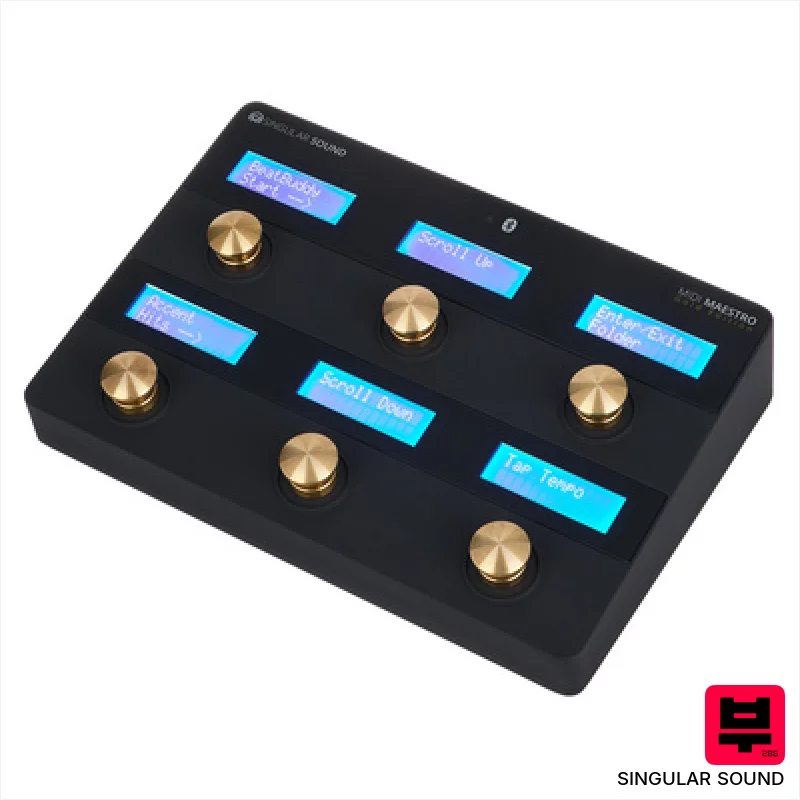
Singular Sound Midi Maestro GE Controller
- • Gold-colored footswitches offer a premium feel and visual appeal.
- • Customizable screens significantly improve preset visibility during live performance.
- • Dynamic pages per preset allow for complex MIDI command sequences.
- • Daisy-chaining expands control possibilities for extensive rigs.
- • The unit's weight (510g) can be a factor for pedalboard portability.
- • Limited to six footswitches might restrict advanced control needs.
- • Reliance on a mobile app for initial setup can be cumbersome for some users.
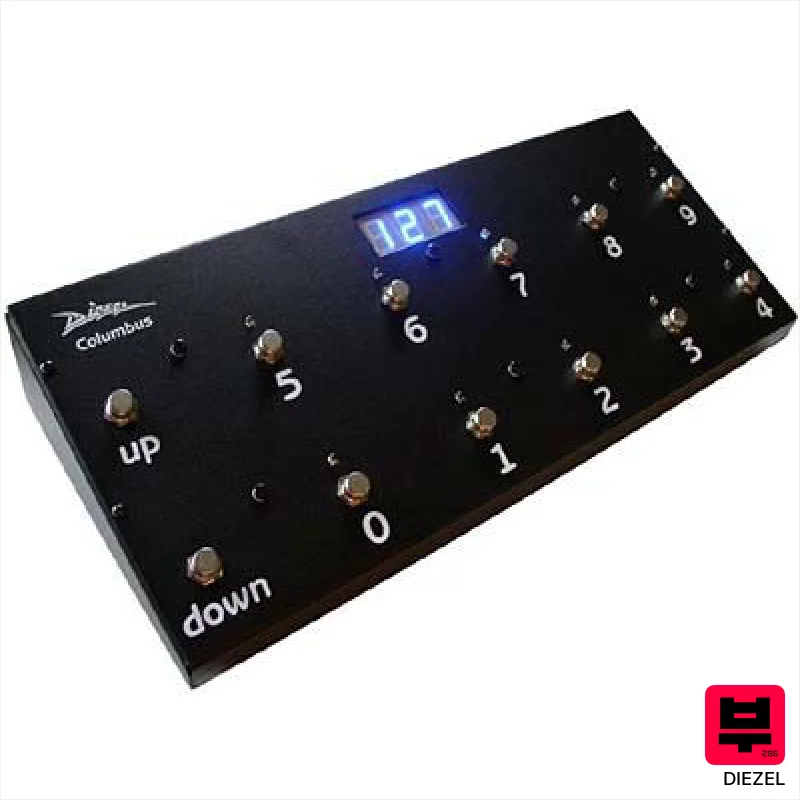
Diezel Columbus
- • Robust, metal footswitches provide tactile feedback and reliable performance.
- • Diezel Herbert integration simplifies complex amp routing and tonal shaping.
- • Large, backlit LED display ensures clear visibility even on dimly lit stages.
- • Bank up/down switches offer quick navigation through preset banks.
- • Limited compatibility – specifically excludes ENGL amplifiers, a significant restriction.
- • Requires optional interface for standard MIDI functionality, adding to overall cost.
- • The Herbert-specific connection limits versatility with other amp brands.

Fishman FC1 Foot Controller
- • Intuitive LCD simplifies program navigation and editing.
- • Solid build quality; feels robust for gigging use.
- • Integrated tuner is genuinely useful mid-performance.
- • Expression pedal input adds dynamic control over sounds.
- • Limited MIDI functionality compared to higher-end controllers.
- • TriplePlay dependency restricts broader MIDI device compatibility.
- • Footswitches feel a bit small, potentially awkward for larger feet.
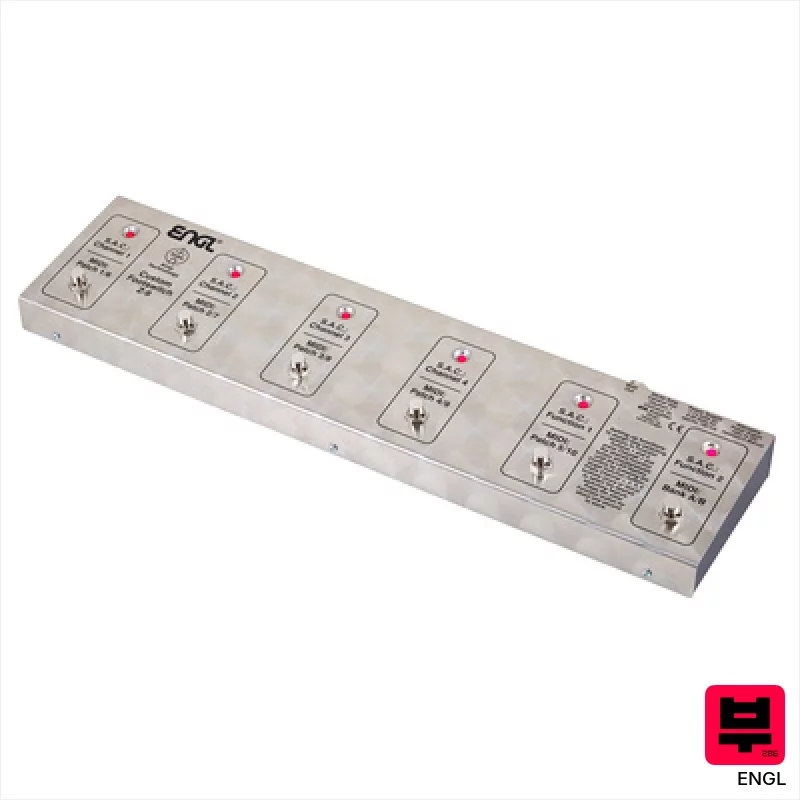
Engl Z9 MIDI Foot Controller
- • Robust metal housing provides excellent durability for stage use
- • S.A.C. mode offers simple, amp-powered control without extra gear
- • Six buttons allow for decent preset and function switching
- • Bank A/B functionality doubles the available control options
- • Requires a separate power supply for full MIDI functionality, adding cost/complexity
- • Limited button count restricts extensive program changes in complex setups
- • Connection versatility is restricted by the need for specific Engl amps for S.A.C.
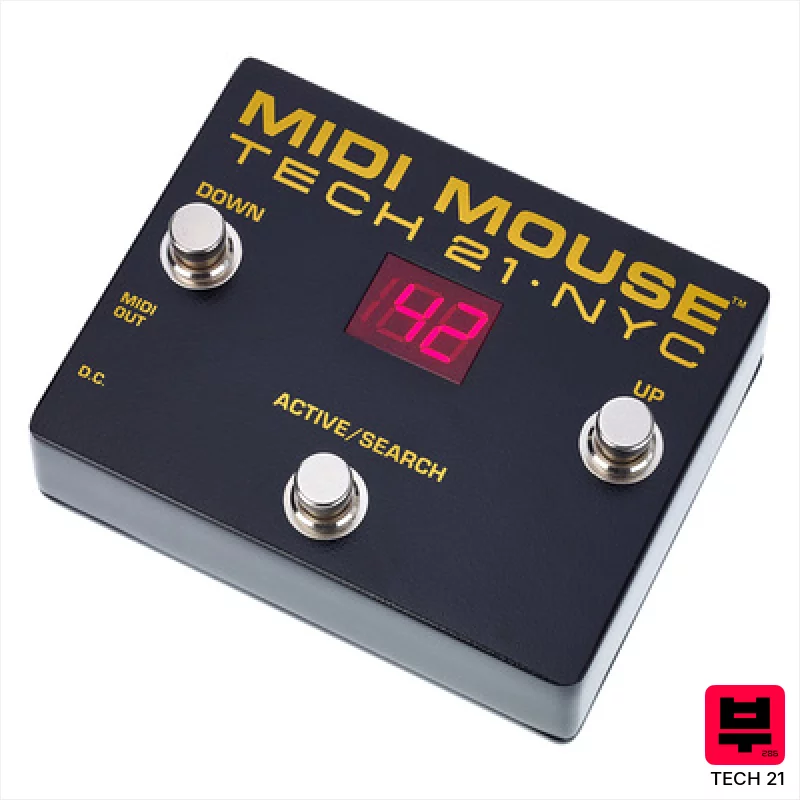
Tech 21 SansAmp MIDI Mouse
- • Compact size makes it ideal for pedalboard travel and cramped setups
- • Intuitive Up/Down and Activ/Search buttons streamline preset changes
- • Clear LED display ensures visibility even on dark stages
- • Versatile power options – battery, phantom, or external supply
- • Limited number of presets compared to larger MIDI controllers
- • Small form factor may make button operation less precise for some users
- • Reliance on MIDI connectivity limits standalone functionality
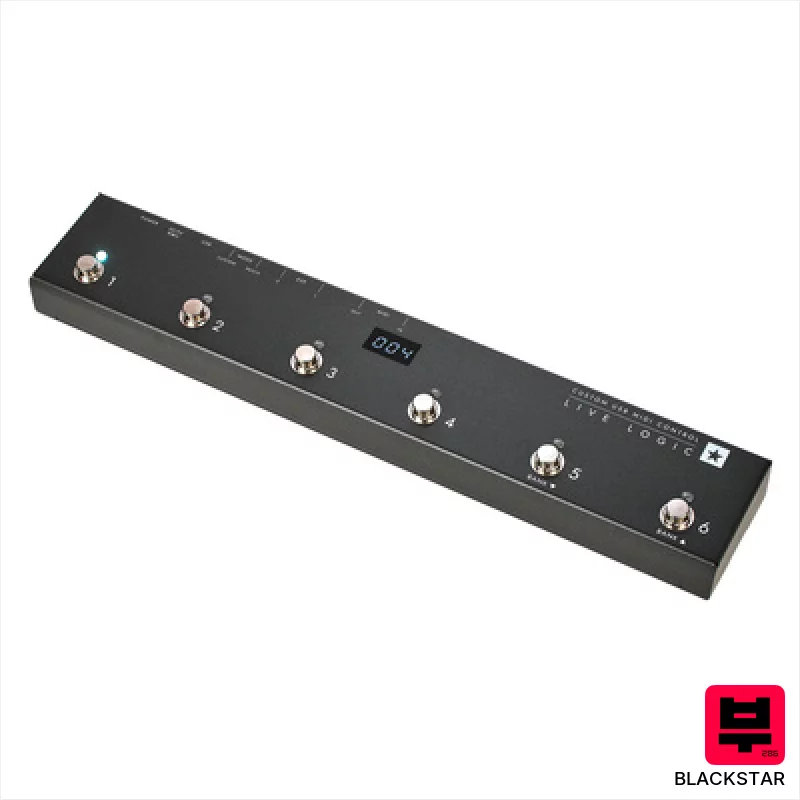
Blackstar Live Logic
- • Robust metal housing offers excellent road-worthiness
- • Six-way switch provides immediate, flexible control options
- • Expression pedal inputs expand dynamic performance possibilities
- • Ableton Live Lite inclusion adds immediate creative potential
- • Limited preset storage might frustrate complex setups
- • Relatively heavy for a compact MIDI controller
- • Requires a separate power supply, increasing overall cost
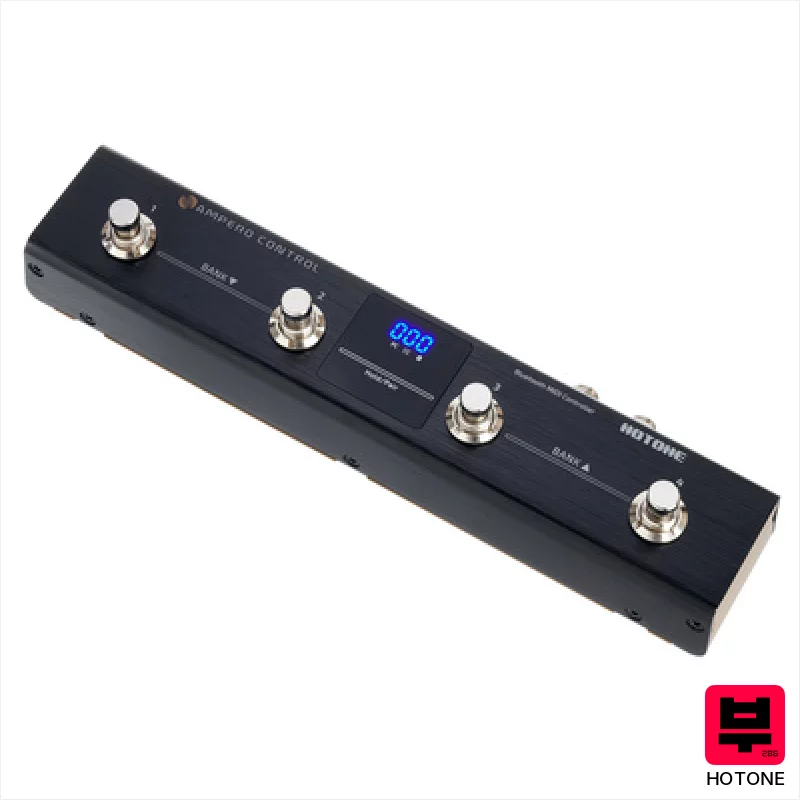
Hotone Ampero Control
- • Robust aluminum enclosure offers excellent protection during gigging.
- • User-friendly mobile app simplifies complex MIDI programming.
- • Flexible MIDI connectivity (USB, Bluetooth, standard MIDI) expands versatility.
- • Four footswitches with A/B grouping provide substantial control options.
- • Limited to 100 banks may feel restrictive for extensive setups.
- • No battery operation restricts use to powered environments.
- • The 3-digit LED display is somewhat basic and lacks detailed information.

Engl Z12
- • Solid metal housing provides exceptional durability for gigging.
- • 12 buttons offer extensive program switching capabilities.
- • Phantom power option simplifies setup with Engl amplifiers.
- • Robust build quality reflects Engl's reputation for reliability.
- • Limited compatibility outside of the Engl ecosystem.
- • The size and weight (2.8 kg) make it less portable.
- • No backlight on buttons could be an issue in dimly lit environments.
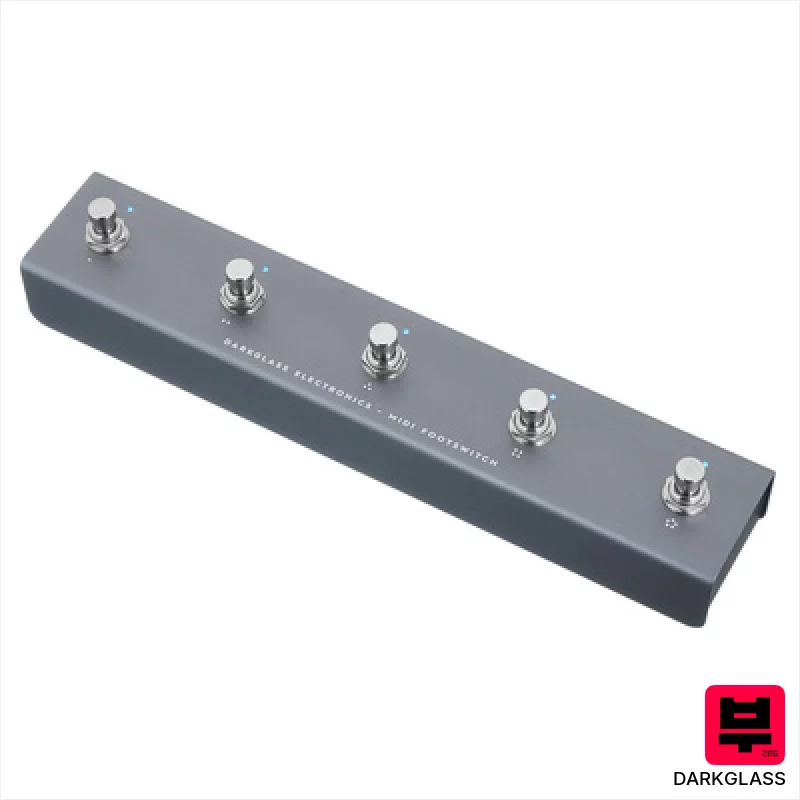
Darkglass Midi Footswitch
- • Darkglass Suite integration simplifies setup; templates streamline workflow significantly.
- • Robust build quality; the metal chassis feels solid and durable for stage use.
- • Flexible power options—USB, DC, or amp power—enhance portability and convenience.
- • Simultaneous MIDI message sending enables complex, layered control possibilities.
- • Limited to Darkglass ecosystem; broader MIDI compatibility would be a plus.
- • Form factor is a bit bulky; might be cumbersome for very small pedalboards.
- • Price point places it at the higher end of basic MIDI footswitch options.
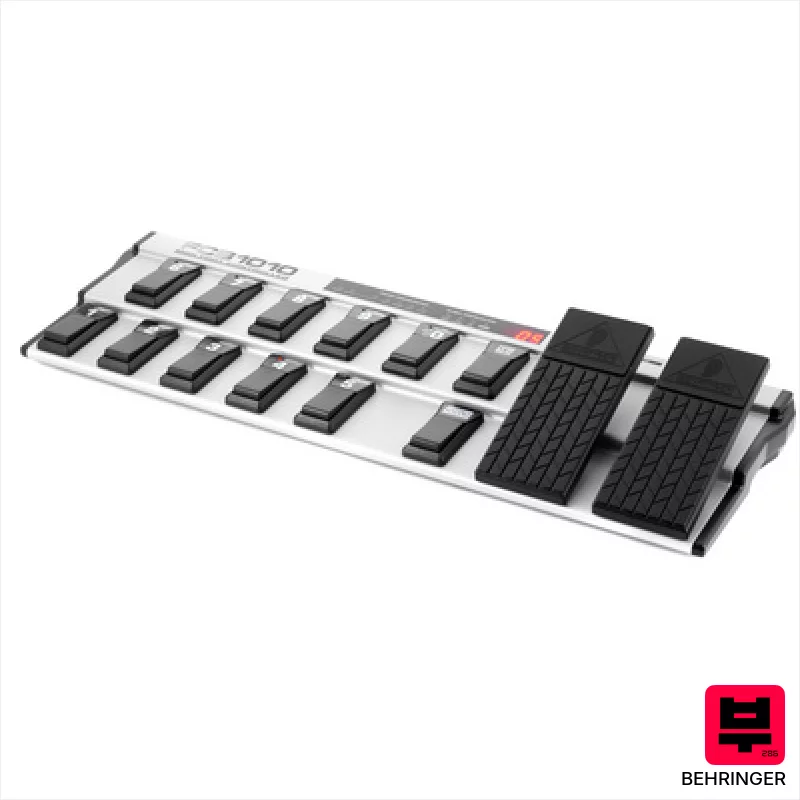
Behringer FCB1010
- • 10 banks of 10 presets offer extensive program change flexibility
- • MIDI merge capability simplifies complex multi-device setups
- • Expression pedals provide nuanced real-time control over amp parameters
- • Robust construction feels surprisingly solid for its price bracket
- • Plastic construction feels less premium than higher-end alternatives
- • Limited tactile feedback on footswitches can hinder quick, confident changes
- • MIDI implementation, while functional, lacks advanced features found in pro units
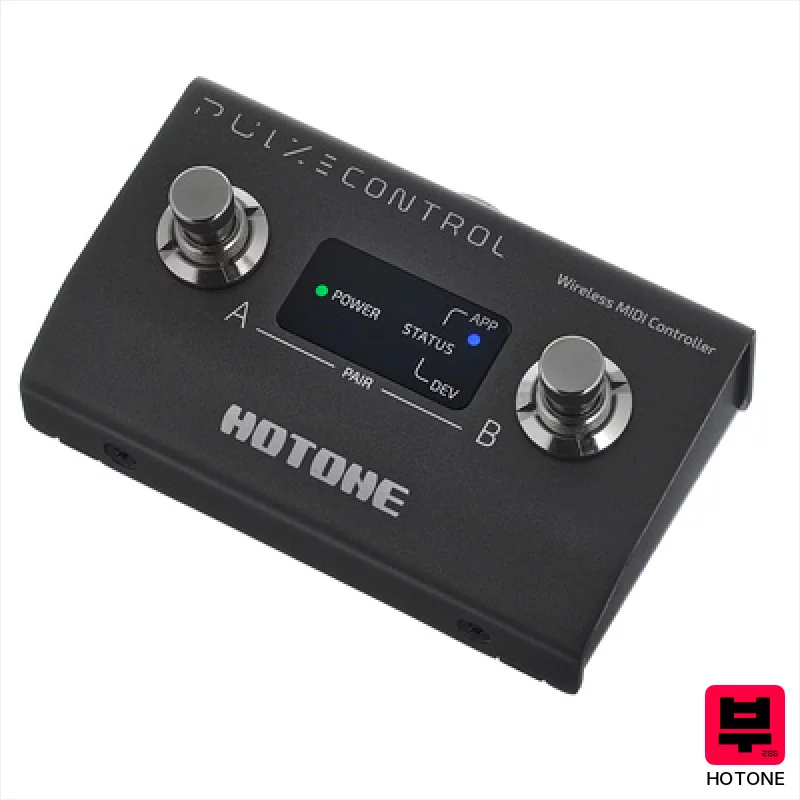
Hotone Pulze Control
- • Compact size ideal for pedalboards or travel setups.
- • Host/Client mode unlocks broader MIDI device compatibility.
- • App-based customization provides flexible control options.
- • Solid build quality suggests durability for gigging use.
- • Limited physical controls beyond footswitches can feel restrictive.
- • Battery life, while decent, might require frequent charging for extensive use.
- • Reliance on a mobile app for full configuration is a potential drawback.
How to Choose the Best MIDI Footswitches
MIDI Implementation
It's not just about sending/receiving MIDI; it's about the depth of control. Can it handle Program Change, Bank Select, CC messages, and SysEx? The more you can manipulate, the more versatile it becomes. A switch that only does basic presets is a paperweight.
Physical Build & Feel
Gigging is brutal. A flimsy plastic enclosure or mushy switch action won't last a tour. We're looking for robust construction, reliable switches with a positive click, and a feel that inspires confidence under pressure.
Programmability & Interface
How easy is it to map these things? Some interfaces are a nightmare of cryptic menus. A clear, logical layout and intuitive editing is crucial for quick changes on the fly - especially when you're staring down a packed club.
Momentary/Latching Modes
This is critical for different effects and amp switching needs. Momentary switches are great for tap delays or morphing between sounds, while latching switches are ideal for on/off effects or selecting presets. The ability to toggle between these is a huge plus.
Expression Control Integration
Can it be used to control parameters like reverb decay time, distortion gain, or wah position? Adding expression control elevates the switch from a simple preset selector to a dynamic performance tool - letting you shape your tone on the fly.
Buying Guide
Don't be fooled by flashy features you won't use. The sweet spot is usually a switch with solid MIDI implementation, a dependable build, and a user-friendly interface. Cheaper units often cut corners on the MIDI chip itself, leading to unreliable communication and frustrating latency. Spending a bit more upfront for something reliable will save you headaches (and potentially a blown fuse) down the road.
Our Methodology
We don't just look at spec sheets here. We've spent countless hours plugging these switches into a variety of rigs - from bedroom recording setups to loud club stages - using everything from boutique amp sims to vintage tube amps. We're A/B'ing against the alternative (manual pedal switching!) to see if these things actually deliver on their promise and don't just add another layer of complexity.

