
Best MIDI Footswitches for Midi Control 2026
So, you're diving into MIDI control - smart move. It's the key to unlocking serious flexibility in your rig, whether you're dialing in amp tones on the fly, switching loops, or triggering synths. But a basic footswitch just won't cut it. Let's break down the best MIDI footswitches out there for guitarists and bassists who actually want to use MIDI control, not just have it as a checkbox feature.
Last updated: July 22, 2026 • Next update: July 29, 2026
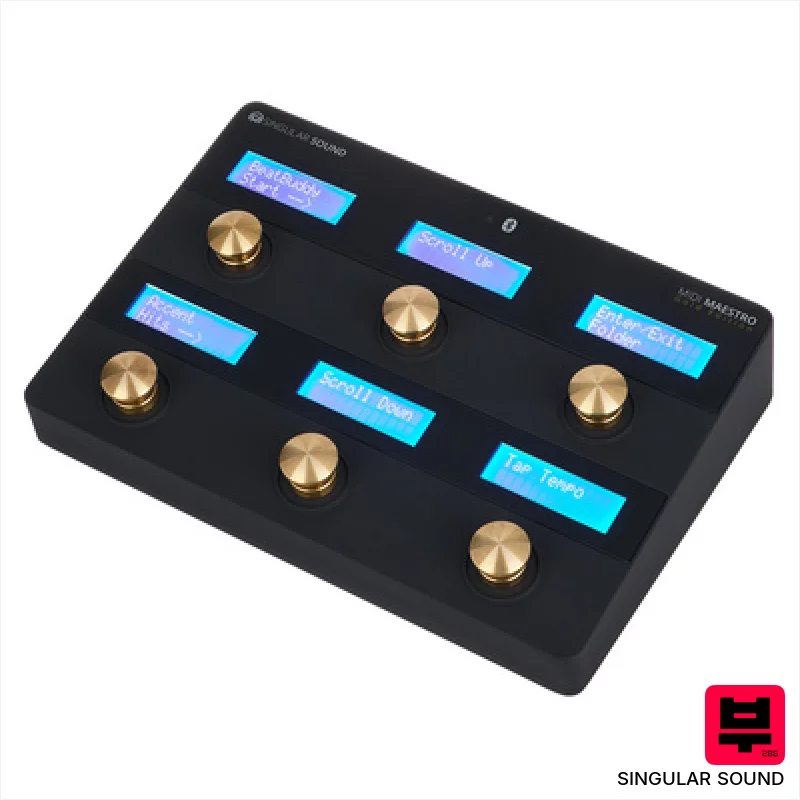
Singular Sound Midi Maestro GE Controller
- • Gold-colored footswitches offer a premium feel and visual appeal.
- • Customizable screens significantly improve preset visibility during live performance.
- • Dynamic pages per preset allow for complex MIDI command sequences.
- • Daisy-chaining expands control possibilities for extensive rigs.
- • The unit's weight (510g) can be a factor for pedalboard portability.
- • Limited to six footswitches might restrict advanced control needs.
- • Reliance on a mobile app for initial setup can be cumbersome for some users.

Fishman FC1 Foot Controller
- • Intuitive LCD simplifies program navigation and editing.
- • Solid build quality; feels robust for gigging use.
- • Integrated tuner is genuinely useful mid-performance.
- • Expression pedal input adds dynamic control over sounds.
- • Limited MIDI functionality compared to higher-end controllers.
- • TriplePlay dependency restricts broader MIDI device compatibility.
- • Footswitches feel a bit small, potentially awkward for larger feet.
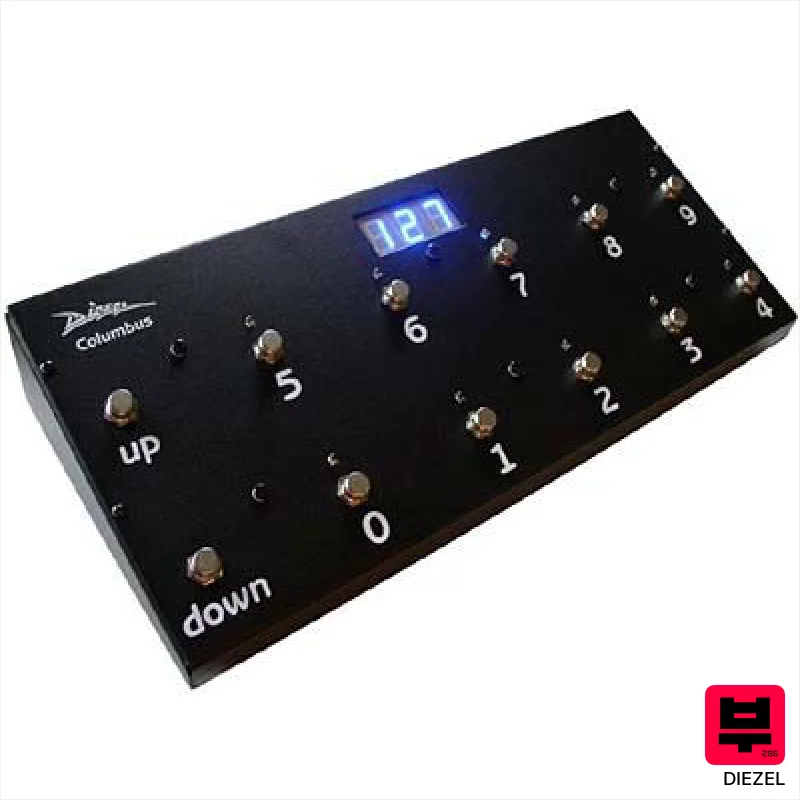
Diezel Columbus
- • Robust, metal footswitches provide tactile feedback and reliable performance.
- • Diezel Herbert integration simplifies complex amp routing and tonal shaping.
- • Large, backlit LED display ensures clear visibility even on dimly lit stages.
- • Bank up/down switches offer quick navigation through preset banks.
- • Limited compatibility – specifically excludes ENGL amplifiers, a significant restriction.
- • Requires optional interface for standard MIDI functionality, adding to overall cost.
- • The Herbert-specific connection limits versatility with other amp brands.
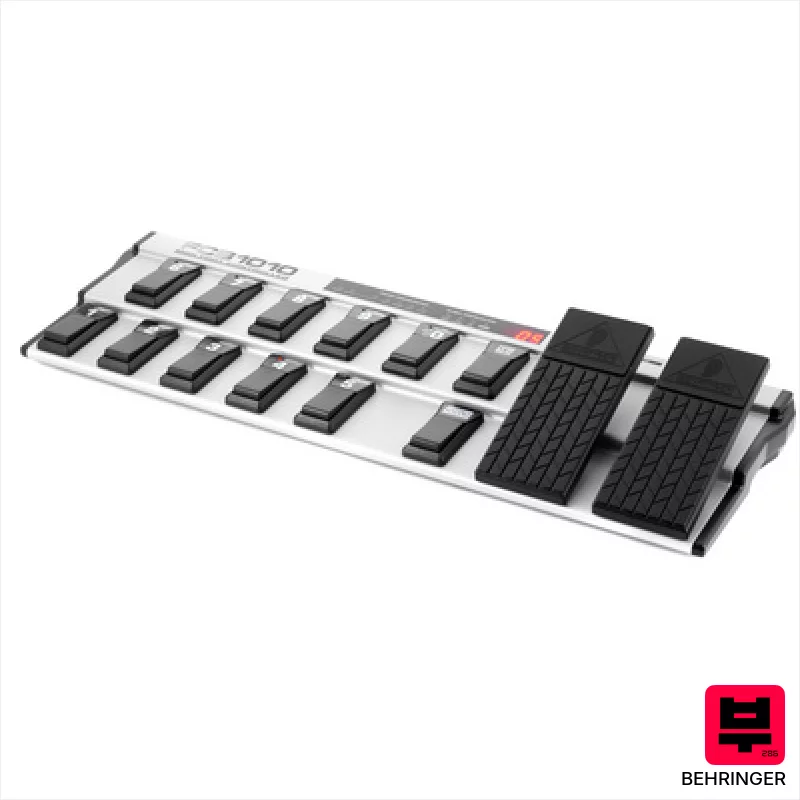
Behringer FCB1010
- • 10 banks of 10 presets offer extensive program change flexibility
- • MIDI merge capability simplifies complex multi-device setups
- • Expression pedals provide nuanced real-time control over amp parameters
- • Robust construction feels surprisingly solid for its price bracket
- • Plastic construction feels less premium than higher-end alternatives
- • Limited tactile feedback on footswitches can hinder quick, confident changes
- • MIDI implementation, while functional, lacks advanced features found in pro units
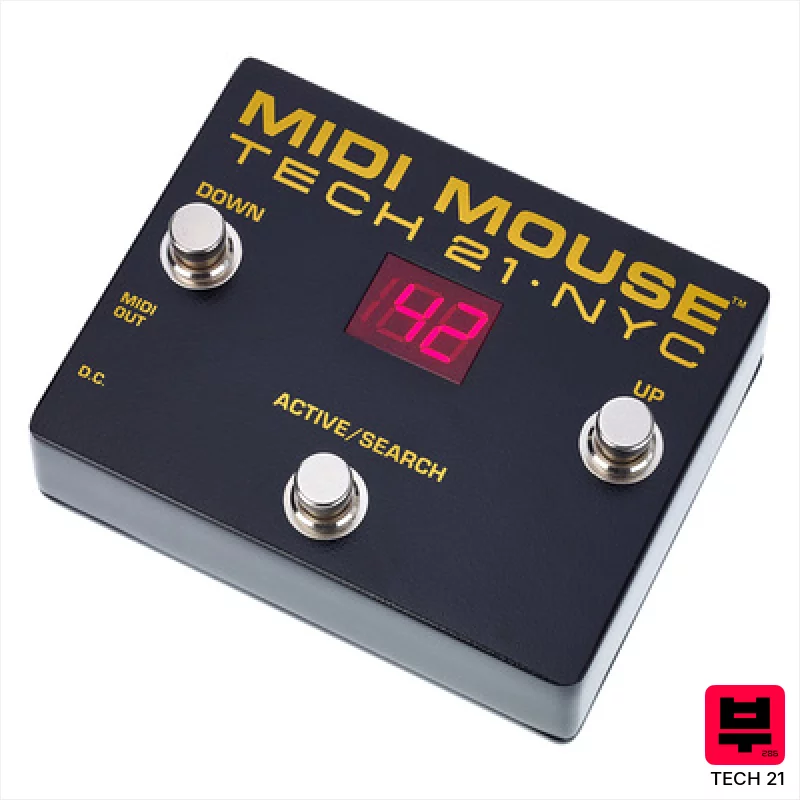
Tech 21 SansAmp MIDI Mouse
- • Compact size makes it ideal for pedalboard travel and cramped setups
- • Intuitive Up/Down and Activ/Search buttons streamline preset changes
- • Clear LED display ensures visibility even on dark stages
- • Versatile power options – battery, phantom, or external supply
- • Limited number of presets compared to larger MIDI controllers
- • Small form factor may make button operation less precise for some users
- • Reliance on MIDI connectivity limits standalone functionality
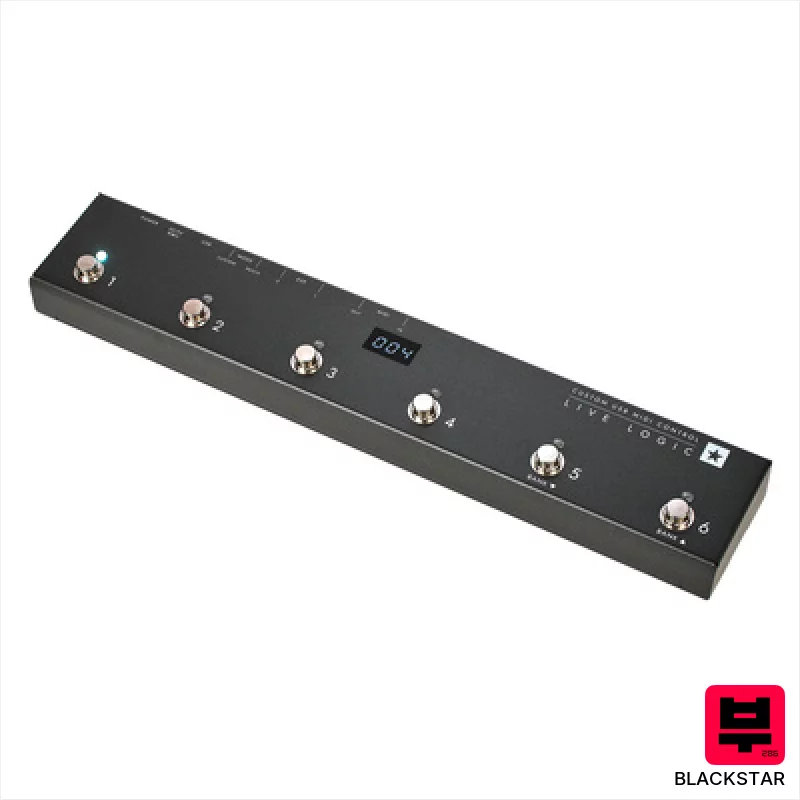
Blackstar Live Logic
- • Robust metal housing offers excellent road-worthiness
- • Six-way switch provides immediate, flexible control options
- • Expression pedal inputs expand dynamic performance possibilities
- • Ableton Live Lite inclusion adds immediate creative potential
- • Limited preset storage might frustrate complex setups
- • Relatively heavy for a compact MIDI controller
- • Requires a separate power supply, increasing overall cost
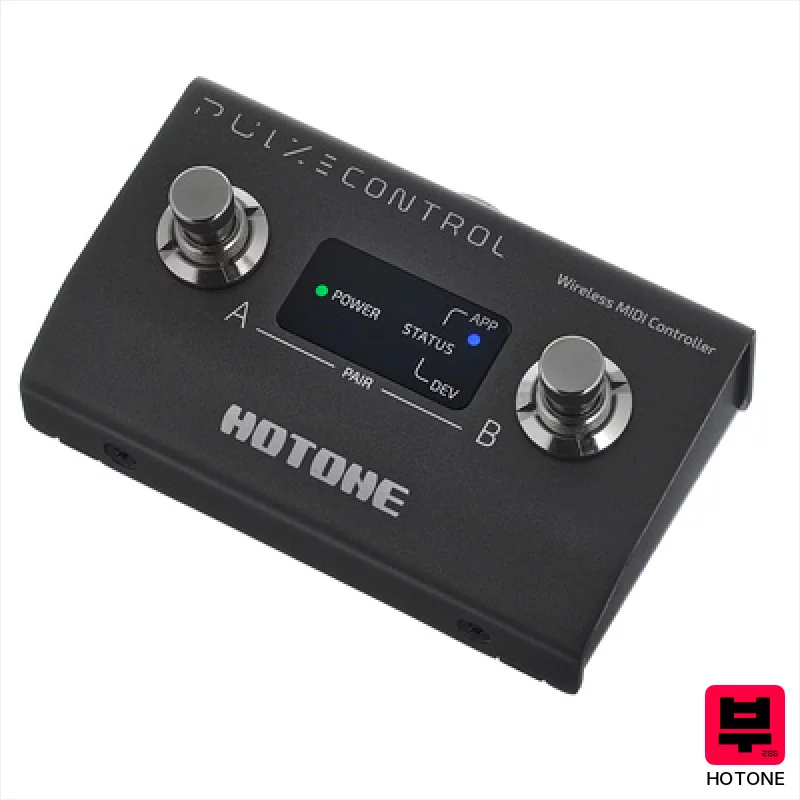
Hotone Pulze Control
- • Compact size ideal for pedalboards or travel setups.
- • Host/Client mode unlocks broader MIDI device compatibility.
- • App-based customization provides flexible control options.
- • Solid build quality suggests durability for gigging use.
- • Limited physical controls beyond footswitches can feel restrictive.
- • Battery life, while decent, might require frequent charging for extensive use.
- • Reliance on a mobile app for full configuration is a potential drawback.
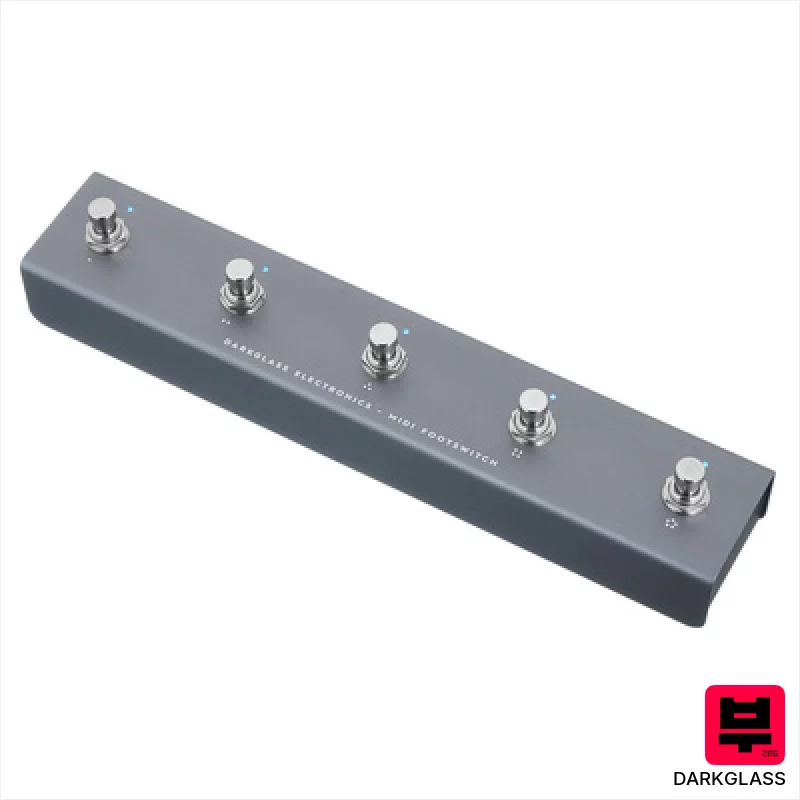
Darkglass Midi Footswitch
- • Darkglass Suite integration simplifies setup; templates streamline workflow significantly.
- • Robust build quality; the metal chassis feels solid and durable for stage use.
- • Flexible power options—USB, DC, or amp power—enhance portability and convenience.
- • Simultaneous MIDI message sending enables complex, layered control possibilities.
- • Limited to Darkglass ecosystem; broader MIDI compatibility would be a plus.
- • Form factor is a bit bulky; might be cumbersome for very small pedalboards.
- • Price point places it at the higher end of basic MIDI footswitch options.
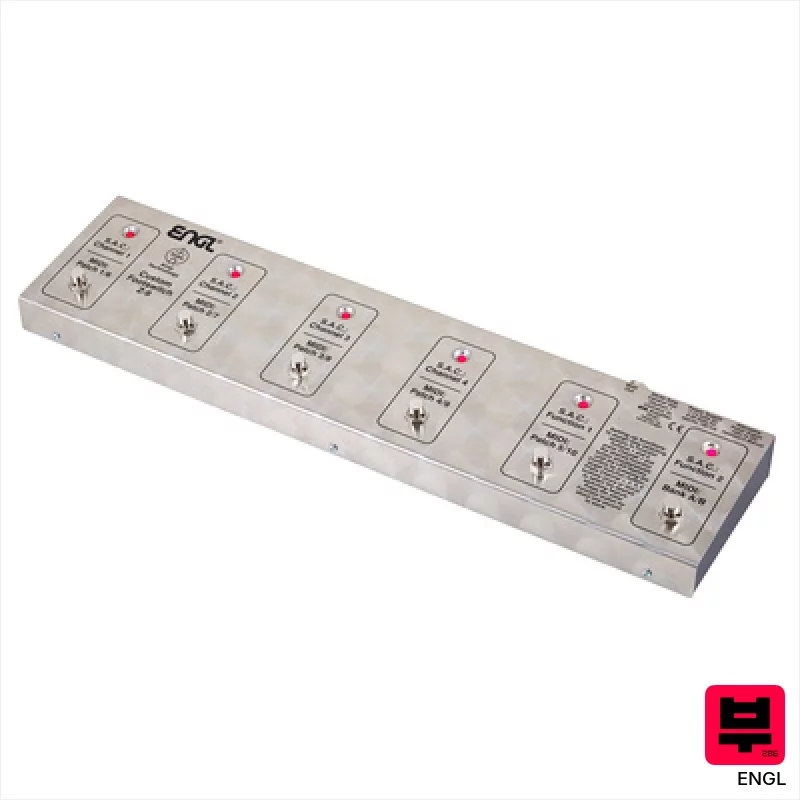
Engl Z9 MIDI Foot Controller
- • Robust metal housing provides excellent durability for stage use
- • S.A.C. mode offers simple, amp-powered control without extra gear
- • Six buttons allow for decent preset and function switching
- • Bank A/B functionality doubles the available control options
- • Requires a separate power supply for full MIDI functionality, adding cost/complexity
- • Limited button count restricts extensive program changes in complex setups
- • Connection versatility is restricted by the need for specific Engl amps for S.A.C.

Engl Z12
- • Solid metal housing provides exceptional durability for gigging.
- • 12 buttons offer extensive program switching capabilities.
- • Phantom power option simplifies setup with Engl amplifiers.
- • Robust build quality reflects Engl's reputation for reliability.
- • Limited compatibility outside of the Engl ecosystem.
- • The size and weight (2.8 kg) make it less portable.
- • No backlight on buttons could be an issue in dimly lit environments.
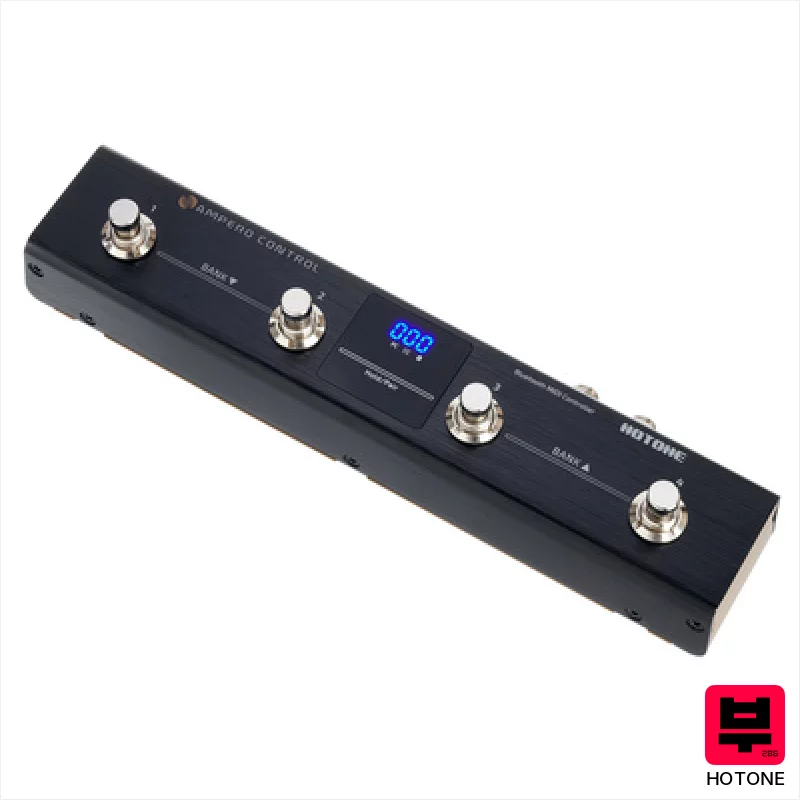
Hotone Ampero Control
- • Robust aluminum enclosure offers excellent protection during gigging.
- • User-friendly mobile app simplifies complex MIDI programming.
- • Flexible MIDI connectivity (USB, Bluetooth, standard MIDI) expands versatility.
- • Four footswitches with A/B grouping provide substantial control options.
- • Limited to 100 banks may feel restrictive for extensive setups.
- • No battery operation restricts use to powered environments.
- • The 3-digit LED display is somewhat basic and lacks detailed information.
How to Choose the Best MIDI Footswitches
Durability
Let's be real, these get stomped on. Cheap plastic switches will fail fast, especially in a gigging situation. We're looking for solid construction, metal enclosures, and switches that can take a beating without feeling mushy.
Response Time & Reliability
A lag between stomp and action is frustrating and throws off your timing. MIDI communication needs to be rock-solid, no dropped messages or unpredictable behavior, especially when switching between drastically different tones.
Programmability & Versatility
Simple on/off isn't enough. The best switches let you assign multiple MIDI messages per switch, allowing for complex changes. We want options for moment switches, latching, and custom MIDI CC assignments.
LED Visibility
Stage lighting can be brutal. Dim or poorly diffused LEDs are useless. Bright, clear LEDs that are visible even under a red stage wash are a must.
Foot Feel & Size
A comfortable and predictable stomp is crucial. Switches that are too small or too large can be awkward, and a mushy feel makes accurate switching difficult. We're looking for a solid 'click' and a stable platform.
Buying Guide
Don't cheap out here. A flimsy footswitch is a constant source of frustration. Entry-level switches often skimp on the internal components and build quality, leading to unreliable performance and a short lifespan. Spending a bit more on a well-built, programmable switch will save you headaches down the road and actually let you use the MIDI control features to their full potential. Consider your needs - a simple two-button setup for amp switching is different than a complex, multi-button rig for loop control and synth manipulation.
Our Methodology
We didn't just look at spec sheets here. We've spent weeks plugging these into various amp modelers, loopers, and synth setups, running them through band rehearsals and even a few club gigs. We're judging these based on how they feel underfoot, how reliably they respond, and how well they integrate into a real-world playing scenario - not just what the marketing materials claim.

