
Best Master Keyboards (up to 25 Keys) Under $200 2026
Alright, so you need a compact MIDI controller - 25 keys or less - but you're not about to drop a fortune. I get it. I've been there, gigging with gear that cost less than a decent lunch. This isn't about chasing flagship features; it's about finding the most playable, reliable, and expressive little keyboard for the money. Let's cut through the hype and find you something that'll actually inspire you.
Last updated: September 29, 2026
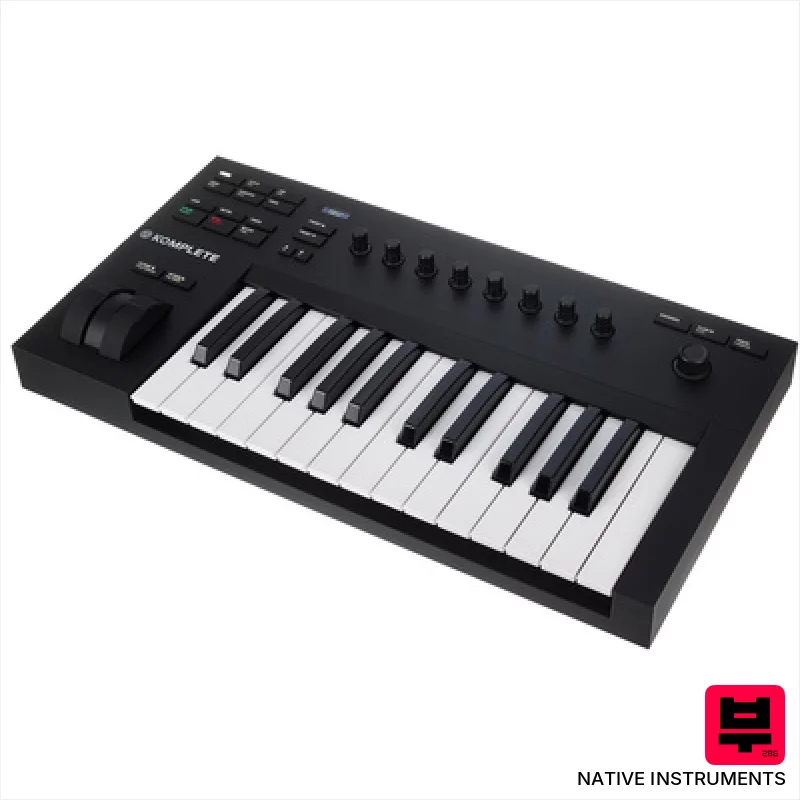
Native Instruments Komplete Kontrol A25
- • Compact size ideal for limited desk space and portability
- • OLED display provides clear visual feedback on parameters
- • Integrated Smart Play simplifies chord progressions and melodies
- • Komplete 15 Select offers a substantial software bundle for immediate creativity
- • Semi-weighted action feels light and lacks nuanced expression
- • Limited key count restricts complex chord voicings and playing styles
- • 4D encoder, while innovative, has a learning curve and can feel imprecise
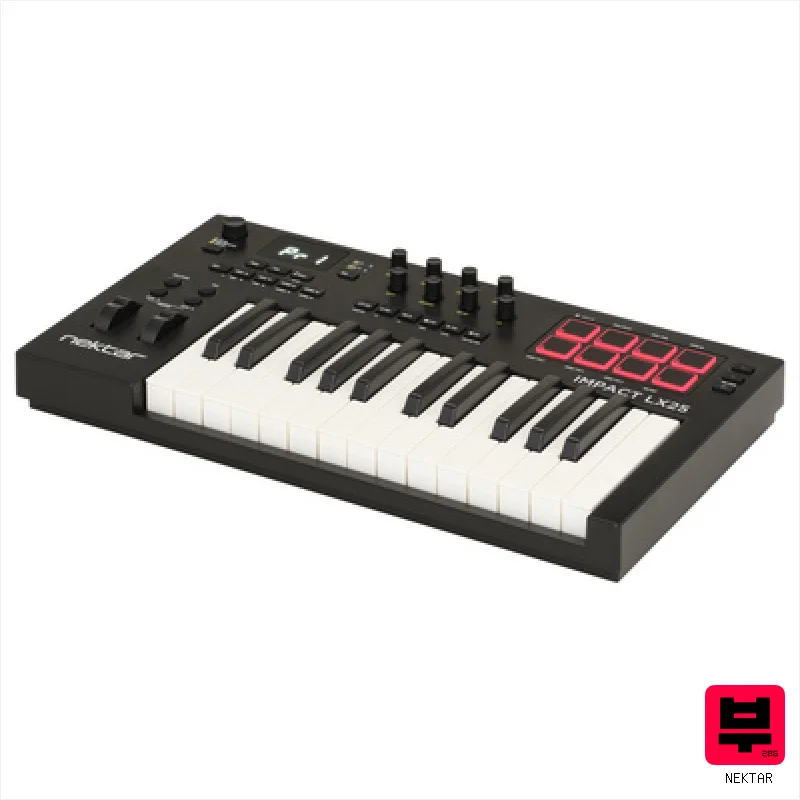
Nektar Impact LX25 mk3
- • Clean action keys feel smooth for fast playing.
- • Built-in NKS control works with many instruments.
- • LED pads show lighting for visual feedback.
- • Compact size fits small stages easily.
- • No built-in audio interface for recording.
- • Synthesizer sounds require external software.
- • Limited to 25 keys on the board.

Miditech Midistart Music 25 Bag Bundle
- • Durable nylon backpack offers excellent protection for gear.
- • Large keys are surprisingly playable for a 25-key controller.
- • Included Samplitude SE software provides a useful starting point.
- • Compact size and lightweight design enhance portability significantly.
- • The joystick feels plasticky and lacks precision for nuanced control.
- • Limited knob/fader count restricts more complex DAW parameter mapping.
- • Keys are velocity-sensitive but lack aftertouch functionality.

Novation Launchkey 25 MK4
- • Excellent integration with Ableton Live and other Novation software.
- • Responsive, velocity-sensitive keys offer a surprisingly playable feel.
- • Polyphonic aftertouch on pads adds expressive rhythmic possibilities.
- • Compact size makes it ideal for smaller workspaces and travel.
- • Keys lack aftertouch, limiting expressive piano playing potential.
- • Plastic build feels somewhat budget-oriented, though reasonably sturdy.
- • Limited key range restricts playing complex chords and basslines.
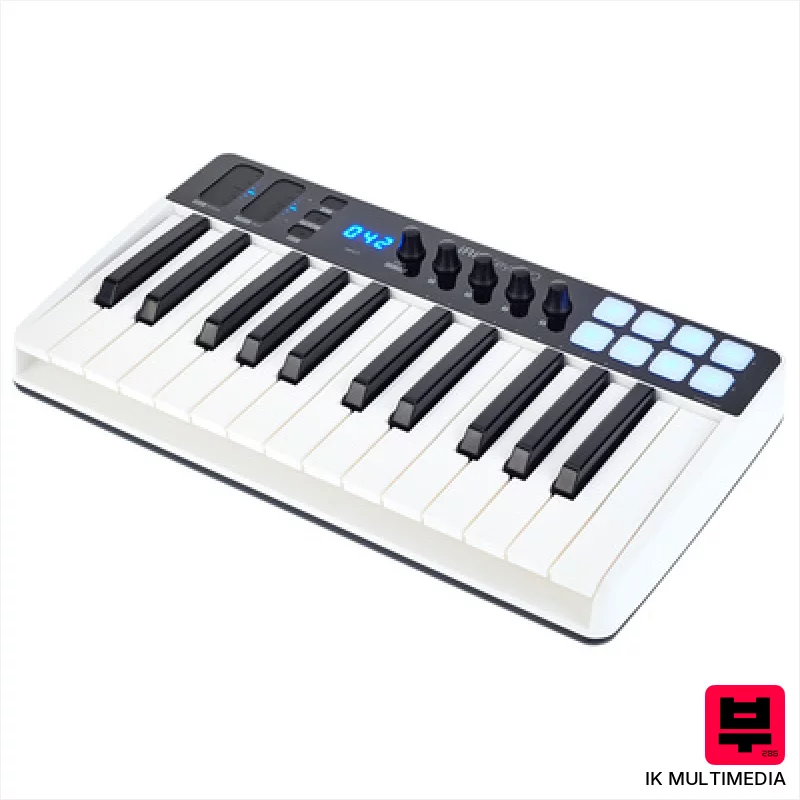
IK Multimedia iRig Keys I/O 25
- • Integrated audio interface simplifies recording workflows considerably.
- • Compact size makes it incredibly portable for mobile music creation.
- • Assignable pads offer versatile control over software instruments.
- • Touch strips add expressive possibilities for modulation effects.
- • 25 keys limit its suitability for complex piano pieces or arrangements.
- • Plastic build feels somewhat budget-oriented; lacks premium feel.
- • Mini-DIN connector is a bit archaic and limits future expandability.
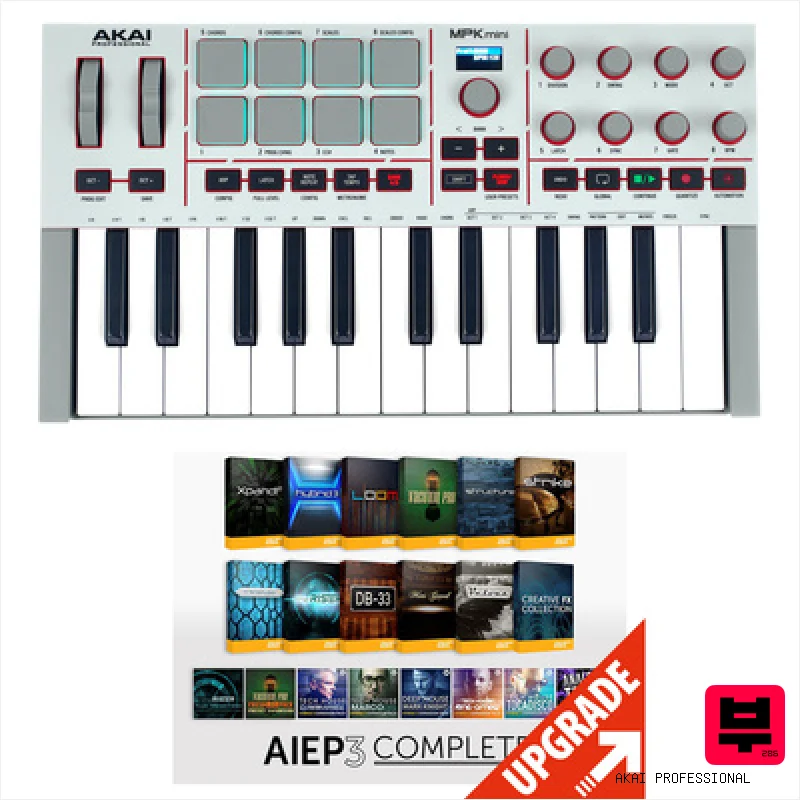
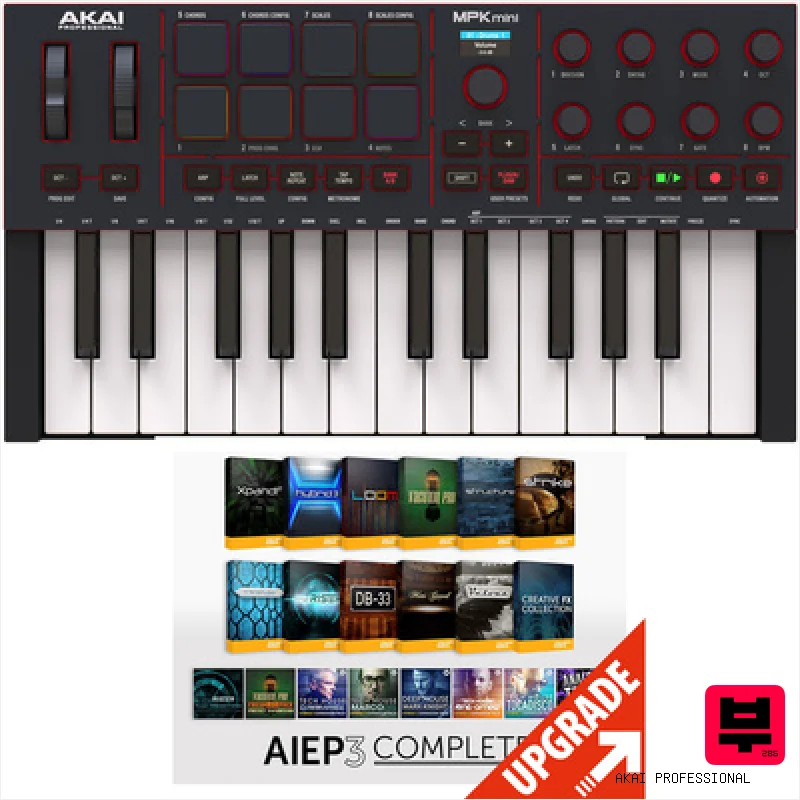
AKAI Professional MPK Mini IV Gray-AIEP3 Bundle
- • Includes ten major AIR plugins for diverse sounds
- • Offers hybrid wavetable and tube synth options
- • Provides virtual drummer and organ simulations
- • Adds classic effects and sampler presets
- • Very small keyboard with limited keys
- • No built-in audio interface or speakers
- • Lacks USB audio output for recording
AKAI Professional MPK Mini IV Black-AIEP3 Bundle
- • Includes a full hybrid wavetable synth and tube synthesizer
- • Features a complete virtual drummer and vintage electric pianos
- • Adds a multitrack workstation and classic effects collection
- • Provides presets for organ, grand piano, and transition tools
- • Only supports up to 25 keys for a limited range
- • Lacks a built-in audio interface for recording
- • Does not list any physical hardware specs like knobs
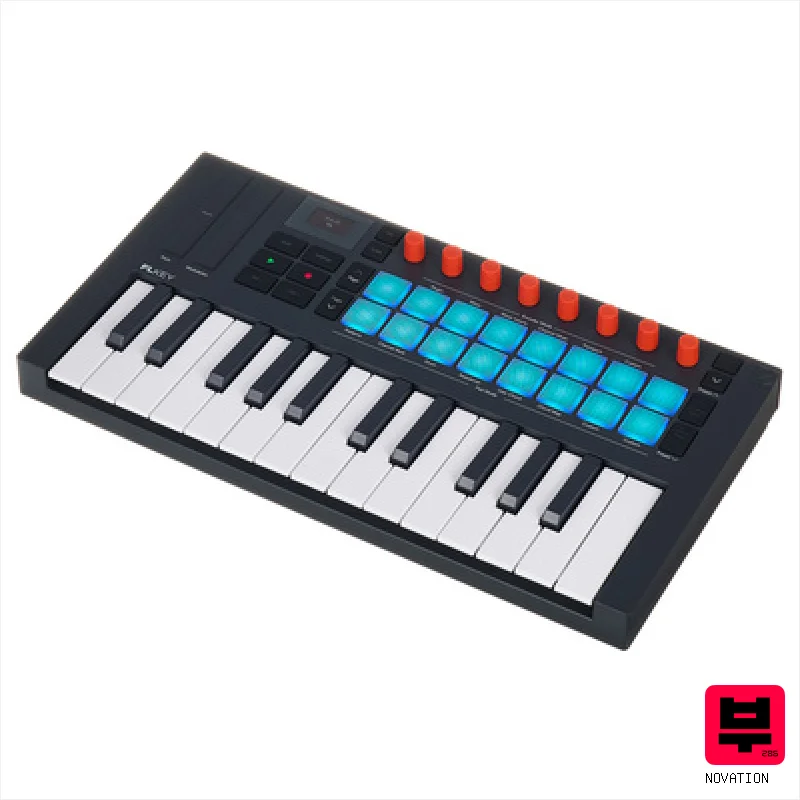
Novation FLkey 2 Mini 25
- • FL Studio optimized for instant workflow integration
- • 16 polyphonic pads with aftertouch for dynamic control
- • Integrated scale and chord modes for easy playing
- • Compact 25 mini keys fit small desks perfectly
- • Only 25 keys limit for full keyboard players
- • No built-in synthesizer or sound engine inside
- • Requires external power supply for full use
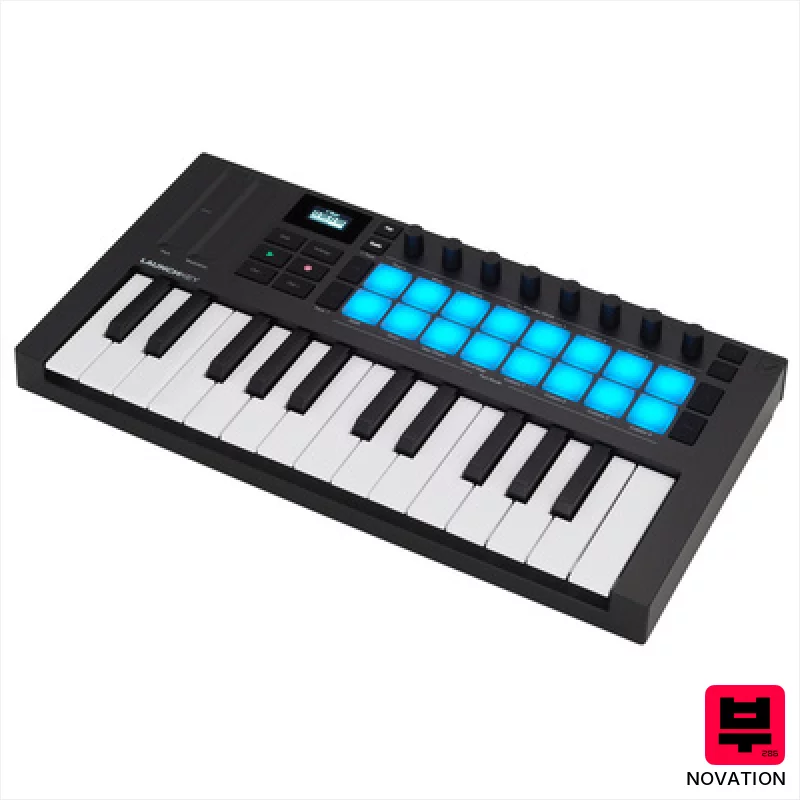
Novation Launchkey Mini 25 MK4
- • Excellent FSR pads offer expressive polyphonic aftertouch.
- • OLED display provides clear visual feedback, a nice upgrade.
- • Compact size is genuinely portable and desktop-friendly.
- • Seamless Ableton Live Lite integration simplifies immediate music creation.
- • Keys are mini-sized; not ideal for extended, nuanced playing.
- • Build feels plasticky, reflecting its budget-friendly price point.
- • Limited range restricts playing complex chord voicings.

Nektar Impact LX Mini
- • Compact size ideal for travel and small workspaces.
- • Velocity curves offer nuanced expressive control for varied playing styles.
- • Dedicated transport buttons streamline DAW workflow significantly.
- • Bitwig 8-Track inclusion provides immediate creative production capabilities.
- • Mini keys can be challenging for players accustomed to full-size action.
- • Limited knob quantity restricts detailed parameter control in complex setups.
- • Plastic build feels somewhat budget-oriented despite decent stability.
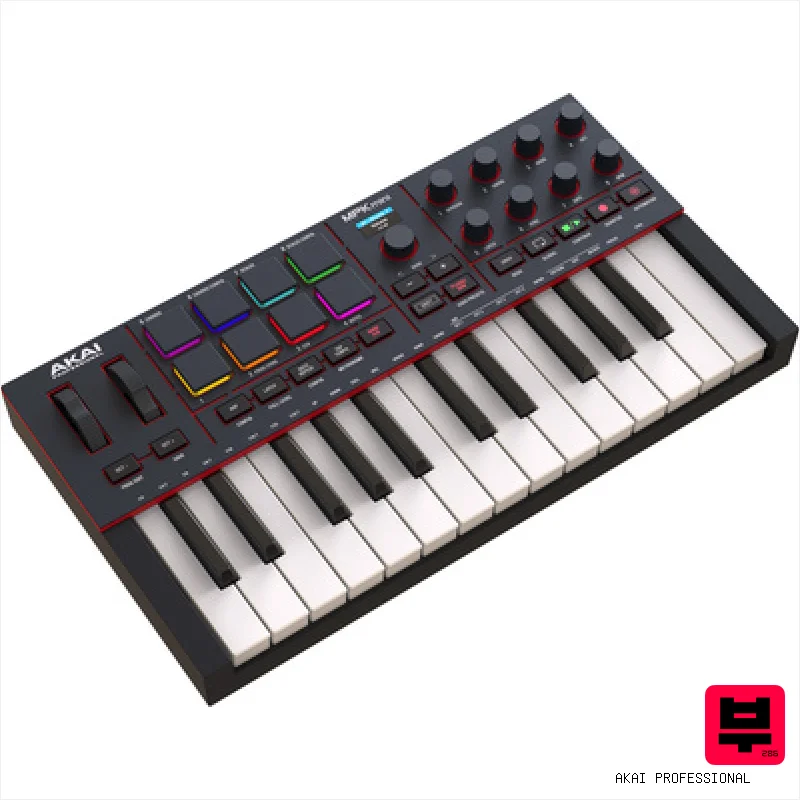
AKAI Professional MPK Mini IV Black
- • Direct control of 2,000 NKS instruments without extra software
- • Eight pressure-sensitive pads work like classic MPC drums
- • Octave switch covers a full ten-octave range easily
- • Ableton Live Lite included saves money on starting gear
- • Only 25 keys limit complex chord playing
- • USB-C port is standard but lacks external power option
- • No dedicated transport buttons for quick song navigation
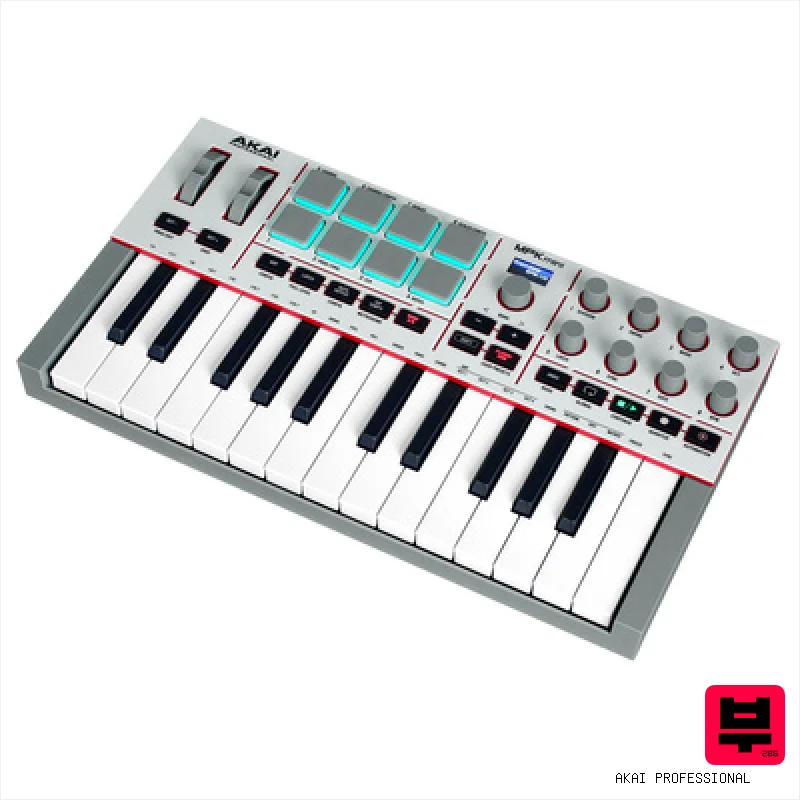
AKAI Professional MPK Mini IV Gray
- • Fits easily in small practice spaces with compact size
- • Direct DAW control via colour display and NKS support
- • Includes Ableton Live Lite software trial with Splice access
- • Eight RGB pads and rotary knobs for flexible mapping
- • Limited to only 25 keys for chord work
- • No built-in speakers or audio output on unit
- • Software access requires separate internet subscription
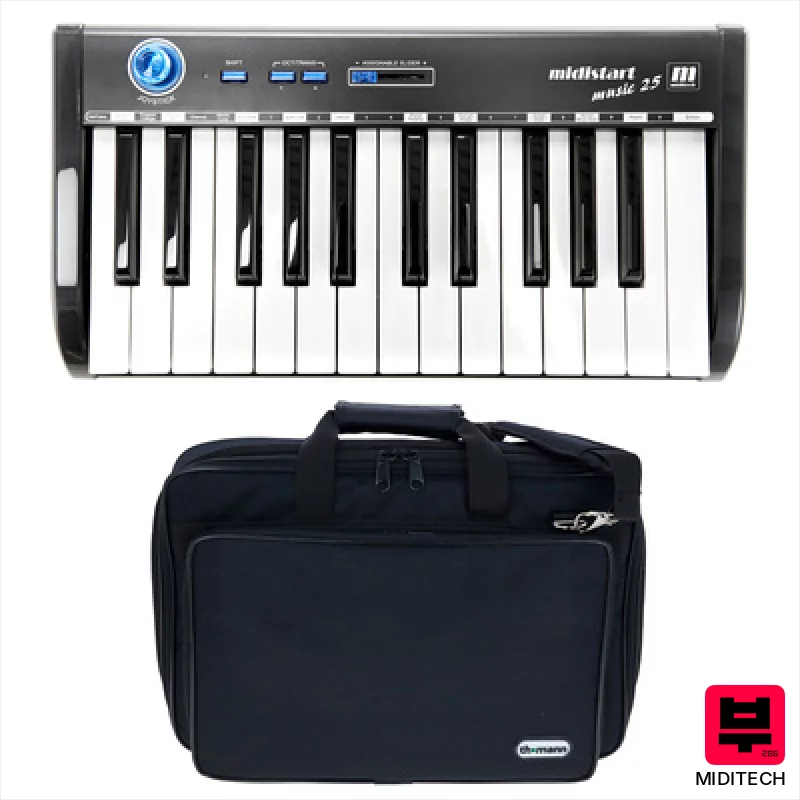
Miditech Midistart Music 25 Bag Set
- • Durable nylon bag provides excellent protection during transport
- • Included Samplitude SE software offers a good starting point for music creation
- • Compact size and light weight make it highly portable for gigging
- • Velocity-sensitive keys offer expressive playing capabilities for nuanced performance
- • Plastic joystick feels a bit cheap and may not withstand heavy use
- • 25-key limitation restricts playing complex chords or arrangements
- • Basic connectivity – lacks dedicated sustain pedal input or more advanced MIDI features
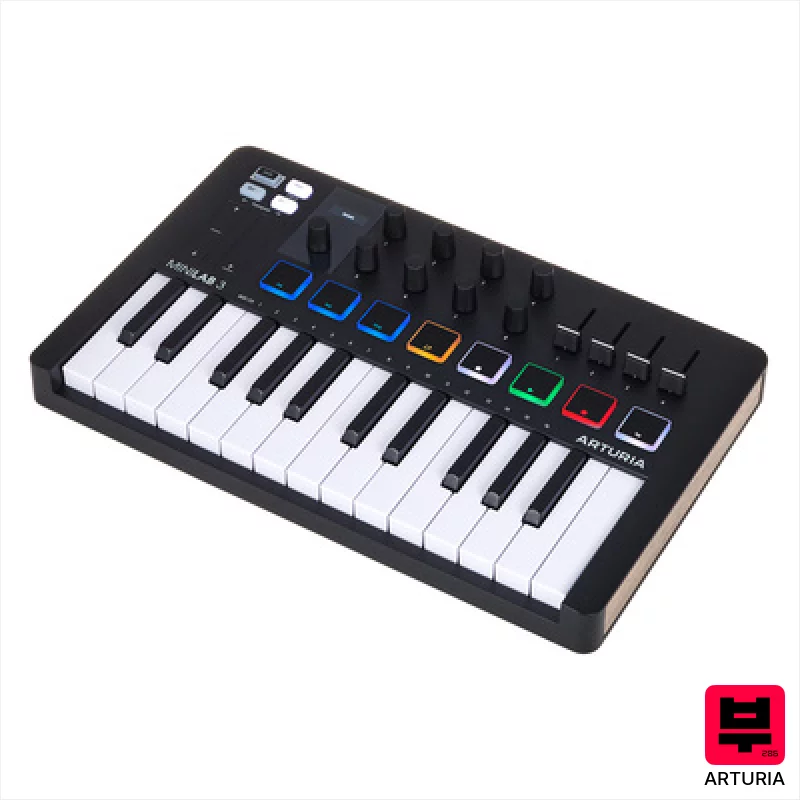
Arturia MiniLab 3 Black
- • Excellent build quality for the size; feels solid and well-assembled.
- • The OLED display is a significant upgrade, offering clear visual feedback.
- • NKS compatibility unlocks a massive library of instruments instantly.
- • Compact size and USB bus-power make it supremely portable and convenient.
- • 25 keys limit creativity for complex chord progressions and arrangements.
- • Slim keys can feel cramped for players with larger hands or experience.
- • Assignable encoders lack dedicated detents, making precise adjustments tricky.

Arturia MiniLab 3 White
- • Excellent value; the included Komplete Select is a huge bonus.
- • The OLED display is crisp and genuinely useful for parameter identification.
- • Slim keys offer surprising playability for a mini-keyboard.
- • Assignable encoders and faders provide flexible control over software.
- • The mini-keys are undeniably cramped; not ideal for extended piano playing.
- • Plastic build feels a little budget-oriented, though surprisingly sturdy.
- • Limited key range restricts certain chord voicings and playing styles.
Every master keyboards (up to 25 keys) that matches
36 models match this page. The 15 above are covered in detail; the rest are listed here with their published specifications.
| # | Model | Specifications | Price |
|---|---|---|---|
| 16 | Arturia MiniLab 3 Champagne | Weight 1.5 kg | $101 |
| 17 | Miditech Midistart Music 25 | Weight 2.3 kg | $84 |
| 18 | Miditech Garagekey Groove II | Weight 0.65 kg | $79 |
| 19 | Korg microKEY 25 | Weight 0.65 kg | $67 |
| 20 | Korg nanoKEY 2 white | Keys 25 keys | $60 |
| 21 | Swissonic MiniKey 25 | Weight 0.46 kg | $56 |
| 22 | Nektar Impact GX Mini | Weight 0.5 kg | $51 |
| 23 | Nektar SE25 | Weight 0.4 kg | $44 |
| 24 | ESI Xkey 25 | not published | $167 |
| 25 | Korg nanoKEY Fold Lava Orange | not published | $124 |
| 26 | AKAI Professional MPK mini Play MK3 | not published | $119 |
| 27 | Korg nanoKEY Fold Black | not published | $113 |
| 28 | Korg nanoKEY Fold White | not published | $113 |
| 29 | Korg nanoKEY Fold Alpine Green | not published | $113 |
| 30 | Korg nanoKEY Fold Sand Beige | not published | $109 |
| 31 | Korg microKEY Air 25 | not published | $101 |
| 32 | Midiplus X2 mini | not published | $101 |
| 33 | Arturia MicroLab Mk3 Black | not published | $63 |
| 34 | Korg nanoKEY 2 black | not published | $63 |
| 35 | Arturia MicroLab Mk3 White | not published | $61 |
| 36 | AKAI Professional LPK25 MKII | not published | $52 |
Master Keyboards (up to 25 Keys) by the numbers
Measured across all 36 models in this category, so «wide», «short» or «expensive» mean something you can check.
How to Choose the Best Master Keyboards (up to 25 Keys)
Key Action
Forget graded hammer action at this price. We're looking for something playable, even if it's synth action. A mushy, unresponsive action is a dealbreaker - it kills articulation.
Build Quality
Plastic is the norm, but some plastics feel cheap. We're looking for something that won't rattle apart if you toss it in a gig bag. Check the key stability - do they wobble?
Connectivity
USB MIDI is a given, but look for sustain pedal input if you want a little more expression. Some even have basic audio outputs, which is a bonus for direct monitoring.
Knobs & Pads
These are your sweet spots for tweaking sounds on the fly. Are they velocity-sensitive? Do they feel cheap and scratchy? More knobs are generally better, even if they're just for basic volume and pan.
Software Integration
Does it come with any software? It might be basic, but a free DAW or virtual instrument can be a nice starting point. More importantly, how reliably does it work with your existing setup?
Buying Guide
At this price point, expect compromises. You're not getting premium materials or a perfectly weighted keybed. Focus on finding something playable - a decent action and responsive pads are more important than fancy features. Don't get lured in by a ton of knobs if the keys feel like plastic cheese; that's a false promise. Consider how you'll use it - a bedroom producer might prioritize software integration, while a gigging musician needs something durable.
How This List Is Built
We don't play these instruments — we're a catalog, not a review desk, and we'd rather say so than pretend otherwise. This page covers 36 master keyboards (up to 25 keys) from the Thomann catalogue, which is the largest single source of specification data in this category: 15 in detail, the rest listed with their specifications.
Position is computed, not curated. We parse the manufacturer's own description into actual values — nut width, scale, fret count, fingerboard radius, size, alloy — and rank on them: how many specifications a model has published, how many of them are measurable numbers, and how precisely it meets this page's criterion. A product image adds a little. Price is not a ranking signal: it tells you nothing about whether a neck fits your hand. The same inputs always produce the same order, so nothing here is shuffled to look fresh.
What this list is good for: narrowing a category down to a shortlist by spec and budget. What it isn't: a substitute for hearing an instrument. Before you buy, read hands-on reviews and, where you can, play it. Full methodology.

