
Best Line Arrays for Professional Tour 2026
So, you're stepping up to touring. That's awesome, but your old club rig isn't gonna cut it. Line arrays aren't magic, but they are the way to get consistent coverage and serious headroom for a professional tour, especially if you're dealing with varying room sizes and complex stage setups. Let's break down what to look for - it's more than just throwing a bunch of speakers at a wall.
Last updated: July 1, 2026 • Next update: July 8, 2026

Seeburg Acoustic Line Galeo S 100
- • Baltic birch construction ensures exceptional durability and resonance.
- • Neodymium drivers provide a lightweight design without sacrificing power.
- • 126dB SPL delivers impressive volume for medium-to-large venues.
- • Integrated rigging mechanics simplify setup and deployment for touring.
- • 16 Ohm impedance requires careful amplifier selection and power management.
- • Limited vertical coverage (16°) restricts adaptability in certain room configurations.
- • Polyurea coating, while durable, might show wear with heavy use.
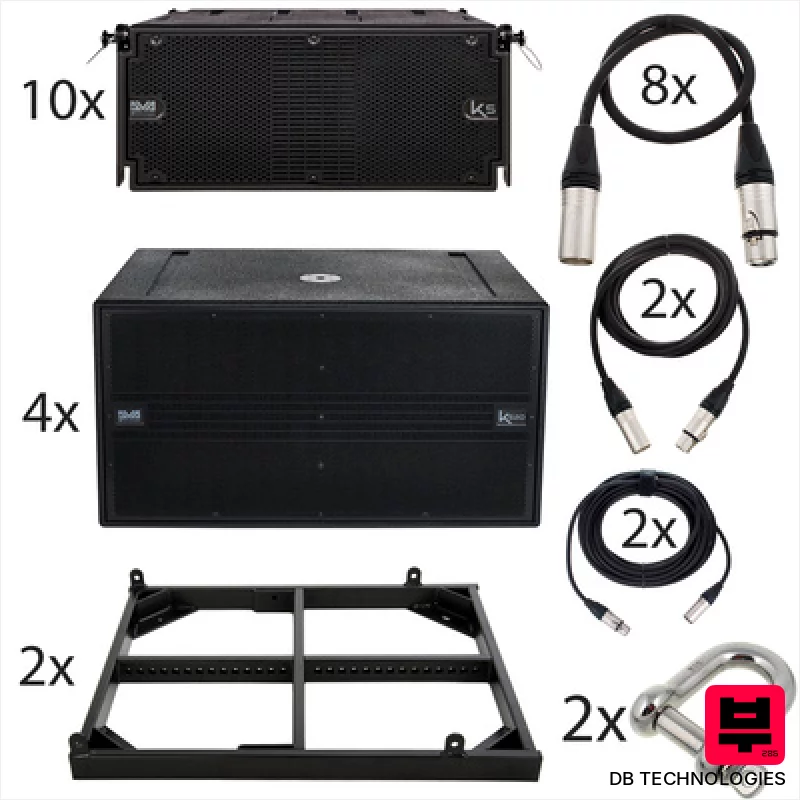
dB Technologies DVA 10xK5/4xKS20 Bundle
- • KS20 subs offer seriously deep, controlled low-end extension.
- • K5 modules provide a remarkably clear and even soundstage.
- • Digipro G3 amplifiers deliver clean, efficient power.
- • Robust bandpass woofer design minimizes unwanted cabinet resonance.
- • The overall system weight makes transport a significant undertaking.
- • Line array design limits versatility for non-line array applications.
- • Premium-priced, requiring a substantial investment.

the box pro A 8 LA Line Array Basic Set
- • Eighteen Sound transducers deliver exceptional clarity and headroom.
- • SHARC processor offers precise DSP control for tailored sound.
- • Robust European construction ensures durability for touring applications.
- • Flying frame design simplifies rigging and allows for scalable configurations.
- • The substantial weight (27.5 kg per module) demands a strong handling crew.
- • Beam angle is relatively wide, limiting vertical control in some situations.
- • Premium-priced, making it a significant investment for smaller venues.

the box pro A 10 LA Line Array Module
- • Robust European build quality ensures durability for frequent touring.
- • Integrated DSP presets simplify setup and optimize sound for various applications.
- • Pronet CanBus networking provides seamless integration with other pro audio equipment.
- • High max SPL of 131 dB delivers substantial headroom for demanding live performances.
- • 40 kg weight makes transport and rigging a two-person job.
- • Limited vertical dispersion (10°) restricts flexibility in complex room acoustics.
- • Premium-priced, potentially a barrier for smaller bands or budget-conscious users.

Seeburg Acoustic Line Galeo S 100 Line Array Bundle
- • Baltic birch construction ensures exceptional rigidity and resonance control.
- • Neodymium drivers provide efficient power and reduced overall system weight.
- • Integrated rigging mechanics simplify complex line array configurations safely.
- • Wide 100° x 16° coverage minimizes dead spots in larger venues.
- • At 13.5 kg per module, handling becomes tiring during frequent setups.
- • 16 Ohm impedance demands careful amplifier selection and power management.
- • Limited vertical dispersion (16°) restricts adaptability for certain room shapes.
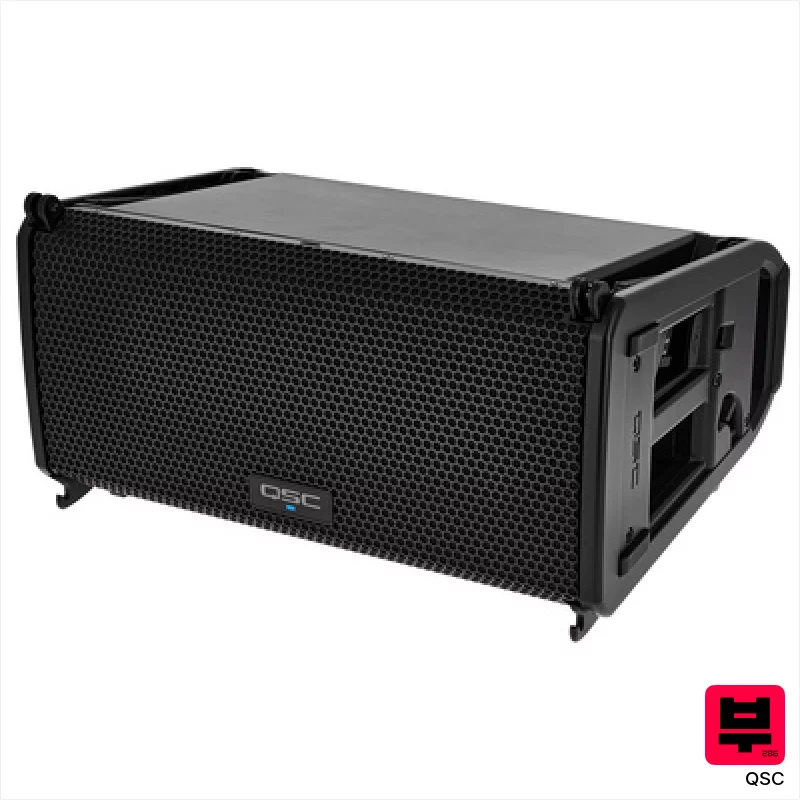
QSC LA108
- • Polyimide diaphragm delivers exceptionally crisp highs with minimal distortion.
- • QSC's SysNav app simplifies complex array configuration and tuning.
- • RapidDeploy rigging system drastically speeds up setup, reducing labor costs.
- • Neodymium woofer provides tight, impactful low-end response with reduced weight.
- • The vertical dispersion is limited; not ideal for wide stage coverage.
- • Weight per module makes transport and setup demanding without proper equipment.
- • Dante connectivity requires compatible infrastructure, adding complexity.
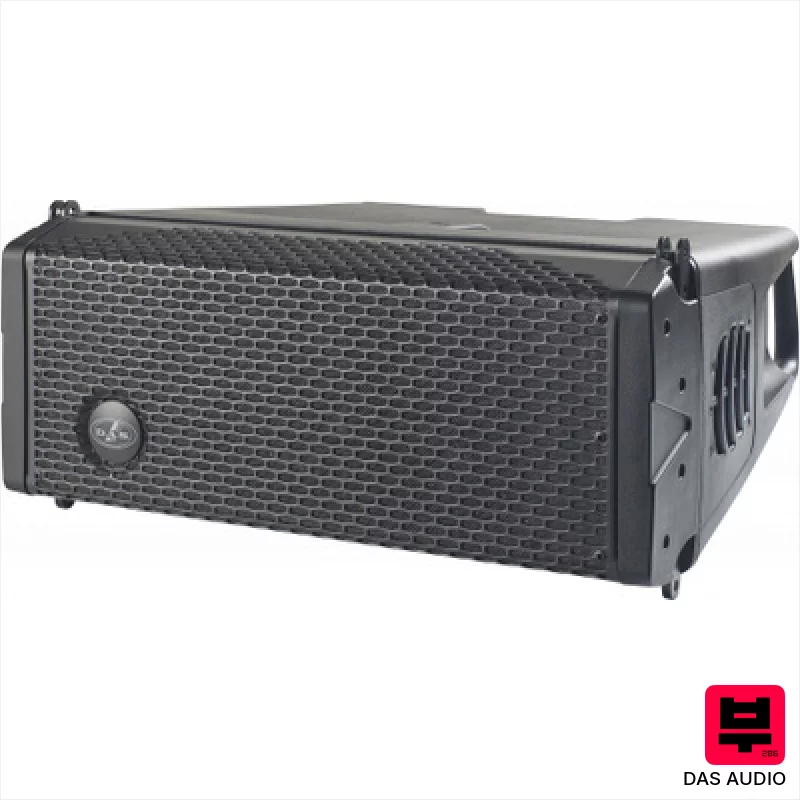
DAS Audio EVENT-26A
- • Robust polypropylene housing offers excellent durability for touring.
- • DAScontrol LCD provides intuitive, precise DSP control on-board.
- • FIR filtering delivers clean, predictable sound with minimal distortion.
- • Fast-set splay system simplifies array configuration and rigging.
- • Polypropylene, while durable, can feel less premium than metal enclosures.
- • Weight, while manageable, requires two people for comfortable handling.
- • Limited low-frequency extension necessitates subwoofer pairing for full-range applications.
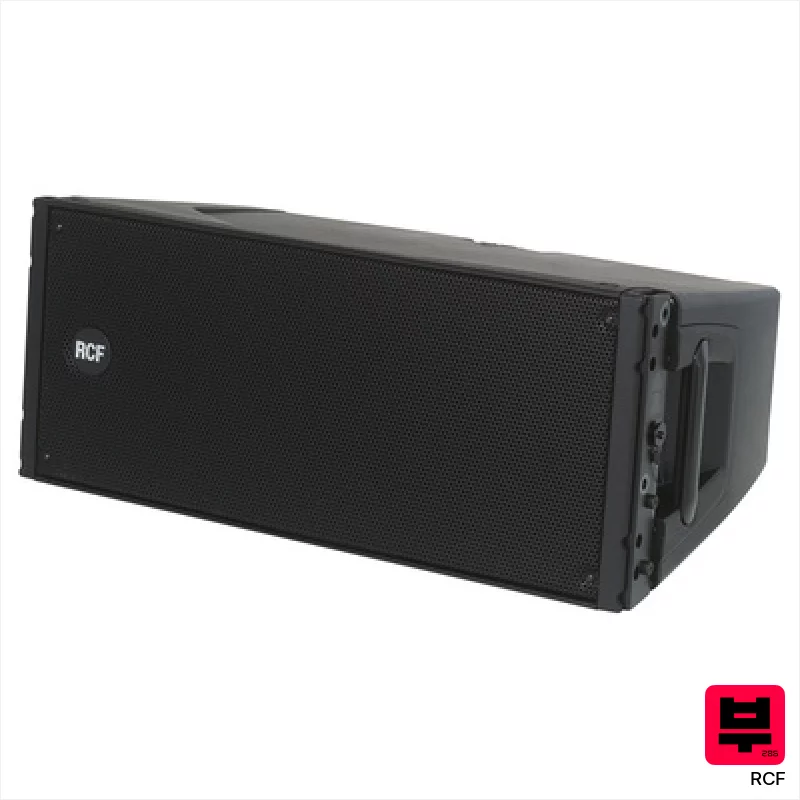
RCF HDL 20-A
- • Excellent clarity and headroom across the frequency spectrum
- • Robust construction using high-quality RCF drivers and amplifier components
- • Precise digital DSP offers versatile tonal shaping options
- • Adjustable angles allow for precise coverage and sound projection
- • The weight makes transport and rigging a two-person job regularly
- • Relatively narrow vertical dispersion might require careful placement in wider spaces
- • DSP customization can be overwhelming for users unfamiliar with digital processing

QSC KLA12
- • Robust ABS housing minimizes stage weight and potential damage.
- • Ar-Q optimization genuinely delivers predictable coverage with multiple units.
- • The 1.75in voice coil handles significant power without distortion.
- • Solo rigging system simplifies deployment – a real time-saver on the road.
- • The frame is a separate purchase, adding to the overall investment.
- • 90° x 18° coverage is somewhat limited for wider stages.
- • 25kg is substantial; handling can be challenging for solo techs.

dB Technologies DVA K5
- • DigiPro G3 amps deliver clean, powerful headroom.
- • Horn-loaded midrange provides excellent clarity and projection.
- • Bandpass woofer design enhances low-frequency response and efficiency.
- • Integrated flyware simplifies rigging for line array configurations.
- • Power twist connector omission is a frustrating, cost-saving detail.
- • Plastic housing, while lightweight, might feel less robust than metal alternatives.
- • Limited versatility; primarily designed for line array configurations.

DAS Audio Vantec 6x20A/2x118A Bundle
- • Exceptional SPL output for its class, easily handling large venues.
- • The integrated DSP offers impressive control and tuning flexibility.
- • Robust Class-D amplification provides clean power and efficiency.
- • Vantec’s compact design allows for efficient rigging and transport.
- • The substantial weight makes handling a two-person job, even with proper equipment.
- • Line array dispersion can be restrictive for smaller, less controlled spaces.
- • Premium-priced, representing a significant investment for smaller operations.
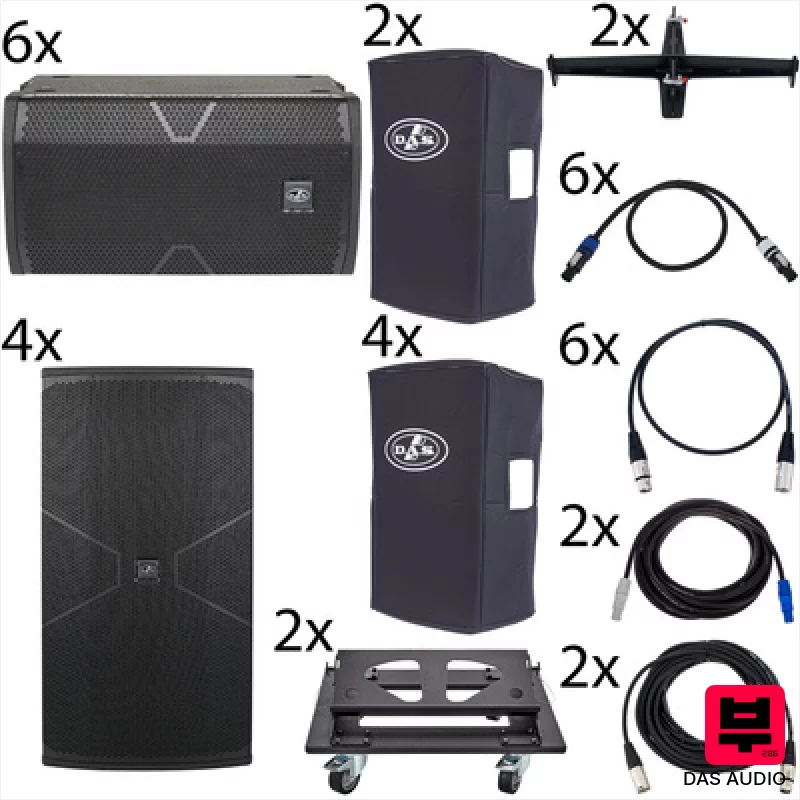
DAS Audio Vantec 6x20A/4x218A Bundle
- • Robust Class-D amplification ensures clean, powerful output across the spectrum.
- • Vantec-218A subs deliver serious low-end extension and headroom.
- • The line array design provides excellent coverage and controlled dispersion.
- • DAS Audio’s waveguide technology enhances clarity and minimizes feedback.
- • The substantial weight makes transportation and setup a two-person job.
- • The vertical dispersion of the Vantec-20A is relatively narrow, limiting flexibility.
- • The price point positions this bundle as a premium investment.
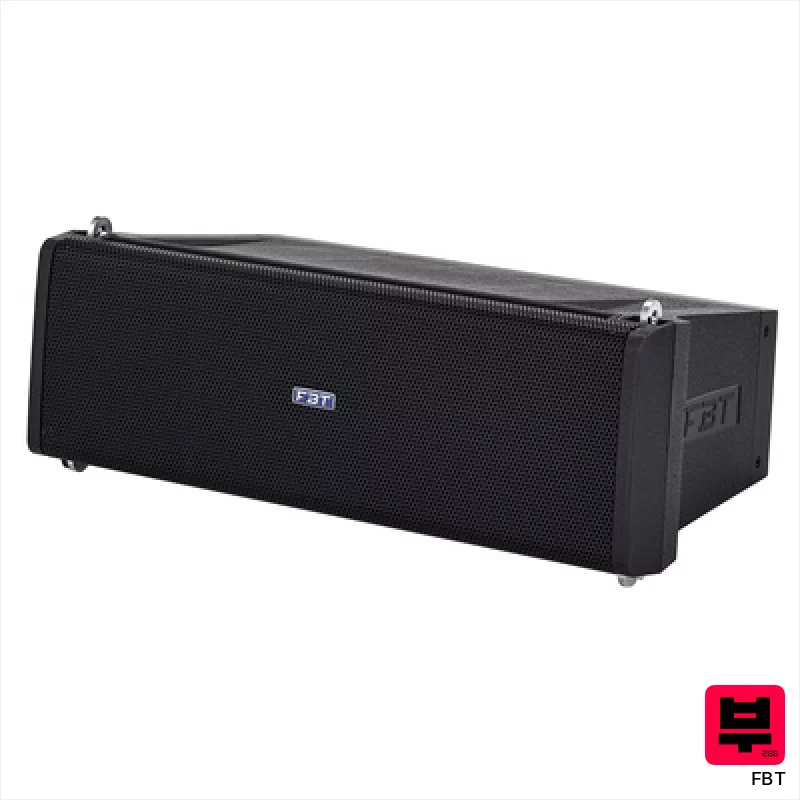
FBT Mitus 206LA
- • Birch multiplex housing offers excellent resonance damping and durability.
- • Class-D bi-amp delivers clean power and efficient headroom.
- • DSP presets simplify setup and optimize sound for various applications.
- • Compact size and relatively low weight (for a line array) aid portability.
- • 10° vertical coverage is restrictive; requires careful aiming or additional modules.
- • Limited horizontal dispersion demands precise placement for even coverage.
- • While powerful, lacks sub-bass extension for truly full-range applications.
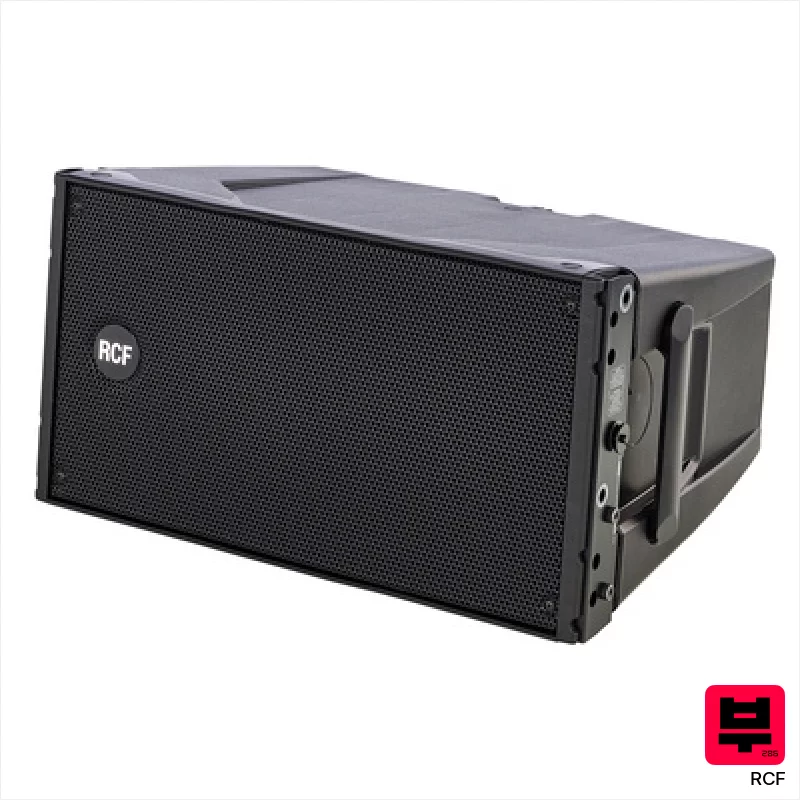
RCF HDL 10-A
- • Excellent clarity and punch from the neodymium HF driver.
- • Robust woofer construction handles demanding low-frequency reproduction.
- • DSP provides genuinely useful and transparent tonal shaping options.
- • Adjustable angles offer versatility for various room configurations.
- • The weight makes transport and rigging a two-person job regularly.
- • While versatile, it's primarily designed for direct sound reinforcement.
- • The 15° vertical dispersion might be too narrow for some applications.

the box pro A 8 LA Line Array Module
- • Eighteen Sound transducers deliver a remarkably clean, articulate sound.
- • SHARC processor provides excellent DSP control and preset flexibility.
- • Class D amplifier ensures efficient power delivery with minimal heat.
- • Robust European construction promises longevity and road-worthiness.
- • The 27.5 kg weight makes transport and rigging a two-person job.
- • 100° x 10° dispersion might be too wide for some focused applications.
- • Lacks a built-in Dante option, limiting network integration.
How to Choose the Best Line Arrays
Coverage Consistency
This isn't just about volume; it's about even coverage. A line array should deliver a predictable sound across the audience, avoiding dead spots and hot zones. Bad coverage means the drummer sounds buried for some, the vocals are ice-picky for others - nobody wins.
Low-End Extension & Clarity
A professional tour needs serious low-end, but it needs to be clean low-end. Muddy bass will quickly turn a room into a sonic mess. We're looking for that low-end thump that you feel in your chest, without sacrificing clarity in the mids.
Vertical Dispersion Control
This is the core of what makes a line array a line array. Too wide, and you're just blasting sound into the ceiling. Too narrow, and you're creating sonic shadows. The ability to precisely control vertical coverage is critical for adapting to different venue shapes.
Power & Headroom
Tour rigs get loud. You need a system that can handle the dynamic range of a live show without compression or distortion. Clipping is a career killer - it sounds awful and can damage your gear. Headroom is your safety net.
Rigging & Transportability
Let's be real, you're not just setting up in a perfect environment. Ease of rigging, weight per cabinet, and overall pack-out size are huge factors. A killer-sounding system is useless if it takes a week to load in and out.
Buying Guide
Don't chase the loudest number. Spend your money on consistent coverage and clean power. Cheaper systems often compensate for poor design with sheer volume, which just creates a muddy, indistinct sound. Think about your typical gig size - a massive system for small clubs is overkill and just creates problems. And always, always factor in the cost of proper rigging and transport.
Our Methodology
We're not relying on spec sheets here. We've spent years A/B-ing systems in clubs, rehearsal spaces, and actual gigs, listening for how they handle everything from quiet acoustic sets to full-throttle rock and roll. We're judging them on what you actually hear on stage and what the sound engineer is battling with in the front of house mix - not just the numbers on a page.

