
Best Lefthanded Classical Guitars Under $300 2026
Finding a decent left-handed classical guitar that won't break the bank is tough, especially if you're starting out or just need a reliable practice instrument. Let's be honest, the sub-$300 range is where compromises happen, but there are guitars that offer surprising value. I've seen plenty of lefties struggle with poorly made instruments, so I put together this guide to help you avoid the duds and find something playable and enjoyable.
Last updated: September 29, 2026
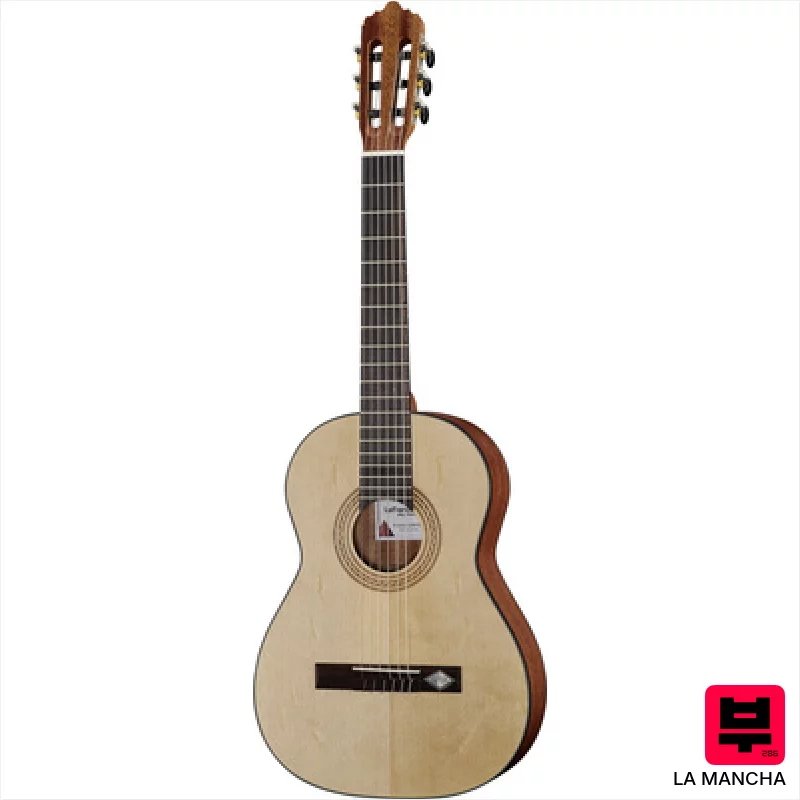
La Mancha Rubinito LSM/59-L 3/4
- • Spruce top delivers a surprisingly bright and responsive tone for the price.
- • Mahogany back & sides add warmth and a pleasant sustain.
- • Ovangkol fingerboard offers a smooth playing experience, surprisingly refined.
- • Compact 3/4 size is ideal for younger players or travel.
- • NuBone saddle, while decent, isn't a premium bone and may impact sustain slightly.
- • Matt natural finish can feel a little plain compared to glossier options.
- • Nato neck, while stable, lacks the premium feel of Spanish cedar.

La Mancha Rubinito LSM/53-L 1/2
- • Spruce top provides a surprisingly bright and resonant tone for the price.
- • Mahogany back and sides offer a warm, balanced foundation.
- • NuBone nut and saddle improve sustain and tuning stability.
- • Compact 1/2 size makes it ideal for younger or smaller players.
- • Ovangkol fingerboard can feel a bit dense and less smooth than rosewood.
- • Nato neck, while stable, lacks the premium feel of mahogany or Spanish cedar.
- • The nickel machine heads might feel a bit basic compared to geared tuners.
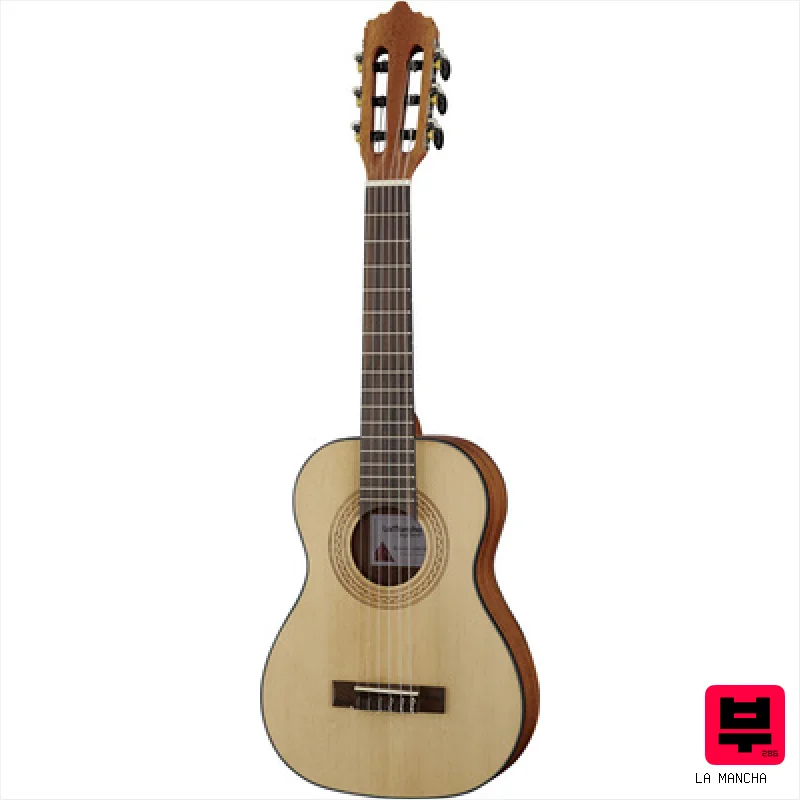
La Mancha Rubinito LSM/47-L 1/4
- • Lefthanded design fits players who play with the left hand.
- • Spruce top provides a bright and responsive attack.
- • Mahogany back and sides add warm, mid-range depth.
- • NuBone saddle offers a smooth, warm tone compared to plastic.
- • Natural Matt finish shows wear easily without a glossy coat.
- • Weight is not listed, so heaviness is unknown.
- • No electronics or pickup system is included.
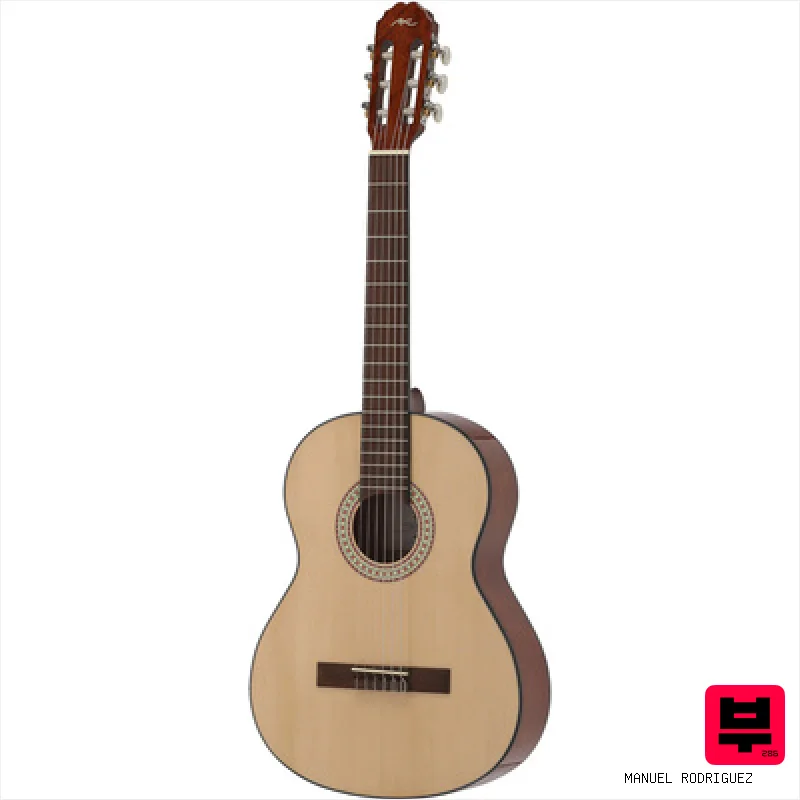
Manuel Rodriguez Estudio Spruce 3/4 LH HG
- • Left-handed design makes playing comfortable for lefties.
- • 2-way truss rod allows easy neck adjustments.
- • Blackwood Tek fingerboard and bridge offer durable construction.
- • Water-based finish is environmentally friendly and safe.
- • Okoume back and sides may lack resonance of solid wood.
- • ABS nut and saddle might feel less smooth than bone.
- • 3/4 size limits volume for smaller players or loud venues.
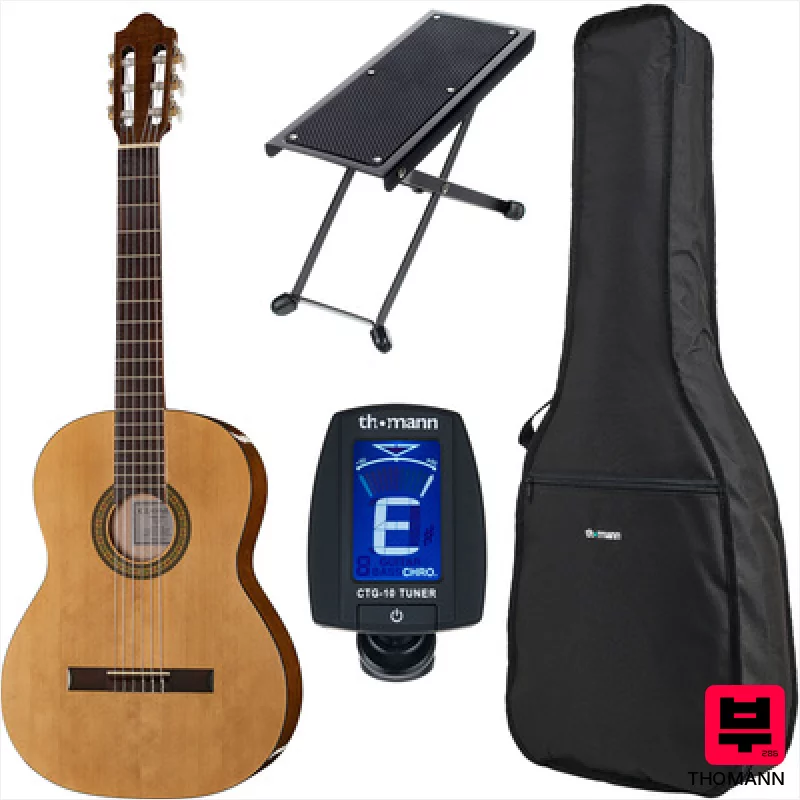
Thomann Classic 4/4 Guitar Left Bundle
- • Spruce top offers a surprisingly warm and responsive tone for the price.
- • Maple back and sides provide a clear, focused projection.
- • Hannabach strings are a decent choice for a beginner's instrument.
- • Gig bag and footrest add significant value to the bundle.
- • Laminated spruce top will lack the complexity of solid wood instruments.
- • Maple neck and fingerboard can feel a bit harder than rosewood.
- • Nickel-plated machine heads may be a bit basic for more experienced players.
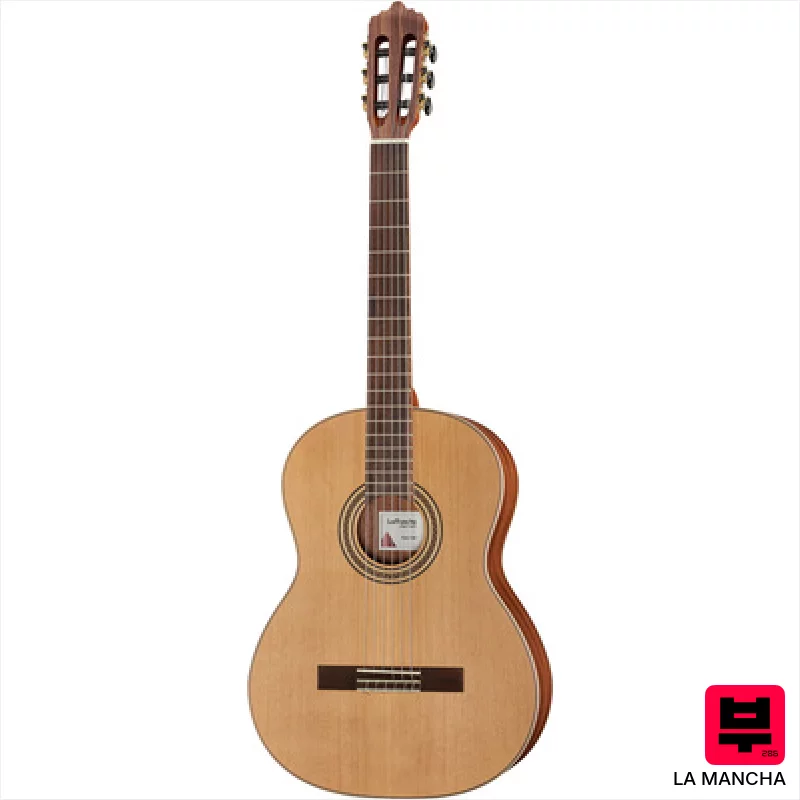
La Mancha Rubi CM-N-L
- • Solid cedar top delivers a warm, responsive, and nuanced tone.
- • Toona Kalantas neck with carbon rods enhances stability and reduces warping.
- • Ovangkol fingerboard offers a smooth playing experience and excellent durability.
- • Gold-plated machine heads provide reliable tuning stability and a touch of class.
- • Matte finish, while aesthetically pleasing, can show fingerprints more readily.
- • Mahogany back and sides might lack the projection of rosewood for advanced players.
- • Savarez Cantiga strings are decent but many will likely upgrade for a personalized sound.
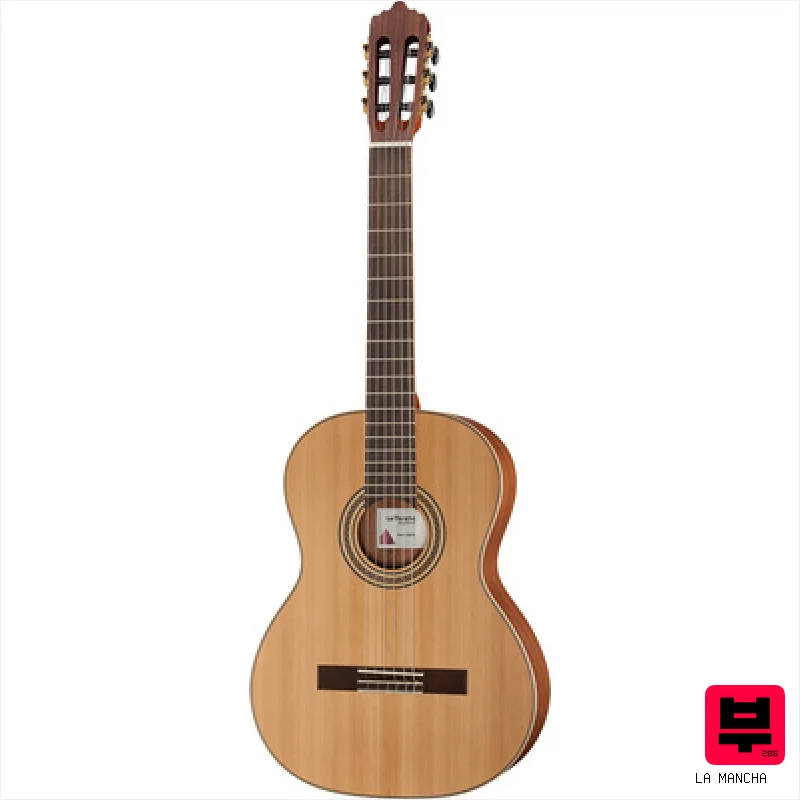
La Mancha Rubi CM/63-L
- • Solid Canadian cedar top offers bright attack
- • Mahogany back and sides provide warm low end
- • Ovangkol neck and fingerboard are durable choices
- • Concert size ideal for smaller player bodies
- • Weight value not listed in description
- • Fret count not specified in text
- • No pickup system mentioned for amplification
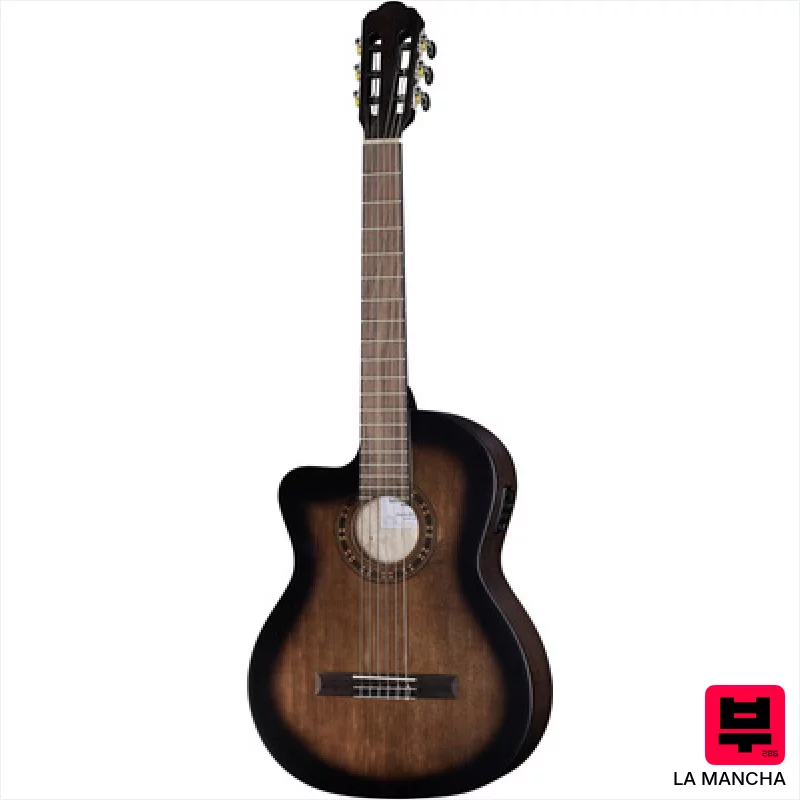
La Mancha Granito 32-CEN-AB-L
- • Spruce top delivers a bright, responsive tone with good projection
- • Mahogany back and sides add warmth and sustain, nicely balanced
- • Nubone nut and saddle enhance sustain and tuning stability
- • Cutaway allows comfortable access to higher frets for lead playing
- • Matte open pore finish can feel a little less refined than glossier options
- • Savarez factory strings are decent but an immediate upgrade is recommended
- • Ovangkol fingerboard, while durable, isn't quite as smooth as ebony
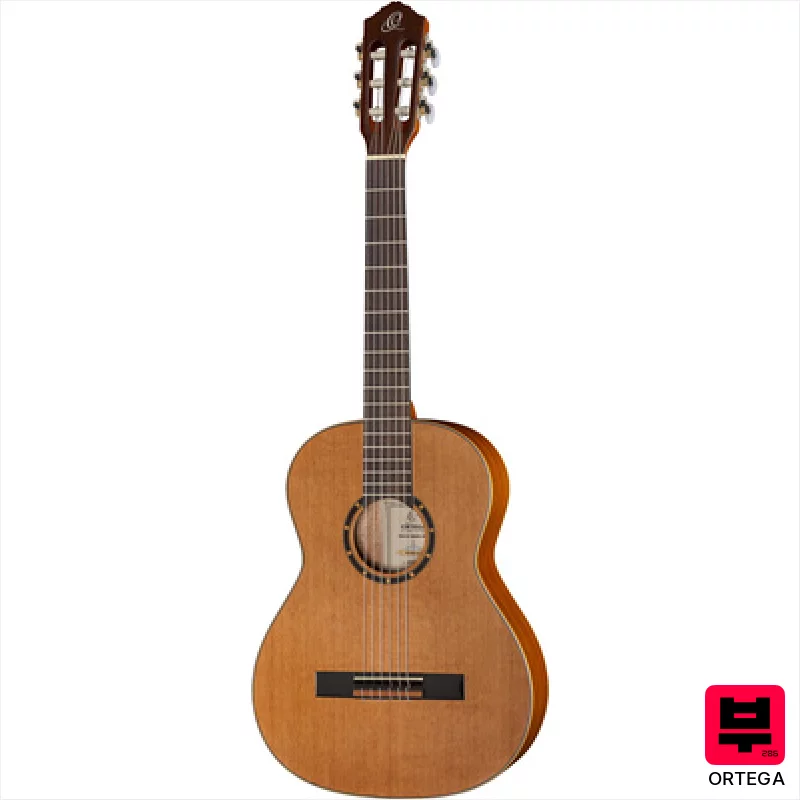
Ortega R122L-3/4
- • Cedar top delivers a warm, responsive tone ideal for classical and fingerstyle.
- • Sapele back and sides add projection and a balanced sonic character.
- • 3/4 size makes it manageable and comfortable for younger or smaller players.
- • Walnut fingerboard and bridge offer a pleasing feel and good sustain.
- • Okume neck, while stable, isn't as tonally rich as mahogany or Spanish cedar.
- • Silk matte finish can be a little delicate and prone to fingerprints.
- • 3/4 size limits its full tonal potential compared to a full-size instrument.
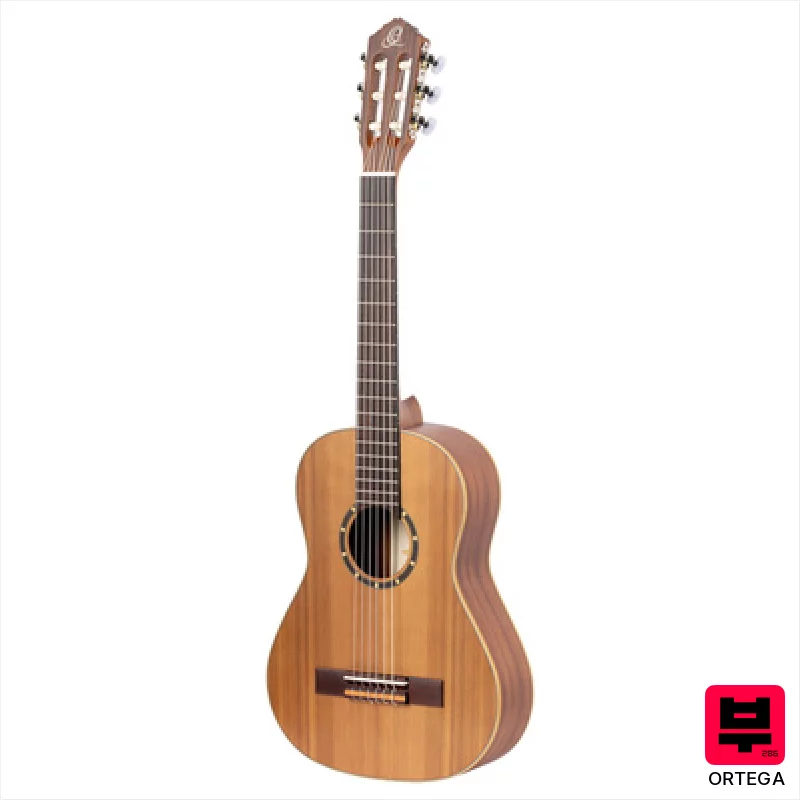
Ortega R122-1/2-L
- • Cedar top delivers a warm, responsive tone ideal for beginners
- • Sapele back and sides add clarity and projection
- • Okume neck provides good stability and a comfortable feel
- • Compact 1/2 size makes it perfect for smaller players and travel
- • Savarez strings are serviceable but an upgrade would significantly improve tone
- • Satin finish, while attractive, can feel a bit slippery to some players
- • Okume neck, while stable, isn't as premium as mahogany or Spanish cedar
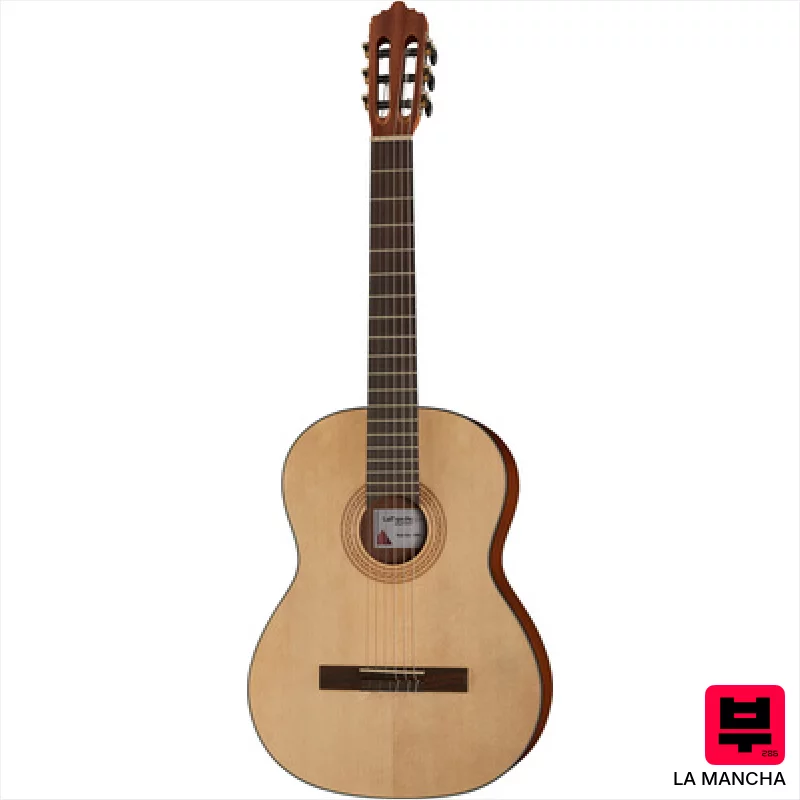
La Mancha Rubinito LSM-L
- • Spruce top delivers a surprisingly bright and responsive tone for the price.
- • Nato neck provides a stable platform, minimizing fret buzz and improving playability.
- • Ovangkol fingerboard offers a smooth feel and good durability under the fingers.
- • Savarez strings are a decent starting point, offering a balanced Cantiga tension.
- • Mahogany back and sides can limit sustain compared to rosewood alternatives.
- • ABS bindings, while functional, lack the elegance of wood bindings.
- • The matte finish, while practical, might feel a little less refined.
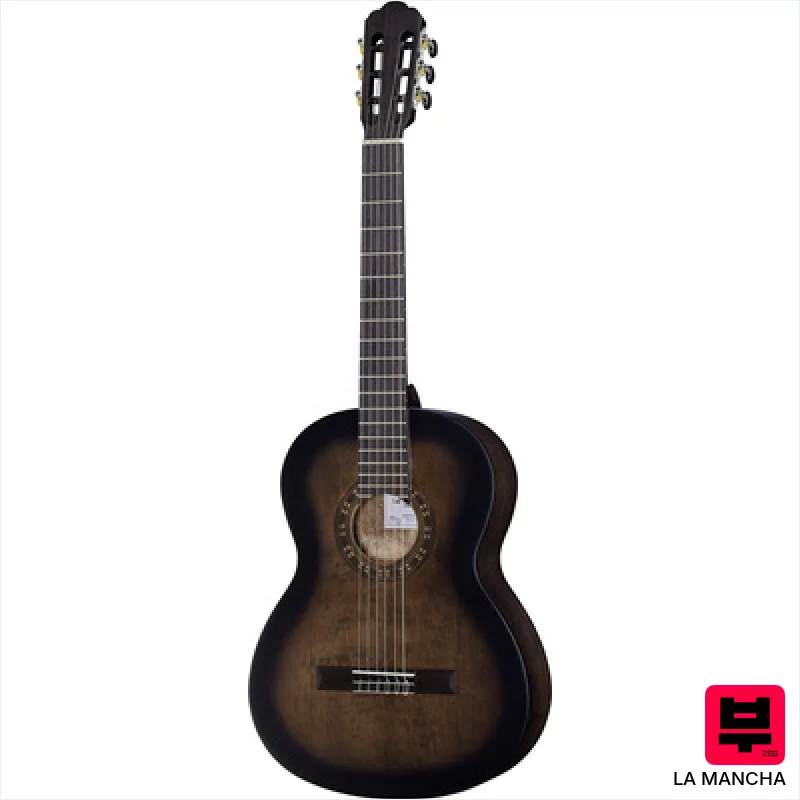
La Mancha Granito 32-AB-L
- • Spruce top delivers a clear, responsive tone with good projection.
- • Mahogany back and sides provide a warm, balanced sonic character.
- • Nubone nut and saddle improve sustain and tonal clarity compared to standard plastic.
- • Matte open-pore finish enhances resonance and a natural feel.
- • Ovangkol fingerboard can be a bit harder than rosewood, potentially less comfortable for some.
- • Factory Savarez strings are serviceable but an upgrade would unlock the guitar's full potential.
- • Antique Brown finish may appear darker/less vibrant than expected in some lighting.
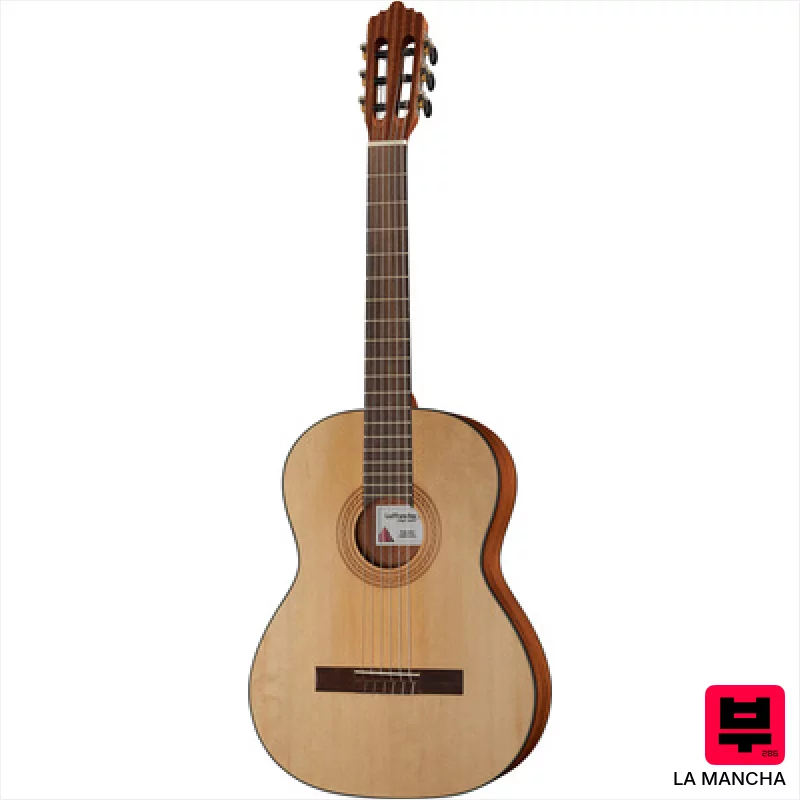
La Mancha Rubinito LSM/63-N-L
- • 7/8 size offers comfortable playability, especially for smaller players or those preferring a more compact instrument.
- • Spruce top delivers a surprisingly resonant and clear tone for its price bracket.
- • Ovangkol fingerboard provides a smooth playing experience and adds warmth to the overall sound.
- • Nubone nut and saddle contribute to improved sustain and tuning stability compared to standard plastic.
- • Mahogany back and sides limit the top-end sparkle, sounding a bit 'woody'.
- • Narrow neck (NATO) might feel cramped for players accustomed to wider classical guitar necks.
- • ABS binding, while functional, lacks the aesthetic appeal of wood binding found on higher-end instruments.
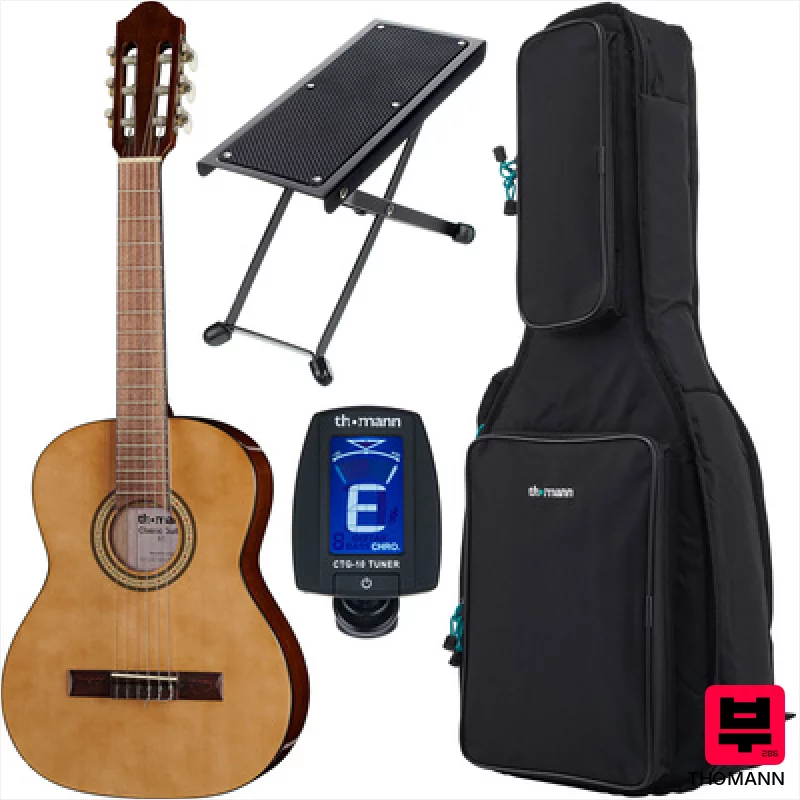
Thomann Classic Guitar 1/2 Left Bundle
- • Laminated spruce top provides a surprisingly bright initial tone
- • 1/2 size ideal for younger learners or travel
- • Maple back and sides offer decent projection for the price point
- • Included gig bag and footrest add genuine value to the bundle
- • Laminated construction limits the tonal complexity and resonance
- • Maple fingerboard may feel slightly harder than rosewood
- • Nickel-plated machine heads are basic, may require careful tuning
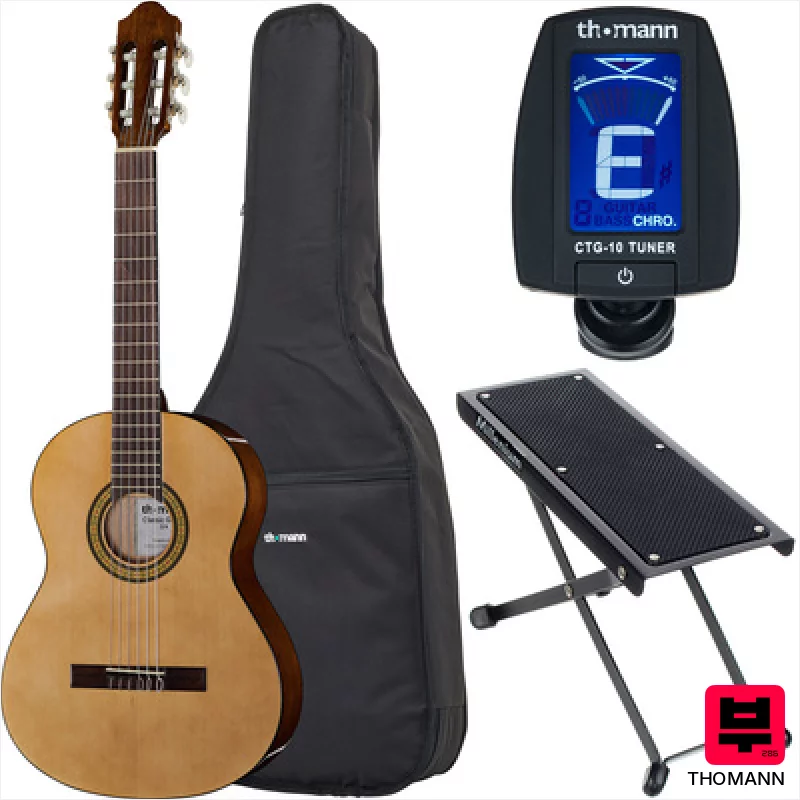
Thomann Classic Guitar 3/4 Left Bundle
- • 3/4 size makes it ideal for younger or smaller-handed players.
- • Laminated spruce top offers decent projection for a budget instrument.
- • Includes gig bag and footrest – a complete starter package.
- • Maple back and sides provide a balanced, clear tone, avoiding muddiness.
- • Laminated construction limits tonal complexity and sustain compared to solid wood.
- • Maple neck and fingerboard may feel a bit harder than rosewood or ebony.
- • Nickel-plated machine heads might be a little stiff and less precise.
Every lefthanded classical guitars that matches
20 models match this page. The 15 above are covered in detail; the rest are listed here with their published specifications.
| # | Model | Specifications | Price |
|---|---|---|---|
| 16 | Thomann Classic 4/4 Guitar Lefthand | Nut width 52 mm (2.05") · Scale 650 mm (25.59") | $135 |
| 17 | La Mancha Rubi CM/59-L | Nut width 49 mm (1.93") | $295 |
| 18 | La Mancha Rubi CM-L | Nut width 52 mm (2.05") | $295 |
| 19 | Thomann Classic Guitar 1/2 Lefthand | Nut width 45 mm (1.77") | $124 |
| 20 | Thomann Classic Guitar 3/4 Lefthand | Nut width 47 mm (1.85") | $124 |
Lefthanded Classical Guitars by the numbers
Measured across all 20 models in this category, so «wide», «short» or «expensive» mean something you can check.
How to Choose the Best Lefthanded Classical Guitars
Playability (Action & Neck Profile)
A high action (string height) makes learning a nightmare. Look for a comfortable neck profile - not too thick, not too thin - that fits your hand. Ideally, you want something you can adjust easily, but in this price range, factory setups can be hit or miss.
Top Wood (Spruce vs. Cedar)
Spruce generally offers a brighter, more articulate tone with more headroom for dynamics, while cedar is warmer and more immediately responsive. Both are viable, but understand the tonal differences - spruce might cut through a band rehearsal better.
Bracing Pattern
This significantly impacts the guitar's resonance and sustain. Fan bracing is generally considered superior for classical guitars, but it's less common (and more expensive) in this price bracket. X-bracing is what you'll mostly find; just listen for evenness and clarity, not a boomy low-end.
Construction Quality (Finish & Binding)
Don't expect flawless finishes - this is where the budget shows. Look for consistent binding (if present) and a lack of obvious glue spillage. A rough finish won't affect the tone, but it's a sign of overall build quality.
Overall Tone (Balance & Articulation)
The goal isn't necessarily 'warm' or 'bright,' but balanced. You want clear articulation across the strings, with a decent sustain without sounding muddy. Listen for that fat midrange honk that gives a classical guitar its character, but be prepared for it to be less pronounced than on higher-end instruments.
Buying Guide
At this price, you're trading off something - usually in the finish, bracing, or overall refinement. Don't expect a concert-grade instrument; this is a practice guitar or a reliable backup. Prioritize playability over aesthetics. If the action is too high, it's far more cost-effective to have a local luthier set it up than to buy a more expensive guitar.
How This List Is Built
We don't play these instruments — we're a catalog, not a review desk, and we'd rather say so than pretend otherwise. This page covers 20 lefthanded classical guitars from the Thomann catalogue, which is the largest single source of specification data in this category: 15 in detail, the rest listed with their specifications.
Position is computed, not curated. We parse the manufacturer's own description into actual values — nut width, scale, fret count, fingerboard radius, size, alloy — and rank on them: how many specifications a model has published, how many of them are measurable numbers, and how precisely it meets this page's criterion. A product image adds a little. Price is not a ranking signal: it tells you nothing about whether a neck fits your hand. The same inputs always produce the same order, so nothing here is shuffled to look fresh.
What this list is good for: narrowing a category down to a shortlist by spec and budget. What it isn't: a substitute for hearing an instrument. Before you buy, read hands-on reviews and, where you can, play it. Full methodology.

