
Best La Mancha Lefthanded Classical Guitars 2026
Finding a decent left-handed classical guitar can feel like searching for a unicorn. Most manufacturers don't prioritize left-handed models, which often means compromises. La Mancha, though, is a name you can rely on - they've been building solid, playable instruments for decades, and their left-handed offerings, while not as plentiful as their right-handed counterparts, are consistently respectable. If you're serious about classical, and play left-handed, La Mancha is a brand worth exploring.
Last updated: September 29, 2026
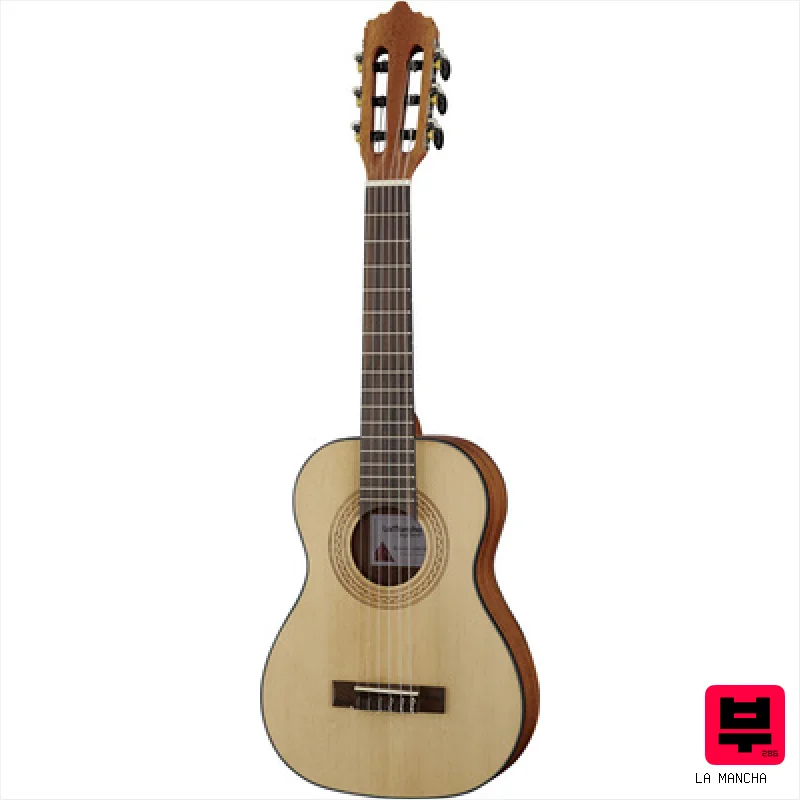
La Mancha Rubinito LSM/47-L 1/4
- • Lefthanded design fits players who play with the left hand.
- • Spruce top provides a bright and responsive attack.
- • Mahogany back and sides add warm, mid-range depth.
- • NuBone saddle offers a smooth, warm tone compared to plastic.
- • Natural Matt finish shows wear easily without a glossy coat.
- • Weight is not listed, so heaviness is unknown.
- • No electronics or pickup system is included.

La Mancha Rubinito LSM/53-L 1/2
- • Spruce top provides a surprisingly bright and resonant tone for the price.
- • Mahogany back and sides offer a warm, balanced foundation.
- • NuBone nut and saddle improve sustain and tuning stability.
- • Compact 1/2 size makes it ideal for younger or smaller players.
- • Ovangkol fingerboard can feel a bit dense and less smooth than rosewood.
- • Nato neck, while stable, lacks the premium feel of mahogany or Spanish cedar.
- • The nickel machine heads might feel a bit basic compared to geared tuners.
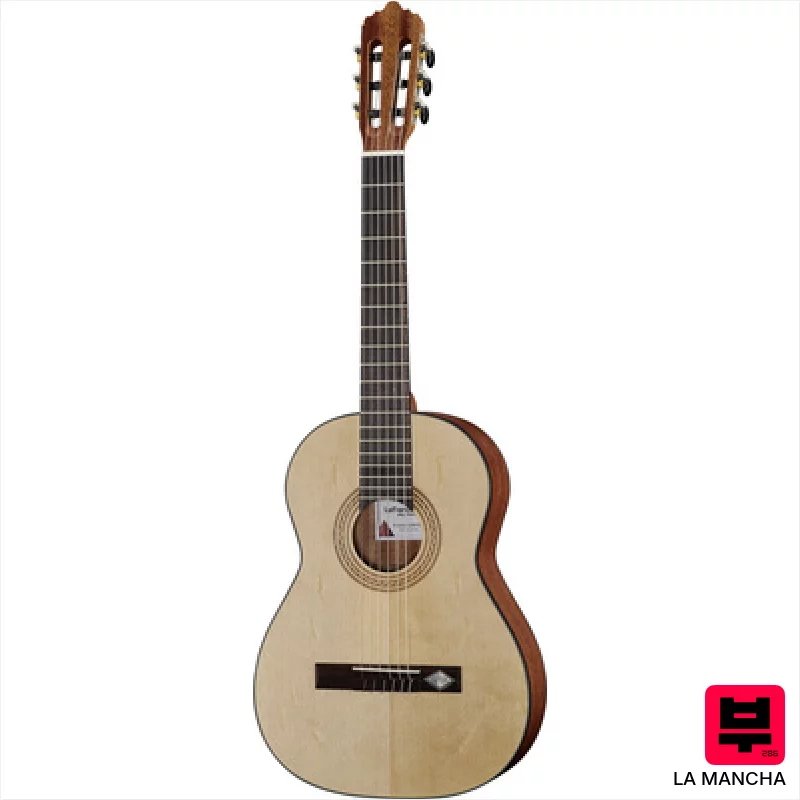
La Mancha Rubinito LSM/59-L 3/4
- • Spruce top delivers a surprisingly bright and responsive tone for the price.
- • Mahogany back & sides add warmth and a pleasant sustain.
- • Ovangkol fingerboard offers a smooth playing experience, surprisingly refined.
- • Compact 3/4 size is ideal for younger players or travel.
- • NuBone saddle, while decent, isn't a premium bone and may impact sustain slightly.
- • Matt natural finish can feel a little plain compared to glossier options.
- • Nato neck, while stable, lacks the premium feel of Spanish cedar.
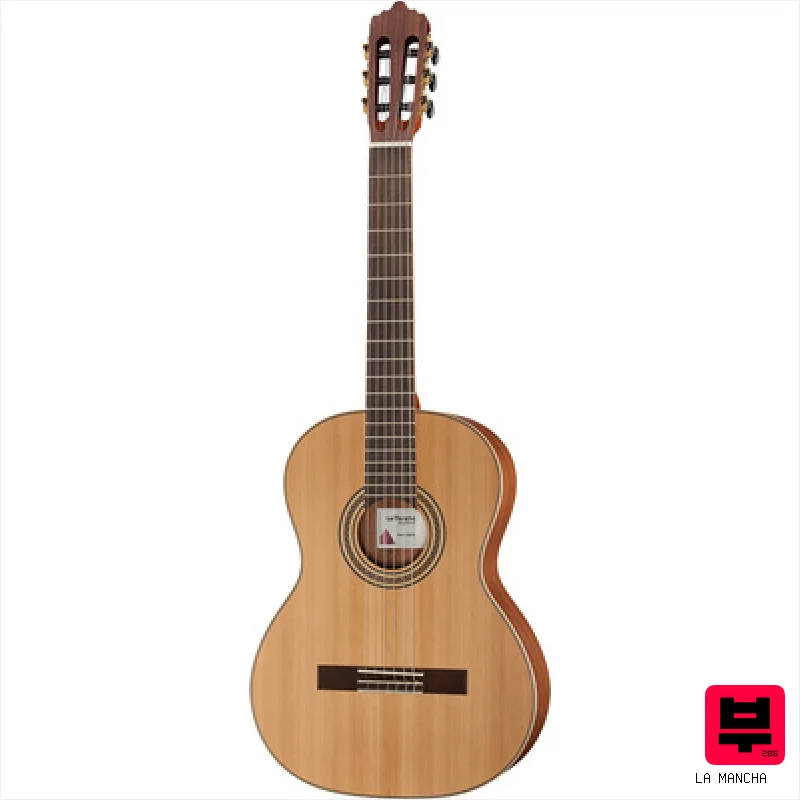
La Mancha Rubi CM/63-L
- • Solid Canadian cedar top offers bright attack
- • Mahogany back and sides provide warm low end
- • Ovangkol neck and fingerboard are durable choices
- • Concert size ideal for smaller player bodies
- • Weight value not listed in description
- • Fret count not specified in text
- • No pickup system mentioned for amplification
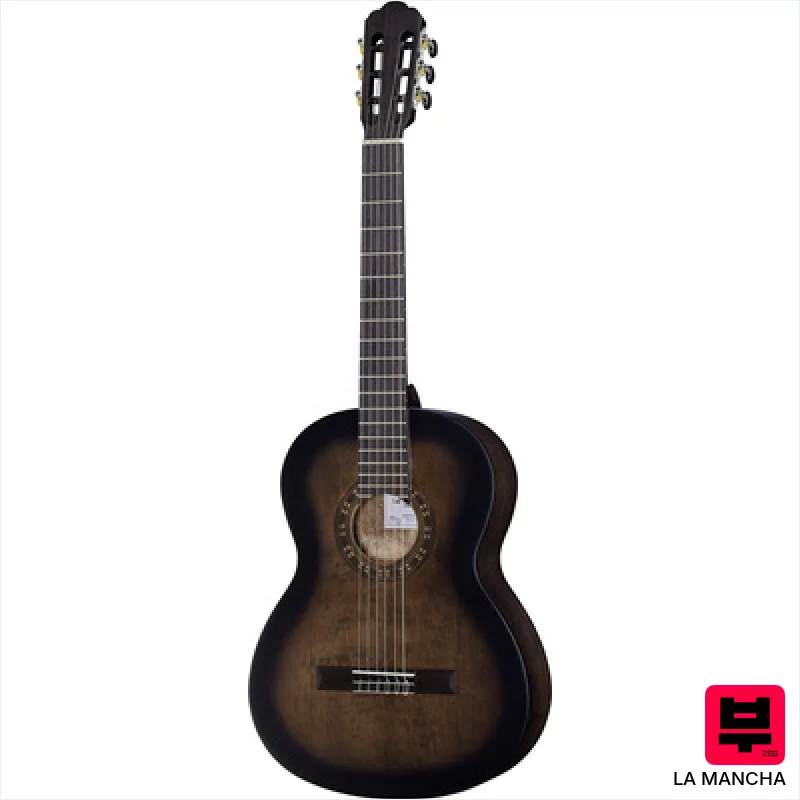
La Mancha Granito 32-AB-L
- • Spruce top delivers a clear, responsive tone with good projection.
- • Mahogany back and sides provide a warm, balanced sonic character.
- • Nubone nut and saddle improve sustain and tonal clarity compared to standard plastic.
- • Matte open-pore finish enhances resonance and a natural feel.
- • Ovangkol fingerboard can be a bit harder than rosewood, potentially less comfortable for some.
- • Factory Savarez strings are serviceable but an upgrade would unlock the guitar's full potential.
- • Antique Brown finish may appear darker/less vibrant than expected in some lighting.
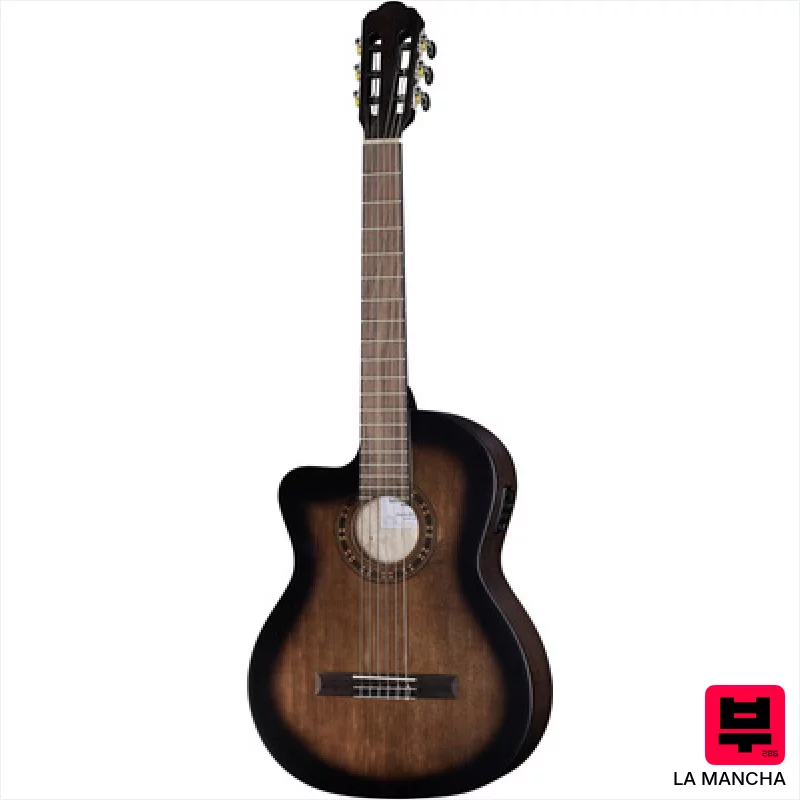
La Mancha Granito 32-CEN-AB-L
- • Spruce top delivers a bright, responsive tone with good projection
- • Mahogany back and sides add warmth and sustain, nicely balanced
- • Nubone nut and saddle enhance sustain and tuning stability
- • Cutaway allows comfortable access to higher frets for lead playing
- • Matte open pore finish can feel a little less refined than glossier options
- • Savarez factory strings are decent but an immediate upgrade is recommended
- • Ovangkol fingerboard, while durable, isn't quite as smooth as ebony
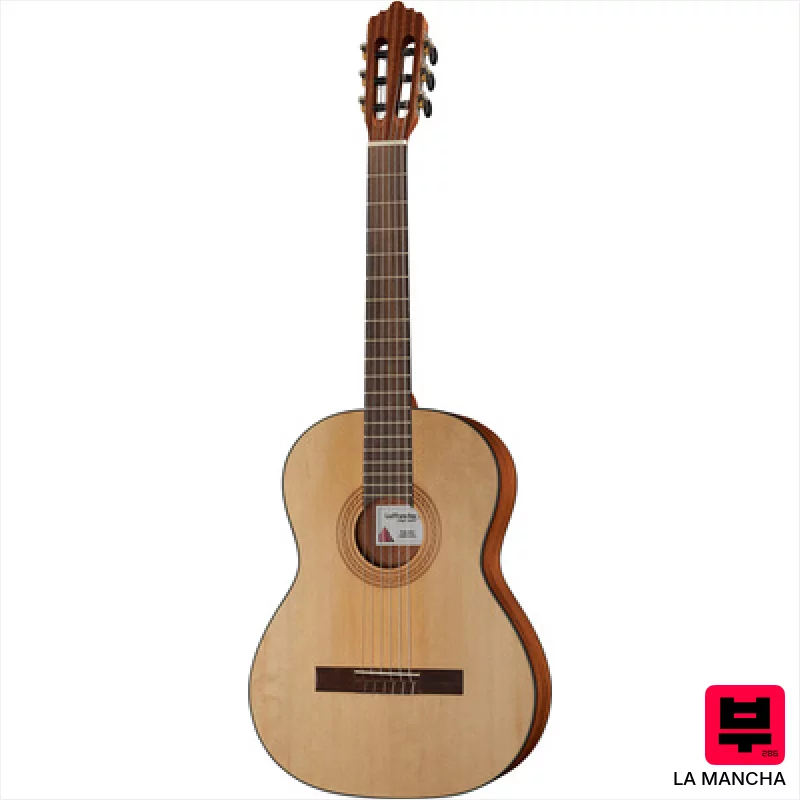
La Mancha Rubinito LSM/63-N-L
- • 7/8 size offers comfortable playability, especially for smaller players or those preferring a more compact instrument.
- • Spruce top delivers a surprisingly resonant and clear tone for its price bracket.
- • Ovangkol fingerboard provides a smooth playing experience and adds warmth to the overall sound.
- • Nubone nut and saddle contribute to improved sustain and tuning stability compared to standard plastic.
- • Mahogany back and sides limit the top-end sparkle, sounding a bit 'woody'.
- • Narrow neck (NATO) might feel cramped for players accustomed to wider classical guitar necks.
- • ABS binding, while functional, lacks the aesthetic appeal of wood binding found on higher-end instruments.
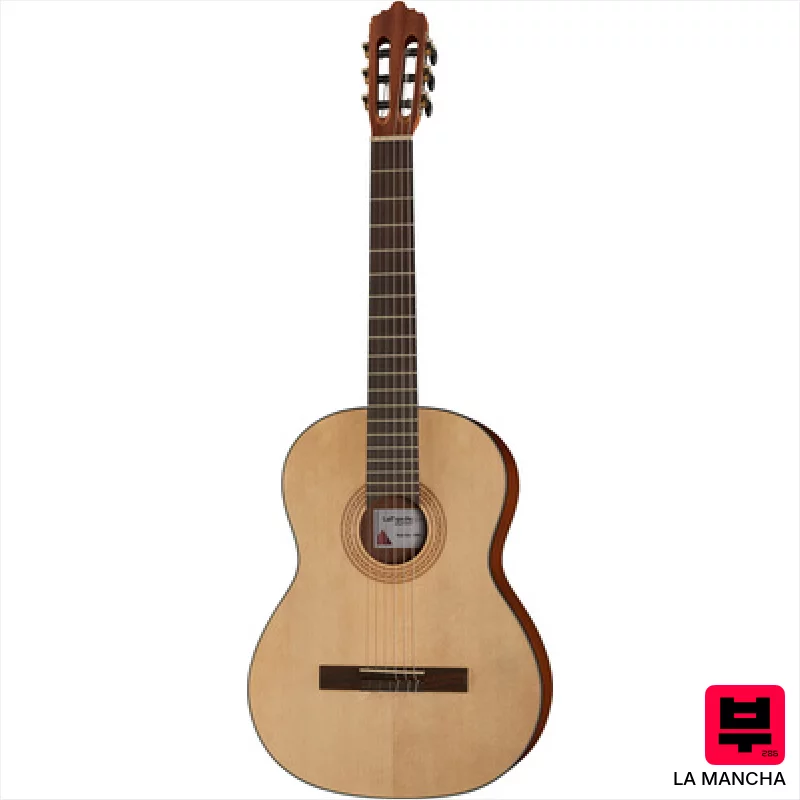
La Mancha Rubinito LSM-L
- • Spruce top delivers a surprisingly bright and responsive tone for the price.
- • Nato neck provides a stable platform, minimizing fret buzz and improving playability.
- • Ovangkol fingerboard offers a smooth feel and good durability under the fingers.
- • Savarez strings are a decent starting point, offering a balanced Cantiga tension.
- • Mahogany back and sides can limit sustain compared to rosewood alternatives.
- • ABS bindings, while functional, lack the elegance of wood bindings.
- • The matte finish, while practical, might feel a little less refined.
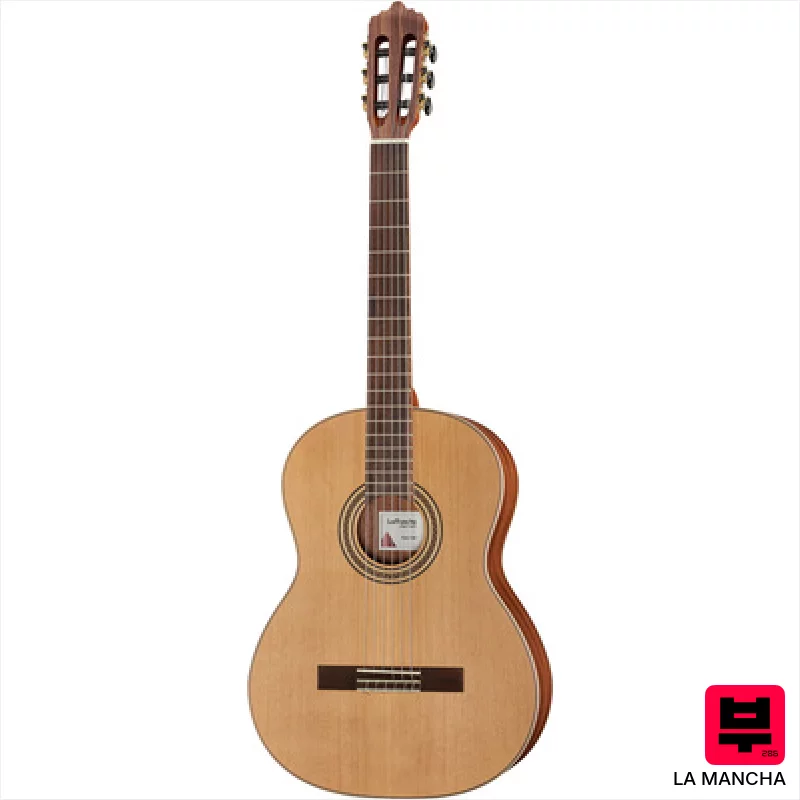
La Mancha Rubi CM-N-L
- • Solid cedar top delivers a warm, responsive, and nuanced tone.
- • Toona Kalantas neck with carbon rods enhances stability and reduces warping.
- • Ovangkol fingerboard offers a smooth playing experience and excellent durability.
- • Gold-plated machine heads provide reliable tuning stability and a touch of class.
- • Matte finish, while aesthetically pleasing, can show fingerprints more readily.
- • Mahogany back and sides might lack the projection of rosewood for advanced players.
- • Savarez Cantiga strings are decent but many will likely upgrade for a personalized sound.
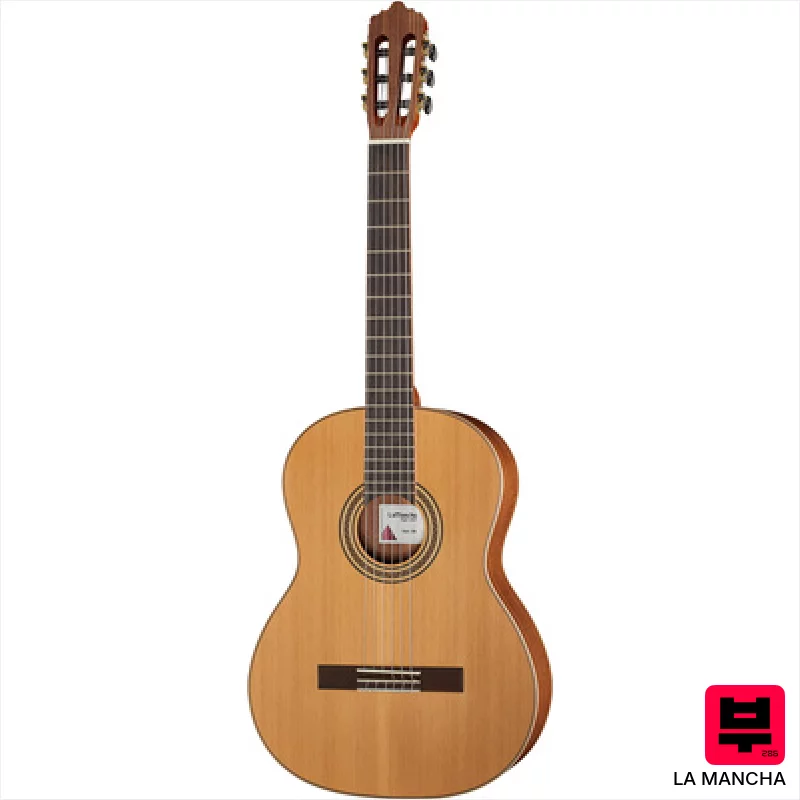
La Mancha Rubi CM-L
- • Solid cedar top delivers a warm, responsive tone with excellent projection
- • Toona Kalantas neck with carbon rods ensures stability and comfortable playability
- • Bone nut and saddle enhance sustain and clarity of the overall sound
- • Maple bindings add a touch of elegance and improve the guitar's durability
- • Mahogany back and sides might lack the complexity of rosewood for advanced players
- • Natural matte finish can show fingerprints and require more frequent cleaning
- • Savarez strings are decent, but experienced players may prefer an upgrade
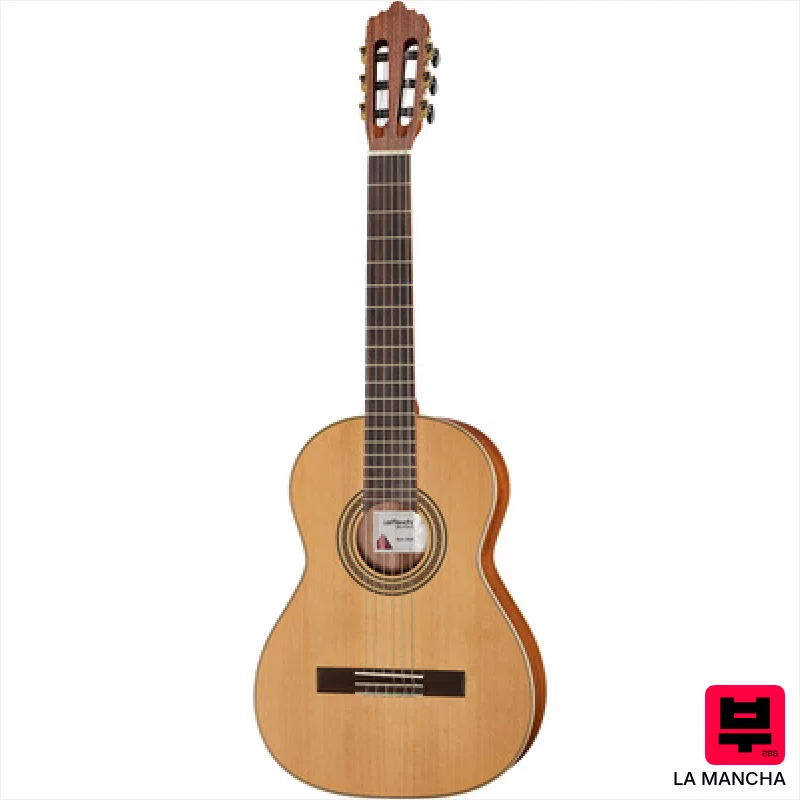
La Mancha Rubi CM/59-L
- • Solid cedar top delivers a warm, responsive, and nuanced tone.
- • Toona Kalantas neck with carbon reinforcement enhances stability and playability.
- • Ovangkol fingerboard and bridge provide excellent sustain and tonal clarity.
- • Gold-plated machine heads ensure smooth, reliable tuning stability.
- • 3/4 size limits its appeal to adult players with larger hands or a preference for full-size guitars.
- • Matte finish, while aesthetically pleasing, can be more prone to fingerprints and smudging.
- • Savarez Cantiga strings are decent but a worthwhile upgrade for more experienced players.
Lefthanded Classical Guitars by the numbers
Measured across all 47 models in this category, so «wide», «short» or «expensive» mean something you can check.
How to Choose the Best Lefthanded Classical Guitars
Heritage & Craftsmanship
La Mancha's history, dating back to the 1950s, speaks to a commitment to traditional Spanish construction. They aren't chasing fleeting trends; they're building guitars rooted in established principles, which generally translates to better long-term reliability and a certain tonal maturity.
Tone Characteristics
La Manchas often exhibit a warm, woody tone with a noticeable 'bloom' - that gradual opening of overtones as notes sustain. It's not a bright, sparkly clean; it's more about a focused, fundamental tone with a richness that cuts through a string section or blends well in a larger ensemble. You'll get a nice, round low-end thump, but it won't overwhelm the higher register - crucial for solo performance.
Solid Spruce Tops
Many La Mancha models feature solid spruce tops, a significant upgrade over laminate tops found on cheaper instruments. Solid tops vibrate more freely, contributing to improved projection, sustain, and dynamic response. This makes a real difference when you're trying to cut through the mix with a quartet.
Neck Profile & Playability
La Mancha necks tend to be comfortable - not too thick, not too thin - offering a good balance for both fast passages and legato phrasing. The action is generally manageable right out of the box, although a professional setup is always recommended for optimal playability. A comfortable neck is vital for long practice sessions or gigging multiple sets.
Build Quality & Materials
While not using exotic tonewoods across the board, La Mancha consistently uses quality materials. The bracing patterns are well-executed, contributing to even tension and a balanced response. You won't find sloppy dovetail joints or uneven finishes - the build quality is solid and dependable.
Buying Guide
Don't expect a La Mancha to be a 'plug and play' instrument. Like any good classical guitar, it will benefit from a proper setup by a qualified luthier. The lower-end models will use less figured woods and potentially thicker finishes, which can slightly dampen the resonance. Spend a little more for a model with a solid spruce top - the tonal improvement is significant, and it's a worthwhile investment if you're serious about playing.
How This List Is Built
We don't play these instruments — we're a catalog, not a review desk, and we'd rather say so than pretend otherwise. This page covers 11 of 47 lefthanded classical guitars from the Thomann catalogue, which is the largest single source of specification data in this category: 11 in detail, the rest listed with their specifications.
Position is computed, not curated. We parse the manufacturer's own description into actual values — nut width, scale, fret count, fingerboard radius, size, alloy — and rank on them: how many specifications a model has published, how many of them are measurable numbers, and how precisely it meets this page's criterion. A product image adds a little. Price is not a ranking signal: it tells you nothing about whether a neck fits your hand. The same inputs always produce the same order, so nothing here is shuffled to look fresh.
What this list is good for: narrowing a category down to a shortlist by spec and budget. What it isn't: a substitute for hearing an instrument. Before you buy, read hands-on reviews and, where you can, play it. Full methodology.

