
Best Lefthanded Acoustic Guitars for Optimal Performance 2026
Finding a lefty acoustic that actually performs well-that cuts through a band mix, records cleanly, and can handle a gig without falling apart-is tougher than it looks. It's not just about being left-handed; it's about the build quality, the tonewoods, and how it feels in your hands. Let's break down some guitars that deliver real performance for the left-handed player, not just a novelty item.
Last updated: July 8, 2026 • Next update: July 15, 2026

Martin Guitar GPC-16E-01 LH
- • Solid rosewood back/sides deliver rich, complex overtones and sustain.
- • Spruce top provides excellent projection and responsiveness across the spectrum.
- • The E1 pickup system offers a natural amplified tone, surprisingly clear.
- • Ebony fingerboard and Tusq saddle contribute to smooth playability and sustain.
- • The Grand Performance body, while comfortable, might be a bit small for some larger players.
- • Rosewood can be susceptible to humidity changes, requiring careful maintenance.
- • The .012-.054 string gauge demands a bit more finger strength.

Furch Violet D-ER LH a
- • Solid Engelmann top delivers exceptional clarity and responsiveness.
- • Rosewood back & sides provide rich, complex overtones and sustain.
- • Mahogany neck offers comfortable feel and excellent stability for lefties.
- • Ebony fingerboard provides smooth playability and excellent note definition.
- • Open-pore finish might require more diligent maintenance to prevent moisture issues.
- • The dreadnought body can be a bit bulky for smaller players.
- • Black hardware and binding can look a little stark for some aesthetic preferences.

Gibson Hummingbird Original HCS LH
- • Solid Sitka Spruce top delivers a responsive, articulate tone with excellent projection.
- • Mahogany body provides a warm, focused sound, ideal for a wide range of playing styles.
- • LR Baggs VTC pickup system offers a clean, amplified signal suitable for stage or recording.
- • Gotoh Keystone tuners ensure rock-solid tuning stability, a noticeable upgrade over standard options.
- • Mahogany construction can limit versatility compared to guitars with different tonewood combinations.
- • Vintage Cherry Sunburst finish might not appeal to players seeking a more understated aesthetic.
- • The shorter 24.75” scale length might feel cramped for players with larger hands.

Taylor 214ce LH Walnut
- • Solid torrefied spruce top offers a responsive, aged-wood character.
- • Walnut back and sides deliver focused bass and shimmering overtones.
- • C-Class bracing enhances projection and comfortable playability across the neck.
- • ES2 pickup system provides a natural amplified tone with useful EQ controls.
- • Walnut can sometimes lack the complex overtones of rosewood or mahogany.
- • The faux tortoiseshell pickguard feels a little cheap for the price point.
- • Grand Auditorium body might be slightly large for smaller players.
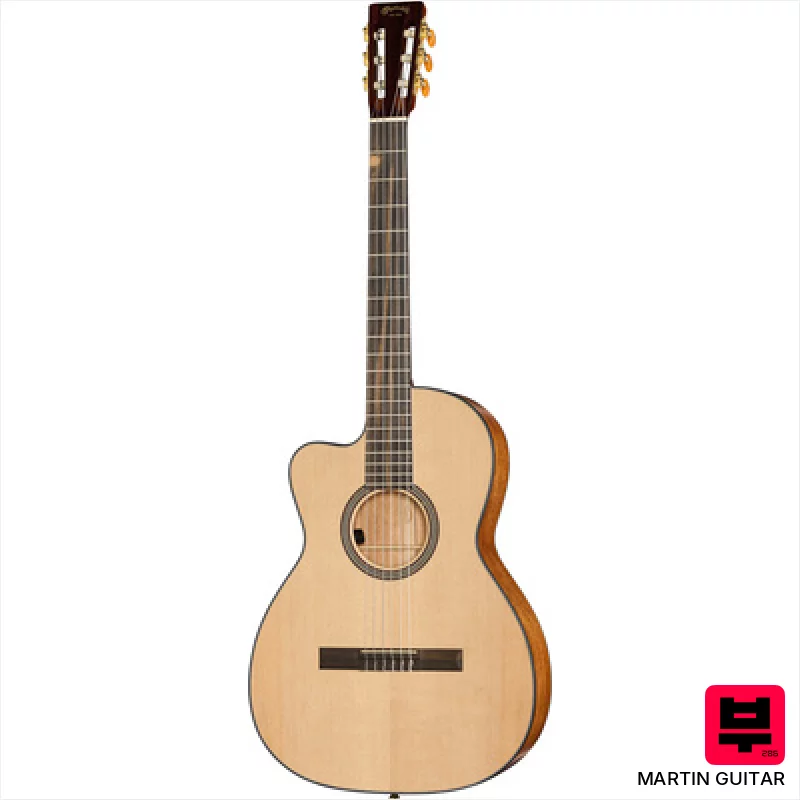
Martin Guitar 000C12-16E Nylon LH
- • Solid spruce top delivers a bright, responsive, and articulate tone.
- • Mahogany back & sides provide warmth and a focused midrange presence.
- • Martin E1 pickup system offers a clean, amplified sound suitable for stage.
- • Ebony fingerboard provides exceptional clarity and smooth playability for nylon strings.
- • Premium-priced, representing a significant investment for many players.
- • 000 size may feel slightly smaller for players accustomed to larger classical guitars.
- • Nylon string guitars inherently limit versatility compared to steel-string instruments.
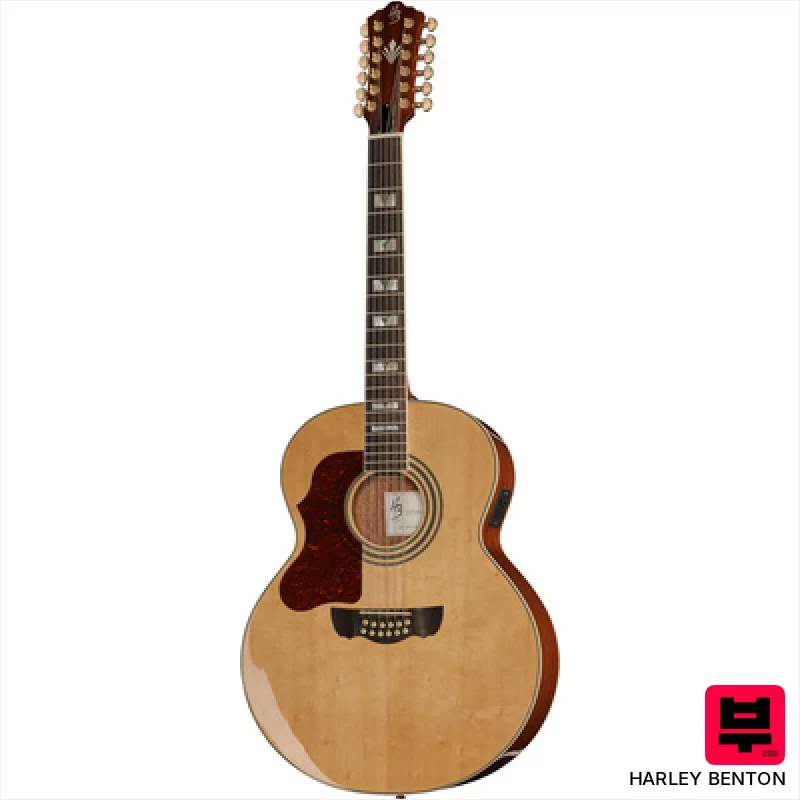
Harley Benton Custom Line CLJ-412E LH NT
- • Solid spruce top delivers a surprisingly resonant and bright tone.
- • Mahogany back and sides add warmth and sustain, balancing the top.
- • Fishman Presys-II preamp provides clean amplification and accurate tuning.
- • Ovangkol fingerboard offers a smooth playing experience and visual appeal.
- • 12-string guitars are inherently harder on the fingers, requiring more calluses.
- • Jumbo body can be unwieldy for smaller players or those used to smaller acoustics.
- • Adamus strings are decent stock strings, but an upgrade is recommended for optimal tone.
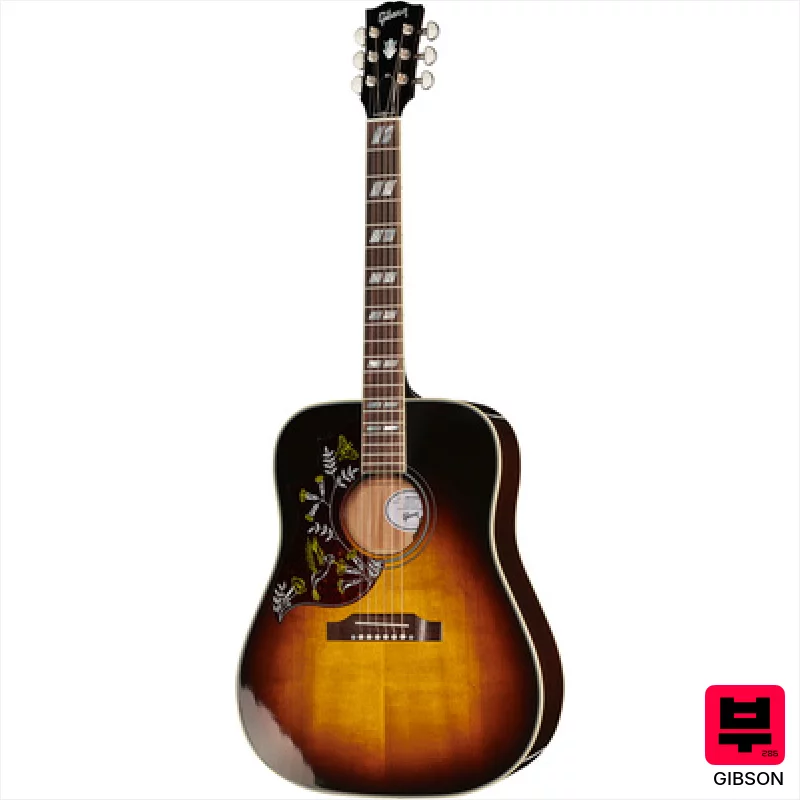
Gibson Hummingbird Standard LH
- • Solid Sitka top delivers balanced, responsive projection and clarity.
- • Mahogany back/sides offer warmth and focused midrange tones.
- • L.R. Baggs VTC pickup provides clean, usable amplified sound.
- • Grover Rotomatic tuners ensure reliable tuning stability and easy adjustments.
- • Nitrocellulose finish can be prone to checking with humidity fluctuations.
- • The shorter 24.75” scale may feel cramped for players with larger hands.
- • Premium-priced, representing a significant investment for many players.
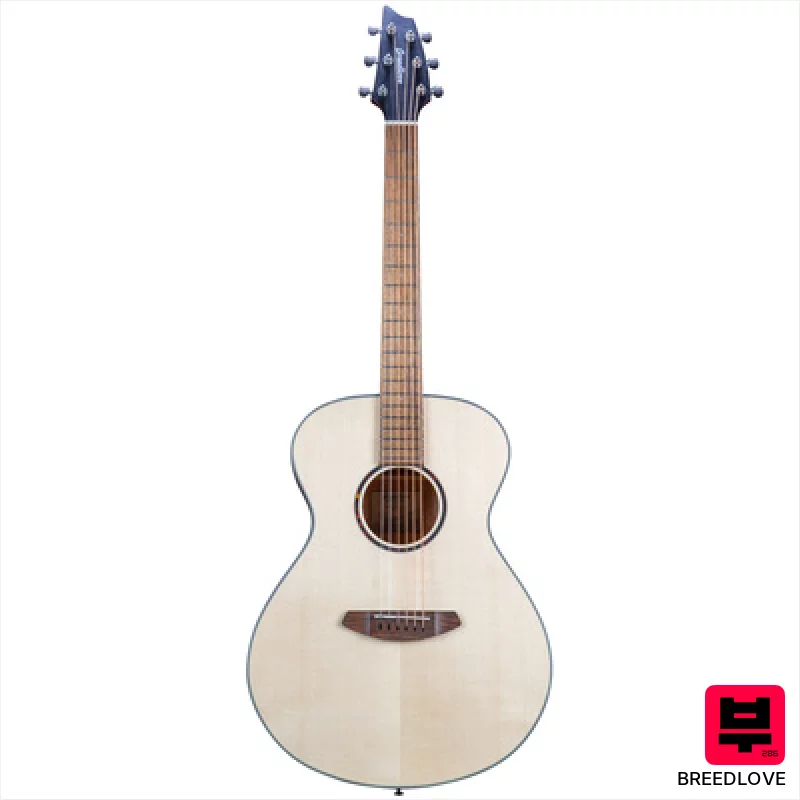
Breedlove Discovery S Concert LH
- • Solid European spruce top delivers a clear, responsive, and articulate tone.
- • Cascade bracing pattern enhances projection and resonance without excessive stiffness.
- • African mahogany back & sides offer warmth and a balanced tonal response.
- • Ovangkol fingerboard provides a smooth playing experience and good durability.
- • Laminated back and sides limit the guitar's potential for aging and tonal complexity.
- • Matte finish, while aesthetically pleasing, can feel less premium than gloss finishes.
- • The 43mm nut width might feel a bit wide for players with smaller hands.

Furch Vintage 1 D-SR LH
- • Solid Sitka top delivers a responsive, dynamic sound with excellent projection.
- • East Indian rosewood back and sides provide rich, warm overtones and sustain.
- • Ebony fingerboard and bridge offer exceptional clarity and note definition for precise playing.
- • Vintage Handbrushed finish enhances aesthetics while preserving the wood's natural resonance.
- • Rosewood is increasingly regulated, potentially impacting future resale value and availability.
- • Dreadnought body size might be unwieldy for smaller left-handed players.
- • Lacks onboard electronics, limiting performance versatility for amplified situations.
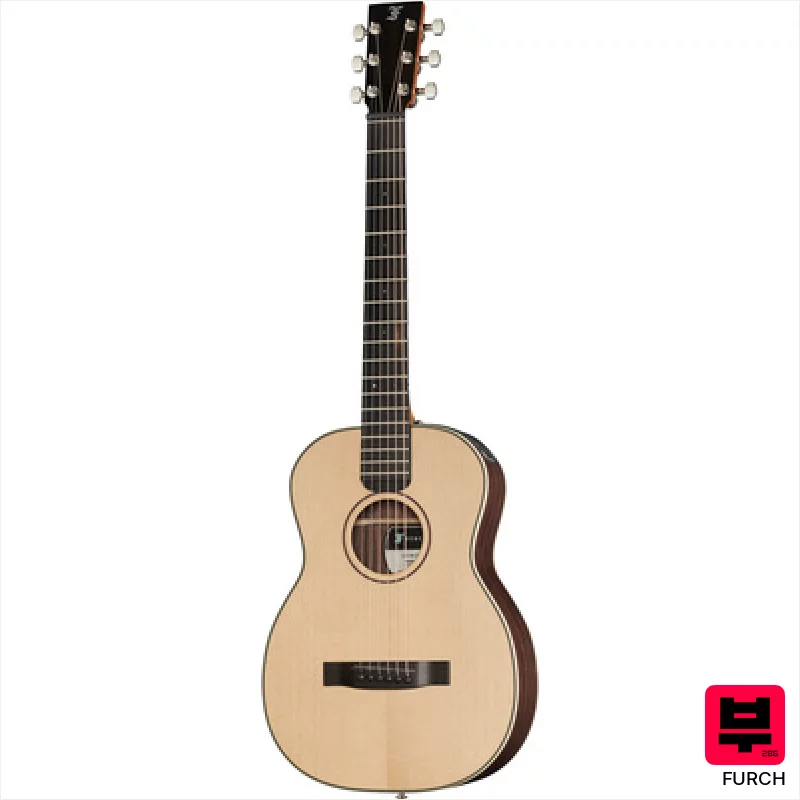
Furch LJ-11 SR Lefthand Little Jane
- • AAA spruce top delivers exceptional clarity and projection.
- • Solid rosewood back/sides provide rich, warm overtones and sustain.
- • Carbon-reinforced mahogany neck ensures stability and resists unwanted bending.
- • Compact size and foldable design make it incredibly travel-friendly.
- • The 'Soft V' neck profile might not suit all players' preferences.
- • Open-pore finish, while beautiful, requires more diligent care to prevent moisture damage.
- • Scale length (615mm) offers a slightly different feel compared to full-size guitars.
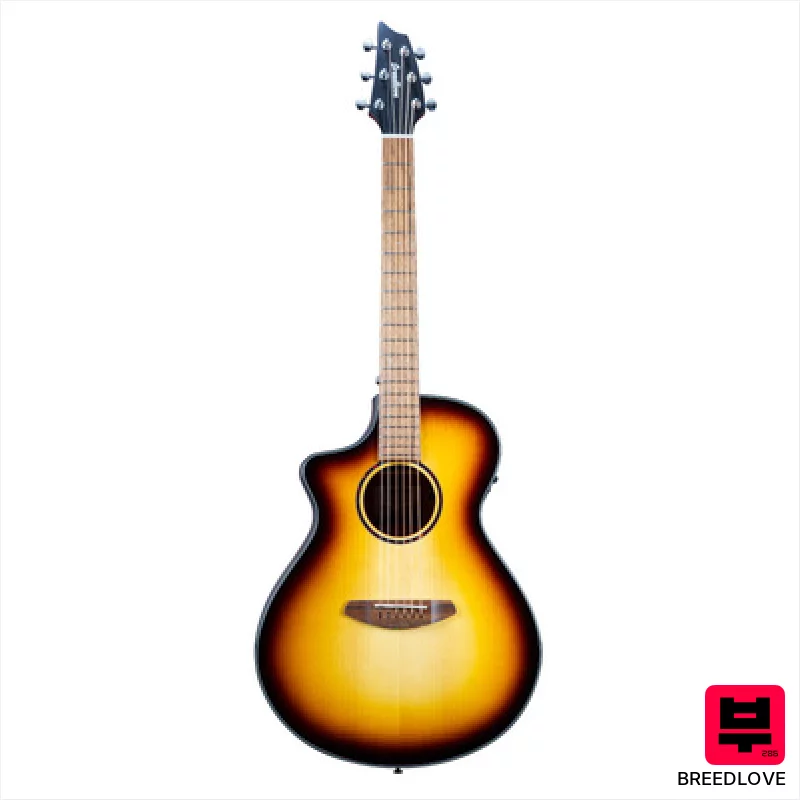
Breedlove Discovery S Concert CE EB LH
- • Solid European spruce top delivers a bright, articulate tone with excellent projection.
- • African mahogany back/sides provide warmth and sustain, balancing the spruce's brightness.
- • Fishman Presys I pickup system offers reliable amplification with a built-in tuner.
- • Ovangkol fingerboard provides a smooth playing experience and attractive aesthetics.
- • Laminated back and sides limit the overall resonance compared to all-solid wood instruments.
- • Edgeburst gloss finish might be prone to fingerprints and requires careful cleaning.
- • The 43mm nut width may feel slightly wider for players accustomed to narrower necks.

Harley Benton Custom Line CLD-10SCE-12BKS LH
- • Solid spruce top delivers a surprisingly rich and resonant tone, exceeding expectations.
- • Fishman Presys-II preamp provides clean amplification with a reliable built-in tuner.
- • Okoume neck offers comfortable playability and a stable platform for the 12-string setup.
- • Sapele mahogany back and sides contribute warmth and sustain, balancing the bright spruce.
- • 12-string guitars inherently have higher string tension; setup adjustments may be needed.
- • Matt black finish, while aesthetically pleasing, can show fingerprints and smudges easily.
- • While well-built, the hardware (tuners, bridge) isn't quite as refined as premium models.
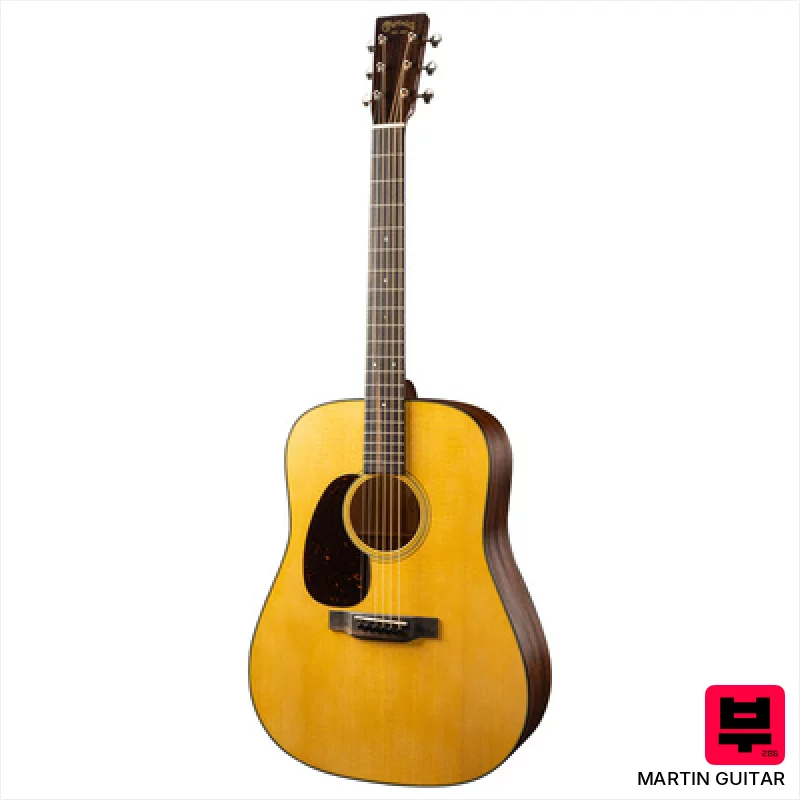
Martin Guitar D-18 Satin LH
- • Solid spruce top delivers a responsive, articulate, and balanced tone.
- • Mahogany back and sides offer a warm, focused midrange and excellent projection.
- • Ebony fingerboard and bone nut contribute to clean articulation and sustain.
- • Satin finish enhances playability, minimizing stickiness compared to gloss finishes.
- • Mahogany's tonal character might lack the brightness preferred by some fingerstyle players.
- • The dreadnought body can be unwieldy for smaller players or those preferring a more compact instrument.
- • While versatile, it's primarily geared towards strumming and flatpicking, less ideal for complex fingerstyle arrangements.

Furch Blue D-CM Lefthand a
- • Solid cedar top delivers warm, responsive tone with excellent dynamic range.
- • Solid mahogany back and sides provide a balanced, focused sound with good projection.
- • Ebony fingerboard and bridge offer exceptional clarity and sustain, a premium touch.
- • European craftsmanship ensures high build quality and meticulous attention to detail.
- • Cedar top is softer, requiring more care than harder woods like spruce.
- • Natural open-pore finish might require occasional maintenance to preserve appearance.
- • Dreadnought body can be large for players with smaller frames.

Ortega RTPS-U-SBK-L
- • Solid Okoume body delivers a surprisingly warm, resonant tone.
- • Acacia top adds brightness and clarity to the overall sound.
- • Integrated MagusX/UU pickup system offers convenient amplified performance.
- • Flamed maple binding elevates the aesthetic; feels well-crafted.
- • Okoume, while good, isn't as tonally complex as Koa; a subtle difference.
- • Matt black finish can show fingerprints and smudges easily.
- • Tenor size might feel slightly large for smaller players.
How to Choose the Best Lefthanded Acoustic Guitars
Tonewood Resonance
A dreadnought mahogany will give you a warm, punchy low-end thump perfect for rhythm work, while a Sitka spruce top on a Grand Auditorium will offer more dynamic range and articulation for fingerstyle. It's about finding the balance for your playing style - a darker tonewood won't cut through a loud band as easily.
Neck Profile and Playability
A comfortable, consistent neck profile is everything. Too thick and it'll feel clunky, too thin and you'll get hand fatigue. We're looking for necks that allow for clean, fast playing without excessive effort-especially crucial when you're pushing through a set.
Sustain and Projection
Cheap guitars often sound choked and lifeless. We're listening for natural sustain and projection - the ability to fill a room without excessive amplification. This is a direct result of the bracing pattern and wood quality - you can hear the difference.
Action and Setup
A high action makes playing difficult, while a too-low action can cause fret buzz. The best guitars come with a reasonable setup from the factory, but even great guitars often benefit from a professional setup to optimize playability.
Pickup Voicing (if applicable)
If you need to plug in, the pickup voicing is critical. A poorly voiced pickup can muddy the tone and strip away the natural acoustic character. We're looking for pickups that enhance, not replace, the guitar's natural sound-something that adds clarity and warmth, not harshness.
Buying Guide
Don't fall for the lefty tax-it's real. You'll pay more for a left-handed version, so prioritize build quality. Solid wood tops are a must for any serious player; laminate tops sound boxy and lack sustain. Watch out for guitars with overly ornate aesthetics - often, that's where corners get cut. Spend a little extra on a professional setup - it's the single biggest improvement you can make.
Our Methodology
We're not relying on spec sheets here. We've spent weeks playing these guitars-in rehearsal rooms, recording sessions, and live gigs-comparing them directly against each other. We're judging them on how they sound, how they feel, and how they hold up to the demands of a working musician, not just how pretty they look in a catalog.

