AudioFu
AudioFu Chart · October 2026
Best Lefthanded Acoustic Guitars 2026
The top pick is Fender California Standard Redondo Mini ($180). Harley Benton D-120LH BK w/Bag gives you the most for the money at $111. Gibson Hummingbird Standard leads the high end. Ranked by the AudioFu Index from 112 models across 15 brands, prices checked every night.
Last updated: October 10, 2026
Narrow the chart
All Lefthanded Acoustic GuitarsTop 10
Full detail for the 10 highest AudioFu Index scores. Every other model is listed below.
-
Fender California Standard Redondo Mini
CA STD Redondo LH BPG NAT · Fender
117 for sale on Reverb1 finish at Thomann
- Nut width42.9 mm (1.69")
- Scale648 mm (25.51")
- Frets20 frets
- Fingerboard radius305 mm (12.01")
- Neck profileC-shape neck
This Redondo LH is a solid, reliable dreadnought – a real workhorse for left-handed players. The tone is full and balanced, making it great for strumming and vocal accompaniment. It's a fantastic entry point into Fender acoustics and a great value for the money.
Pros
- Sapele back and sides deliver a warm, resonant, and focused tone.
- Spruce top provides excellent projection and responsiveness across the fretboard.
- Okoume neck offers a comfortable, balanced feel and contributes to sustain.
Cons
- Sapele can be a bit 'woody' sounding initially, requiring a break-in period.
- The single-ply black binding is functional but not as visually striking as layered binding.
77AudioFu
Index↓ 10.1%since Aug 14 · lowest so far$201 · Aug 14$180 now$180€161 at Thomann · in stockCheck price ↗ -
- Nut width42.9 mm (1.69")
- Scale629 mm (24.76")
- Frets20 frets
- FingerboardRosewood fingerboard
This lefty guitar uses a solid spruce top and mahogany body for a balanced, warm tone. The Fishman S-Core pickup helps it sound great through an amp. The cutaway shape makes reaching the top frets easier for big hands. It suits solo players or bedroom musicians who want a classic J-45 feel without right-handed options.
Pros
- Solid spruce top for bright, responsive attack
- Mahogany back and sides deliver warm midrange
- Fishman S-Core pickup ensures clear amplification
Cons
- Left-handed configuration limits player pool
- White plastic nut may wear faster than bone
74AudioFu
Index↓ 8.1%since Aug 17 · lowest so far$537 · Aug 17$493 now$493€440 at Thomann · in stockCheck price ↗ -
Epiphone El Capitan J-200 Studio Bass
J-200 Studio EC VS LH · Epiphone
36 for sale on Reverb3 finishes at Thomann
- Nut width42.9 mm (1.69")
- Scale648 mm (25.51")
- Frets20 frets
- FingerboardRosewood fingerboard
This left-handed Super Jumbo sounds great for live gigs thanks to its solid spruce top and reliable Fishman pickup. The mahogany neck gives a warm tone that cuts through the mix well. It's a solid choice for players who want a big sound without breaking the bank, though the plastic nut keeps it from feeling quite premium.
Pros
- Solid spruce top provides strong bass response and clear treble.
- Mahogany neck offers a warm, balanced midrange tone.
- Fishman S-Core pickup delivers reliable on-stage sound.
Cons
- Plastic nut feels less premium than bone or composite.
- No specific weight listed makes balance uncertain.
69AudioFu
IndexStableno change since Aug 17Aug 17$582 now$582€519 at Thomann · in stockCheck price ↗ -
Epiphone Hummingbird Studio
Hummingbird Studio EC HCS LH · Epiphone
22 for sale on Reverb4 finishes at Thomann
- Nut width42.9 mm (1.69")
- Scale629 mm (24.76")
- Frets20 frets
- FingerboardRosewood fingerboard
This left-handed model plays like a classic Hummingbird with a spruce top and mahogany body. The Fishman S-Core pickup makes it ready for amps or PA systems right out of the box. It suits players who want a full-range dreadnought sound without needing to adjust the setup.
Pros
- Solid spruce top delivers bright, responsive attack for strumming.
- Mahogany back and sides add warmth and sustain to the tone.
- Fishman S-Core pickup ensures reliable output for live playing.
Cons
- Plastic nut feels less smooth than a real bone option.
- No weight specification listed makes heavy travel uncertain.
68AudioFu
IndexStableno change since Aug 17Aug 17$525 now$525€469 at Thomann · in stockCheck price ↗ -
Epiphone Hummingbird Standard EC
Hummingbird Standard LH CS · Epiphone
31 for sale on Reverb1 finish at Thomann
- Nut width42.9 mm (1.69")
- Scale629 mm (24.76")
- Frets20 frets
- FingerboardRosewood fingerboard
This is a solid choice for left-handed players who want a traditional dreadnought sound. The solid spruce top keeps things bright and lively, while the mahogany body adds warmth. The Fishman pickup makes it ready to play in a band without extra gear, though you'll need to buy a battery separately. It suits anyone looking for a reliable workhorse without the premium price tag.
Pros
- Solid spruce top for bright, responsive tone
- Solid mahogany back and sides for warmth
- Fishman S-Core pickup built in
Cons
- Battery not included with pickup
- Gig bag included but weight unknown
67AudioFu
Index↓ 14.8%since Aug 17 · lowest so far$1,063 · Aug 17$907 now$907€809 at Thomann · in stockCheck price ↗ -
- Nut width44 mm (1.73")
- Scale629 mm (24.76")
This J-45 Standard LH is a serious instrument for the left-handed player. The round-shoulder design nails that classic Gibson tone – warm, woody, and with a real ‘growl’ – and the L.R. Baggs pickup system is surprisingly natural. It's a premium-priced option perfect for roots, blues, and Americana players who want a workhorse acoustic with excellent amplified capabilities.
Pros
- Solid Sitka spruce top delivers balanced, mature tone.
- Mahogany back/sides provide warmth and focused low-mids.
- Slim taper neck profile offers comfortable, fast playability.
Cons
- Vintage Sunburst finish can be prone to fingerprints and scratches.
- Mahogany body contributes to a heavier feel compared to some alternatives.
67AudioFu
Index↓ 4.1%since Aug 14 · lowest so far$3,137 · Aug 14$3,008 now$3,008€2,684 at Thomann · in stockCheck price ↗ -
- Nut width44 mm (1.73")
- Scale628 mm (24.72")
- Frets20 frets
- FingerboardRosewood fingerboard
This left-handed Hummingbird Standard is a beautifully crafted instrument, offering a rich, balanced tone with a comfortable, familiar feel. The solid wood construction and quality electronics make it a versatile choice for stage and studio. It's ideal for intermediate to advanced players seeking a premium acoustic with iconic aesthetics and excellent amplified performance.
Pros
- Solid Sitka top delivers balanced, responsive projection and clarity.
- Mahogany back/sides offer warmth and focused midrange tones.
- L.R. Baggs VTC pickup provides clean, usable amplified sound.
Cons
- Nitrocellulose finish can be prone to checking with humidity fluctuations.
- The shorter 24.75” scale may feel cramped for players with larger hands.
67AudioFu
Index↓ 2.7%since Aug 14 · lowest so far$4,144 · Aug 14$4,033 now$4,033€3,599 at Thomann · in stockCheck price ↗ -
- Nut width42.8 mm (1.69")
- Scale597 mm (23.5")
- Frets20 frets
- FingerboardEbony fingerboard
This GS Mini Mahogany LH is a fantastic option for songwriters, travelers, or anyone wanting a genuinely portable guitar with a rich, mellow voice. The solid top provides a surprising amount of tonal depth for its size, and the ebony fingerboard makes it a joy to play. It’s a great entry point into the Taylor brand and a reliable companion for any guitarist.
Pros
- Solid mahogany top delivers a warm, focused tone with excellent sustain.
- Sapele back and sides provide surprising projection for a small-bodied guitar.
- Ebony fingerboard offers a smooth, comfortable playing experience and clear note definition.
Cons
- The smaller body size might feel cramped for players with larger hands.
- While versatile, the mahogany top leans towards warmer tones, limiting bright, cutting styles.
66AudioFu
IndexStableno change since Aug 14Aug 14$727 now$727€649 at Thomann · in stockCheck price ↗ -
- Nut width42.8 mm (1.69")
- Scale597 mm (23.5")
- Frets20 frets
- FingerboardEbony fingerboard
The GS Mini-e Mahogany LH is a fantastic option for songwriters, travelers, or anyone wanting a high-quality, compact instrument. The mahogany top provides a beautifully warm voice, while the Taylor ES-B pickup makes it stage-ready. It’s a joy to play and surprisingly versatile for its size.
Pros
- Solid mahogany top delivers a warm, focused, and articulate tone.
- Taylor ES-B pickup provides excellent amplified sound with discrete EQ controls.
- Sapele back and sides offer surprising projection and sustain for its size.
Cons
- Plywood back and sides limit the overall resonance compared to all-solid wood models.
- Smaller body size may not suit players preferring a full-sized guitar’s comfort.
66AudioFu
IndexStableno change since Aug 14Aug 14$828 now$828€739 at Thomann · in stockCheck price ↗ -
- Nut width42.5 mm (1.67")
- Scale650 mm (25.59")
- Frets20 frets
- BodyMahogany body
- FingerboardJatoba fingerboard
This Harley Benton D-120LH is a seriously impressive budget acoustic, especially for a lefty. The build quality is far better than you'd expect at this price point, and the tone is surprisingly full and resonant. It's a fantastic option for beginners or players needing a reliable, affordable travel guitar.
Pros
- Spruce top delivers surprisingly balanced and articulate tone.
- Mahogany body provides warmth and a pleasing sustain.
- Dovetail neck joint enhances stability and resonance.
Cons
- Factory strings are basic; an immediate upgrade is recommended.
- High-gloss finish can be a fingerprint magnet and feels a little plasticky.
64AudioFu
Index↓ 10.8%since Aug 14 · lowest so far$124 · Aug 14$111 now$111€99 at Thomann · in stockCheck price ↗
All 112 lefthanded acoustic guitars
Same index, same nightly prices — compact. Colour options of one model share a row. Tap a photo to zoom.
- 11
Ibanez Talman TCY10E Acoustic-Electric GuitarTCY10LE-BK · Ibanez64Stable$290€259$290€259Check ↗
- 12
Martin Guitar D18 LHMartin Guitar · 4 finishes63↓ 12.2%$3,687€3,290$3,687€3,290Check ↗
- 13
Ibanez AAD51CE Advanced AcousticAAD51LCE-DVS · Ibanez62↓ 6.7%$328€293$328€293Check ↗
- 14
Gibson Custom Shop Historic 1957 SJ-2001957 SJ-200 VS LH · Gibson62↓ 7.5%$6,218€5,549$6,218€5,549Check ↗
- 15
Taylor GS Mini-e Rosewood PlusGS Mini-e Rosewood Plus LH · Taylor59Stable$1,344€1,199$1,344€1,199Check ↗
- 16
Martin Guitar D28 Satin 1935 Burst LHMartin Guitar · 5 finishes59Stable$4,224€3,769$4,224€3,769Check ↗
- 17
Epiphone L-00 StandardL-00 Standard VS LH · Epiphone58Stable$951€849$951€849Check ↗
- 18
Martin Guitar HD28 LHMartin Guitar · 4 finishes58↓ 1.1%$5,040€4,498$5,040€4,498Check ↗
- 19
Ibanez AEG50AEG50L-BKH · Ibanez56Stable$356€318$356€318Check ↗
- 20
Gibson '50s J-45 Original50s J-45 Original Vint. SB LH · Gibson55Stable$3,137€2,799$3,137€2,799Check ↗
- 21
Martin Guitar D35 LHMartin Guitar · 3 finishes55↓ 1.1%$5,040€4,498$5,040€4,498Check ↗
- 22
Martin Guitar D41 LHMartin Guitar · 3 finishes55↓ 0.6%$7,675€6,849$7,675€6,849Check ↗
- 23
Harley Benton Custom Line CLP-15ME LHHarley Benton · 2 finishes54↓ 19.3%$234€209$234€209Check ↗
- 24
Harley Benton Custom Line CLD-10SCE-12BKS LHHarley Benton54↓ 16.7%$279€249$279€249Check ↗
- 25
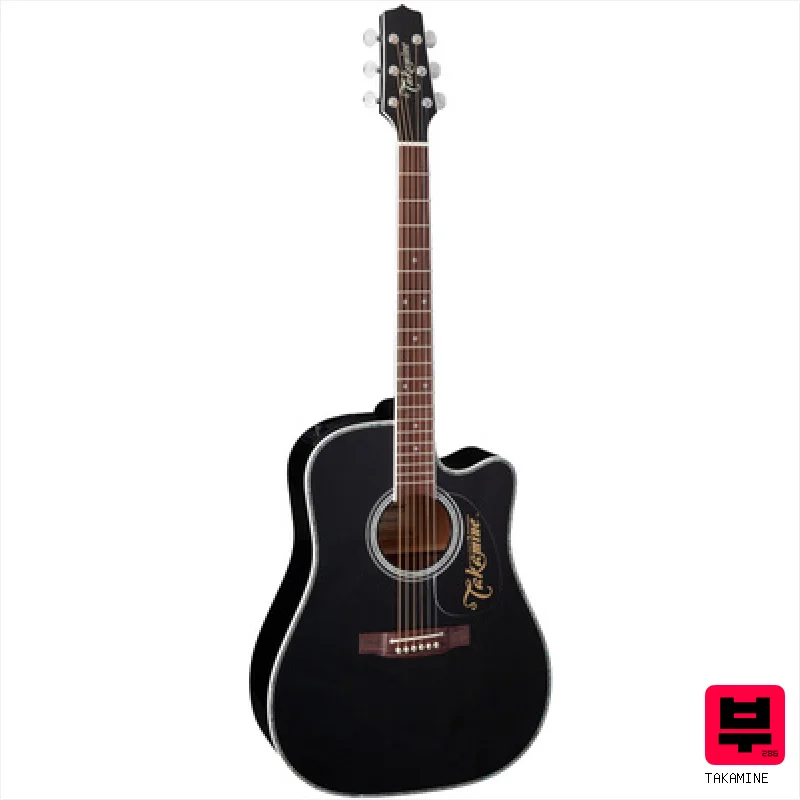
Takamine GD51CE NAT G50 Series Dreadnought Cutaway Acoustic/Electric…GD51CE-NAT LH · Takamine54Stable$559€499$559€499Check ↗
- 26
Gibson L-00 StandardL-00 Original VS Lefthand · Gibson54↓ 3.6%$3,025€2,699$3,025€2,699Check ↗
- 27
Martin Guitar OMJM John Mayer LefthandMartin Guitar54↓ 14.0%$4,817€4,299$4,817€4,299Check ↗
- 28
Fender California Series Newporter PlayerNewporter Player LH NAT WN · Fender53↑ 6.1%$391€349$391€349Check ↗
- 29
Takamine GD21CEGD21CE SM Lefthand · Takamine53↓ 3.5%$615€549$615€549Check ↗
- 30
Breedlove Rainforest S Concert CERainforest S Concert BG LH CE · Breedlove53Stable$671€599$671€599Check ↗
- 31
Harley Benton Custom Line CLJ-412E LH NTHarley Benton · 2 finishes52↓ 6.3%$335€299$335€299Check ↗
- 32
Martin Guitar D-X2E Billy Strings LHMartin Guitar · 2 finishes52Stable$1,344€1,199$1,344€1,199Check ↗
- 33
Martin Guitar D-10E Retro Nat LHMartin Guitar · 2 finishes52Stable$1,523€1,359$1,523€1,359Check ↗
- 34
Martin Guitar GPC-16E-01 LHMartin Guitar · 2 finishes52Stable$2,800€2,499$2,800€2,499Check ↗
- 35
Ibanez V40CE-OPN LHIbanez49↓ 13.6%$164€146$164€146Check ↗
- 36
Fender California Deluxe Redondo CECA DLX Redondo CE LH NAT · Fender49Stable$380€339$380€339Check ↗
- 37
Guild Westerly Collection M-120L Left-HandedM-120LH Nat Westerly · Guild49Stable$777€693$777€693Check ↗
- 38
Taylor 214ce Koa LefthandTaylor49↓ 11.6%$1,288€1,149$1,288€1,149Check ↗
- 39
Martin Guitar 0018 LHMartin Guitar49↓ 4.5%$4,033€3,599$4,033€3,599Check ↗
- 40
Harley Benton Cust. Line CLA-15MCE LH w/BagHarley Benton48↓ 3.6%$301€269$301€269Check ↗
- 41
Martin Guitar 0028 LHMartin Guitar48↓ 1.1%$5,042€4,499$5,042€4,499Check ↗
- 42
Martin Guitar 00028 Sunburst LHMartin Guitar48↓ 1.0%$5,322€4,749$5,322€4,749Check ↗
- 43
Martin Guitar OM28E LRB LHMartin Guitar48↓ 1.4%$5,601€4,998$5,601€4,998Check ↗
- 44
Harley Benton GS-Travel-E LH MahoganyHarley Benton47Stable$178€159$178€159Check ↗
- 45
Martin Guitar 000-10E Retro Nat LHMartin Guitar47Stable$1,523€1,359$1,523€1,359Check ↗
- 46
Martin Guitar OMC-10E Modern 1935 Sunb LHMartin Guitar47Stable$1,825€1,629$1,825€1,629Check ↗
- 47
Martin Guitar D-12E Retro Nat LHMartin Guitar47Stable$2,050€1,829$2,050€1,829Check ↗
- 48
Martin Guitar 000-12E Retro Roadseries LHMartin Guitar47Stable$2,050€1,829$2,050€1,829Check ↗
- 49
Martin Guitar 000-13E Retro Walnut LHMartin Guitar47Stable$2,184€1,949$2,184€1,949Check ↗
- 50
Martin Guitar D-13E Retro Walnut LHMartin Guitar47Stable$2,184€1,949$2,184€1,949Check ↗
- 51
Martin Guitar DC-13E Modern Nat LHMartin Guitar47Stable$2,240€1,999$2,240€1,999Check ↗
- 52
Martin Guitar DSS-17L Whiskey Sunset LeftMartin Guitar47Stable$2,520€2,249$2,520€2,249Check ↗
- 53
Martin Guitar DE Retro Plus Granadillo LHMartin Guitar47Stable$3,193€2,849$3,193€2,849Check ↗
- 54
Martin Guitar 000C12-16E Nylon LHMartin Guitar47Stable$3,193€2,849$3,193€2,849Check ↗
- 55
Martin Guitar 00017 LHMartin Guitar47Stable$3,361€2,999$3,361€2,999Check ↗
- 56
Martin Guitar Super D-18 LHMartin Guitar47Stable$4,369€3,899$4,369€3,899Check ↗
- 57
Martin Guitar 00028 Ambertone LHMartin Guitar47Stable$5,378€4,799$5,378€4,799Check ↗
- 58
Martin Guitar 000-28ECL Eric Clapton LeftMartin Guitar47Stable$5,602€4,999$5,602€4,999Check ↗
- 59
Martin Guitar Super HD-28 LHMartin Guitar47Stable$5,781€5,159$5,781€5,159Check ↗
- 60
Martin Guitar J40 LHMartin Guitar47Stable$6,554€5,849$6,554€5,849Check ↗
- 61
Harley Benton Custom Line CLD-1048SCE-LHHarley Benton46↓ 3.9%$279€249$279€249Check ↗
- 62
Epiphone Blues King Studio Dark Burst LEpiphone45↓ 1.1%$420€375$420€375Check ↗
- 63
Martin Guitar DX Johnny Cash LHMartin Guitar45Stable$839€749$839€749Check ↗
- 64
Martin Guitar D Jr E StreetMaster LH NewMartin Guitar45Stable$1,232€1,099$1,232€1,099Check ↗
- 65
Martin Guitar D-10E-01 Sapele LHMartin Guitar45Stable$1,265€1,129$1,265€1,129Check ↗
- 66
Martin Guitar 000-10E Retro Sapele LHMartin Guitar45Stable$1,366€1,219$1,366€1,219Check ↗
- 67
Martin Guitar DC-10E Modern BLK LHMartin Guitar45Stable$1,825€1,629$1,825€1,629Check ↗
- 68
Martin Guitar GPC-13E Modern Nat LHMartin Guitar45Stable$2,240€1,999$2,240€1,999Check ↗
- 69
Harley Benton CLP-12SM BRS Solid Top LHHarley Benton44Stable$335€299$335€299Check ↗
- 70
Epiphone Blues King Studio Ebony LHEpiphone44Stable$425€379$425€379Check ↗
- 71
Taylor Baby Taylor BT1 LHTaylor44Stable$436€389$436€389Check ↗
- 72
Taylor Baby Taylor-e BT1e LHTaylor44Stable$582€519$582€519Check ↗
- 73
Taylor 114ce-S Sapele LefthandTaylor44Stable$1,007€899$1,007€899Check ↗
- 74
Taylor 112ce Sapele LefthandTaylor44Stable$1,007€899$1,007€899Check ↗
- 75
Taylor GS Mini-e Koa Plus LefthandTaylor44Stable$1,288€1,149$1,288€1,149Check ↗
- 76
Gibson Slash J-45 LH November BurstGibson44↓ 3.5%$3,137€2,799$3,137€2,799Check ↗
- 77
Ibanez AAM50LCE-OLBIbanez43↓ 4.6%$394€352$394€352Check ↗
- 78
Ibanez AEWC621L-BOTIbanez43Stable$414€369$414€369Check ↗
- 79
Guild F-2512E LH BlondeGuild43Stable$738€659$738€659Check ↗
- 80
Furch Yellow Gc-CR w/SPA LH aFurch43↑ 1.8%$3,137€2,799$3,137€2,799Check ↗
- 81
Taylor GS Mini Sapele LefthandTaylor42Stable$543€485$543€485Check ↗
- 82
Taylor Big Baby Taylor BBTe EC LHTaylor42Stable$649€579$649€579Check ↗
- 83
Taylor Academy 12e LH Wal/EucaTaylor42Stable$895€799$895€799Check ↗
- 84
Epiphone 1942 Banner J-45 Reis.VS LHEpiphone42Stable$1,319€1,177$1,319€1,177Check ↗
- 85
Taylor 214ce LH WalnutTaylor42Stable$1,342€1,198$1,342€1,198Check ↗
- 86
Furch LJ-11 SR Lefthand Little JaneFurch42↓ 2.7%$2,016€1,799$2,016€1,799Check ↗
- 87
Ibanez AEG70L-TIHIbanez41Stable$437€390$437€390Check ↗
- 88
Furch Pioneer-EM a LHFurch41Stable$951€849$951€849Check ↗
- 89
Furch Blue Gc-CM-SPE a LH w/GBFurch41Stable$1,680€1,499$1,680€1,499Check ↗
- 90
Furch LJ 10-SM Lefthand SpruceFurch · 3 finishes41↑ 5.4%$1,769€1,579$1,769€1,579Check ↗
- 91
Furch Blue D-CM/12 a VTC LH w/GBFurch41Stable$1,792€1,599$1,792€1,599Check ↗
- 92
Furch Blue Plus Gc-CM a SPE LH w/GBFurch41Stable$1,792€1,599$1,792€1,599Check ↗
- 93
Gibson Orianthi SJ-200 Lotus LefthandGibson41↓ 7.0%$5,937€5,298$5,937€5,298Check ↗
- 94
Martin Guitar 000-15M LHMartin Guitar40↑ 15.8%$2,464€2,199$2,464€2,199Check ↗
- 95
Takamine GD30CE-NAT-LHTakamine39Stable$559€499$559€499Check ↗
- 96
Furch Pioneer-CM LH aFurch39Stable$1,097€979$1,097€979Check ↗
- 97
Taylor Academy Series 22e LHTaylor39Stable$1,119€999$1,119€999Check ↗
- 98
Furch Blue D-SW a LH w/GBFurch39Stable$1,568€1,399$1,568€1,399Check ↗
- 99
Takamine EF341SC LHTakamine39Stable$2,240€1,999$2,240€1,999Check ↗
- 100
Maton EBG808 Tommy Emmanuel LeftMaton39Stable$3,585€3,199$3,585€3,199Check ↗
- 101
Ibanez AW54LCE-OPNIbanez38Stable$381€340$381€340Check ↗
- 102
Baton Rouge X11LS/P-L-SCC Parlor LHBaton Rouge37Stable$178€159$178€159Check ↗
- 103
Breedlove Pursuit EX S Concert TE LH CEBreedlove37Stable$447€399$447€399Check ↗
- 104
Ovation Celebrity Elite CE44L-5-GOvation37Stable$615€549$615€549Check ↗
- 105
Baton Rouge AR21C/ACEC-LBaton Rouge37Stable$671€599$671€599Check ↗
- 106
Fender CD-60S Lh WN NatFender36↑ 5.6%$233€208$233€208Check ↗
- 107
Furch Vintage 1 D-SR a LH w/GBFurch36Stable$2,128€1,899$2,128€1,899Check ↗
- 108
Guild D240 LE N LHGuild35↑ 7.0%$514€459$514€459Check ↗
- 109
Ovation Celebrity Tradition CS-24L-4-GOvation35↑ 4.5%$526€469$526€469Check ↗
- 110
Yamaha FG820L NTIIYamaha30↑ 2.2%$526€469$526€469Check ↗
- 111
Harley Benton HBD120CEBK LH Bundle EnglishHarley Benton27Stable$145€129$145€129Check ↗
- 112
Ibanez V50NLJP-NT Jam PackIbanez20Stable$145€129$145€129Check ↗
Lefthanded Acoustic Guitars by the numbers
Measured across all 145 models we track, not a sample.
Median $1,288 — half of all lefthanded acoustic guitars here cost less.
median of 138 models · 42.5 mm (1.67")–46 mm (1.81")
median of 138 models · 597 mm (23.5")–650 mm (25.59")
median of 126 models · 19–20
most common · 93 models
How to choose the best lefthanded acoustic guitars
Neck Profile
This is critical for left-handed players. A neck that feels cramped or unwieldy will kill your playing. Look for profiles that suit your hand size and playing style - D-shapes are generally versatile, while thinner 'C' shapes are often favored for faster playing.
Bracing Pattern
The bracing dictates a lot about the guitar's tonal character. Forward-braced guitars tend to be more responsive and have more 'air' in the sound, while more traditional designs might offer a bit more headroom for strumming without unwanted breakup. Listen for a balanced response - not too boomy in the low-end, not too brittle in the highs.
Tonewoods
Spruce tops are the workhorses - Sitka is common and versatile, while Adirondack offers more headroom and a complex, aged tone. Mahogany back and sides deliver a warmer, more focused sound, while rosewood adds a shimmering overtones and low-end thump that cuts through a mix.
Action & Setup
Even a great guitar can be unplayable with a bad setup. Lower action makes it easier to play, but too low can cause fret buzz. A good setup optimizes string spacing, intonation, and overall playability - something worth paying extra for, especially on a left-handed model where adjustments might be less common.
Construction Quality
Cheap guitars often cut corners - thin finishes that crack easily, sloppy fretwork that causes buzzing, and bracing that's poorly glued. Pay attention to the details - a well-built guitar will feel solid and resonate with a pleasing sustain, even when played quietly.
Buying guide
Finding a good left-handed acoustic can be a real pain - the selection's often limited, and you're relying on what's been stocked, not built specifically for you. Don't settle for something that feels awkward or sounds thin just because it's "left-handed." This guide cuts through the noise, focusing on instruments that'll inspire you whether you're laying down tracks, gigging out, or just practicing in your bedroom.
Finding a left-handed acoustic often means compromising - you might not get exactly what you want in terms of model availability. Don't be afraid to try before you buy, and seriously consider a professional setup. Spending a little more on a well-built instrument with a proper setup will pay off massively in playability and enjoyment - a poorly setup expensive guitar is worse than a well-set-up budget one.
How the AudioFu Index works
Five measured signals and nothing else — no stars from strangers, no “tested by experts” we didn’t do. The weights are fixed and public. We don’t play these instruments; we measure the market around them.
This chart covers 145 lefthanded acoustic guitars from the Thomann catalogue. Before you buy, read hands-on reviews and, where you can, play it. Full methodology.
AudioFu earns a commission when you buy through our Thomann links. It never changes the order — the index does.
- Demand40%
How many of this exact model are for sale on Reverb right now — what musicians actually buy and resell.
- Lineup20%
How many finishes Thomann stocks — makers expand the models that sell.
- Price15%
Where the price has moved since we started tracking in August.
- Specs15%
How completely the maker documents it.
- Maker10%
How deep the brand’s range is in this category.
Questions
Are left-handed guitars more expensive?
Generally, yes. Lower production numbers mean higher prices. You're often paying a premium for the rarity, and the potential for less meticulous setup from retailers.
Can I have a right-handed guitar strung upside down?
While technically possible, it's not ideal. The bracing pattern and neck angle are designed for the guitar to be oriented a specific way. You'll likely experience intonation problems and a compromised tone.
What's the difference between a dreadnought and a grand auditorium?
Dreadnoughts are known for their powerful low-end and projection, making them great for strumming and cutting through a band. Grand auditoriums are more balanced, with better articulation and a more nuanced tone - good for fingerpicking and recording.
Should I buy online or from a local shop?
Ideally, try before you buy. But if that's not possible, buy from a reputable online dealer with a good return policy. A local shop can offer setup services and personalized advice, which is invaluable when you're limited to fewer left-handed options.
What's a 'good' action height?
It's subjective, but generally, around 2.0mm-2.5mm at the 12th fret for electric strings is a good starting point. Lower action is easier to play, but too low causes fret buzz. It's all about finding what feels comfortable and produces clean notes.